
The Unseen Imprint: How Tragic Events Shape Boston’s Landmarks
The question “Where Is Boston Bomber?” evokes a search for an individual, but for the city of Boston, it refers to a collective memory, a profound moment that indelibly marked its landscape and spirit. While the perpetrator’s physical location is a matter of record, the enduring impact of the 2013 Boston Marathon bombing resides not in a person, but in the heart of a city and its many historical landmarks. These sites, some directly affected, others serving as symbols of perseverance, tell a story far deeper than the event itself – a narrative of resilience, community, and the unyielding character that defines Boston. This exploration transcends the immediate tragedy, focusing instead on how such moments are absorbed into the historical fabric of urban spaces, transforming ordinary places into hallowed ground and reinforcing the enduring significance of Boston’s iconic landmarks. The city, rich with tales of American struggle and triumph, has always processed its history through its physical environment, from colonial battlegrounds to vibrant public squares. The marathon bombing added another layer to this narrative, a testament to modern challenges met with an age-old spirit of unity.

The transformation of a site from a mere location to a place of historical gravity is a phenomenon seen across human civilization. In Boston, this process has played out repeatedly, from the cobblestone streets where revolutionary ideals were forged to the sites of devastating fires and now, to the finish line of its most celebrated race. Each of these events, whether a moment of glory or despair, leaves an unseen scar, a collective memory that permeates the very air and stone of the city. For residents and visitors alike, understanding where the “Boston Bomber” truly resides means recognizing the profound changes that occurred in public perception and the subsequent efforts to reclaim and redefine affected areas. It speaks to the ongoing dialogue between a city’s past and its present, where even the most painful memories are integrated into a larger story of endurance.
Hallowed Ground: The Boston Marathon Finish Line and Boylston Street
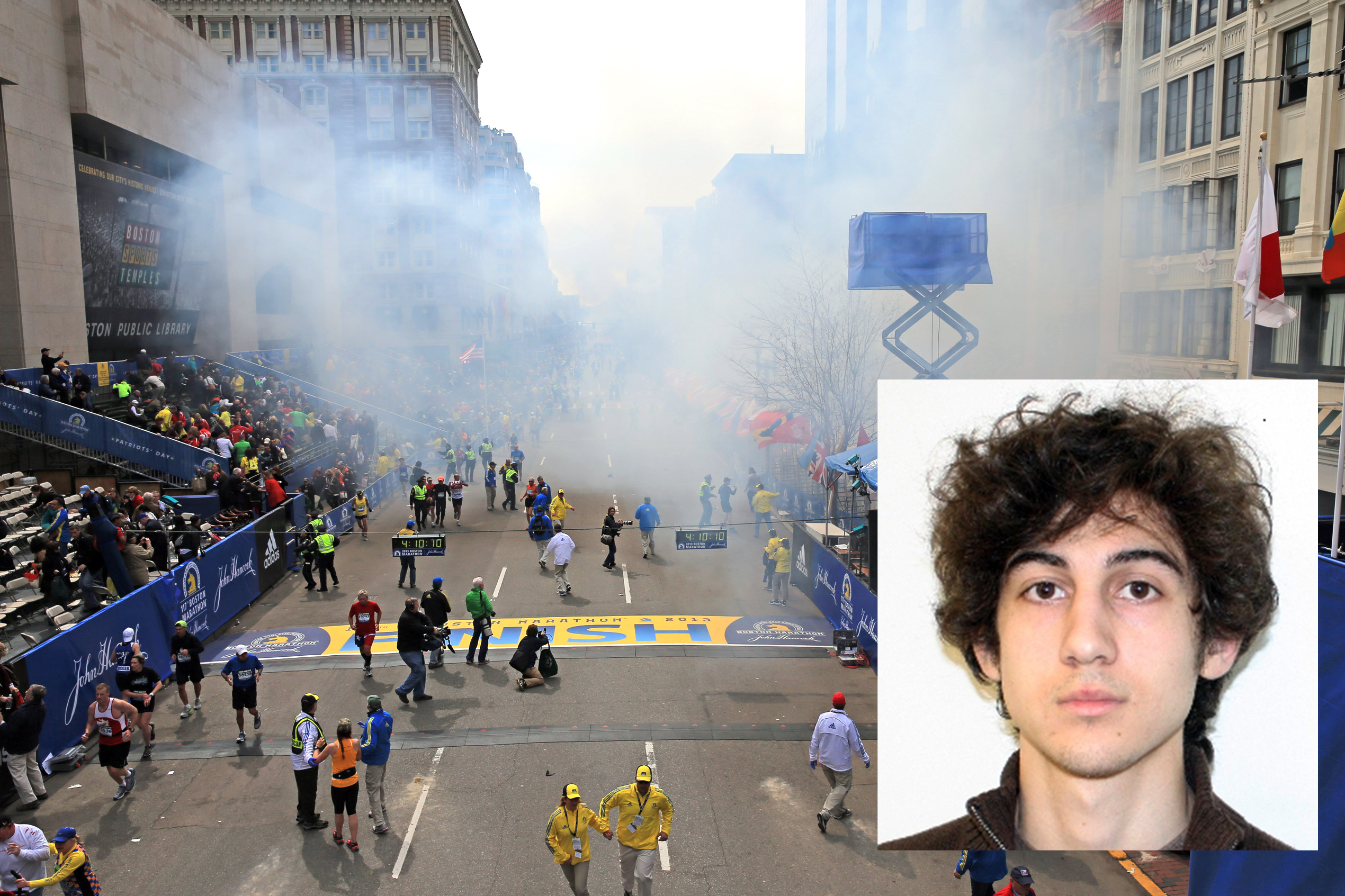
The epicentre of the 2013 tragedy was the Boston Marathon Finish Line on Boylston Street. Prior to April 15, 2013, this stretch of urban landscape was synonymous with athletic triumph, personal challenge, and communal celebration. Thousands of runners, supported by cheering spectators, culminated their arduous journey here, fulfilling dreams cultivated over months of training. It was a place of exultation, embodying the city’s passion for sports and its spirit of healthy competition. After the bombings, Boylston Street became something more profound: a symbol of vulnerability, but more importantly, an enduring beacon of resilience.
A Site of Remembrance and Renewal
Immediately following the attacks, Boylston Street transformed into an impromptu memorial. Floral tributes, handwritten notes, running shoes, and various mementos blanketed the sidewalks, a spontaneous outpouring of grief, solidarity, and defiance. This organic memorial spoke volumes about the city’s collective sorrow and its immediate resolve to stand together. The very act of placing these items created a temporary landmark, a testament to the community’s need to mourn and connect.
In the years since, while the physical remnants of the improvised shrine have been moved to the Boston Public Library archives for preservation, the spirit of remembrance on Boylston Street remains. The Boston Marathon continues to be run annually, with the finish line serving as a powerful reminder of the event’s enduring legacy. Each year, runners and spectators gather, not just to compete or cheer, but to honor those lost and injured, and to celebrate the strength of the human spirit. The blue-and-yellow lines painted on the street mark not only the official end of the race but also an invisible line of courage and remembrance. This landmark, therefore, represents a continuous act of reclaiming public space for joy and community, demonstrating that acts of terror cannot permanently redefine a place of deep-seated historical and cultural significance.
Memorials and Monuments: Sculpting Collective Memory
In the aftermath of the tragedy, Boston embarked on the thoughtful process of establishing permanent memorials. These carefully designed monuments serve as lasting landmarks, ensuring that the victims are remembered, and the city’s response is etched into its physical environment for future generations. Unlike temporary shrines, permanent memorials are deliberately crafted to convey specific messages, interpret events, and offer spaces for reflection and healing within the urban landscape.
The Boston Marathon Memorials

In 2019, two permanent memorials were unveiled near the sites of the explosions on Boylston Street. Designed by artist Pablo Eduardo, these identical memorials are located near the finish line, precisely where the two bombs detonated. Each memorial features three towering bronze spires, symbolizing the lives lost in the immediate aftermath of the attacks, with polished granite stones representing those who were injured. The spires are etched with the names of the victims and the words “Boston Strong,” a phrase that became the rallying cry for the city’s recovery. These memorials are not merely static structures; they are interactive spaces that invite contemplation, touch, and personal connection. Visitors can pause, read the names, and reflect on the profound impact of the event.
The design incorporates a blend of natural elements and enduring materials, signifying both fragility and strength. The placement within the bustling urban environment allows the memorials to integrate seamlessly into daily life, ensuring that the memory of the event is woven into the city’s ongoing narrative. They serve as physical landmarks that guide memory, providing a tangible link to a pivotal moment in Boston’s modern history, encouraging a moment of pause amidst the vibrancy of Copley Square and the surrounding architectural grandeur. These sites stand as a testament to public art’s role in communal healing and historical preservation.
Historic Resilience: Boston’s Enduring Character
The resilience demonstrated by Boston in 2013 was not a new phenomenon; it is a thread woven deeply into the very fabric of the city’s history and evident in countless other landmarks. From the birth of a nation to devastating fires, Boston has repeatedly faced adversity and emerged stronger. This historical context illuminates “where the spirit of Boston Bomber is found”—not in the act of terror, but in the city’s ingrained capacity to overcome.
Landmarks of American Perseverance
Consider the landmarks of the American Revolution. The Freedom Trail, a 2.5-mile path winding through downtown Boston, connects 16 historically significant sites. From the Old North Church where lanterns signaled Paul Revere’s ride, to the site of the Boston Massacre, and the Bunker Hill Monument commemorating one of the first battles, these landmarks speak of a young nation’s struggle for liberty against overwhelming odds. Each site on the Freedom Trail represents a moment when adversity was met with courage, sacrifice, and an unwavering belief in a common cause. These are the foundations of Boston’s character, demonstrating a long-standing tradition of collective strength in the face of challenge.
Even events of natural disaster and urban catastrophe highlight Boston’s fortitude. The Great Boston Fire of 1872 ravaged a significant portion of the city’s downtown, destroying thousands of buildings. Yet, out of the ashes, Boston rebuilt, demonstrating an urban resilience that mirrors its response to more modern traumas. The architecture that rose from that destruction, like the rebuilt structures in the Financial District, stands as a testament to the city’s capacity for renewal. These historical precedents establish a powerful narrative: Boston is a city that remembers its pain but never allows it to define its future. Its landmarks, therefore, are not just stone and mortar; they are living testaments to an enduring, adaptable spirit.
The Future of Public Spaces: Safety, Community, and Engagement
The events of 2013 inevitably prompted a re-evaluation of public space, safety, and community engagement around Boston’s landmarks. How does a city balance the need for security with the desire to maintain open, accessible, and vibrant public areas? The answer lies in fostering a deeper sense of community and ensuring that landmarks remain welcoming spaces for all.
Balancing Openness with Vigilance
Following the bombing, there was an understandable increase in security measures around major events and popular landmarks. This included heightened police presence, controlled access points, and advanced surveillance technologies. However, Boston has largely resisted the urge to transform its public spaces into fortresses. Instead, there’s been an emphasis on community policing, intelligence sharing, and public awareness campaigns that empower citizens to be vigilant without living in fear. Landmarks like Boston Common, Faneuil Hall, and the Public Garden continue to host large gatherings, protests, and celebrations, reinforcing their role as democratic spaces. The annual Boston Marathon itself is a testament to this balance, with increased security protocols implemented subtly to preserve the celebratory atmosphere.
Moreover, the collective response to the bombing highlighted the critical role of these landmarks as sites of solidarity and healing. Boston Common became a gathering point for vigils and public expressions of unity, reaffirming its historical significance as a place for civic discourse and collective emotion. This demonstrates that while safety is paramount, the intrinsic value of landmarks lies in their ability to foster community, facilitate shared experiences, and provide spaces where collective memory can be both mourned and celebrated. The city’s commitment to maintaining its open, accessible public spaces, even in the face of past trauma, is perhaps the truest answer to “Where is Boston Bomber?” – found in the unwavering resolve of its people to protect their shared heritage and continue to thrive in the places that define them.
LifeOutOfTheBox is a participant in the Amazon Services LLC Associates Program, an affiliate advertising program designed to provide a means for sites to earn advertising fees by advertising and linking to Amazon.com. Amazon, the Amazon logo, AmazonSupply, and the AmazonSupply logo are trademarks of Amazon.com, Inc. or its affiliates. As an Amazon Associate we earn affiliate commissions from qualifying purchases.