
The allure of a city often extends beyond its skyline and cultural offerings; it’s frequently encapsulated in a moniker, a concise phrase that resonates with its identity. For Chicago, this is no different. While many cities boast a single, universally recognized nickname, Chicago’s story is richer, featuring several appellations that have evolved over time, each reflecting a distinct facet of its history, character, and influence. Understanding these nicknames provides a deeper appreciation for this iconic American metropolis.
The Quintessential “Windy City”
The most famous and widely recognized nickname for Chicago is undoubtedly “The Windy City.” This moniker, however, is often a source of considerable debate and confusion, with many assuming it directly refers to the city’s geographical exposure to prevailing winds coming off Lake Michigan. While the lake breeze can indeed be invigorating, especially during warmer months, the origin story of “The Windy City” is more nuanced and deeply intertwined with the city’s competitive spirit and its burgeoning reputation on the national stage.

Historical Roots of the Nickname
The earliest documented use of “The Windy City” in reference to Chicago dates back to the late 19th century. Historians and etymologists point to a series of articles published in the Cincinnati Enquirer in the 1870s and 1880s by a journalist named Charles Dana. Dana, then editor of the New York Sun, was a vocal critic of Chicago and its politicians, particularly during Chicago‘s bid to host the World’s Columbian Exposition. He frequently referred to Chicago‘s politicians and boosters as “windy” in the sense of being boastful, long-winded, and prone to exaggeration. He used the term not to describe meteorological conditions, but as a jab at the perceived braggadocio of Chicago‘s leaders as they vied for national attention and prestige.
The nickname stuck, initially with a somewhat negative connotation, implying that Chicago‘s pronouncements were full of hot air. However, as Chicago‘s stature grew and its achievements multiplied – from its rapid rebuilding after the Great Fire of 1871 to its dominance in industry, transportation, and culture – the citizens of Chicago embraced the term. They reappropriated “The Windy City,” turning it into a badge of honor, a testament to their city’s ambition, resilience, and undeniable forward momentum. It came to signify a place where big ideas were hatched and bold plans were realized, a city that spoke its mind and acted with conviction. The consistent breeze off Lake Michigan undoubtedly solidified the literal association, but the figurative meaning, born from inter-city rivalry, is the more historically significant origin.
The Meteorological Connection
While the competitive spirit narrative is widely accepted as the primary origin, it’s impossible to ignore the tangible reality of Chicago‘s breezy climate. Situated on the southwestern shore of Lake Michigan, Chicago experiences consistent winds, particularly during the spring and fall. These winds, channeled by the vast expanse of the lake, can indeed be powerful, contributing to the city’s reputation for brisk weather. This meteorological characteristic has, over time, become intertwined with the nickname, adding a layer of literal interpretation that many visitors and residents readily associate with the city. The dramatic cityscape, with its towering skyscrapers, often amplifies the sensation of wind, making the nickname feel apt even to those unfamiliar with its historical context.
Beyond the Breeze: Other Notable Appellations
While “The Windy City” reigns supreme, Chicago has been known by other evocative names that shed light on different aspects of its character and development. These less common, yet significant, nicknames offer a richer tapestry of the city’s identity.
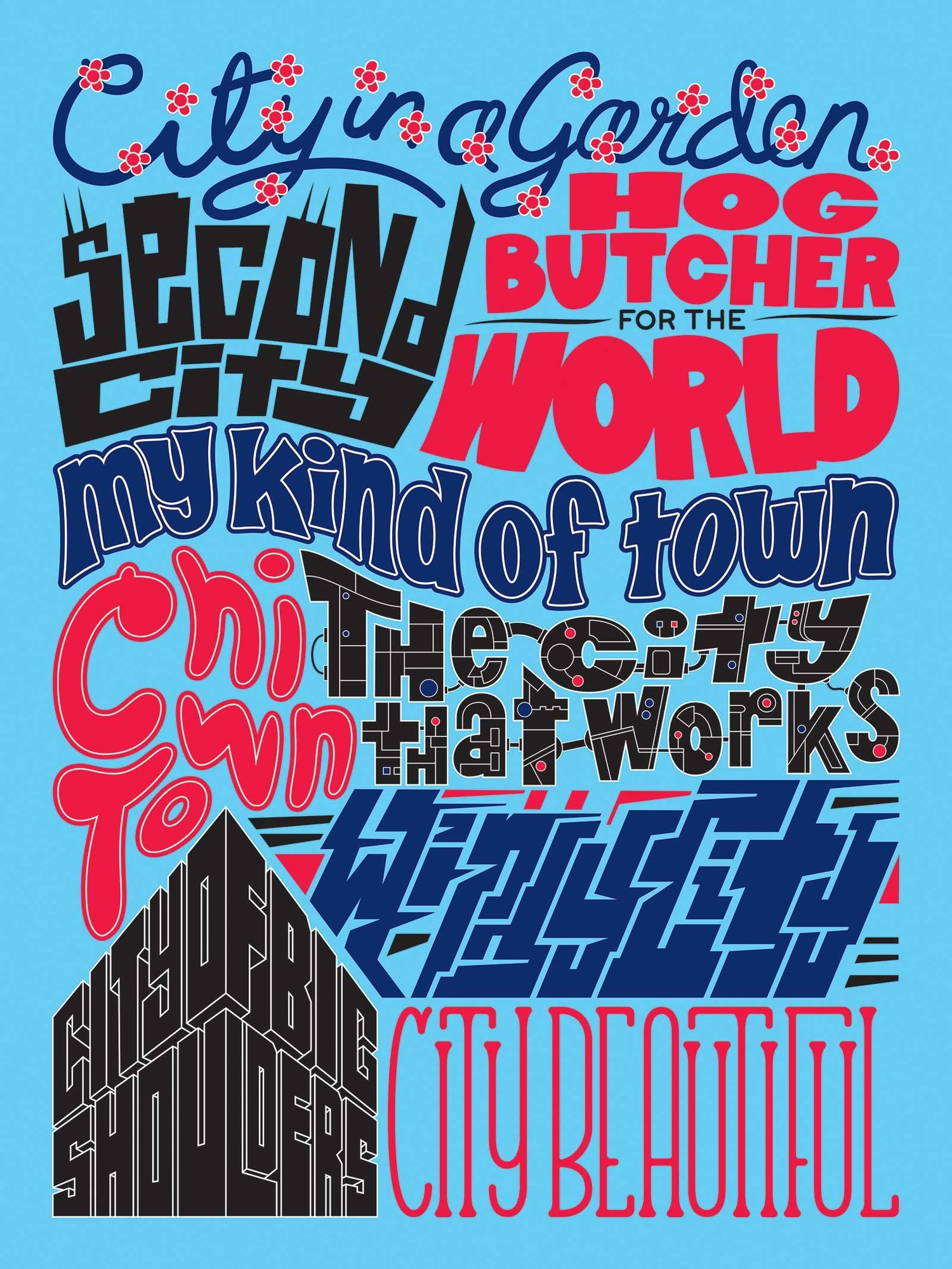
“The Second City”
Another prominent nickname for Chicago is “The Second City.” This appellation emerged from Chicago‘s demographic and economic trajectory, particularly in the late 19th and early 20th centuries. After the devastating Great Fire of 1871, Chicago experienced an unprecedented period of reconstruction and rapid growth, fueled by industrialization, immigration, and its strategic position as a transportation hub. The city’s population boomed, and its economic output surged, quickly establishing it as a major center of commerce and culture in the United States.
At the time, New York City was the undisputed largest and most influential city in the nation. As Chicago rapidly developed and began to rival New York in size, economic power, and cultural significance, it became known as “The Second City” – not as a term of inferiority, but as an acknowledgment of its burgeoning status as the nation’s second-largest and second-most important metropolis. This nickname speaks to Chicago‘s ambition, its relentless drive for progress, and its role as a critical player in the American narrative. Interestingly, “The Second City” has also been adopted by a famous improvisational comedy troupe based in Chicago, further cementing its place in the city’s cultural lexicon.
“The City of Big Shoulders”
Perhaps the most poetic and evocative nickname for Chicago is “The City of Big Shoulders.” This phrase originates from Carl Sandburg‘s powerful 1914 poem, “Chicago,” which vividly captures the raw energy, industrial might, and working-class grit of the city. Sandburg’s poem famously begins:
“Hog Butcher for the World,
Tool Maker, Stacker of Wheat,
The Player with Railroads and the Freight Handler too—
Steward of the Cornfields,
They tell me you have a bad name because you are Rude.”
The imagery of “big shoulders” conjures a sense of strength, resilience, and the capacity to bear heavy burdens – a fitting metaphor for a city built on the back of its laborers, its industries, and its unyielding spirit. It speaks to the city’s blue-collar roots, its industrial prowess, and the hardworking people who built it. The nickname celebrates Chicago‘s strength, its robustness, and its ability to persevere through challenges, much like a sturdy individual capable of carrying immense weight. It’s a nickname that resonates with the city’s unpretentious pride and its deep connection to the labor that forged its identity.
“The Hub of the Universe”
While less common today, “The Hub of the Universe” was a self-proclaimed nickname that Chicago adopted with considerable swagger during its periods of rapid growth and self-confidence, particularly in the late 19th and early 20th centuries. This audacious title reflected the city’s belief in its own burgeoning importance as a center for commerce, transportation, and innovation in the United States. As Chicago became a critical nexus for railroads, a major agricultural market, and a burgeoning industrial powerhouse, its citizens and boosters genuinely felt they were at the very center of American progress and activity. This nickname embodies the city’s historical ambition and its aspiration to be a globally significant metropolis, a true crossroads of opportunity and advancement. It speaks to a time when Chicago was not just a city, but a symbol of American dynamism and potential.

The Enduring Legacy of Chicago’s Nicknames
The collection of nicknames for Chicago is more than just a linguistic curiosity; it is a narrative of the city’s evolution. From the competitive boasts that birthed “The Windy City” to the industrial might captured by “The City of Big Shoulders,” each appellation tells a story. “The Second City” speaks to its relentless growth, while “The Hub of the Universe” reflects its historical confidence.
Together, these nicknames paint a portrait of a city that is dynamic, resilient, ambitious, and deeply proud of its heritage. They are a testament to Chicago‘s multifaceted identity – a place that is both profoundly down-to-earth and grand in its aspirations, a city that has always been at the forefront of American progress. When you hear these names, you are not just hearing labels; you are hearing echoes of Chicago‘s past, present, and its ongoing journey. They invite exploration, encouraging visitors to delve deeper into the stories and spirit that make Chicago a truly unique and enduring American icon. Whether you are drawn by the legendary winds, the industrial legacy, or the sheer energy of the metropolis, Chicago’s nicknames serve as an inviting prelude to the city’s rich experiences.
LifeOutOfTheBox is a participant in the Amazon Services LLC Associates Program, an affiliate advertising program designed to provide a means for sites to earn advertising fees by advertising and linking to Amazon.com. Amazon, the Amazon logo, AmazonSupply, and the AmazonSupply logo are trademarks of Amazon.com, Inc. or its affiliates. As an Amazon Associate we earn affiliate commissions from qualifying purchases.