
A Beacon of Remembrance in the Crescent City
The National WWII Museum in New Orleans, Louisiana, stands as a testament to the sacrifices and triumphs of the Second World War. While New Orleans might not be the first city that comes to mind when one thinks of the Pacific or European theaters of war, its profound connection to the conflict and the vision of its founders cemented its place as the home for this pivotal institution. The museum’s existence in the heart of the Crescent City is a story of dedication, foresight, and the enduring power of remembrance, aiming to educate future generations about one of humanity’s most defining historical events.

The Genesis of a Vision
The establishment of the National WWII Museum is intrinsically linked to the passion and determination of one man: Stephen Ambrose. A renowned historian and author, Ambrose was deeply moved by the stories of the “Greatest Generation,” those who served in the war and shaped the modern world. He recognized the urgent need to preserve their experiences and honor their legacy before these living witnesses passed into history.
Ambrose’s Inspiration
Ambrose envisioned a museum that would go beyond mere artifacts and documents; he desired a place that would immerse visitors in the lived realities of the war. He wanted to convey the human cost, the extraordinary courage, and the profound impact of World War II on global affairs. His vision was to create an experience that would evoke empathy and understanding, ensuring that the lessons of the war would never be forgotten.
The Founding Principles
From its inception, the museum was conceived with a commitment to narrative storytelling. This meant not just presenting facts and figures but weaving together personal accounts, multimedia presentations, and immersive exhibits to tell a comprehensive and compelling story of the war. The focus was to be on the individual experiences within the larger global conflict, highlighting the contributions of all Americans, from the front lines to the home front.
Why New Orleans?
The choice of New Orleans as the site for the National WWII Museum was not arbitrary. Several factors converged to make the Crescent City the ideal location for this monumental undertaking.
A Strong Foundation for a National Institution
The city of New Orleans offered a unique blend of historical significance, civic support, and infrastructural capacity. The passionate advocacy of local leaders and citizens, coupled with the city’s inherent cultural richness, created an environment conducive to housing a national museum of such importance. The Louisiana State Museum, for example, had already begun collecting materials related to World War II, indicating a pre-existing interest and commitment within the state.
The Strategic Importance of the Higgins Boat
One of the most compelling reasons for the museum’s location in New Orleans lies in its direct connection to a critical piece of World War II history: the Higgins boat. Andrew Higgins, a prolific inventor and industrialist, was based in New Orleans. His company developed and manufactured the Higgins boat (LCVP – Landing Craft, Vehicle, Personnel), a revolutionary vessel that played a pivotal role in amphibious assaults across both the European and Pacific theaters.
The Higgins Boat and Amphibious Warfare
The Higgins boat, with its shallow draft and ability to navigate into beaches, was instrumental in the success of major invasions, including the Normandy landings on D-Day. Thousands of these boats were built in New Orleans, directly linking the city to the logistical and tactical innovations that defined the war. Having the museum in New Orleans allows for a tangible and powerful connection to this specific, vital contribution to the Allied victory. The museum features a restored Higgins boat, offering visitors a direct encounter with this significant piece of military history.
A Hub for Maritime Heritage
New Orleans has a long and storied relationship with the sea and waterways, a heritage that aligns well with a museum dedicated to a global conflict that was, in large part, a naval and amphibious war. The city’s port history, its proximity to the Mississippi River, and its identity as a gateway to the Gulf of Mexico provide a fitting backdrop for understanding the maritime dimensions of World War II.
An Immersive Educational Experience
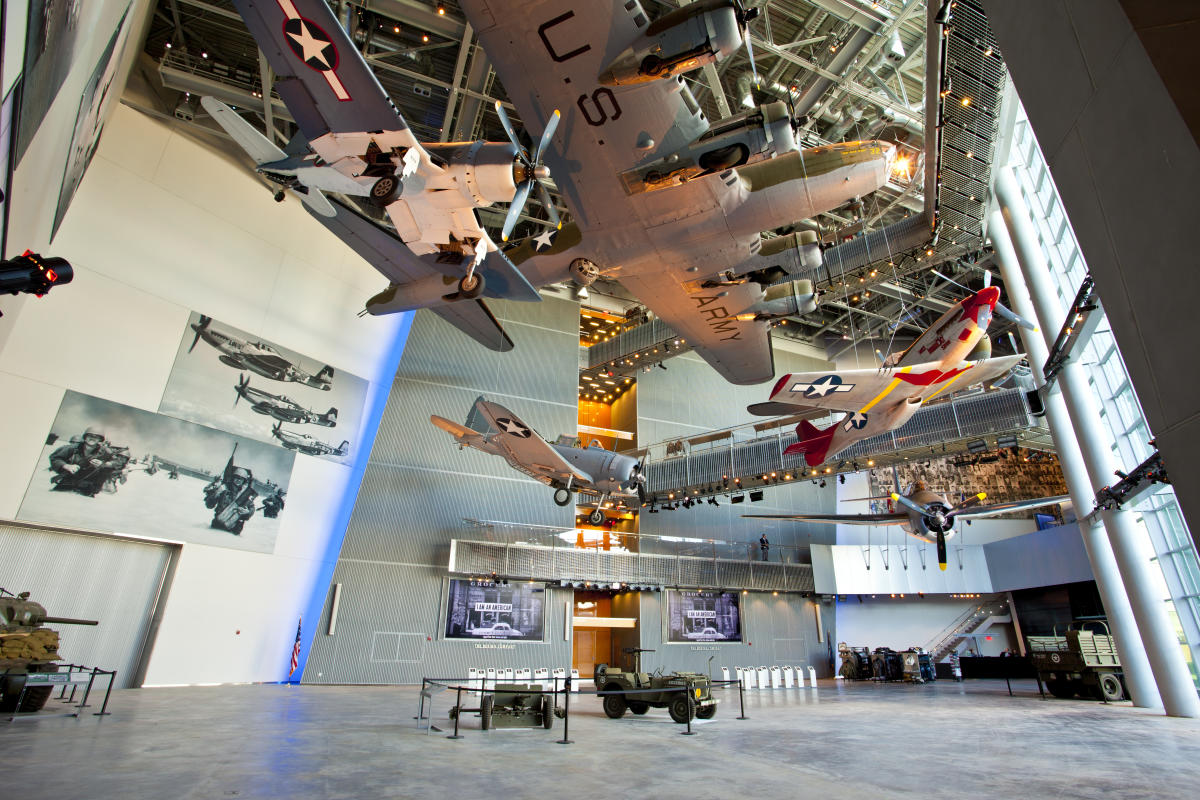
The National WWII Museum has evolved significantly since its opening, transforming into a world-class institution dedicated to comprehensive historical education. Its exhibits are designed to be deeply engaging, offering visitors a profound understanding of the war’s complexities and its human impact.
Diverse Exhibitions
The museum’s expansive campus is home to a variety of pavilions, each focusing on different aspects of the war. From the European and Pacific Theaters to the crucial role of the home front and the development of the atomic bomb, the exhibits provide a multifaceted view of the conflict.
The Campaigns of Courage
Dedicated pavilions like the “Campaigns of Courage: Europe” and “Campaigns of Courage: Pacific” immerse visitors in the realities of combat. These exhibits utilize artifacts, oral histories, and interactive displays to convey the bravery, the struggles, and the immense cost of these pivotal campaigns. Visitors can walk through recreated environments, hear the stories of soldiers and civilians, and gain a visceral understanding of the challenges faced by those who fought.
The Road to Victory
Other areas, such as “The Road to Tokyo” and “The Road to Berlin,” trace the strategic movements and major battles that led to the eventual Allied victory. These sections highlight the logistical prowess, the technological advancements, and the sheer determination that characterized the Allied war effort.
The Evacuating and Interrogation of Japanese Americans
A particularly poignant exhibit, “The Prange L. Collection,” delves into the experiences of Japanese Americans during the war, including their forced internment and the complex issues surrounding their evacuation and interrogation. This highlights the museum’s commitment to exploring the full spectrum of the American experience during World War II, including its more difficult and uncomfortable truths.
Multimedia and Oral Histories
A hallmark of the National WWII Museum is its extensive use of multimedia and its dedication to preserving oral histories. The museum has collected thousands of first-hand accounts from veterans and civilians who lived through the war, weaving their voices into the fabric of the exhibits. This ensures that the personal stories of courage, loss, and resilience are at the forefront of the visitor experience.
The Bollinger Digital History and Oral History Center
The Bollinger Digital History and Oral History Center is central to this effort. It serves as a repository for an unparalleled collection of interviews, letters, diaries, and photographs, allowing the museum to continuously enrich its narrative and provide future generations with authentic voices from the past.
A Lasting Legacy
The National WWII Museum in New Orleans is more than just a collection of artifacts; it is a dynamic center for learning, remembrance, and reflection. Its presence in the Crescent City underscores the interconnectedness of history, innovation, and national identity.
Promoting Patriotism and Civic Engagement
By sharing the stories of those who served and sacrificed, the museum fosters a sense of patriotism and encourages civic engagement among its visitors. It highlights the enduring values of freedom, democracy, and sacrifice, reminding us of the responsibilities that come with citizenship.
A Global Perspective
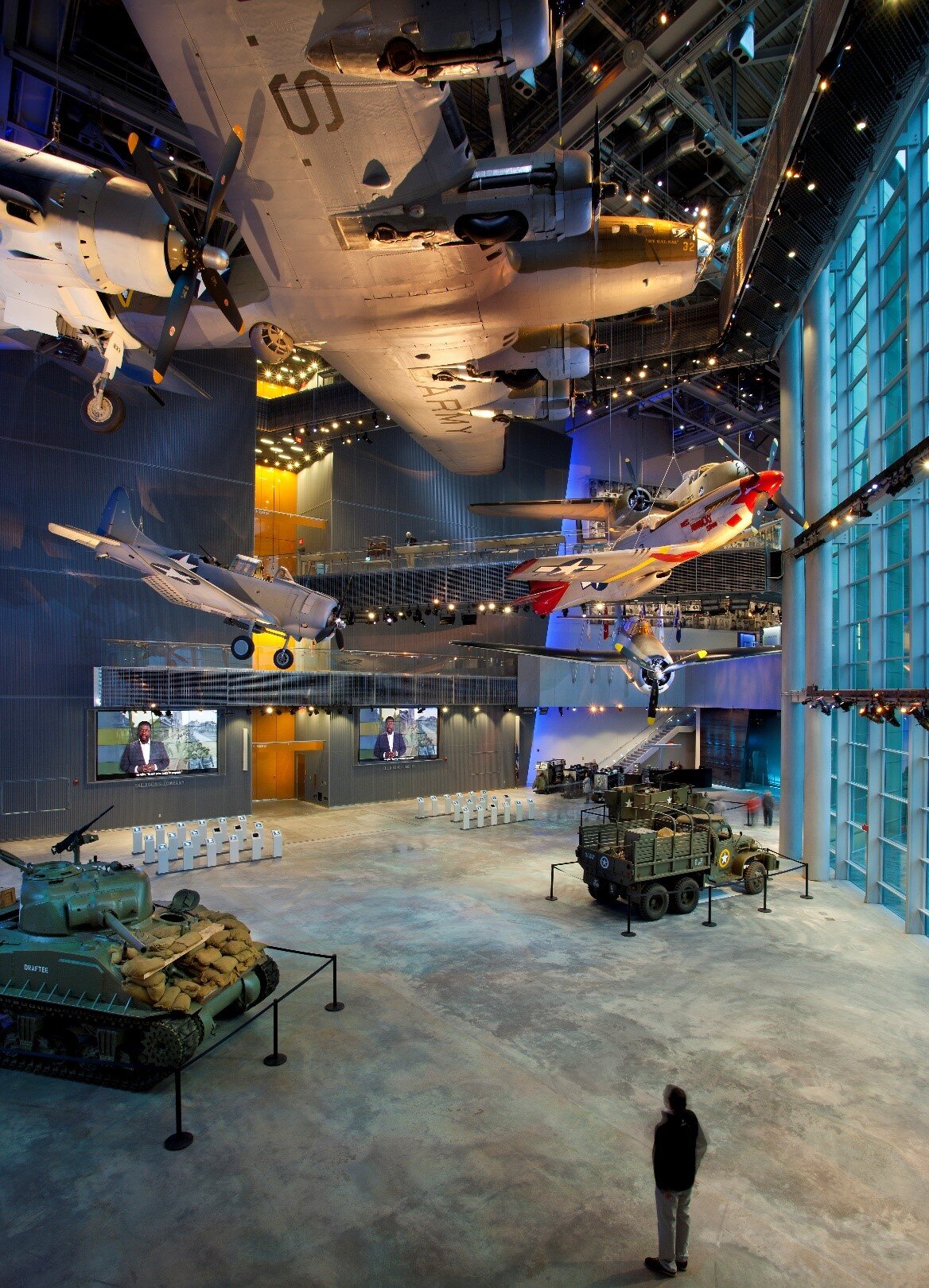
While focusing on the American experience, the museum also endeavors to provide a global perspective on World War II, acknowledging the contributions and sufferings of peoples across the world. This comprehensive approach ensures that the lessons of the war are understood in their full international context.
The National WWII Museum in New Orleans serves as a vital beacon, illuminating one of the most consequential periods in modern history. Its location, rooted in tangible historical connections like the Higgins boat and bolstered by a passionate vision for remembrance, makes it an indispensable destination for anyone seeking to understand the profound impact of World War II and the enduring strength of the human spirit.
LifeOutOfTheBox is a participant in the Amazon Services LLC Associates Program, an affiliate advertising program designed to provide a means for sites to earn advertising fees by advertising and linking to Amazon.com. Amazon, the Amazon logo, AmazonSupply, and the AmazonSupply logo are trademarks of Amazon.com, Inc. or its affiliates. As an Amazon Associate we earn affiliate commissions from qualifying purchases.