
Understanding the current temperature in Chicago is more than just a fleeting piece of information; it’s a crucial element for anyone planning a visit, engaging in local activities, or simply trying to make the most of their day in the Windy City. Whether you’re an intrepid traveler charting a course to explore its renowned architecture and vibrant cultural scene, a business professional attending a conference, or a local resident optimizing their daily schedule, the prevailing weather conditions significantly influence your experience. This guide delves into how to ascertain the current temperature and its implications for enjoying the diverse offerings of Chicago.

Navigating Chicago’s Climate: Factors Influencing Temperature
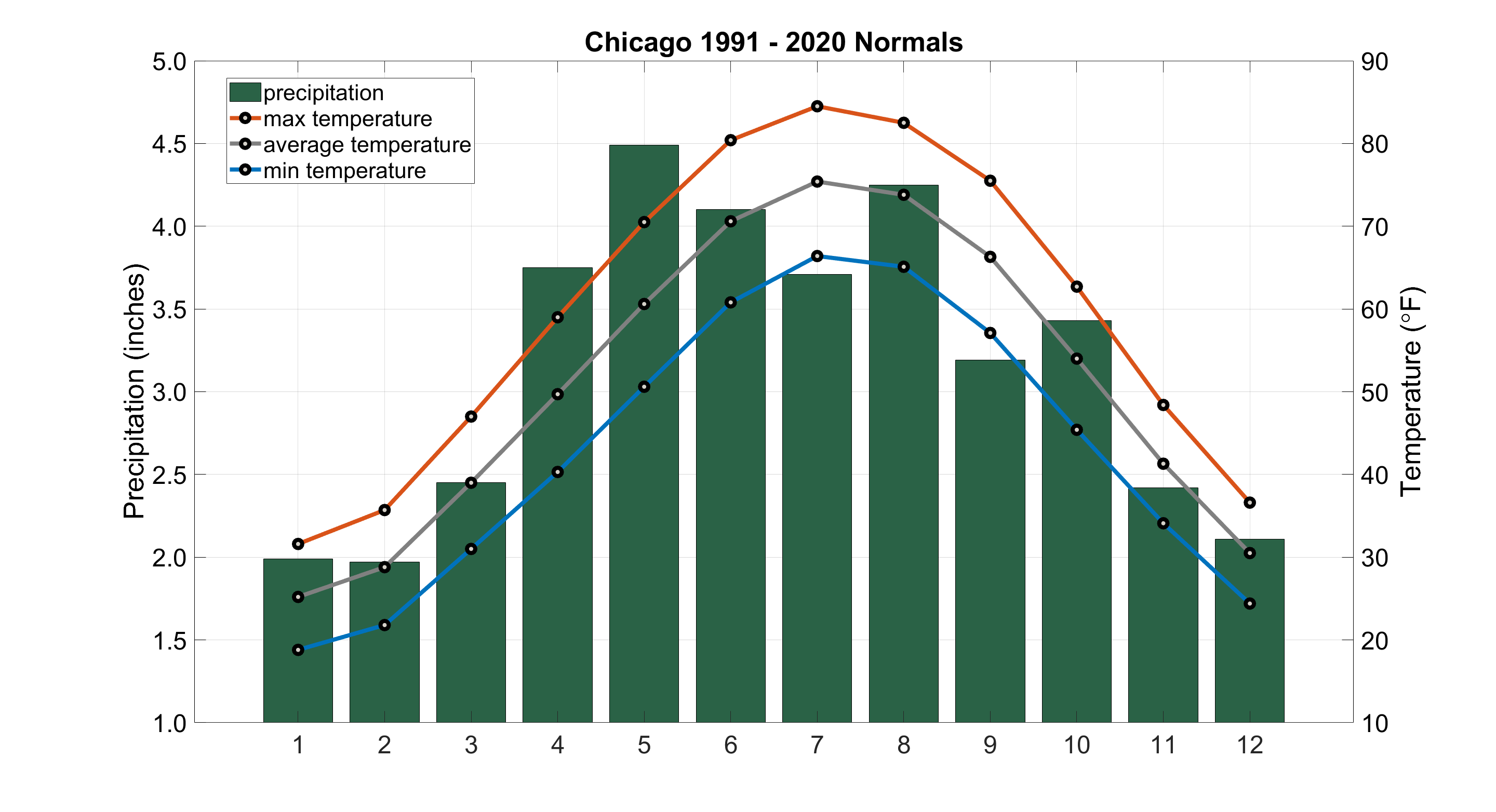
Chicago’s climate is characterized by distinct seasons, each bringing its own set of temperature variations and weather patterns. Situated on the southwestern shore of Lake Michigan, the city experiences continental weather, marked by warm, humid summers and cold, snowy winters. The proximity to the lake plays a vital role, moderating temperatures to some extent but also contributing to lake-effect snow and a chilling breeze, especially during the colder months.
Seasonal Temperature Ranges
-
Summer (June – August): Temperatures in Chicago during the summer can be quite warm, with average daily highs often reaching the mid-80s Fahrenheit (around 29-30°C). However, heatwaves can push temperatures into the 90s (above 32°C) and occasionally even the triple digits, accompanied by high humidity that can make it feel even hotter. Nights typically offer some relief, cooling down into the 60s and 70s Fahrenheit (15-25°C).
-
Autumn (September – November): Fall in Chicago is renowned for its beauty, with temperatures gradually dropping from pleasant to crisp. September often retains summer warmth, while October brings cooler air, with average highs in the 50s and 60s Fahrenheit (10-20°C). By November, temperatures can dip into the 30s and 40s Fahrenheit (0-10°C), with the first significant frosts and potential for early snowfalls.
-
Winter (December – February): Winters are undeniably cold. Average daily temperatures hover in the 20s Fahrenheit (-6 to -1°C), but prolonged cold snaps can send temperatures plummeting well below zero, often with wind chills making it feel significantly colder. Snowfall is common, and accumulation can vary widely from year to year.
-
Spring (March – May): Spring in Chicago is a period of transition, often marked by unpredictable weather. Early spring can still feel like winter, with lingering cold and snow. As the season progresses, temperatures gradually climb, with average highs moving from the 40s Fahrenheit (4-9°C) in March to the 60s Fahrenheit (15-20°C) in May. There can be significant fluctuations, with warm days followed by sudden cold fronts.
The Influence of Lake Michigan
The vast expanse of Lake Michigan exerts a considerable influence on Chicago’s microclimate. In summer, the lake provides a cooling effect, especially along the lakefront, offering a welcome respite from inland heat. Conversely, in autumn and winter, the lake can be a source of moisture, contributing to fog and lake-effect snow, particularly downwind of the city. The “lake breeze” effect can also lead to temperature differences between the lakefront and more inland neighborhoods.
Accessing Real-Time Temperature Data for Chicago
In today’s connected world, obtaining the current temperature in Chicago is remarkably straightforward, thanks to a plethora of readily available resources. Whether you prefer a quick glance at your smartphone or a more detailed meteorological report, there are several effective methods.
Digital Weather Applications and Websites
Most modern smartphones come equipped with built-in weather applications that provide hyper-local forecasts and real-time temperature readings. Simply opening the app and allowing it to access your location, or manually searching for Chicago, will yield immediate results. These applications often display not only the current temperature but also the “feels like” temperature, humidity levels, wind speed and direction, and the forecast for the upcoming hours and days.
Beyond pre-installed apps, numerous reputable weather websites offer comprehensive and up-to-the-minute weather information. These include services like the National Weather Service, AccuWeather, The Weather Channel, and many others. A quick search for “Chicago weather” on any major search engine will bring up these resources, often displaying the current temperature prominently at the top of the search results page.
Smart Home Devices and Voice Assistants
For those who prefer hands-free access to information, smart home devices and voice assistants are excellent tools. Devices like Amazon Echo (powered by Alexa) or Google Home can provide the current temperature in Chicago with a simple voice command. For example, asking, “Hey Google, what’s the temperature in Chicago?” or “Alexa, tell me the current weather in Chicago” will instantly deliver the information you need.
Local News and Broadcasts
Traditional media outlets also remain a reliable source for weather information. Local Chicago television stations and radio broadcasts provide regular weather updates, often featuring detailed segments on current conditions and forecasts. This can be particularly useful for understanding how the weather might impact daily commutes, outdoor events, or other local activities.
Planning Your Chicago Experience Based on Temperature
Knowing the current temperature in Chicago is not just about satisfying curiosity; it’s a strategic tool for optimizing your visit and ensuring a comfortable and enjoyable experience. The weather dictates everything from the clothing you should pack to the types of activities that are most feasible and enjoyable.
Dressing Appropriately for Chicago’s Weather
-
Cold Weather (Winter & Late Fall/Early Spring): When temperatures are frigid, layering is key. Start with a moisture-wicking base layer, followed by an insulating layer (like fleece or down), and top it off with a waterproof and windproof outer shell. Essential accessories include a warm hat that covers your ears, gloves or mittens, a scarf or neck gaiter, and insulated, waterproof boots. Even during milder cold days, a good jacket, a sweater, and comfortable closed-toe shoes are advisable.
-
Moderate Weather (Spring & Fall): During the transitional seasons, be prepared for temperature swings. Pack lightweight layers such as t-shirts, long-sleeved shirts, and sweaters. A medium-weight jacket or a windbreaker is usually sufficient. Comfortable walking shoes are a must, as you’ll likely be doing a lot of exploring. Don’t forget an umbrella or a light rain jacket, as spring and fall can bring unexpected showers.
-
Warm Weather (Summer): Light, breathable clothing is ideal for Chicago’s summer heat. Think cotton t-shirts, shorts, and lightweight dresses or skirts. Sunscreen, sunglasses, and a hat are essential to protect yourself from the sun, especially when spending time outdoors. Comfortable sandals or walking shoes are perfect for warmer days. Evenings can sometimes be cooler, especially near the lake, so a light jacket or cardigan is a good idea to have on hand.
Activity Selection Based on Temperature
The prevailing temperature and weather conditions can significantly influence the types of activities that are most enjoyable in Chicago.
-
When it’s warm and sunny: These are ideal days for exploring the many parks and public spaces. A stroll through Millennium Park to see the iconic Cloud Gate sculpture, a walk along the lakefront trail, or a boat tour on the Chicago River are perfect choices. Outdoor festivals and markets are also common during warmer months. Consider visiting attractions like the Lincoln Park Zoo or enjoying a baseball game at Wrigley Field.
-
When it’s cool and crisp: Autumn is fantastic for architectural boat tours, where the cooler air makes for a pleasant experience while admiring the city’s stunning buildings. It’s also a great time for exploring neighborhoods on foot, perhaps stopping in at cozy cafes or browsing shops. Many museums and indoor attractions are perfect for these days.
-
When it’s cold or snowy: Winter in Chicago offers unique opportunities. Ice skating at outdoor rinks, visiting world-class museums like the Art Institute of Chicago or the Field Museum, or enjoying a Broadway show in the Theater District are excellent ways to stay warm and entertained. The city’s vibrant culinary scene, with its abundance of restaurants and bars, also provides a cozy escape from the cold. Don’t forget to experience the holiday lights and decorations that adorn the city during the festive season.
-
When it’s rainy: Rainy days are an excellent excuse to immerse yourself in Chicago’s rich indoor cultural offerings. Explore the Museum Campus, spend an afternoon at the Shedd Aquarium, or delve into the history at the Adler Planetarium. The city also boasts numerous art galleries, bookshops, and indoor markets that are perfect for a leisurely rainy day.
Beyond the Numbers: Understanding the “Feels Like” Temperature
While the reported temperature provides a baseline, the “feels like” temperature is often a more accurate reflection of how hot or cold you will actually feel. This calculation takes into account other atmospheric conditions that can significantly alter your perception of the temperature.
Humidity’s Role
In the summer months, high humidity can make hot temperatures feel much more oppressive. When the air is saturated with moisture, your body’s natural cooling mechanism—sweat evaporation—becomes less efficient. This leads to a feeling of being sticky and overheated, even if the thermometer reads a moderately high temperature. Conversely, in winter, high humidity can exacerbate the feeling of cold, making biting winds feel even more penetrating.
Wind Chill Factor
The wind chill factor is particularly relevant during Chicago’s colder months. Wind can strip away the layer of warm air that surrounds your body, causing heat to dissipate more rapidly. This means that on a day with a reported temperature of 20°F (-7°C) but a strong wind, the “feels like” temperature could drop to 0°F (-18°C) or even lower, significantly increasing the risk of cold-related injuries like frostbite. Always pay attention to the wind chill when venturing outdoors in winter.

Heat Index
In the summer, the heat index combines temperature and humidity to provide a more accurate measure of how hot it feels. A high heat index indicates a greater risk of heat-related illnesses, such as heat exhaustion and heatstroke. When the heat index is high, it’s advisable to limit strenuous outdoor activity, stay hydrated, and seek out air-conditioned environments.
By understanding both the reported temperature and the factors that influence the “feels like” temperature, visitors and residents alike can better prepare for Chicago’s diverse weather and make informed decisions about their daily activities, ensuring a safe and enjoyable experience in this dynamic metropolis.
LifeOutOfTheBox is a participant in the Amazon Services LLC Associates Program, an affiliate advertising program designed to provide a means for sites to earn advertising fees by advertising and linking to Amazon.com. Amazon, the Amazon logo, AmazonSupply, and the AmazonSupply logo are trademarks of Amazon.com, Inc. or its affiliates. As an Amazon Associate we earn affiliate commissions from qualifying purchases.