
While the bustling metropolis of Chicago is renowned for its architectural marvels, vibrant arts scene, and deep-dish pizza, it also plays a significant, albeit often unseen, role in the digital infrastructure of the Midwest. Beneath the surface of its urban landscape lies a network of highly sophisticated facilities that power our connected world. When considering the “biggest” data center, we’re not just talking about physical footprint but also about capacity, connectivity, and the sheer volume of data it processes and stores.
Defining “Biggest” in the Data Center Landscape
The term “biggest” can be interpreted in several ways when applied to data centers. It’s not a single, universally agreed-upon metric, and often, definitive figures are kept confidential for security and competitive reasons. However, we can break down “biggest” into key components:
Physical Size and Infrastructure
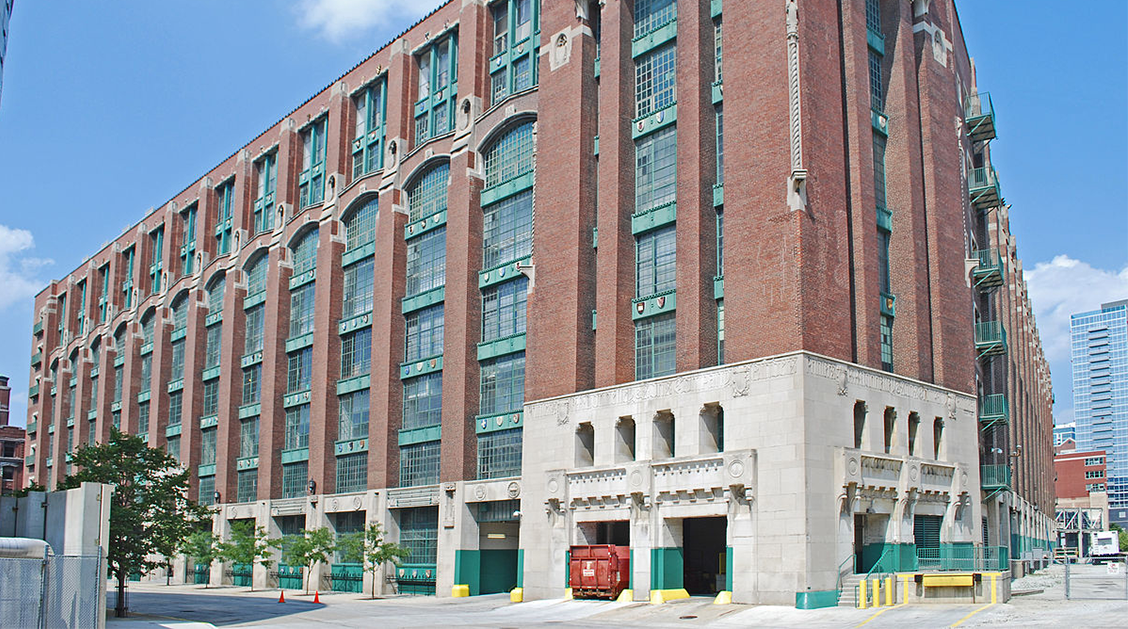
This is the most straightforward interpretation. A larger physical footprint often translates to more space for servers, cooling systems, power distribution, and network equipment. Data centers are purpose-built structures designed for optimal airflow, security, and resilience. They typically feature:
- Server Halls: Large, open spaces filled with racks of servers, switches, and storage devices. The sheer number of these halls or the square footage dedicated to them is a strong indicator of size.
- Power Infrastructure: Extensive electrical rooms housing transformers, generators, and Uninterruptible Power Supplies (UPS) to ensure continuous operation even during power outages. The capacity of this power infrastructure is a critical factor.
- Cooling Systems: Sophisticated systems, including chillers, cooling towers, and in-row cooling units, are essential to dissipate the immense heat generated by IT equipment. The scale of these systems directly correlates with the data center’s processing capacity.
- Security: Multi-layered security measures, including physical barriers, surveillance, access controls, and on-site security personnel, are standard.
Capacity and Scalability
Beyond physical dimensions, “biggest” can refer to the processing power and storage capacity a data center offers. This is measured in terms of:
- IT Load: The total power consumed by the IT equipment within the facility, often measured in megawatts (MW). A higher IT load signifies greater processing and storage capabilities.
- Rack Density: The number of servers and storage devices that can be housed within a single rack. Higher density means more computing power in a smaller space.
- Scalability: The ability of the data center to easily expand its capacity to meet growing demand. Facilities designed for modular expansion can effectively become “bigger” over time.
Connectivity and Network Access
A data center’s value is intrinsically linked to its ability to connect to the outside world. “Biggest” can also imply:
- Network Points of Presence (PoPs): The number of telecommunications carriers and internet service providers (ISPs) that have direct connections to the data center. More PoPs mean greater redundancy and access to a wider range of networks.
- Bandwidth: The total capacity of data that can be transmitted to and from the data center. High bandwidth is crucial for high-performance computing, cloud services, and large data transfers.
- Fiber Optic Infrastructure: The density and diversity of fiber optic cables entering and exiting the facility, connecting it to major internet backbones.
Leading Data Center Contenders in Chicago
Identifying the single “biggest” data center in Chicago is challenging due to proprietary information. However, several prominent players operate significant facilities in the metropolitan area, contributing substantially to the region’s digital capacity. These entities often operate multiple locations, further complicating a singular designation.
Digital Realty
Digital Realty is a global leader in data center solutions, and its presence in the Chicago area is substantial. They operate numerous facilities designed to meet the needs of enterprise clients and cloud providers. Their approach often emphasizes connectivity, with many of their sites strategically located near major network hubs, allowing for seamless access to a wide array of telecommunications services. Their facilities are known for their robust power and cooling infrastructure, designed to support high-density computing environments. While they may not advertise a single “biggest” facility, their aggregate footprint and capacity in the region are significant.
CyrusOne
CyrusOne is another major provider with a strong presence in the Chicago market. They specialize in high-density, mission-critical data center solutions. Their facilities are designed for scalability and efficiency, often catering to hyperscale cloud providers and large enterprises. CyrusOne‘s commitment to sustainability and advanced cooling technologies also positions them as a forward-thinking operator. Like Digital Realty, their impact on the Chicago digital landscape is a result of their multiple, high-capacity facilities.
QTS Data Centers
QTS Data Centers operates large-scale data center campuses designed for hyperscale deployments and enterprise colocation. Their facilities are characterized by extensive power and cooling capabilities, along with a focus on security and compliance. In the Chicago region, QTS has invested in significant infrastructure that supports the growing demand for cloud computing and data-intensive applications. Their approach to building massive, interconnected campuses allows them to offer considerable capacity and flexibility to their clients.
Other Key Players and Emerging Trends
Beyond these major providers, numerous other companies operate significant data center infrastructure in and around Chicago, including Equinix, CoreSite, and local operators. The Chicago metropolitan area’s strategic location, robust transportation networks, and access to diverse power grids make it an attractive hub for data center development.
Emerging trends also influence what constitutes “biggest.” The rise of edge computing, for instance, is leading to a proliferation of smaller, more distributed data centers closer to end-users. While not individually “biggest,” their collective impact on data processing and latency reduction is substantial. Furthermore, advancements in artificial intelligence (AI) and machine learning (ML) are driving demand for specialized hardware and extreme processing power, requiring data centers to be more powerful and efficient than ever before. This push towards higher densities and more sophisticated cooling solutions means that even existing facilities can become “bigger” in terms of capability without necessarily expanding their physical footprint.
Factors Driving Data Center Growth in Chicago
Several key factors contribute to Chicago’s prominence as a data center market, influencing the scale and number of facilities:
Strategic Geographic Location
Chicago serves as a critical junction for data traffic across North America. Its central location allows for efficient connectivity between the East and West coasts, as well as to Canada. This makes it an ideal point for data aggregation, routing, and distribution.
Robust Connectivity and Network Infrastructure
The city boasts an extensive fiber optic network, with numerous terrestrial and sub-sea cable routes converging in the region. This deep connectivity is essential for data centers that require high-speed, low-latency access to global networks and other data centers. The presence of major internet exchange points (IXPs) further enhances its connectivity advantage.
Availability of Power and Cooling Resources
Operating a data center is incredibly power-intensive. Chicago benefits from a reliable and diverse energy grid, with access to multiple power sources. The availability of competitively priced electricity is a significant factor for the economic viability of large-scale data center operations. Furthermore, access to water for cooling systems is also a consideration, and the proximity to Lake Michigan provides a valuable resource.
Skilled Workforce and Business Environment
The Chicago metropolitan area has a deep pool of skilled labor, including IT professionals, engineers, and technicians necessary to build and operate complex data center facilities. The business-friendly environment, coupled with state and local incentives for technology investment, further encourages the development of these critical infrastructure assets.
Demand from Enterprises and Cloud Providers
The growing adoption of cloud computing by businesses of all sizes, along with the expansion of hyperscale cloud providers like Amazon Web Services, Microsoft Azure, and Google Cloud, drives significant demand for data center capacity. Chicago’s market is well-positioned to meet this demand, attracting significant investment from these major players.

Conclusion: A Hub of Digital Power
While pinpointing the single “biggest” data center in Chicago remains elusive due to the nature of the industry, it is clear that the city hosts a formidable concentration of digital infrastructure. Leading providers like Digital Realty, CyrusOne, and QTS Data Centers operate facilities that are vast in terms of physical size, processing capacity, and network connectivity. These data centers are the unseen engines that power our digital lives, supporting everything from e-commerce and social media to financial transactions and scientific research. Chicago’s strategic advantages—its location, connectivity, power resources, and skilled workforce—ensure its continued role as a vital hub for data processing and storage in the United States and beyond. The landscape is dynamic, with ongoing investments and technological advancements constantly redefining what “biggest” means in this critical sector of the economy.
LifeOutOfTheBox is a participant in the Amazon Services LLC Associates Program, an affiliate advertising program designed to provide a means for sites to earn advertising fees by advertising and linking to Amazon.com. Amazon, the Amazon logo, AmazonSupply, and the AmazonSupply logo are trademarks of Amazon.com, Inc. or its affiliates. As an Amazon Associate we earn affiliate commissions from qualifying purchases.