
The allure of the Sierra Nevada mountains, with their pristine alpine lakes and year-round recreational opportunities, beckons many a traveler from the bustling metropolis of San Francisco. Lake Tahoe, a jewel nestled amidst these majestic peaks, is a perennial favorite for weekend getaways and extended vacations alike. Understanding the distance and travel time between these two iconic California locales is the first step in planning an unforgettable journey. This guide will delve into the various routes, travel considerations, and the estimated distances, empowering you to embark on your adventure with confidence.

Navigating the Route: The Primary Path
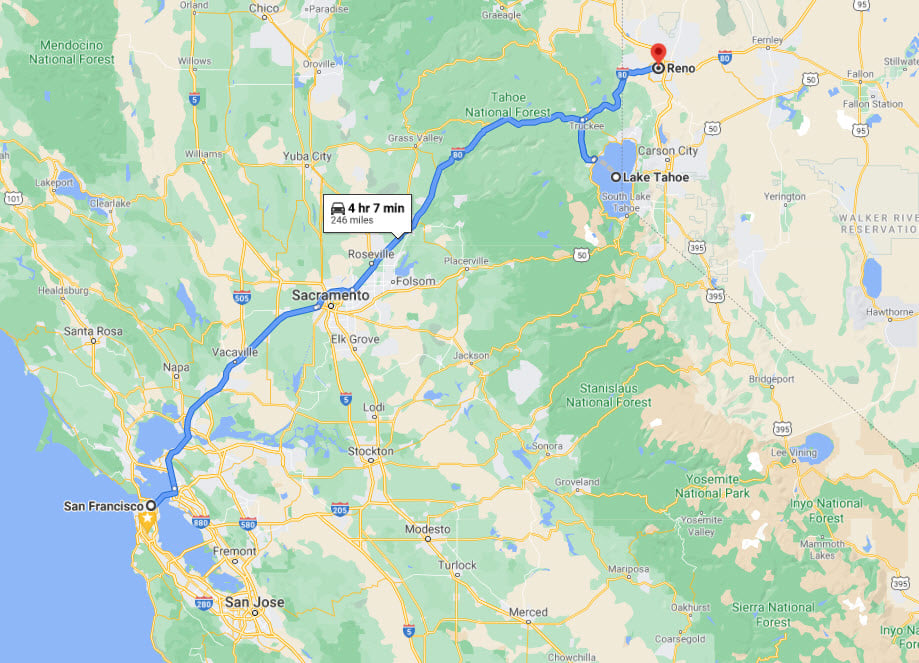
The most common and direct route from San Francisco to Lake Tahoe predominantly utilizes Interstate 80 (I-80) eastbound. This well-maintained freeway offers a relatively straightforward and scenic drive, particularly as you ascend into the mountain range.
I-80 Eastbound: The Direct Approach
The journey typically begins by heading east out of San Francisco across the San Francisco–Oakland Bay Bridge (or through alternative routes avoiding the immediate bridge traffic, depending on originating point and traffic conditions). Once on the East Bay side, you will merge onto I-80 East.
Key Milestones and Distances:
- San Francisco to Sacramento: Approximately 85 miles. This initial stretch takes you through the Central Valley, a flatter and often warmer region. Average driving time can range from 1.5 to 2 hours, heavily influenced by rush hour traffic leaving the Bay Area.
- Sacramento to Auburn: Approximately 30 miles. As you move east from Sacramento, the terrain begins to change, with rolling hills marking the transition to the foothills of the Sierra Nevada.
- Auburn to Truckee: Approximately 60 miles. This segment represents the heart of the ascent. I-80 East winds through the mountains, offering increasingly dramatic views. This is where winter weather can significantly impact travel times, with potential for chain requirements and slower speeds.
- Truckee to North Lake Tahoe (e.g., Tahoe City): Approximately 15-20 miles. From Truckee, local roads lead you to the various communities encircling the lake.
Total Distance and Estimated Driving Time:
The total distance from San Francisco to the northern shores of Lake Tahoe, such as Tahoe City or Kings Beach, is approximately 175-190 miles.
The estimated driving time, under optimal conditions with minimal traffic and no weather delays, is typically between 3.5 to 4.5 hours. However, it is crucial to factor in potential delays:
- Bay Area Traffic: Morning and evening commutes can add substantial time to the initial part of the journey.
- Weekend Travel: Fridays and Sundays often experience higher traffic volumes as people head to and from their Tahoe destinations.
- Seasonal Weather: Winter brings the most significant variability. Snowstorms can lead to road closures, require tire chains, and dramatically slow down travel. Checking road conditions through Caltrans is essential during winter months.
- Construction and Accidents: Unforeseen circumstances can also impact travel times.
Alternative Routes: Scenic Detours and Specific Destinations
While I-80 is the most direct, other routes exist, often chosen for their scenic appeal or to reach specific areas of Lake Tahoe not directly accessible from the main freeway.
Highway 50 Eastbound: The Southern Approach
For those heading to the south shore of Lake Tahoe, particularly areas like South Lake Tahoe or Stateline, taking Highway 50 East from Sacramento is a viable alternative.
- San Francisco to Sacramento: Similar to the I-80 route, the initial leg involves reaching Sacramento.
- Sacramento to Placerville: Approximately 50 miles. This stretch begins the ascent through the Sierra foothills, passing through historic Gold Rush towns.
- Placerville to South Lake Tahoe: Approximately 60 miles. Highway 50 continues to climb, offering beautiful mountain vistas and passing through areas like Kyburz and Pollock Pines. This route can also be subject to winter weather delays.
Total Distance and Estimated Driving Time:
The distance to South Lake Tahoe via Highway 50 is roughly 190-200 miles. The driving time is comparable to the I-80 route, around 4 to 5 hours, again, heavily dependent on traffic and weather.
Factors Influencing Travel Time
Beyond the sheer mileage, several dynamic factors can significantly influence how long it takes to get from San Francisco to Lake Tahoe. Being aware of these can help you optimize your travel plans.

Traffic Patterns
The most significant variable for most travelers is traffic. Leaving the San Francisco Bay Area during peak commute hours (typically 7-10 AM and 3-7 PM on weekdays) can easily add an hour or more to your journey. Similarly, returning to the Bay Area on a Sunday evening can involve substantial delays. Weekend travel, especially during holiday weekends or popular ski seasons, will see heavier volumes on both I-80 and Highway 50.
Seasonal Considerations and Weather
Lake Tahoe is a year-round destination, but its weather profoundly impacts travel.
- Winter (November – April): This is the most challenging season for driving. Snowfall can be heavy, leading to reduced visibility, slippery roads, and the mandatory use of tire chains on I-80 and Highway 50 at various points. Caltrans regularly updates road conditions and closures via their website and social media. It is imperative to check these before departing and during your trip. Driving times can extend significantly, sometimes doubling, during major snow events.
- Spring (May – June): Snowmelt can lead to high water levels in rivers and streams, but road conditions are generally good. Expect pleasant driving weather.
- Summer (July – September): This is peak tourist season, with warm and sunny weather. While traffic can be heavier due to vacationers, it is generally less disruptive than winter weather delays. Roads are clear and dry.
- Autumn (October): The fall colors can be spectacular, and the weather is often crisp and clear. This can be an ideal time to travel, with fewer crowds than summer. However, early-season snow is possible, especially at higher elevations.
Road Conditions and Maintenance
Both I-80 and Highway 50 are major arteries, but they can be subject to road work, especially during the warmer months. Lane closures or detours for maintenance or construction can add minor delays. It’s always wise to check Caltrans for any reported work affecting your route.
Vehicle Type and Preparedness
The type of vehicle you drive can also play a role, particularly in winter. While most modern sedans can handle the drive, an all-wheel-drive or four-wheel-drive vehicle, especially with appropriate tires, will offer greater peace of mind and safety during snowy conditions. Ensuring your vehicle is in good working order, with checked tire pressure, fluids, and brakes, is always recommended for mountain driving. For winter travel, carrying tire chains and knowing how to install them is a critical safety measure.
Optimizing Your Trip to Lake Tahoe
Beyond simply knowing the distance, planning a successful trip from San Francisco to Lake Tahoe involves strategic considerations that enhance the experience.
Timing Your Departure
To minimize traffic delays, consider departing San Francisco very early in the morning (before 6 AM) or later in the morning (after 10 AM) if heading east. Conversely, for your return, leaving Lake Tahoe mid-morning on a weekday or very early on a weekend morning can help you avoid the worst of the inbound Bay Area traffic.
Choosing Your Destination within Lake Tahoe
Lake Tahoe is not a single point but a vast, stunning lake surrounded by numerous towns and communities, each offering a unique atmosphere and access to different activities. Your specific destination within the Tahoe basin can slightly alter the final leg of your journey.
- North Lake Tahoe: Communities like Tahoe City, Carnelian Bay, Kings Beach, and Incline Village are generally accessed via I-80 to Truckee and then local roads, or by taking Highway 267 from I-80. These areas are known for Palisades Tahoe (formerly Squaw Valley and Alpine Meadows), Northstar California Resort, and a more laid-back, family-friendly vibe.
- South Lake Tahoe: This bustling area, including Stateline in Nevada, is accessed via Highway 50. It’s home to large resorts like Heavenly Mountain Resort, casinos, and a vibrant nightlife.
- West Shore: Areas like Homewood and Meeks Bay offer quieter, more rustic experiences and are accessible via Highway 89, which hugs the western edge of the lake.
Planning for Stops
The drive, while beautiful, is long enough to warrant stops. Consider incorporating breaks for:
- Food and Restrooms: Towns along I-80 and Highway 50, such as Auburn, Colfax, Placerville, and Truckee, offer various dining and rest stop options.
- Scenic Overlooks: As you gain elevation, pull over at designated viewpoints to admire the expanding panoramas of the Sierra Nevada.
- Short Hikes or Exploration: For a longer trip, consider a brief stop in a Gold Rush town or a short nature walk to stretch your legs and enjoy the mountain air.
Utilizing Navigation Tools
Modern navigation apps are indispensable for planning and executing your drive. Apps like Google Maps, Waze, or Apple Maps can provide real-time traffic updates, suggest alternative routes, and estimate arrival times based on current conditions. Always ensure you have a reliable signal or have downloaded offline maps, as cell service can be spotty in mountainous terrain.
By understanding the distances, potential travel times, and the various factors that can influence your journey, you can better prepare for a smooth and enjoyable road trip from the vibrant cityscape of San Francisco to the breathtaking beauty of Lake Tahoe.
LifeOutOfTheBox is a participant in the Amazon Services LLC Associates Program, an affiliate advertising program designed to provide a means for sites to earn advertising fees by advertising and linking to Amazon.com. Amazon, the Amazon logo, AmazonSupply, and the AmazonSupply logo are trademarks of Amazon.com, Inc. or its affiliates. As an Amazon Associate we earn affiliate commissions from qualifying purchases.