
Understanding the meteorological conditions in a vibrant metropolis like Chicago is more than a matter of casual curiosity; it’s an essential component for any traveler planning their itinerary, a local preparing for their day, or anyone keen on grasping the pulse of this dynamic city. Chicago, situated on the southwestern shore of Lake Michigan, experiences a distinct continental climate, characterized by significant temperature variations throughout the year. From sweltering summer heat to biting winter frosts, the weather profoundly influences the city’s rhythm and the experiences available to its visitors and residents alike. This insight into the current weather and its broader implications is invaluable for making informed decisions, whether it’s about packing for a trip to the Windy City, scheduling outdoor activities, or simply appreciating the atmospheric nuances that define daily life here.

The Current Meteorological Snapshot
As of this moment, the weather in Chicago, Illinois presents a particular atmospheric profile, which will dictate immediate plans and perceptions of the city’s environment. This snapshot encompasses key elements such as temperature, precipitation, wind, and cloud cover, each contributing to the overall feel of the urban landscape.
Temperature and Feels-Like Conditions
The prevailing temperature is a crucial determinant of comfort and activity. Is it a mild spring day, a crisp autumn afternoon, a humid summer evening, or a frigid winter morning? Beyond the reported air temperature, the “feels-like” temperature, influenced by factors like wind chill or heat index, offers a more accurate gauge of how the weather will affect one’s physical experience. For instance, a seemingly moderate temperature can feel considerably colder with a strong wind blowing off Lake Michigan, a phenomenon keenly felt by those strolling along Navy Pier or exploring the Magnificent Mile. Conversely, high humidity in the summer can make even slightly elevated temperatures feel oppressive, encouraging a search for air-conditioned havens like the Art Institute of Chicago or subterranean attractions.
Precipitation and Atmospheric Moisture
The presence or absence of precipitation is another vital aspect of the current weather. Is it a clear sky, with nary a cloud in sight, perfect for a leisurely walk through Millennium Park to admire the Cloud Gate sculpture? Or are there showers expected, perhaps a light drizzle that adds a dramatic sheen to the city’s architecture, or a more substantial downpour that necessitates indoor pursuits such as visiting the Field Museum or catching a show at one of Chicago’s renowned theaters? Snowfall, a characteristic of Chicago’s winters, transforms the cityscape into a serene, albeit cold, winter wonderland, impacting transportation and outdoor activities alike. Understanding the precipitation forecast is key to packing appropriately and adjusting outdoor plans.
Wind Conditions and Their Impact
Chicago is famously known as the “Windy City,” a moniker that often finds justification in its brisk atmospheric currents. The wind speed and direction significantly influence the perceived temperature and can affect outdoor experiences. A strong westerly wind might sweep through the downtown area, carrying with it the scents from various culinary districts, while an easterly breeze off Lake Michigan can bring cooler, more humid air, especially during the warmer months. For those enjoying activities like sailing on the lake, exploring the lakefront trail, or even simply waiting for a bus, understanding the wind is crucial for comfort and safety.
Cloud Cover and Visibility
The extent of cloud cover affects not only the amount of sunlight reaching the ground but also the aesthetic of the city. A bright, sunny day offers optimal conditions for exploring the architectural boat tours or enjoying panoramic views from the Willis Tower. Overcast skies can lend a more subdued, contemplative atmosphere, perhaps ideal for a visit to the Museum of Science and Industry. Fog, particularly prevalent in the spring and fall, can create an ethereal, mysterious ambiance, shrouding the iconic skyline in a soft haze and impacting visibility for both ground travel and aviation.
Navigating Chicago Based on the Weather
The current weather conditions in Chicago serve as a vital guide for planning daily activities, from selecting attire to choosing between indoor and outdoor excursions. This section delves into how prevailing weather patterns can shape the visitor and resident experience.
Adapting Your Wardrobe and Gear
The immediate weather forecast dictates the practicalities of dressing for the day. In colder months, layers are paramount, often including thermal undergarments, insulated outerwear, hats, gloves, and scarves to combat the biting wind and sub-zero temperatures. Summer days, while often pleasant, can bring high humidity and intense sun, requiring breathable clothing, sun protection, and hydration. Spring and fall are notoriously variable, demanding flexibility in wardrobe choices, with the possibility of experiencing all four seasons within a single week. Packing an umbrella or a light waterproof jacket is often a prudent decision year-round.
Indoor vs. Outdoor Activity Recommendations
The weather profoundly influences the suitability of various activities. On a beautiful, sunny day, outdoor attractions beckon: a stroll through the Lincoln Park Zoo, a bike ride along the Lakefront Trail, or an afternoon spent exploring the diverse neighborhoods like Wicker Park or Pilsen. When the weather turns inclement, Chicago offers a wealth of world-class indoor destinations. This includes its renowned museums, such as the Shedd Aquarium, the Adler Planetarium, and the Field Museum, all located within Museum Campus. The city also boasts vibrant cultural institutions like the Chicago Symphony Orchestra and numerous independent galleries. For those seeking culinary adventures, exploring Chicago’s diverse restaurant scene, from deep-dish pizza joints to Michelin-starred establishments, provides an excellent indoor pursuit.
Transportation Considerations
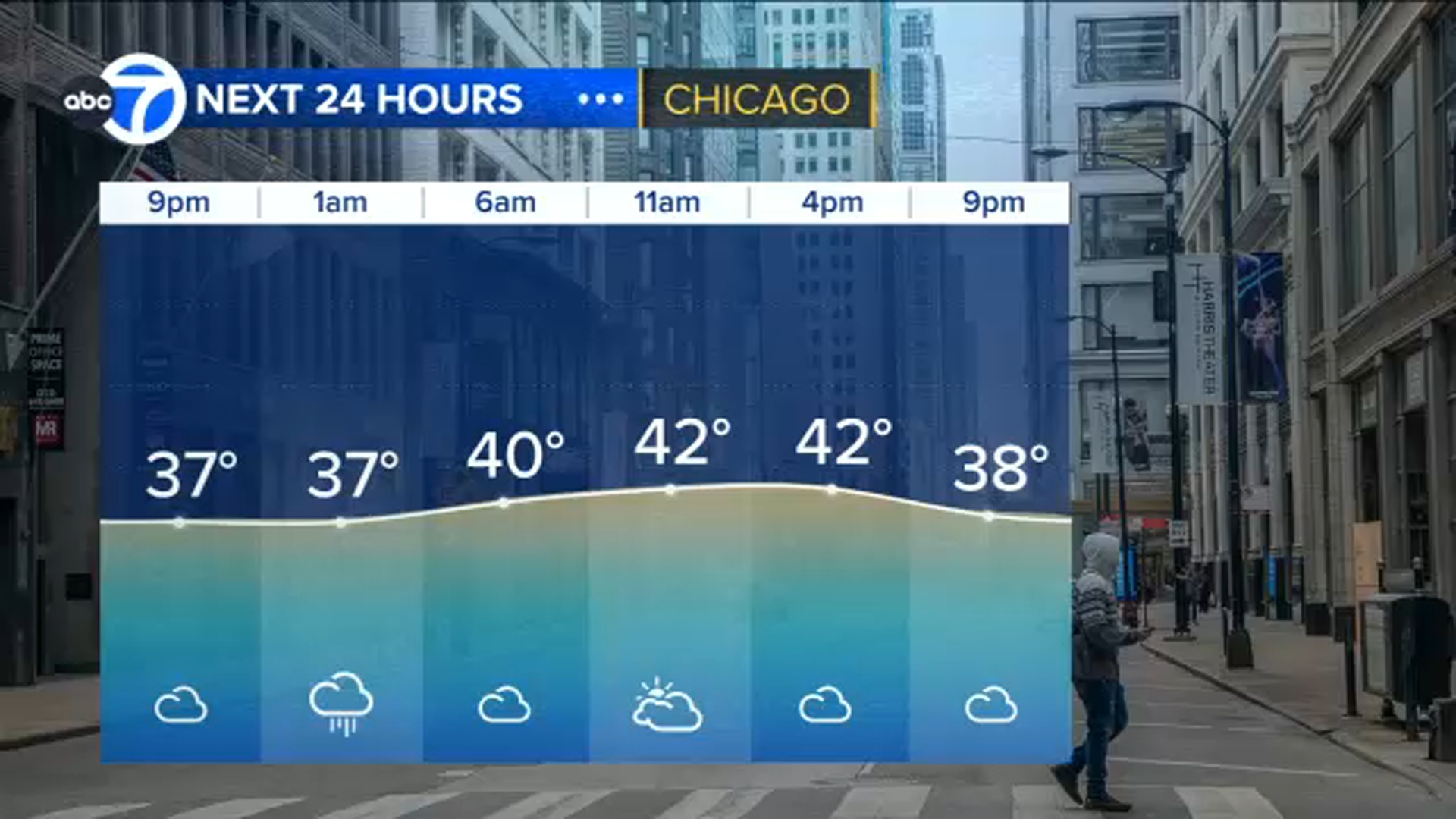
The weather can significantly impact travel within and around Chicago. During heavy snowfall or icy conditions, driving can become hazardous, leading to increased traffic congestion and potential delays. Public transportation, primarily the Chicago Transit Authority (CTA) trains and buses, often remains the most reliable option. However, even the CTA can experience disruptions due to severe weather. On clear days, walking and cycling become more appealing and efficient ways to navigate the city’s compact grid. Understanding the current weather is crucial for commuters and tourists alike to make informed decisions about their mode of transit.
Seasonal Weather Patterns in Chicago
While understanding the immediate weather is important, grasping the general seasonal patterns provides a broader context for experiencing Chicago throughout the year. Each season brings its unique charm and challenges, influencing everything from the availability of outdoor events to the visual spectacle of the city.
Spring: A Time of Transition and Reawakening
Spring in Chicago (March to May) is a period of significant transition. Early spring can still feel very much like winter, with lingering cold snaps and potential for late snow. However, as the season progresses, temperatures gradually warm, and the city’s parks and green spaces begin to bloom. This is a delightful time to witness the reawakening of nature, with cherry blossoms appearing in Jackson Park and tulips dotting the landscape. However, spring is also known for its unpredictable weather, with rainy days and strong winds being common. Outdoor festivals and events begin to ramp up as the weather stabilizes.
Summer: Warmth, Vibrancy, and Outdoor Living
Summer in Chicago (June to August) is characterized by warm to hot temperatures, often accompanied by high humidity. This is the peak season for outdoor activities and festivals. The city’s lakefront comes alive with swimmers, sunbathers, and boaters. Outdoor concerts, farmers’ markets, and street fairs are abundant. The warmth allows for extended evenings spent exploring neighborhoods and enjoying rooftop bars. However, summer can also bring thunderstorms, and heatwaves can make for uncomfortable, muggy days. Air conditioning becomes a welcome amenity in hotels and public spaces.
Autumn: Crisp Air and Colorful Scenery
Autumn in Chicago (September to November) is often considered one of the most beautiful seasons. The intense summer heat subsides, replaced by crisp, cool air and lower humidity. The foliage in the city’s numerous parks, such as Humboldt Park and Garfield Park, turns into a stunning array of reds, oranges, and yellows. This is an ideal time for walking tours, exploring architectural landmarks like the Tribune Tower, and enjoying the city’s vibrant culinary scene without the oppressive heat. However, as the season progresses, temperatures begin to drop significantly, and the first frosts become common.
Winter: Bracing Cold and Festive Cheer
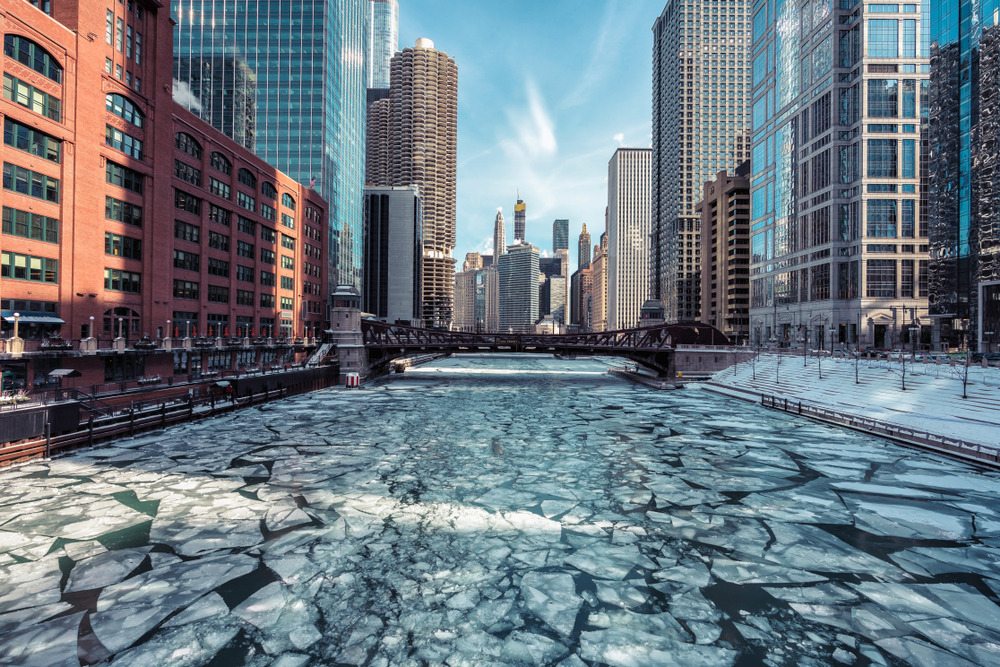
Winter in Chicago (December to February) is a time of cold, snow, and often fierce winds. Temperatures frequently drop below freezing, and snow can accumulate, transforming the city into a picturesque, albeit chilly, landscape. Despite the cold, winter brings a festive atmosphere with holiday lights adorning the Magnificent Mile and seasonal markets like the Christkindlmarket. Outdoor activities become more limited, with ice skating at locations like the Maggie Daley Park ice ribbon being popular. Indoor attractions, cozy restaurants, and warm cafes offer respite from the elements. The dramatic, stark beauty of the snow-covered city, juxtaposed against the towering skyscrapers, offers a unique visual experience.
The Role of Lake Michigan in Chicago’s Weather
The presence of Lake Michigan is a dominant factor shaping Chicago’s climate and its day-to-day weather patterns. This massive freshwater body acts as a natural moderator, influencing temperatures, generating breezes, and contributing to atmospheric moisture.
Temperature Moderation
Lake Michigan exerts a significant moderating influence on the city’s temperatures, particularly in areas closer to the shoreline. During the summer months, the cooler lake waters can provide a refreshing breeze, preventing the city from becoming excessively hot, especially in neighborhoods like Edgewater or Rogers Park. Conversely, in the cooler seasons, the lake retains heat longer than the surrounding landmass. This stored warmth can temper the otherwise extreme cold, making lakeside areas slightly milder during the winter. The effect is most pronounced during transitional periods like spring and fall.
Lake Effect Phenomena
The lake also contributes to specific weather phenomena. “Lake effect” snow, while more commonly associated with the eastern shores of the Great Lakes, can occur in Chicago under the right atmospheric conditions. When cold, dry air masses move over the relatively warmer waters of Lake Michigan, they pick up moisture and heat. As this air then moves over the colder land, it can deposit significant snowfall, often in localized bands, impacting areas to the leeward side of the lake. Similarly, in warmer months, the lake can contribute to lake-effect fog, which can roll into the city, particularly in the mornings, reducing visibility and creating a dramatic, atmospheric setting.
Wind Patterns and the “Windy City” Moniker
The term “Windy City” is often attributed to the prevailing winds that sweep across the open plains and are amplified by the presence of Lake Michigan. Easterly winds blowing off the lake are common and can bring cooler, more humid air during the summer, contributing to the city’s reputation for breezes. Conversely, westerly winds can draw dry air from the continent. These consistent wind patterns are a defining characteristic of Chicago’s atmospheric environment and are a crucial consideration for anyone planning outdoor activities or simply navigating the urban landscape. The wind’s presence is felt keenly along the lakefront, in the canyons of the downtown skyscrapers, and across the open spaces of the city’s parks.
LifeOutOfTheBox is a participant in the Amazon Services LLC Associates Program, an affiliate advertising program designed to provide a means for sites to earn advertising fees by advertising and linking to Amazon.com. Amazon, the Amazon logo, AmazonSupply, and the AmazonSupply logo are trademarks of Amazon.com, Inc. or its affiliates. As an Amazon Associate we earn affiliate commissions from qualifying purchases.