
Navigating the requirements for international travel can often feel like deciphering a complex code. One of the most frequent questions for those planning a trip to the captivating island of Puerto Rico revolves around documentation. Specifically, does a passport become a necessity for entry? This inquiry is paramount for ensuring a smooth and stress-free journey, whether you’re dreaming of the vibrant streets of Old San Juan, the lush rainforests of El Yunque National Forest, or the pristine beaches of Culebra. The answer, for most U.S. citizens, is refreshingly straightforward, but understanding the nuances can prevent unexpected hurdles.
Understanding Puerto Rico’s Status
To definitively answer the passport question, it’s crucial to understand Puerto Rico’s unique political and geographical standing. Puerto Rico is an unincorporated U.S. territory. This designation means that while it is under the jurisdiction of the United States, it is not a state. Its residents are U.S. citizens, and the U.S. dollar is the official currency. This territorial status is the key factor influencing travel documentation requirements.
The Unincorporated Territory Distinction
The distinction of being an “unincorporated territory” is significant. Unlike U.S. states, Puerto Rico does not have full representation in the U.S. Congress, nor does it vote in presidential elections. However, for the purposes of domestic travel, this status has a profound implication: travel between the mainland United States and Puerto Rico is considered domestic travel.
Implications for U.S. Citizens
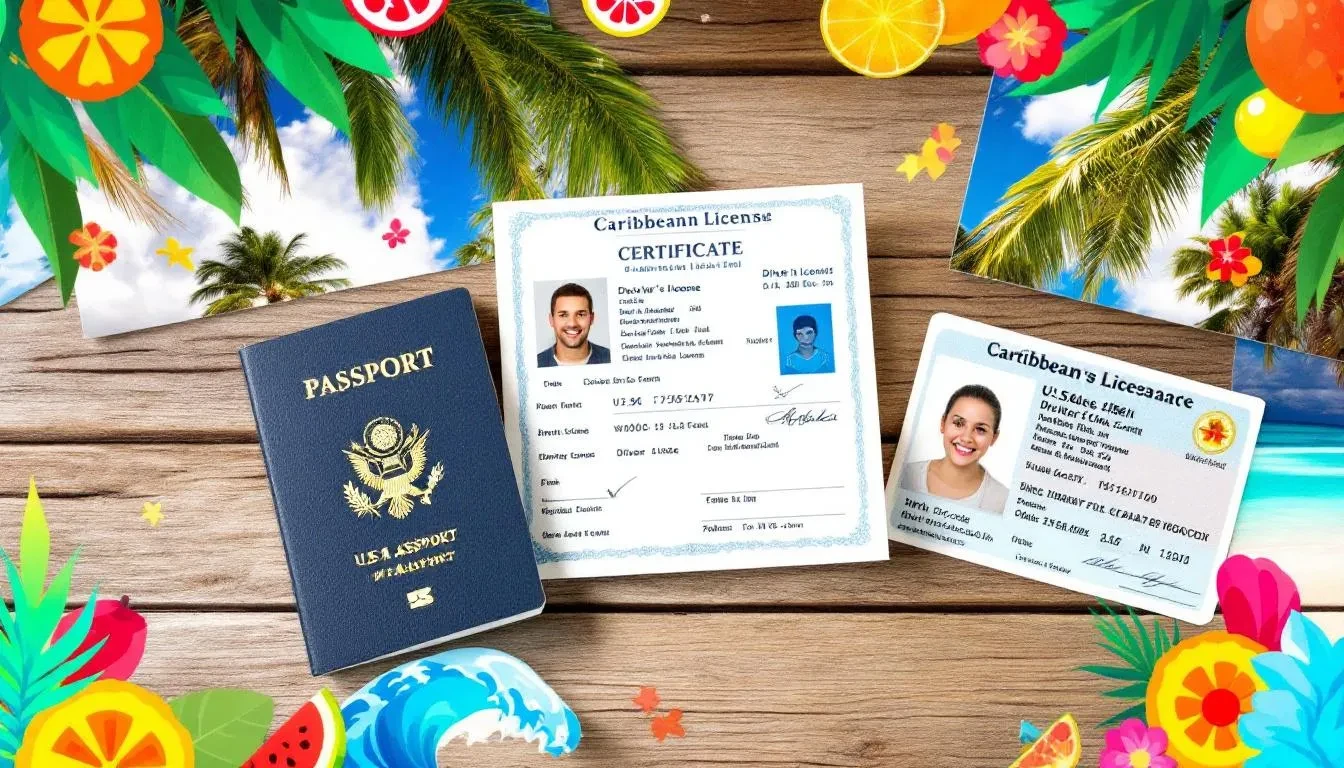
Because travel to Puerto Rico from the continental United States, Alaska, or Hawaii is treated as domestic, U.S. citizens do not need a passport to enter. Instead, a valid government-issued photo identification is sufficient for boarding commercial aircraft. This typically includes a driver’s license, a state-issued ID card, or a military ID. This makes spontaneous trips or last-minute travel planning significantly more accessible for American citizens.
Travel from Other U.S. Territories
Similarly, U.S. citizens traveling from other U.S. territories, such as the U.S. Virgin Islands or Guam, also do not require a passport to travel to Puerto Rico. The same rules regarding domestic travel apply.
When a Passport Might Be Necessary
While the general rule for U.S. citizens is that a passport is not required, there are specific circumstances where it can become a useful, or even necessary, document for travel to Puerto Rico. Understanding these exceptions can save you potential headaches.
International Travel Origins
The most significant exception to the no-passport rule is if your travel to Puerto Rico originates from a foreign country. If you are flying directly to San Juan (SJU) from, for instance, Canada, Mexico, or any other international destination, then a valid U.S. passport will be required for entry into Puerto Rico, just as it would be for entering any other foreign nation.
Traveling to Puerto Rico via an International Hub
Even if your ultimate destination is Puerto Rico, if your flight itinerary involves a layover in a foreign country before arriving in Puerto Rico, you will need a passport. This is because you will be entering that foreign country during your layover, which necessitates valid travel documents for that nation. Always check your itinerary carefully for any international transit points.
U.S. Permanent Residents and Other Visa Holders
For individuals who are not U.S. citizens, the requirements differ. U.S. lawful permanent residents (green card holders) traveling from the United States to Puerto Rico generally do not need a passport but must present their valid Permanent Resident Card (Form I-551). However, it is always advisable for permanent residents to carry their green card.
For foreign nationals who require a U.S. visa to enter the United States, their visa status will determine their ability to travel to Puerto Rico. They may need to present their passport with their valid U.S. visa. It is highly recommended that non-U.S. citizens verify their specific entry requirements with U.S. Customs and Border Protection (CBP) or the relevant consulate or embassy before traveling.
Essential Identification for Domestic Travel
For the vast majority of travelers, namely U.S. citizens flying domestically to Puerto Rico, ensuring you have the correct identification is key. The Transportation Security Administration (TSA) has specific guidelines for domestic flights.
Accepted Forms of Identification
The TSA requires all individuals 18 years of age and older to present a valid, government-issued photo ID to fly domestically. Acceptable forms include:
- Driver’s License: A standard driver’s license from any U.S. state or territory is widely accepted. Ensure it is not expired.
- State-Issued ID Card: If you do not drive, you can obtain a state-issued identification card, which serves the same purpose.
- U.S. Passport Card: While a U.S. passport book is not required for domestic travel to Puerto Rico, the U.S. passport card is accepted for domestic air travel.
- Military ID: Active duty and retired military personnel can use their U.S. military ID.
- Other Government-Issued Photo IDs: This can include IDs from federal, state, or local government agencies.
Why Carry a Passport Anyway?
Even though a passport isn’t strictly required for U.S. citizens traveling domestically to Puerto Rico, many travelers choose to bring their U.S. passport book for several reasons.
- Proof of Identity: A passport is one of the most universally recognized forms of identification worldwide. It provides an extra layer of security and confidence for your identity.
- Potential for Future Travel: If your travel plans might include an impromptu side trip to an international destination, having your passport readily available can be a significant advantage.
- Emergencies: In unforeseen circumstances, such as a medical emergency requiring evacuation, a passport can be invaluable.
- Cruise Travel: If your travel to Puerto Rico is part of a cruise that includes stops in foreign ports (e.g., the British Virgin Islands or St. Maarten), a passport would be mandatory for those international legs of the journey.
Preparing for Your Puerto Rican Adventure
Regardless of whether you need a passport, proper preparation is essential for a successful trip to Puerto Rico. Familiarizing yourself with the island’s unique culture, currency, and customs will enhance your experience.
Currency and Language
Puerto Rico uses the U.S. dollar, so there’s no need for currency exchange if you’re arriving from the mainland. The primary languages spoken are Spanish and English, with English widely understood in tourist areas and major cities like San Juan. However, learning a few basic Spanish phrases can be greatly appreciated by locals and enrich your interactions.
Transportation and Accommodation
Getting around Puerto Rico is facilitated by rental cars, taxis, and ride-sharing services. Major hotel chains and boutique accommodations can be found across the island, from luxury resorts in Dorado to charming guesthouses in smaller towns. Booking accommodation in advance is always recommended, especially during peak seasons.
What to Pack
Packing for Puerto Rico generally involves light, breathable clothing suitable for a tropical climate. Don’t forget swimwear, comfortable walking shoes for exploring historical sites like Castillo San Felipe del Morro, sunscreen, insect repellent, and any personal medications.
In conclusion, for U.S. citizens, the question of needing a passport for travel to Puerto Rico is generally a “no” when traveling directly from the United States. However, understanding the implications of international origins, layovers, and the specific documentation requirements for non-citizens is vital. By ensuring you have the correct identification and are well-prepared, your journey to this vibrant Caribbean gem will be seamless and memorable, allowing you to fully immerse yourself in the rich tapestry of Puerto Rican culture, history, and natural beauty.
LifeOutOfTheBox is a participant in the Amazon Services LLC Associates Program, an affiliate advertising program designed to provide a means for sites to earn advertising fees by advertising and linking to Amazon.com. Amazon, the Amazon logo, AmazonSupply, and the AmazonSupply logo are trademarks of Amazon.com, Inc. or its affiliates. As an Amazon Associate we earn affiliate commissions from qualifying purchases.