
Colorado, a state renowned for its majestic Rocky Mountains and sprawling wilderness, is indeed a natural habitat for several species of bears. For travelers and outdoor enthusiasts drawn to the Centennial State’s breathtaking landscapes, understanding the presence of these magnificent creatures is crucial for a safe and enriching experience. From the rugged peaks of Rocky Mountain National Park to the dense forests and alpine meadows, bears are an integral part of Colorado’s diverse ecosystem.
Understanding Colorado’s Bear Population
Colorado is primarily home to two species of bears: the American black bear and the threatened grizzly bear. While black bears are far more common and widely distributed throughout the state, grizzly bears are present in very small, localized populations. Recognizing the distinctions between these species and their typical habitats is the first step in responsible wildlife viewing.
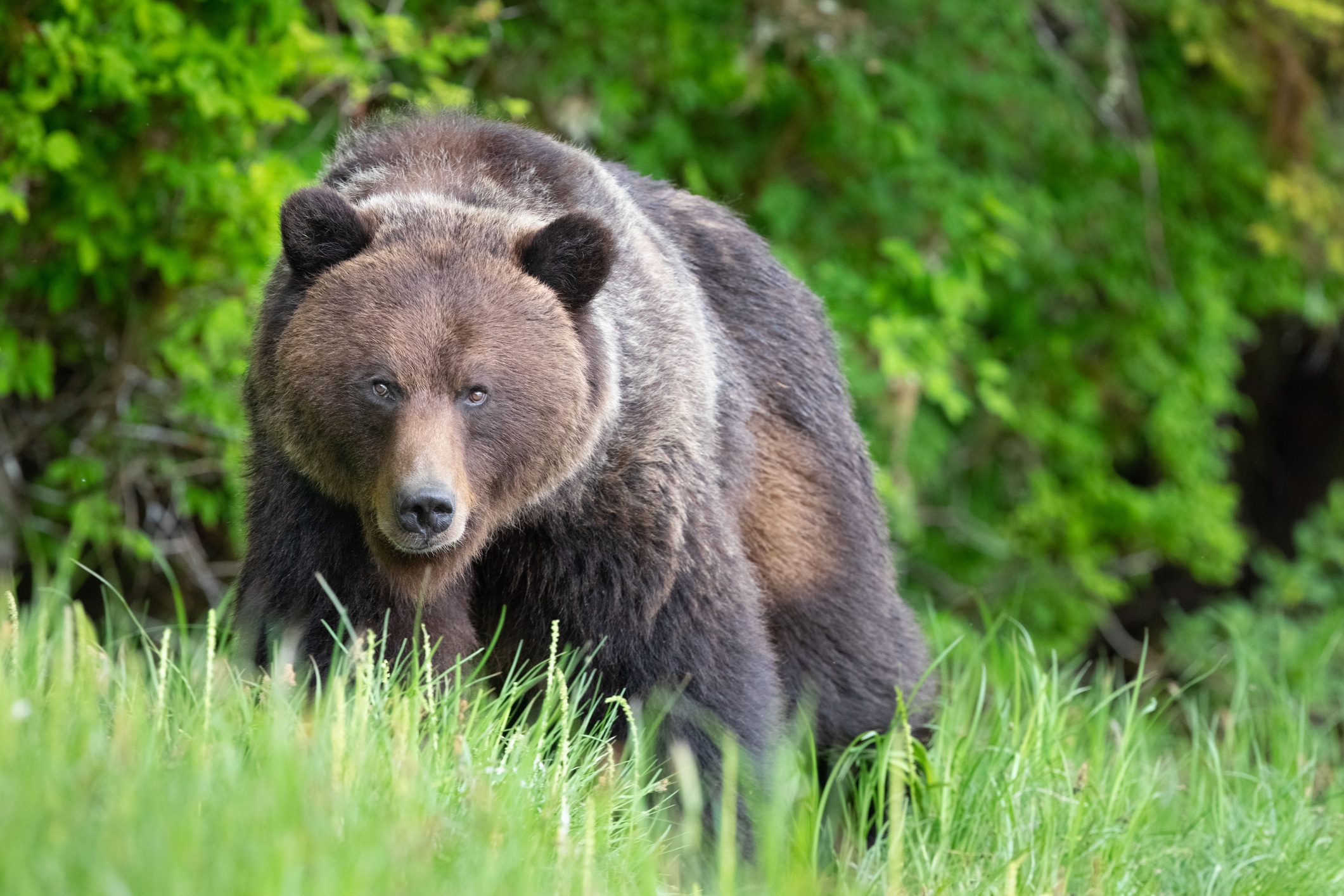
American Black Bears: The Ubiquitous Residents
The American black bear (Ursus americanus) is the most prevalent bear species in Colorado. These bears are incredibly adaptable and can be found in a variety of environments, including dense forests, woodlands, and even suburban and urban fringes, especially where food sources are readily available. Despite their name, black bears can vary in color from black to cinnamon or even blonde.
Distribution and Habitat: Black bears are distributed across much of Colorado, with higher concentrations in forested areas. Key habitats include:
- Mountainous Regions: Especially at elevations ranging from 5,000 to 11,000 feet, where they find ample berries, roots, insects, and small mammals.
- National Forests: Areas like the Arapaho National Forest and the White River National Forest provide extensive wilderness for these bears.
- Near Water Sources: Bears often frequent areas near rivers and streams for food and water.
Behavior and Diet: Black bears are generally shy and reclusive, preferring to avoid human contact. They are omnivores, with their diet consisting mainly of vegetation, including berries, grasses, roots, and nuts. They also supplement their diet with insects, fish, and occasionally carrion. During the fall, they consume large quantities of food to prepare for hibernation.
Hibernation: Black bears in Colorado typically hibernate from late fall through early spring, usually from November to April, depending on weather conditions and food availability. They den in hollow logs, under rock overhangs, or in excavated burrows.
Grizzly Bears: A Rare Sight
The grizzly bear (Ursus arctos horribilis), a subspecies of the brown bear, is a much rarer sight in Colorado. Historically, grizzlies were more widespread, but their populations have significantly declined. The only known viable population of grizzly bears in Colorado resides in the northwestern part of the state, primarily within the San Juan Mountains and adjacent areas.
Conservation Status: Grizzly bears are listed as threatened under the Endangered Species Act. Their presence is a sign of a healthy, intact ecosystem, and their conservation is a high priority for wildlife agencies.
Identification: Grizzlies are typically larger and more powerful than black bears, with a distinctive shoulder hump, a dished facial profile, and longer claws. However, distinguishing between a large black bear and a grizzly can be challenging, and caution should always be exercised when encountering any bear.
Encountering Grizzlies: Due to their rarity and protected status, encounters with grizzly bears are infrequent. However, understanding their potential presence in specific regions is vital for backcountry enthusiasts.
Wildlife Viewing and Safety in Bear Country
Colorado offers unparalleled opportunities for observing wildlife in their natural habitat. However, respecting the space of these wild animals and taking appropriate precautions is paramount. Responsible tourism and outdoor recreation ensure the safety of both humans and bears.
Preparing for Bear Encounters
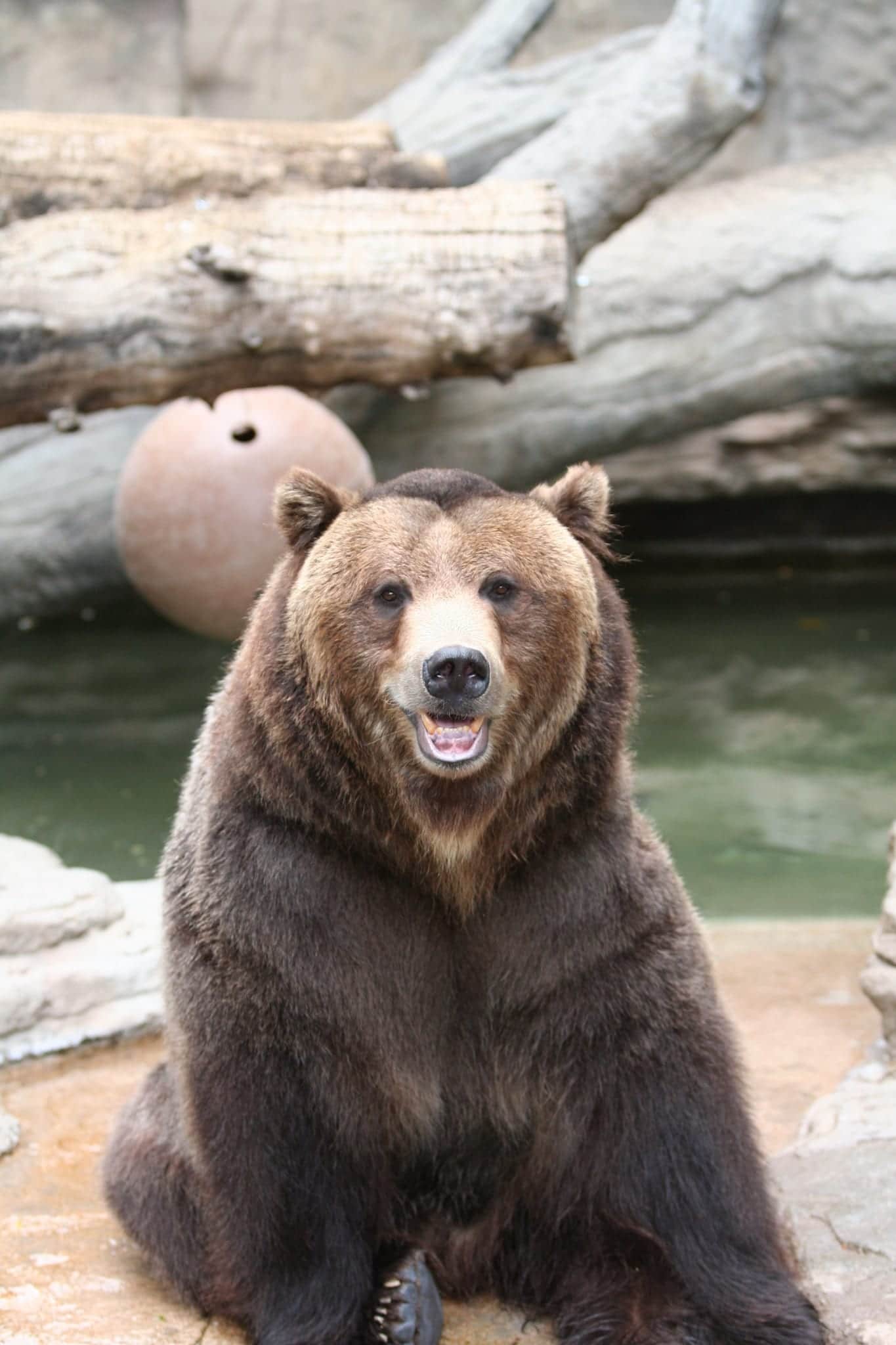
Before venturing into bear country, especially in areas known to have bear populations, preparation is key.
- Research Your Destination: Familiarize yourself with the specific areas you will be visiting. Parks like Yellowstone National Park (though not in Colorado, it sets a standard for bear safety awareness) and Colorado’s own Routt National Forest have specific guidelines.
- Carry Bear Spray: Bear spray is a highly effective deterrent and should be carried by all hikers and campers. Know how to use it and keep it accessible at all times.
- Make Noise: Bears generally want to avoid humans. Talking, singing, or carrying a bell can alert them to your presence, giving them time to move away. Avoid surprising them, especially in areas with dense vegetation or near water.
- Hike in Groups: Traveling in groups of three or more is generally safer.
- Be Aware of Your Surroundings: Pay attention to signs of bear activity, such as tracks, scat, or overturned rocks and logs. Avoid hiking at dawn, dusk, or night when bears are most active.
Camping Safely in Bear Country
Camping in Colorado’s backcountry or campgrounds requires careful attention to food storage and waste management to prevent attracting bears.
- Proper Food Storage: Never store food, scented items (like toothpaste, deodorant, or lotion), or trash in your tent or vehicle. Use bear-resistant containers or hang food at least 10 feet off the ground and 4 feet away from the tree trunk. Many campgrounds offer bear-proof lockers.
- Cleanliness is Crucial: Wash dishes immediately after use and dispose of dishwater properly, away from your campsite.
- Dispose of Trash Responsibly: Pack out all trash, or use designated bear-proof trash receptacles. Never bury or burn trash.
- Avoid Scented Products: Minimize the use of strongly scented toiletries.
What to Do if You Encounter a Bear
Should you encounter a bear, it’s important to remain calm and follow established safety protocols.
- Stay Calm: Do not run, as this can trigger a chase response. Do not make direct eye contact, which can be perceived as a challenge.
- Identify Yourself: Speak in a calm, firm voice to let the bear know you are human.
- Slowly Back Away: Give the bear plenty of space. Move away slowly and sideways, so you can keep an eye on the bear without tripping.
- Do Not Approach: Never approach a bear, especially cubs. A mother bear will fiercely defend her young.
- If the Bear Approaches: If the bear charges, stand your ground and use your bear spray when the bear is within range.
- Distinguishing Defensive vs. Predatory Behavior: A defensive bear might swat the ground, huff, or bluff charge. A predatory bear might stalk you or approach with its head up and ears forward. In a defensive encounter, try to appear non-threatening. In a predatory encounter, fight back aggressively.
Bear-Related Tourism and Conservation Efforts
Colorado’s commitment to conservation ensures that these iconic animals continue to thrive. This commitment benefits not only the bears but also provides incredible opportunities for wildlife enthusiasts and eco-tourists.
Bear Watching and Photography
While not as predictable as in some other national parks, the chance to see a black bear in Colorado is a memorable experience for many visitors. Responsible bear viewing focuses on observing from a safe distance without disturbing the animals.
- Designated Viewing Areas: Some national parks and forests may have areas where bears are more commonly sighted. However, it’s crucial to rely on official park information rather than anecdotal sightings.
- Respectful Photography: When photographing bears, always maintain a safe distance. Using telephoto lenses allows for excellent shots without encroaching on the bear’s space. Never feed bears for photo opportunities.
Conservation Initiatives
Colorado Parks and Wildlife (CPW) actively manages the state’s bear population, focusing on research, public education, and conflict mitigation.
- Bear Aware Programs: CPW offers extensive resources and programs to educate the public about living and recreating safely in bear country. These initiatives aim to reduce human-bear conflicts, which can be detrimental to both humans and bears.
- Research and Monitoring: Scientists monitor bear populations, study their behavior, and assess habitat health to inform conservation strategies.
- Conflict Resolution: CPW works to resolve conflicts when they arise, often involving educating residents and visitors on best practices to prevent attractants and minimize negative interactions.

Experiencing Colorado’s Wild Side Responsibly
The presence of bears in Colorado adds a layer of wildness and wonder to its already spectacular natural appeal. By understanding their habits, respecting their space, and adhering to safety guidelines, visitors can enjoy the beauty of Colorado’s wilderness while contributing to the long-term survival of its bear populations. Whether you’re exploring the trails around Aspen, camping in the Gunnison National Forest, or simply enjoying the scenic drives, a mindful approach ensures that the encounter with Colorado’s bears remains a positive and unforgettable aspect of your journey. Remember, the goal is to observe and appreciate these animals in their natural environment, ensuring they continue to roam free for generations to come.
LifeOutOfTheBox is a participant in the Amazon Services LLC Associates Program, an affiliate advertising program designed to provide a means for sites to earn advertising fees by advertising and linking to Amazon.com. Amazon, the Amazon logo, AmazonSupply, and the AmazonSupply logo are trademarks of Amazon.com, Inc. or its affiliates. As an Amazon Associate we earn affiliate commissions from qualifying purchases.