
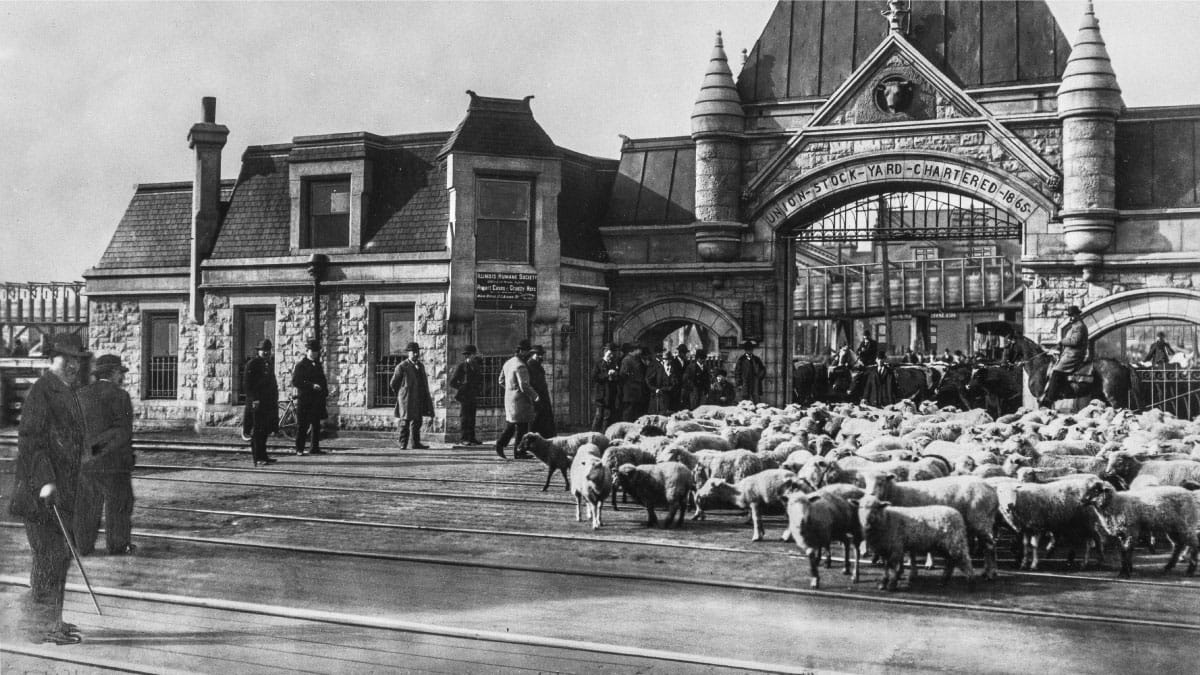
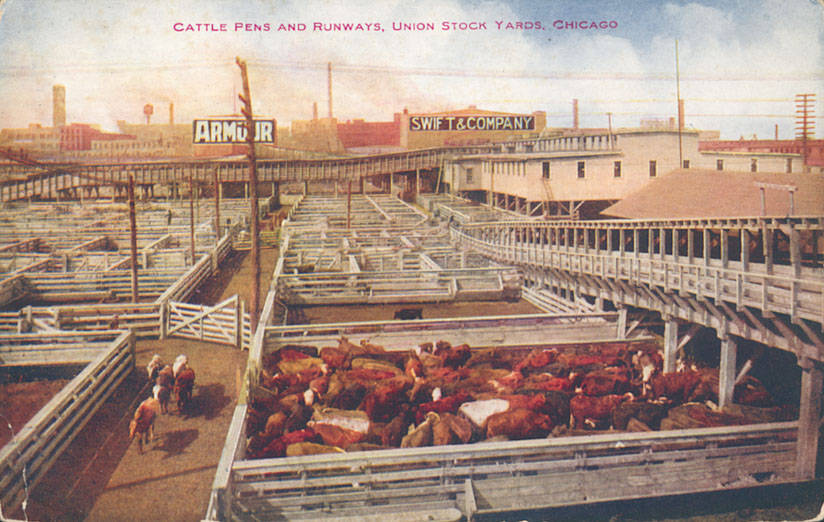
The Chicago Stockyards, once the undisputed epicenter of America’s meatpacking industry, conjures images of bustling activity, industrial might, and a distinctly working-class ethos. For decades, this sprawling complex in Chicago was not just a place of commerce but a vibrant hub that shaped the city’s economy and its very identity. While the physical structures of the stockyards are largely gone, their legacy endures, not only in historical accounts but also in the culinary traditions that emerged from their shadow. The question of a specific restaurant associated with the Chicago Stockyards delves into a rich tapestry of local history, food culture, and the unique social dynamics that characterized this iconic landmark.
The Culinary Landscape of the Stockyards
The sheer scale of operations at the Chicago Stockyards meant that a vast workforce was employed. This generated a significant demand for food and drink, catering to the needs of drovers, butchers, laborers, and the myriad of ancillary workers who kept the complex running. Restaurants, saloons, and boarding houses sprang up in close proximity, serving hearty, no-nonsense fare that sustained those who toiled within the yards. These establishments were more than just places to eat; they were social centers, offering respite from grueling work, a place for negotiation, and a community gathering spot.
The Worker’s Diet
The food served in and around the stockyards was reflective of the industry itself. Think robust, protein-rich meals designed to provide energy for demanding physical labor. Steaks, chops, stews, and sausages were undoubtedly staples, utilizing the very products being processed just yards away. This close proximity to fresh, abundant meat undoubtedly influenced the quality and affordability of the food available to workers. It was a direct connection between the raw product and its consumption, a unique aspect of the stockyards’ ecosystem.
Beyond the Butcher Block: Early Eateries
While specific restaurant names from the earliest days of the stockyards can be elusive, historical accounts point to numerous saloons and chop houses that catered to the burgeoning industry. These were often unpretentious establishments, their primary focus on serving generous portions of meat and quenching the thirst of their patrons. The atmosphere was likely boisterous, filled with the sounds of commerce and conversation. The culinary offerings, while perhaps not refined in the modern sense, were deeply rooted in the land and the primary business of the Chicago Stockyards.
The Union Stock Yards Inn: A Culinary Anchor
As the Chicago Stockyards matured and the industry became more organized, so too did the culinary offerings that served it. One establishment that stands out, and is most directly and enduringly associated with the stockyards, is the Union Stock Yards Inn. This was not merely a restaurant but an institution, a place that symbolized the very heart of the meatpacking district.
A Symbol of Service and Scale
The Union Stock Yards Inn was established to provide dining services for visitors, buyers, and officials associated with the stockyards. It was designed to be a more refined establishment than the saloons frequented by the day-to-day laborers, offering a place for business dealings and formal meals. The inn’s location within the stockyards precinct made it a convenient and logical choice for those conducting business related to livestock and meat processing. It became a place where deals were struck over expertly prepared meals, solidifying its role as a critical component of the stockyards’ operational infrastructure.
Culinary Offerings: A Reflection of the Industry
The menu at the Union Stock Yards Inn was, predictably, heavily influenced by its surroundings. While it aimed for a higher standard of service, the abundance of high-quality meat was its undeniable advantage. Diners could expect exceptional steaks, prime cuts of beef, and a variety of pork and lamb dishes. The inn was a place where the prowess of American agriculture and the efficiency of the meatpacking industry were showcased on the plate. It was an opportunity for visitors to experience the bounty of the American heartland, directly from the source.

The Inn’s Historical Significance
Beyond its culinary contributions, the Union Stock Yards Inn played a significant role in the social and economic life of the stockyards. It served as a meeting point for industry leaders, a place for banquets and special events, and a testament to the wealth and influence generated by the meatpacking trade. Its existence underscored the comprehensive nature of the stockyards, which encompassed not only the physical processing of livestock but also the associated services and amenities that supported its vast operations.
The Decline of the Stockyards and the Fate of its Associated Eateries
The latter half of the 20th century saw a dramatic shift in the American meatpacking industry. The Chicago Stockyards, once the world’s largest, began a gradual decline. Advances in transportation, the decentralization of slaughterhouses, and changing economic landscapes led to the eventual closure of the yards in 1971. This seismic event had a profound impact on the surrounding community and, consequently, on the businesses that had thrived in its shadow.
A Changing Urban Landscape
The closure of the Chicago Stockyards left a significant void in the city’s industrial and economic fabric. The once-bustling streets, filled with the sounds and smells of the livestock trade, fell silent. Many of the saloons, boarding houses, and eateries that had relied on the stockyards’ daily operations struggled to survive. Some adapted, catering to a new clientele or diversifying their offerings, while others simply faded into history.
The Legacy of the Union Stock Yards Inn
The Union Stock Yards Inn, having been a prominent fixture for so long, also faced the inevitable consequences of the stockyards’ decline. While its exact fate after the closure is a subject of historical detail, its association with the stockyards cemented its place in Chicago‘s culinary and industrial history. It represents a specific era, a time when the Chicago Stockyards were the engine of the city’s prosperity, and the restaurants that served them were integral to that narrative.
Modern Echoes: The Stockyards’ Culinary Influence Today
Although the Chicago Stockyards are no longer operational, their influence on Chicago‘s food scene continues to resonate. The city’s reputation for excellent steakhouses, a direct descendant of the rich meatpacking heritage, is undeniable. While the specific establishments of the stockyards era may be gone, the spirit of hearty, meat-centric cuisine remains a strong thread in the city’s culinary identity.
From Industrial Hub to Cultural Landmark
The area once occupied by the Chicago Stockyards has undergone significant redevelopment. However, efforts have been made to preserve and commemorate its history. Museums, historical markers, and architectural remnants serve as reminders of its past. This historical context adds a unique layer to experiencing Chicago‘s food culture, particularly when one considers the deep roots of its renowned meat-centric dining.
A Taste of History
For those interested in Chicago‘s rich industrial and culinary past, exploring the legacy of the Chicago Stockyards offers a fascinating glimpse into a bygone era. While the Union Stock Yards Inn may no longer serve its patrons, its story, and the stories of the many other eateries that supported the Chicago Stockyards, are an integral part of the city’s enduring narrative. They speak to the hard work, the community, and the enduring appeal of well-prepared, hearty food that emerged from the heart of America’s meatpacking capital. The question of what restaurant was associated with the Chicago Stockyards leads not just to a single name, but to an entire chapter of Chicago‘s vibrant history, a chapter best understood through the lens of its food and the people who sustained it.
LifeOutOfTheBox is a participant in the Amazon Services LLC Associates Program, an affiliate advertising program designed to provide a means for sites to earn advertising fees by advertising and linking to Amazon.com. Amazon, the Amazon logo, AmazonSupply, and the AmazonSupply logo are trademarks of Amazon.com, Inc. or its affiliates. As an Amazon Associate we earn affiliate commissions from qualifying purchases.