
The upcoming election cycle brings a renewed focus on civic participation, and for residents of the Lone Star State, understanding the voter registration process in Texas is paramount. This guide aims to demystify the requirements, deadlines, and methods for ensuring you can cast your ballot. While this article focuses on voter registration, remember that informed participation extends to understanding local issues and candidates, which is a crucial aspect of responsible citizenship within any community.
Understanding Texas Voter Registration Basics
Texas has specific criteria for who is eligible to register to vote. These requirements are designed to ensure that only qualified citizens participate in the electoral process. Understanding these fundamental rules is the first step towards successful registration.

Eligibility Criteria
To be eligible to register to vote in Texas, you must meet the following criteria:
- Be a United States Citizen: This is a foundational requirement for all voters.
- Be a Resident of the County where you apply: You must reside within the county in which you intend to vote. This ensures your vote is cast in your local jurisdiction.
- Be at least 18 years old on Election Day: While you can register to vote at 17, you must be 18 by the date of the election to cast a ballot.
- Not have been finally convicted of a felony, or if convicted, have fully discharged your sentence, including any term of imprisonment, parole, or supervision, and not be on parole or probation for a felony: This is a significant restriction. Individuals with felony convictions may regain their voting rights upon completion of their sentence.
- Not have been finally declared mentally incapacitated by a final court order: This restriction is in place to ensure voters are capable of making informed decisions.
Residency Requirements
Establishing your residency is crucial for voter registration. In Texas, your residency is generally determined by where you consider your permanent home, the place you intend to return to whenever you are absent. This can sometimes be a point of confusion, especially for those who travel frequently or have multiple residences.
- Primary Residence: The address you use for most civic purposes, such as your driver’s license, voter registration, and where you receive mail, is typically considered your primary residence.
- Temporary Absences: Traveling for leisure, business, or even medical treatment does not necessarily change your residency if you intend to return to your home in Texas. However, if you establish a new permanent home elsewhere, you may need to re-register in that new location.
The Voter Registration Process in Texas
Registering to vote in Texas is a straightforward process, but it requires attention to deadlines and accurate information. The state offers several convenient methods for eligible citizens to complete their registration.
Key Deadlines to Remember
Voter registration deadlines are critical. Missing these deadlines means you will not be eligible to vote in the upcoming election.
- Registration Deadline: You must be registered to vote at least 30 days before an election. This means if an election is held on November 5th, your registration must be completed and submitted by October 6th. It’s always advisable to register well in advance of this deadline to avoid any last-minute issues.
- Voter Registration Drive: While specific dates for these drives aren’t set in stone, community organizations often host voter registration events leading up to the deadline. These can be excellent opportunities to register and get information about the election.
Methods of Registration
Texas provides multiple avenues for you to register or update your registration information.
- Online Voter Registration: The quickest and often most convenient method is to register online through the Texas Secretary of State’s website. This portal guides you through the necessary steps and allows for immediate submission. You will need a valid Texas driver’s license or ID card to use this method.
- Mail-in Application: You can download a voter registration application from the Texas Secretary of State’s website or pick one up from various public offices. Completed applications should be mailed to your local County Election Office. It is crucial to ensure the application is postmarked by the registration deadline.
- In-Person Application: You can register in person at your local County Election Office or at designated voter registration drives. This method allows for immediate assistance if you have questions or encounter any difficulties.
What Happens After Registration?
Once your voter registration application is processed and accepted, you will typically receive a voter registration certificate by mail. This certificate serves as proof of your registration. It’s important to keep this certificate in a safe place, though it is not required to vote. You will also be mailed a new certificate if any of your registration information changes, such as your address.
Navigating Voter Registration Challenges and Updates
Life circumstances can change, and so can your voter registration status. It’s essential to stay proactive in updating your information to ensure you can vote without issues.
Updating Your Registration Information
If you move, change your name, or wish to change your political party affiliation, you must update your voter registration information.
- Change of Address: If you move within the same county, you can update your address online or by mail. If you move to a different county, you will need to submit a new voter registration application for your new county of residence.
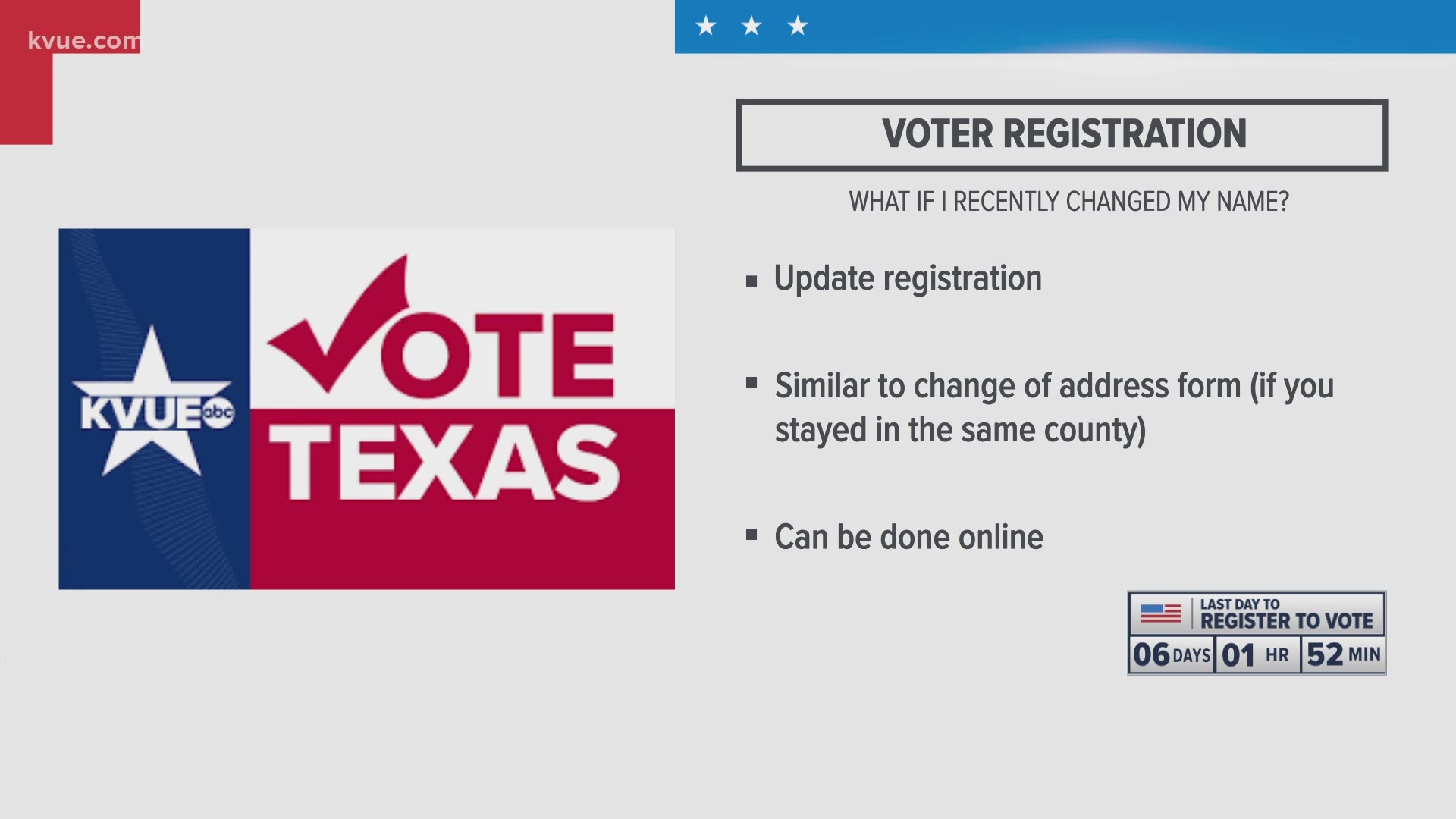
- Name Change: If you change your name due to marriage, divorce, or any other legal reason, you must update your voter registration with your new legal name. This can typically be done online or by submitting a new application.
- Party Affiliation: Texas uses a closed primary system, meaning you must be affiliated with a political party to vote in its primary election. While you can change your party affiliation at any time, the party listed on your registration is what determines which primary ballot you will receive. Changes to party affiliation can be made by submitting a new voter registration application.
Common Registration Issues and Solutions
- Application Errors: Incomplete or inaccurate information on your application can lead to delays or rejection. Double-check all fields, especially your address and date of birth.
- Missed Deadlines: As mentioned, the 30-day deadline is strict. If you miss it, you will have to wait for the next election.
- Inactive Voter Status: If you move and fail to update your address, or if you don’t vote in several consecutive elections, your registration may be moved to an “inactive” status. While you can still vote by casting a provisional ballot and verifying your current address, it’s best to keep your registration active by updating your information promptly.
Beyond Registration: Preparing to Vote in Texas
Successfully registering to vote is the crucial first step. The next phase involves understanding how and where to cast your ballot, and staying informed about election procedures.
Polling Place Information
Your designated polling place is where you will cast your vote on Election Day.
- Finding Your Polling Place: You can find your assigned polling place by visiting the Texas Secretary of State’s website or by contacting your local County Election Office. Your polling place is determined by your registered address.
- Changes to Polling Places: While infrequent, polling places can sometimes change due to various logistical reasons. It is always wise to verify your polling place before heading to vote, especially if you haven’t voted in a while.
Voting Options in Texas
Texas offers several ways for registered voters to cast their ballots.
- Election Day Voting: This is the traditional method, where you go to your assigned polling place on Election Day. Polling places are typically open from 7 a.m. to 7 p.m.
- Early Voting: Texas provides an early voting period before Election Day. This allows voters to cast their ballots at any designated early voting location within their county during a specific window, offering flexibility for those with busy schedules.
- Absentee Voting (Mail-in Ballots): Certain eligible voters can request an absentee ballot to be mailed to them. Eligibility for absentee voting is generally limited to those who will be outside their county of residence on Election Day or who have specific reasons such as age, disability, or confinement in jail. You must apply for an absentee ballot by the stated deadline.

Voter Identification Requirements
To cast your ballot, you will need to present a valid form of identification at your polling place. Acceptable forms of photo identification include:
- Texas Driver License or Texas Personal Identification Certificate
- Texas Election Identification Certificate
- Texas Concealed Handgun License
- United States Military ID card
- United States citizenship certificate or certificate of naturalization
- United States passport
- Professional license issued by a governmental agency of Texas
- Photo ID card issued by a Texas state agency
If you do not possess one of these forms of photo ID, you may be able to present a valid non-photo ID along with a “Personal Exemption Statement” or one of several supporting documents, depending on your situation. It is advisable to check the Texas Secretary of State’s website for the most current and detailed information on voter ID requirements.
Ensuring you are registered to vote is a fundamental aspect of civic engagement in Texas. By understanding the eligibility requirements, registration deadlines, and available voting methods, you can confidently exercise your right to participate in the democratic process. Stay informed, stay prepared, and make your voice heard.
LifeOutOfTheBox is a participant in the Amazon Services LLC Associates Program, an affiliate advertising program designed to provide a means for sites to earn advertising fees by advertising and linking to Amazon.com. Amazon, the Amazon logo, AmazonSupply, and the AmazonSupply logo are trademarks of Amazon.com, Inc. or its affiliates. As an Amazon Associate we earn affiliate commissions from qualifying purchases.