
Florida, a state renowned for its sun-drenched beaches, vibrant theme parks, and rich cultural tapestry, also lies in a region susceptible to powerful meteorological events. Among these, hurricanes pose the most significant threat, with the “Category 5” designation representing the most intense and destructive storms. Understanding the frequency and impact of such events is crucial for both residents and the millions of tourists who visit the Sunshine State annually. This exploration delves into the historical record of Category 5 hurricanes making landfall in Florida, offering insights into the state’s resilience and the preparedness measures that have become integral to its identity.

The Fury of a Category 5 Storm
To comprehend the significance of a Category 5 hurricane, it’s essential to understand the Saffir-Simpson Hurricane Wind Scale. This scale classifies hurricanes based on their sustained wind speeds, providing a standardized measure of their potential destructiveness.
Defining the Upper Echelon: Category 5
A Category 5 hurricane is defined by sustained winds of 157 miles per hour (252 kilometers per hour) or higher. At this intensity, catastrophic damage is virtually inevitable. Storm surges can reach devastating heights, inundating coastal communities far inland. Winds of this magnitude can rip apart homes, level entire structures, and uproot mature trees. Infrastructure, including power grids, communication networks, and transportation systems, often suffers widespread and prolonged disruption. The human toll can be immense, necessitating extensive evacuation efforts and long-term recovery operations.
Historical Context and Florida’s Vulnerability
Florida’s geographic position makes it a prime target for hurricanes forming in the Atlantic Ocean. Its long coastline, extending along both the Atlantic and Gulf of Mexico, offers numerous points of potential landfall. The warm waters of the western Atlantic are a potent fuel source for tropical cyclones, allowing them to intensify rapidly. Over decades, the state has weathered numerous storms, some of which have reached the terrifying pinnacle of Category 5 strength.
Documented Category 5 Landfalls in Florida
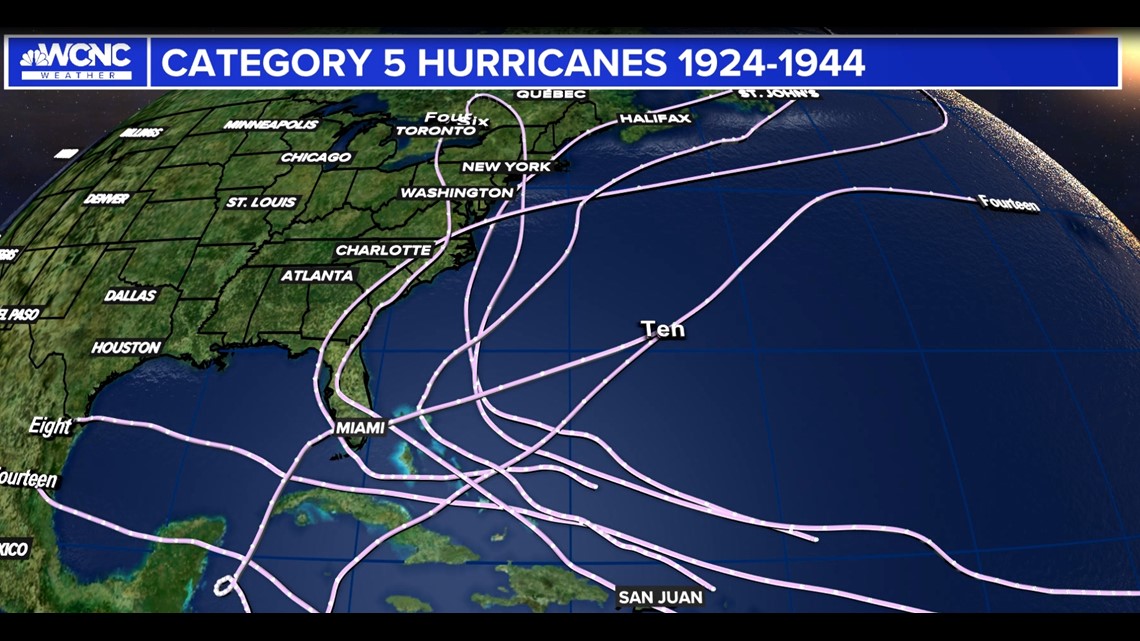
Pinpointing the exact number of Category 5 hurricanes that have made landfall in Florida requires careful examination of historical meteorological records and storm analyses. The intensity of a hurricane can fluctuate as it approaches land, and sometimes storms weaken just before or strengthen immediately after landfall. Therefore, classifications are based on the storm’s intensity at the moment of landfall.
The Rarest of Storms: Few and Far Between
The list of Category 5 hurricanes to have officially made landfall in Florida is notably short. This rarity underscores the immense destructive potential whenever such an event occurs.
-
The Labor Day Hurricane of 1935: This is perhaps the most infamous and intense hurricane to strike the United States. Making landfall in the Florida Keys on September 2, 1935, it was a Category 5 storm with estimated sustained winds of 185 mph (295 kph). The storm surge was immense, devastating the low-lying islands. The lack of widespread infrastructure and advanced warning systems at the time contributed to a high death toll. This storm remains a stark reminder of nature’s raw power.
-
Hurricane Andrew (1992): For decades, Hurricane Andrew stood as the most destructive hurricane to hit Florida. It made landfall near Homestead, Florida on August 24, 1992, as a powerful Category 5 storm with sustained winds of 165 mph (266 kph). While its wind speed at landfall was slightly lower than the 1935 Labor Day Hurricane, its impact on the densely populated southern Miami-Dade County was catastrophic. Andrew’s devastation prompted significant reforms in building codes and emergency management across the state and the nation. The storm’s path also brought it inland, causing significant damage even as it weakened.
While these two are definitively classified as Category 5 at landfall in Florida, the records for other major hurricanes are subject to some debate or were classified using older scales. However, based on the current Saffir-Simpson scale and historical consensus, these represent the primary instances.
Notable Storms That Nearly Reached Category 5
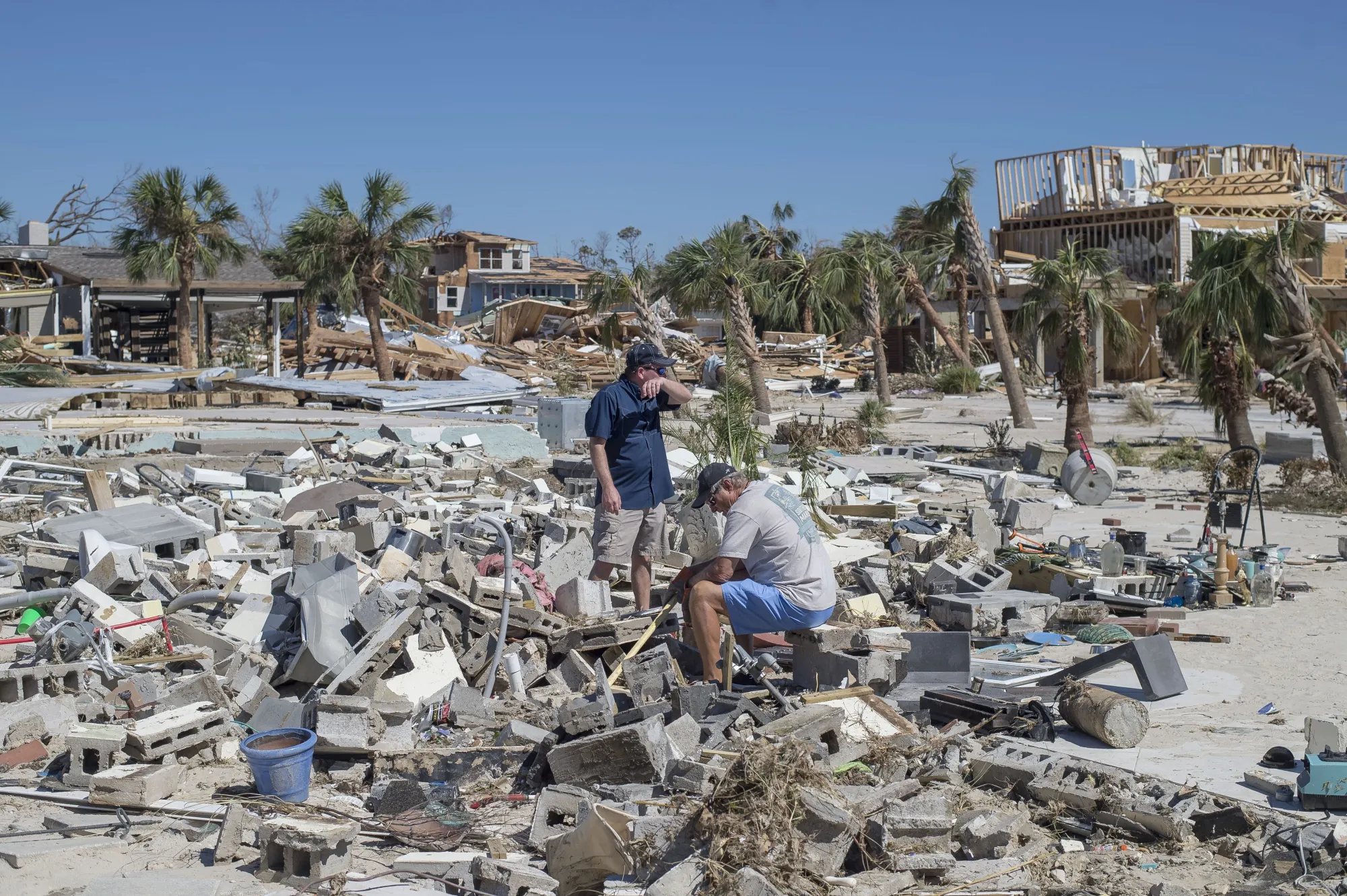
It is important to acknowledge storms that reached Category 5 intensity over water but weakened slightly before making landfall in Florida, or those that made landfall as a high-end Category 4 with winds very close to Category 5 levels. These storms still caused immense damage and are often remembered with the same gravity.
-
Hurricane Charley (2004): Although Charley made landfall in Punta Gorda, Florida as a Category 4 hurricane with sustained winds of 145 mph (233 kph), its rapid intensification and destructive path across the state made it one of the most impactful storms of that season. It had briefly reached Category 5 strength over the Gulf of Mexico before making landfall.
-
Hurricane Irma (2017): This massive storm brought widespread destruction to Florida. While it made landfall in the Florida Keys as a Category 4 hurricane with sustained winds of 130 mph (209 kph), it had been a Category 5 monster over the open Atlantic and western Atlantic for an extended period. Its sheer size and the massive storm surge it generated caused extensive flooding and damage across much of the state, including Miami, Tampa, and Jacksonville.
The distinction between high-end Category 4 and Category 5 is often a matter of precise wind speed measurement at the time of landfall, which can be challenging in the chaotic environment of a major hurricane. Nonetheless, these storms demonstrate the proximity of the state to the full fury of Category 5 conditions.
The Impact on Tourism and Travel
Florida’s economy is heavily reliant on tourism, with millions flocking to its shores each year for vacations. The threat of hurricanes, especially powerful ones, naturally raises concerns for potential visitors.
Planning and Preparedness for Travelers
For tourists planning a trip to Florida, particularly during hurricane season (June 1 to November 30), awareness and flexibility are key.
- Travel Insurance: Investing in comprehensive travel insurance that covers weather-related cancellations or interruptions is highly advisable. This can provide a financial safety net if a trip needs to be postponed or cut short due to a storm.
- Booking Flexibility: When booking accommodations and flights, looking for options with flexible cancellation or rebooking policies can offer peace of mind. Many hotels and airlines have implemented more accommodating policies in recent years due to the unpredictable nature of hurricane season.
- Monitoring Forecasts: Staying informed about hurricane forecasts from reliable sources like the National Hurricane Center is crucial. Early warnings allow for timely adjustments to travel plans.
- Destination Awareness: Understanding the hurricane risk profile of different regions within Florida is also helpful. Some areas, like the Florida Keys, are inherently more vulnerable to storm surge than inland cities.
Recovery and Resilience: The Tourism Sector’s Response
Despite the destructive potential of major hurricanes, Florida’s tourism industry has demonstrated remarkable resilience. Following significant storms, recovery efforts are swift, and the state’s popular attractions, from the Walt Disney World Resort to the beaches of Clearwater Beach, are often reopened relatively quickly.
The state and its tourism stakeholders have invested heavily in preparedness and mitigation strategies. This includes advanced warning systems, robust evacuation plans, and building codes designed to withstand higher wind speeds. These measures not only protect residents but also ensure the safety and swift return of visitors, allowing the vibrant flow of tourism to resume. The enduring appeal of Florida’s destinations means that even after the most severe storms, the Sunshine State continues to welcome travelers eager to experience its unique offerings.
Building a Resilient Future
The history of Category 5 hurricanes in Florida serves as a potent reminder of the power of nature and the importance of preparedness. While the number of such direct landfalls is small, the potential for devastation is immense.
Lessons Learned and Evolving Strategies
The impacts of storms like Andrew and Irma have led to continuous improvements in building codes, emergency management, and public education. The understanding of hurricane behavior and its effects on coastal and inland areas has grown significantly, leading to more sophisticated forecasting and warning systems.
For visitors to Florida, understanding this context adds another layer to the travel experience. It highlights the importance of responsible tourism, respecting local advisories during severe weather, and appreciating the resilience of the communities that call this beautiful state home. While the allure of Florida’s beaches, theme parks, and cultural sites remains strong, a mindful approach to its natural environment, including its meteorological challenges, enhances the overall travel experience. The state’s ongoing commitment to safety and recovery ensures that Florida will continue to be a premier destination for years to come, even in the face of nature’s most formidable displays.
LifeOutOfTheBox is a participant in the Amazon Services LLC Associates Program, an affiliate advertising program designed to provide a means for sites to earn advertising fees by advertising and linking to Amazon.com. Amazon, the Amazon logo, AmazonSupply, and the AmazonSupply logo are trademarks of Amazon.com, Inc. or its affiliates. As an Amazon Associate we earn affiliate commissions from qualifying purchases.