
Understanding the weather forecast for Chicago is a crucial aspect of planning any visit, whether for leisure or business. The “Windy City” is known for its distinct seasons, each offering a unique experience but also presenting its own set of weather challenges. Knowing the temperature in Chicago tomorrow can significantly impact your packing choices, activity planning, and overall comfort during your stay. This guide delves into what you can expect from the weather in Chicago and how to best prepare for it.
Decoding Chicago’s Weather Patterns
Chicago experiences a humid continental climate, characterized by warm to hot summers and cold, snowy winters. Its proximity to Lake Michigan plays a significant role, moderating temperatures to some extent but also contributing to lake-effect snow in winter and refreshing breezes in summer.

Spring: A Gradual Awakening
Spring in Chicago (March, April, May) is a period of transition. While March can still feel decidedly wintery with lingering snow and frigid temperatures, April and May bring a noticeable warming trend.
- March: Expect average high temperatures to hover around 45°F (7°C) and lows near 28°F (-2°C). Snowfall is still common, and chilly winds are a staple.
- April: Temperatures begin to climb, with average highs reaching about 57°F (14°C) and lows around 38°F (3°C). Rain becomes more frequent than snow, and the city starts to shake off its winter coat.
- May: This is when Chicago truly begins to bloom. Average highs can reach 68°F (20°C), with lows around 48°F (9°C). Pleasant days are more common, making it an excellent time for outdoor exploration, though unseasonably cool days can still occur.
Traveler’s Tip: For a spring visit, layers are key. Pack a mix of warmer clothing for early spring and lighter options for late spring. A waterproof jacket and umbrella are advisable year-round, but especially in this transitional season.
Summer: Warmth and Vibrancy
Summer in Chicago (June, July, August) is typically warm to hot and humid, with long daylight hours perfect for enjoying the city’s many outdoor attractions.
- June: Average highs are around 77°F (25°C), with lows near 59°F (15°C). The city buzzes with activity, from outdoor festivals to boat tours on the Chicago River.
- July & August: These are the warmest months. Average highs consistently reach the low 80s°F (around 27-28°C), with overnight lows in the low 60s°F (around 17°C). Heatwaves can push temperatures into the 90s°F (32°C+) with high humidity, making the air feel even warmer. Thunderstorms are also common during this period.
Traveler’s Tip: Lightweight, breathable clothing is essential for summer. Don’t forget sunscreen, a hat, and sunglasses. Staying hydrated is also crucial, especially during heatwaves. Consider booking accommodations with air conditioning.
Autumn: A Crisp and Colorful Transition
Autumn in Chicago (September, October, November) is often considered the most beautiful season, with crisp air, stunning fall foliage, and a comfortable temperature range, though it gradually cools towards winter.
- September: The transition from summer is gentle. Average highs are around 71°F (22°C), with lows near 52°F (11°C). It’s a fantastic time for exploring neighborhoods and enjoying outdoor dining.
- October: Temperatures begin to drop noticeably. Average highs are around 60°F (16°C), and lows are around 41°F (5°C). The fall colors are at their peak, offering breathtaking views in parks like Lincoln Park and along the lakefront.
- November: Winter’s chill starts to set in. Average highs fall to about 49°F (9°C), with lows around 32°F (0°C). Snowfall is possible by the end of the month, and the wind can make it feel colder.
Traveler’s Tip: Layering is again the strategy of choice. Pack sweaters, long-sleeved shirts, and a medium-weight jacket. A scarf and gloves might be useful for late October and November.
Winter: Brisk and Beautifully White
Winter in Chicago (December, January, February) is cold, snowy, and can be windy. While it presents challenges, it also offers unique opportunities for those who embrace the season.
- December: The city embraces the holiday spirit, but the cold arrives in earnest. Average highs are around 38°F (3°C), with lows near 25°F (-4°C). Snowfall becomes more consistent.
- January & February: These are the coldest months. Average highs often hover around 30°F (-1°C), with lows plunging into the teens°F (-7°C or colder). Snow is frequent, and blizzards can occur, bringing significant accumulations. The wind chill can make it feel much colder, sometimes dropping below 0°F (-18°C).

Traveler’s Tip: For a winter visit, heavy, insulated clothing is essential. Think thermal layers, a warm coat, waterproof boots, gloves, a hat, and a scarf. Many indoor attractions, such as museums like the Art Institute of Chicago and the Museum of Science and Industry, are perfect ways to escape the cold.
Key Factors Influencing Tomorrow’s Temperature
Beyond the general seasonal patterns, several factors can influence the specific temperature in Chicago on any given day.
Lake Michigan’s Influence
The vast expanse of Lake Michigan acts as a giant thermostat.
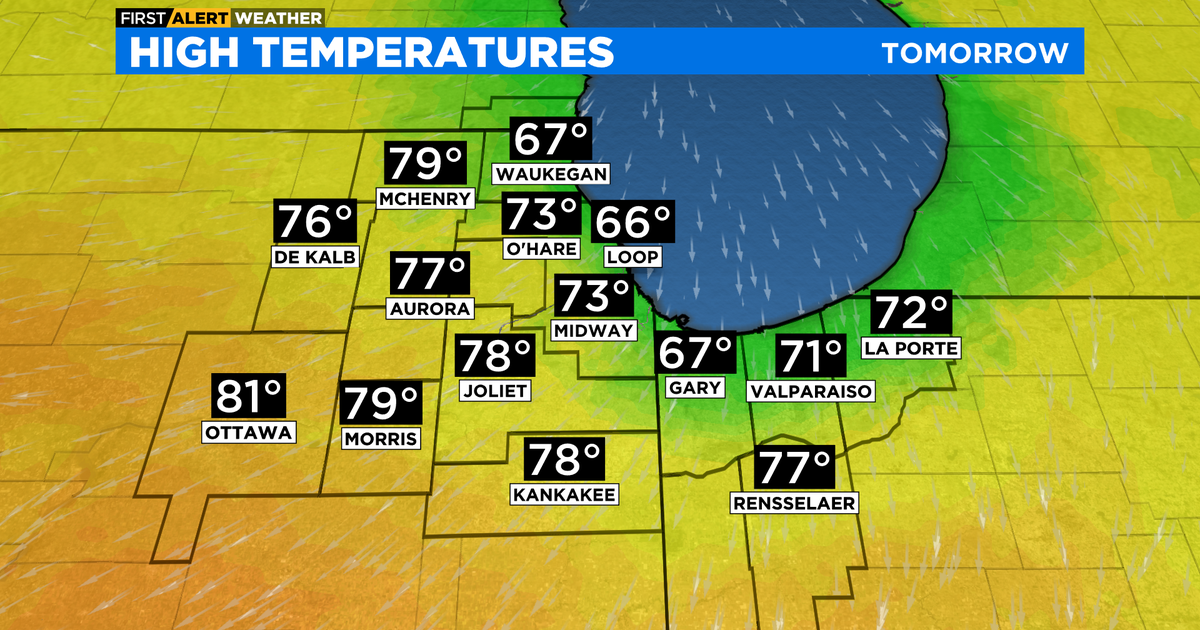
- Summer: The lake provides a cooling effect, especially along the lakefront. Areas closer to the water may be several degrees cooler than inland neighborhoods. This can be a welcome relief during heatwaves.
- Winter: In contrast, the lake can moderate the extreme cold somewhat, but it also contributes to lake-effect snow. When cold air masses move over the relatively warmer lake water, they pick up moisture, leading to snowfall in downwind areas, often on the eastern shores, including parts of Chicago.
Wind Patterns
Chicago’s nickname, the “Windy City,” is well-earned. The wind can significantly affect how the temperature feels.
- Wind Chill Factor: In winter, strong winds combined with low temperatures can create a dangerous wind chill, making it feel much colder than the actual air temperature. It’s crucial to factor this in when planning outdoor activities.
- Summer Breezes: In summer, lake breezes can offer a refreshing respite from the heat, particularly on the lakefront.
Storm Systems
The passage of low-pressure systems and cold fronts can cause rapid temperature swings. A warm day can quickly turn cold as a front moves through, bringing rain, snow, or even thunderstorms. Monitoring short-term forecasts is essential for anticipating these changes.
Preparing for Tomorrow’s Chicago Weather
To ensure you are well-prepared for whatever the weather in Chicago might bring tomorrow, consider the following:
Checking the Forecast
- Reliable Sources: Utilize reputable weather websites and apps. Many provide hourly forecasts, allowing you to plan for specific times of day. Look for forecasts that include “feels like” temperatures, especially during colder months.
- Local Nuances: Be aware that microclimates can exist within the city. For instance, areas near the lakefront might experience different conditions than those further inland.
Packing Smart
- Layering: This is the most effective strategy for adapting to changing conditions. Pack versatile pieces that can be added or removed as needed.
- Waterproof and Windproof Gear: A good quality waterproof and windproof jacket is a worthwhile investment for any visit to Chicago, regardless of the season.
- Appropriate Footwear: Comfortable, sturdy shoes are a must for exploring the city. If visiting in winter, insulated and waterproof boots are essential.
Activity Planning
- Flexibility: Have backup plans in case of inclement weather. Museums, theaters, and indoor dining options offer great alternatives to outdoor activities.
- Embrace the Elements: If visiting in winter, embrace the snow! Ice skating at Millennium Park, visiting the Magnificent Mile during the holidays, or enjoying a cozy evening at a restaurant with a view can be wonderful experiences.
By understanding Chicago’s climate and paying attention to the daily forecast, you can ensure your trip is comfortable, enjoyable, and memorable. Whether you’re planning to visit the Navy Pier, explore the diverse neighborhoods, or take in a Cubs game at Wrigley Field, knowing the temperature in Chicago tomorrow is your first step to a successful adventure.
LifeOutOfTheBox is a participant in the Amazon Services LLC Associates Program, an affiliate advertising program designed to provide a means for sites to earn advertising fees by advertising and linking to Amazon.com. Amazon, the Amazon logo, AmazonSupply, and the AmazonSupply logo are trademarks of Amazon.com, Inc. or its affiliates. As an Amazon Associate we earn affiliate commissions from qualifying purchases.