
Navigating the expanse of Massachusetts often brings travelers to ponder the distance between its two largest cities: the historic hub of Boston and the vibrant “Heart of the Commonwealth,” Worcester. Whether planning a commute, a business trip, a leisurely day out, or a longer stay, understanding the logistics of this journey is paramount. This guide delves into the precise distance, estimated travel times, various transportation methods, and key considerations for making the trip as smooth as possible.
The Geographical Reality: Distance and Direction
The geographical separation between Boston and Worcester is a fundamental aspect of travel planning in Massachusetts. Approximately 40 to 50 miles separate the two urban centers, depending on the specific starting and ending points within each city and the exact route taken. This distance places Worcester squarely within what’s often considered the outer ring of Boston’s metropolitan influence, making it a feasible, albeit noteworthy, journey for daily commuters or occasional visitors.
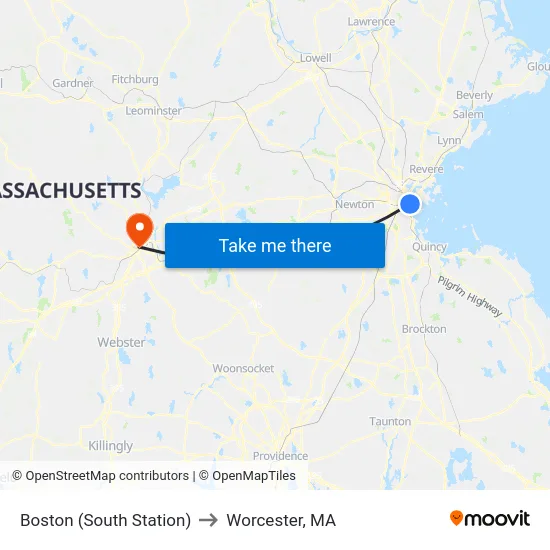
When considering the straight-line, or “as the crow flies,” distance, the figure is closer to 40 miles (about 64 kilometers). However, actual road travel introduces curves, turns, and specific highway paths, extending this measurement. Most common driving routes typically span around 45 to 50 miles (72 to 80 kilometers). This stretch of the state lies generally west of Boston, positioning Worcester as a gateway to central Massachusetts and beyond. The primary direction of travel is westward from Boston to Worcester, and eastward for the return journey. Understanding this fundamental geography is the first step in planning any trip between these two significant Massachusetts cities.
Understanding the Route
The most common and efficient route connecting Boston and Worcester is via the Massachusetts Turnpike, also known as I-90. This major interstate highway provides a direct, multi-lane path through the state, making it the preferred choice for most drivers. Starting from the heart of Boston, travelers typically access the Massachusetts Turnpike westward and follow it until one of the Worcester exits. The journey on the Massachusetts Turnpike is generally smooth, though it is a tolled road, meaning drivers should account for electronic toll payments (EZ-Pass/E-ZPass is highly recommended).
Alternative routes exist, such as utilizing Route 9, which runs parallel to the Massachusetts Turnpike for a significant portion of the journey. While Route 9 avoids tolls and offers a more local, scenic drive through various towns, it is typically slower due to numerous traffic lights, lower speed limits, and potential congestion through town centers like Natick, Framingham, and Shrewsbury. For speed and directness, the Massachusetts Turnpike remains the superior option. Selecting the right route often depends on personal preference for speed versus scenery, and whether avoiding tolls is a priority.
Modes of Transportation: Navigating Between Cities
Traveling between Boston and Worcester offers a variety of transportation options, each with its own advantages in terms of cost, convenience, and travel time. The choice of mode often depends on individual needs, such as budget constraints, the desire for flexibility, or environmental considerations.
Driving: Flexibility and Scenic Routes
Driving is arguably the most popular and flexible method for traveling between Boston and Worcester. As mentioned, the primary route is the Massachusetts Turnpike (I-90). Under ideal conditions, the drive typically takes between 45 minutes to 1 hour. This estimate, however, can fluctuate significantly due to traffic, especially during peak commuter hours (7 AM – 9 AM and 4 PM – 6 PM on weekdays) or on weekends during popular travel times. Drivers have the freedom to depart at their convenience, carry luggage without restriction, and make detours or stops along the way. While the Massachusetts Turnpike offers the quickest path, travelers seeking a less hurried journey might opt for Route 9, which provides a more local experience through several charming towns. Parking availability and costs in both Boston and Worcester are important factors to consider if driving is the chosen method.
Public Transportation: Commuter Rail and Bus Options
Public transportation offers a convenient and often more economical alternative to driving. The MBTA Commuter Rail provides direct service between Boston’s South Station and Worcester’s Union Station. This train journey is a popular choice for commuters, typically taking approximately 1 hour and 20 minutes to 1 hour and 30 minutes. The commuter rail allows passengers to avoid traffic stress and often offers a comfortable environment for reading or working. Schedules vary, so checking the latest MBTA Commuter Rail timetable is essential.
In addition to the train, intercity bus services like Peter Pan Bus Lines and Greyhound also operate routes between the two cities. These bus services generally run from South Station in Boston to Union Station in Worcester, with travel times usually ranging from 1 hour to 1 hour and 30 minutes, depending on traffic conditions and scheduled stops. Bus travel can often be more budget-friendly than the train, especially when booking tickets in advance.
Ride-Sharing and Taxis: Convenience on Demand
For those prioritizing convenience and directness without owning a car, ride-sharing services (such as Uber and Lyft) and traditional taxis are readily available. These services offer door-to-door transportation, eliminating the need for parking or navigating public transport schedules. The travel time will be comparable to driving, typically 45 minutes to 1 hour and 15 minutes, heavily dependent on traffic. However, this option is generally the most expensive, with fares fluctuating based on demand, time of day, and specific mileage. It’s often considered for special occasions, late-night travel, or when carrying significant luggage, particularly to or from Logan International Airport.

Travel Time Considerations: Planning Your Journey
Accurately estimating travel time between Boston and Worcester requires more than just knowing the distance; it involves understanding various factors that can influence the duration of your journey. Being mindful of these variables can help prevent delays and ensure a smoother trip.
Peak Hours vs. Off-Peak Travel
Traffic congestion is the most significant factor impacting travel times, particularly if you are driving. The Massachusetts Turnpike, while efficient, can become heavily congested during weekday morning (7:00 AM – 9:00 AM) and afternoon (4:00 PM – 6:00 PM) commuter hours. During these times, a drive that might typically take 45 minutes could easily extend to 1 hour and 30 minutes or even longer. Traveling during off-peak hours—mid-morning, early afternoon, or late evening—is highly recommended to minimize delays. Weekends can also see increased traffic, especially on Friday evenings and Sunday afternoons, as people travel for leisure or return home. Public transportation, particularly the MBTA Commuter Rail, offers a more predictable travel time since trains operate on fixed schedules and are less susceptible to road traffic. However, trains can also experience delays due to mechanical issues or track work, so checking service updates is always wise.
Road Conditions and Weather Impacts
Massachusetts weather can be a substantial disruptor to travel plans, especially during winter months. Snow, ice, and heavy rain can significantly slow down all forms of ground transportation. Driving in adverse weather conditions not only extends travel times but also increases safety risks. Reduced visibility and slippery roads mean lower speeds are necessary, adding considerable time to the journey. During heavy snowfalls, some routes, particularly Route 9, might become difficult to navigate. Even clear weather can present challenges, such as construction delays, which are common on major roadways like the Massachusetts Turnpike. Always check local weather forecasts and traffic reports before embarking on your journey to anticipate any potential issues. Utilizing navigation apps that provide real-time traffic updates can also be invaluable for rerouting or adjusting departure times.
Why Travel Between Boston and Worcester?
The consistent flow of traffic and public transit between Boston and Worcester underscores the significant connections between these two pivotal Massachusetts cities. People travel this route for a myriad of reasons, reflecting the diverse opportunities and necessities found in each locale.
Commuting and Business
A substantial portion of daily travel between Worcester and Boston is driven by commuting. Many individuals reside in Worcester and its surrounding towns, seeking a more affordable cost of living, while working in Boston’s bustling job market. Conversely, professionals based in Boston may travel to Worcester for business meetings, conferences, or to access the city’s growing biotech and healthcare sectors. The presence of numerous corporations, startups, and academic institutions in both cities necessitates frequent travel for collaboration, networking, and talent acquisition. Business travelers often prioritize efficiency and reliable transportation options, making the MBTA Commuter Rail or direct highway driving popular choices.
Leisure and Exploration
Beyond business, the route is well-traveled by those seeking leisure and cultural experiences. Boston offers world-class museums, historical sites, sporting events, and a vibrant dining scene, attracting Worcester residents for day trips or weekend getaways. Similarly, Worcester has its own unique appeal, with attractions like the Worcester Art Museum, the Ecotarium, and a burgeoning culinary landscape. Concerts and theatrical performances at venues like the Hanover Theatre for the Performing Arts draw visitors from Boston and beyond. For tourists exploring Massachusetts, including both cities in an itinerary offers a comprehensive view of the state’s historical depth and contemporary vibrancy.
Educational Pursuits
Both Boston and Worcester are significant educational hubs, home to numerous universities and colleges. Students, faculty, and researchers frequently travel between the cities for academic collaborations, seminars, athletic events, or to visit different campuses. For instance, students living in Worcester might attend internships in Boston, or vice versa. The academic connections foster a dynamic exchange of ideas and talent, further cementing the importance of reliable transportation links between the two. Parents visiting students, prospective students touring campuses, and alumni attending events also contribute to the travel volume on this corridor.

Tips for a Seamless Journey
To ensure your travel between Boston and Worcester is as smooth and stress-free as possible, consider these practical tips:
- Check Real-Time Traffic & Transit Updates: Before you leave, consult navigation apps (like Google Maps or Waze) for driving conditions and transit apps (MBTA app for the Commuter Rail) for any delays or service alerts. This is crucial for avoiding unexpected hold-ups.
- Travel During Off-Peak Hours: If your schedule allows, plan your departure outside of the typical rush hour windows (weekdays 7-9 AM and 4-6 PM) to significantly reduce travel time, especially if driving.
- Have an EZ-Pass/E-ZPass for Tolls: If driving the Massachusetts Turnpike (I-90), an EZ-Pass transponder will ensure seamless toll payments and often lower rates compared to “Pay By Mail” options.
- Book Public Transit Tickets in Advance: For bus services, purchasing tickets ahead of time, particularly online, can often secure better prices and guarantee a seat. Commuter Rail tickets can be purchased via the MBTA mTicket app.
- Consider Parking: If driving into either city, research parking options, availability, and costs beforehand. Parking in Boston can be particularly expensive and challenging to find. Worcester’s Union Station offers parking facilities for those taking the train to Boston.
- Pack Essentials: Regardless of your mode of transport, having water, snacks, entertainment (book, podcast), and a portable charger for your devices can make the journey more comfortable.
- Stay Informed on Weather: Especially during winter, keep an eye on weather forecasts. Heavy snow or ice can severely impact travel times and road conditions.
By keeping these tips in mind, your journey between Boston and Worcester can be a pleasant and efficient part of your Massachusetts experience.
LifeOutOfTheBox is a participant in the Amazon Services LLC Associates Program, an affiliate advertising program designed to provide a means for sites to earn advertising fees by advertising and linking to Amazon.com. Amazon, the Amazon logo, AmazonSupply, and the AmazonSupply logo are trademarks of Amazon.com, Inc. or its affiliates. As an Amazon Associate we earn affiliate commissions from qualifying purchases.