
The question “When was the Chicago World’s Fair?” opens a gateway to understanding a pivotal moment in American history, urban development, and the very concept of monumental exhibitions. While there wasn’t a single event that solely bore the name “The Chicago World’s Fair,” the city of Chicago hosted two exceptionally significant World’s Fairs, each leaving an indelible mark on the landscape and global perception of the United States. These were the Columbian Exposition in 1893 and the Century of Progress Exposition in 1933-1934. Understanding the context, purpose, and legacy of each reveals not just dates, but the aspirations and achievements of Chicago and the nation it represented.
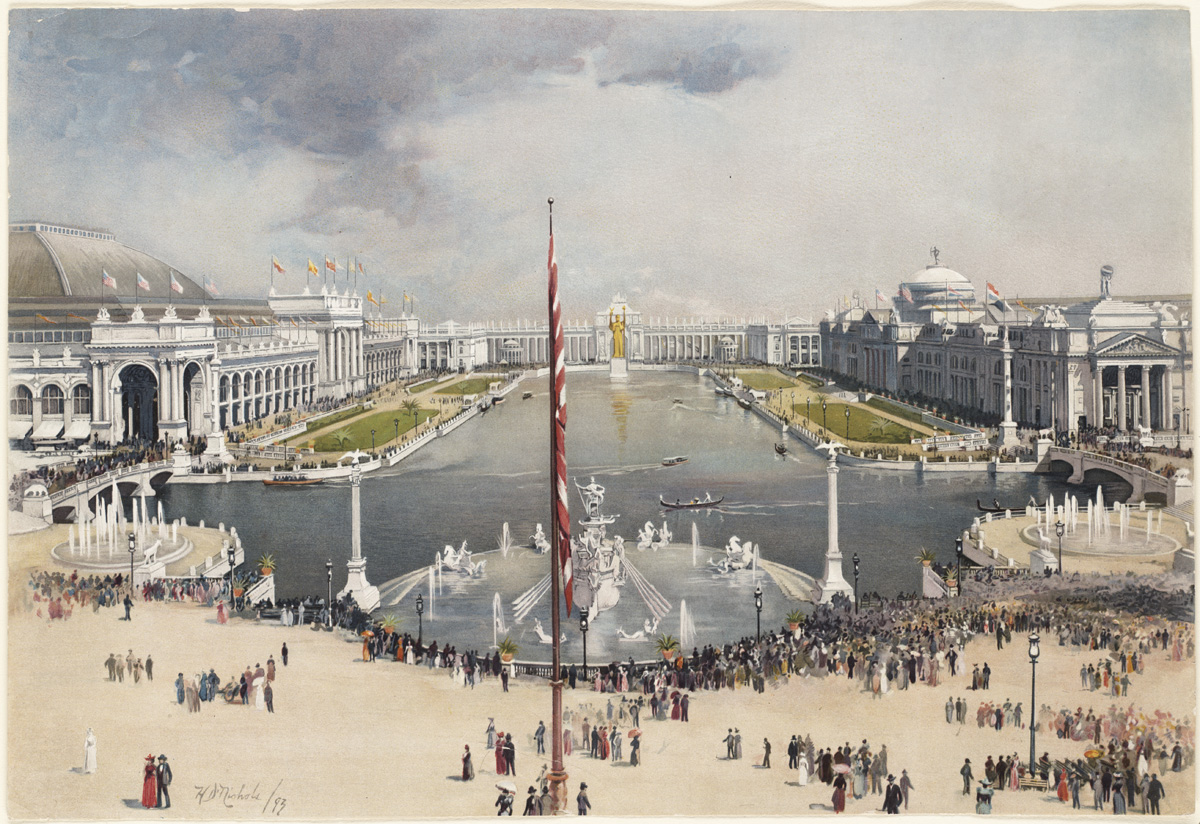
The Columbian Exposition of 1893: A “White City” for the Ages
The most prominent and historically significant event referred to when asking about “The Chicago World’s Fair” is undoubtedly the Columbian Exposition, officially known as the World’s Columbian Exposition. This grand spectacle was organized to celebrate the 400th anniversary of Christopher Columbus‘s arrival in the New World, though it was held a year late, in 1893. Its purpose extended far beyond a mere commemoration; it was conceived as a powerful statement of America‘s industrial might, cultural sophistication, and its coming of age on the world stage.
Genesis and Vision
The idea for a World’s Fair in Chicago began to germinate in the late 1880s. The city, still recovering from the Great Fire of 1871, was rapidly transforming itself into a major economic and cultural hub. Hosting a World’s Fair was seen as an opportunity to showcase this remarkable rebirth and to compete with established European powers. After a fierce bidding process, Chicago was chosen over cities like New York and Washington D.C., a testament to its dynamism and ambition.
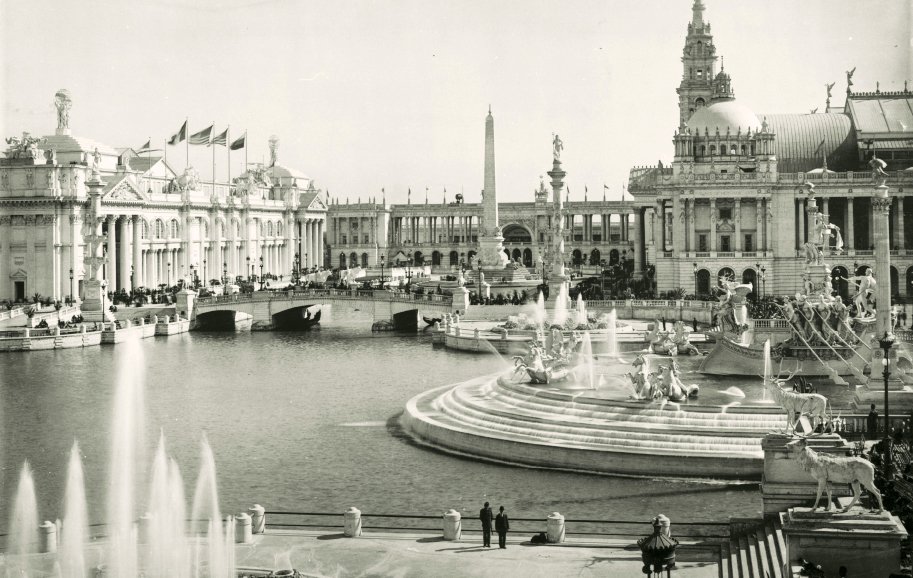
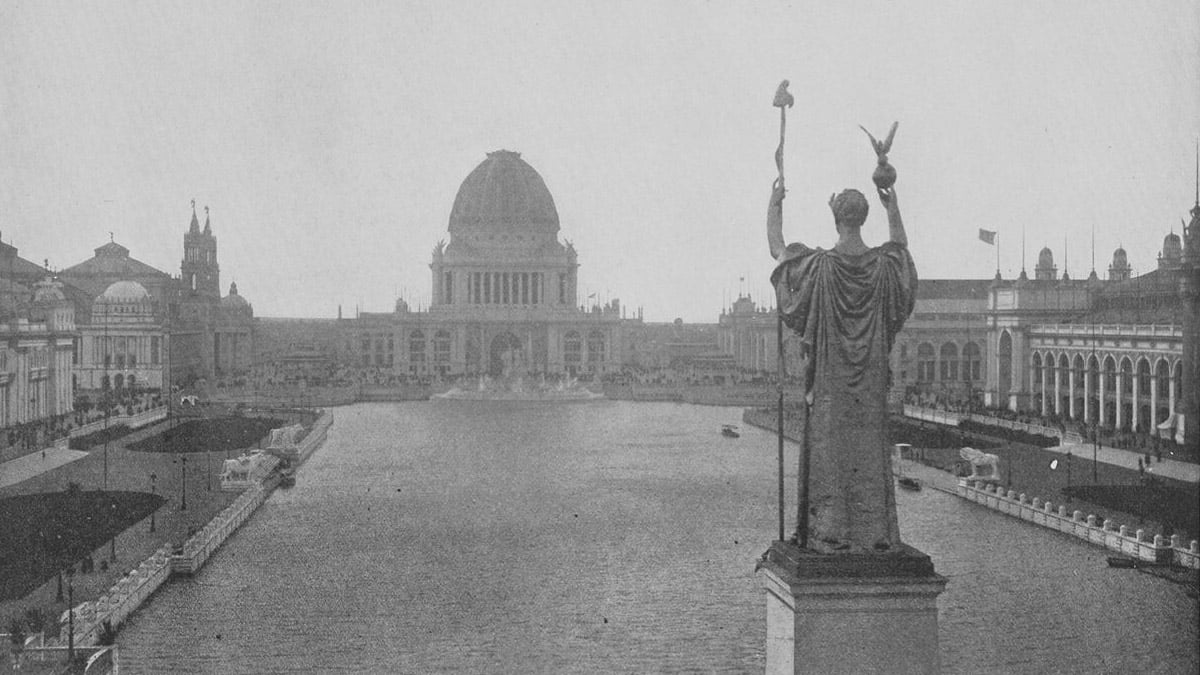
The fair’s design was entrusted to a team of leading architects and landscape designers, most notably Daniel Burnham and Frederick Law Olmsted. Their vision was to create a cohesive and breathtaking environment, a stark contrast to the bustling, often gritty reality of Chicago at the time. They envisioned a “White City,” a neoclassical dreamscape of gleaming white stucco buildings, grand boulevards, and serene waterways, all designed to inspire awe and admiration. This monumental undertaking required immense planning, labor, and financial investment.
The Fairgrounds and Attractions
Spread across over 600 acres in Jackson Park on the South Side of Chicago, the Columbian Exposition was a city within a city. Its central feature was the Court of Honor, a magnificent basin flanked by monumental structures housing various exhibits. These included the Administration Building, the Machinery Hall, the Manufactures and Liberal Arts Building (the largest building in the world at the time), the Electricity Building, and the Agricultural Building.
Beyond the primary exhibition halls, the fair was a microcosm of the world and its diverse offerings:
- The Midway Plaisance: This entertainment section offered a more exotic and lively experience, featuring ethnographic exhibits from around the globe, including a recreated Egyptian village and a Javanese court. It was here that attractions like the Ferris Wheel, designed by George Washington Gale Ferris Jr., made their debut, offering unparalleled views of the fairgrounds and the cityscape.
- The “Woman’s Building”: A dedicated space designed by Sophia Hayden, this building showcased the achievements of women in art, literature, and science, a significant step in recognizing female contributions.
- Technological Marvels: The fair was a showcase for the latest innovations. Electricity, still a relatively new force, was prominently displayed, illuminating the grounds at night and powering many of the exhibits. The moving walkway, an early precursor to the modern travelator, was another much-discussed innovation.
- Cultural Exchange: International pavilions brought the architecture, art, and customs of numerous countries to Chicago, fostering a sense of global connection and providing visitors with an unprecedented opportunity for cultural immersion without leaving the city.
Impact and Legacy
The Columbian Exposition was an overwhelming success, attracting over 27 million visitors during its six-month run. It played a crucial role in shaping American aesthetics and urban planning. The neoclassical architectural style, dubbed the “Beaux-Arts” style, influenced subsequent public buildings and city planning across the United States. The concept of the “City Beautiful” movement, which advocated for grand, monumental civic spaces, drew heavily from the fair’s success.
Furthermore, the fair cemented Chicago‘s reputation as a world-class city and a center of innovation and culture. It spurred economic growth and demonstrated the nation’s capacity for organizing and executing projects of unprecedented scale. While many of the fair’s temporary structures have long since vanished, its influence on urban design, architectural trends, and the very idea of a grand public exhibition is undeniable.
The Century of Progress Exposition of 1933-1934: A Vision of Tomorrow
Nearly four decades after the dazzling “White City,” Chicago once again stepped onto the world stage with the Century of Progress Exposition. This fair, held in 1933 and extended into 1934 due to its popularity, was designed to commemorate the 100th anniversary of Chicago‘s incorporation as a city. Unlike its predecessor, which looked back to classical ideals, this exposition embraced a decidedly modern and forward-looking theme: the progress of science and industry over the past century and their potential to shape the future.
A Modernist Aesthetic
The architectural style of the Century of Progress Exposition was a radical departure from the neoclassical grandeur of 1893. Instead, it embraced the sleek, functional, and often experimental designs of the Art Deco and Streamline Moderne movements. Buildings were characterized by their clean lines, geometric forms, vibrant colors, and innovative use of materials like aluminum, glass, and neon lighting. This “Modernistic” style was intended to reflect the dynamism and technological advancements of the era.
The fair was located on reclaimed land along the shore of Lake Michigan, just south of the downtown area, utilizing a narrow strip of land that would eventually become part of Northerly Island. This unique setting provided a dramatic backdrop for the exhibition.
Showcasing Innovation and Human Ingenuity
The central theme of the Century of Progress Exposition was the advancement of science and technology and their impact on daily life. The exposition sought to demonstrate how these advancements had improved the human condition and to offer a vision of what the future might hold.
Key areas and attractions included:
- The General Motors Futurama Exhibit: This highly popular exhibit, inspired by a similar pavilion at the 1933 New York World’s Fair, offered visitors a glimpse into the future of transportation and urban living.
- The Hall of Science: This pavilion showcased the scientific discoveries and breakthroughs of the past century, from physics and chemistry to biology and medicine.
- The Electrical Group: Demonstrating the transformative power of electricity, these exhibits explored its applications in industry, communication, and the home.
- Home of Tomorrow: This section featured innovative designs for modern living, including pre-fabricated homes, new appliances, and futuristic furniture, offering practical insights into potential future lifestyles.
- International and State Pavilions: As with the earlier fair, numerous countries and American states had their own pavilions, showcasing their unique contributions and cultures.
Facing Challenges and Achieving Success
The Century of Progress Exposition opened its doors during the depths of the Great Depression. This challenging economic climate significantly impacted attendance and the fair’s financial prospects. However, the organizers, led by Paul Whiteman, a renowned bandleader, worked tirelessly to attract visitors, employing innovative marketing strategies and entertainment.
Despite the economic headwinds, the fair eventually proved to be a significant success. It attracted over 38 million visitors over its two seasons. More importantly, it provided a much-needed boost to morale during a difficult period and showcased Chicago‘s resilience and forward-thinking spirit. The fair also generated considerable revenue, helping to alleviate some of the financial burdens of the city.
Enduring Influence
The Century of Progress Exposition left a lasting legacy, particularly in its embrace of modern architecture and its focus on technological progress. Many of its buildings, though many were temporary, influenced subsequent architectural trends. The exposition also solidified Chicago‘s image as a city at the forefront of innovation and a hub for cultural and scientific advancements. The site itself, along the lakefront, became a vital part of the city’s recreational and cultural landscape, influencing the development of Grant Park and Museum Campus.
The Significance of Chicago’s World’s Fairs
The dates of Chicago‘s World’s Fairs—1893 for the Columbian Exposition and 1933-1934 for the Century of Progress Exposition—mark not just historical footnotes but profound cultural and developmental milestones. These events were more than just temporary spectacles; they were powerful statements of intent, showcasing the ambition, innovation, and evolving identity of Chicago and, by extension, the United States.
The Columbian Exposition projected an image of a confident, ascendant nation, drawing on classical ideals to assert its place among established global powers. It shaped urban planning and architectural aesthetics for decades, embedding the concept of the monumental civic space into the American consciousness. The “White City” became a symbol of order, beauty, and progress, influencing how cities across the United States were envisioned and built.
The Century of Progress Exposition, on the other hand, looked towards the future, celebrating human ingenuity and the transformative power of science and technology. Emerging from the shadow of the Great Depression, it offered a message of hope and resilience, demonstrating that even in difficult times, progress was possible and the future held promise. Its modernist aesthetic foreshadowed the design trends of the mid-20th century.
Together, these two World’s Fairs illustrate Chicago‘s dynamic capacity for reinvention and its consistent role as a stage for national aspiration. They served as catalysts for urban development, technological adoption, and cultural exchange, leaving behind not just memories but tangible influences on the city’s landscape and the nation’s collective imagination. The answer to “When was The Chicago World’s Fair?” thus leads to a richer understanding of two distinct, yet equally impactful, eras in American history.
LifeOutOfTheBox is a participant in the Amazon Services LLC Associates Program, an affiliate advertising program designed to provide a means for sites to earn advertising fees by advertising and linking to Amazon.com. Amazon, the Amazon logo, AmazonSupply, and the AmazonSupply logo are trademarks of Amazon.com, Inc. or its affiliates. As an Amazon Associate we earn affiliate commissions from qualifying purchases.