
Engaging with the democratic process is a fundamental aspect of an active and responsible lifestyle. For many young people in California, the question of when and how they can cast their vote in pivotal elections, especially a Presidential Election, arises long before their 18th birthday. Understanding the nuances of voter eligibility laws in the Golden State is crucial for cultivating a proactive civic lifestyle and ensuring your voice is heard when it matters most. This guide delves into the specifics for 17-year-olds in California, illuminating the pathways to participation and the importance of early engagement.
Understanding Youth Voter Eligibility in California
The right to vote is a cornerstone of the democratic lifestyle, and while the 26th Amendment to the United States Constitution set the national voting age at 18, individual states retain the power to expand voting rights for younger citizens in certain circumstances. California is one such state that has adopted progressive laws to encourage earlier civic engagement, particularly for those approaching adulthood.
The Federal Standard vs. State Laws
At the federal level, you must be 18 years old by the date of a general election, including a Presidential Election, to cast a ballot for federal offices. This is the baseline. However, California law introduces an important distinction that allows 17-year-olds to participate in certain electoral stages. Specifically, California permits 17-year-olds who will be 18 by the date of the next general election to vote in primary elections and special elections. This is a critical point that often causes confusion.
For a Presidential Election, which consists of both a primary election (to select party candidates) and a general election (to choose the actual President), a 17-year-old in California can indeed vote in the presidential primary election if they will turn 18 by the subsequent general election day. They cannot, however, vote in the general election itself if they are still 17 on that specific date. This distinction is designed to allow young voters to have a say in the candidate selection process, fostering a more inclusive and dynamic civic lifestyle from a younger age.
Primary Elections and General Elections: A Key Distinction
To reiterate, the primary election is where voters select candidates who will represent their political party in the general election. This is often where the ideological direction of a party is shaped and where grassroots movements can have a significant impact. For a 17-year-old in California to vote in a presidential primary, they must meet the following criteria:
- They must be a United States citizen.
- They must reside in California.
- They must be at least 17 years old on the day of the primary election.
- Crucially, they must turn 18 on or before the day of the general election.
If these conditions are met, a 17-year-old can register and vote in the presidential primary, helping to shape the field of candidates. This means that a significant portion of the electoral cycle is open to younger citizens, offering a powerful avenue for early participation in the civic lifestyle. It’s an opportunity to influence policy and leadership from the ground up, even before reaching the federally mandated voting age for general elections.
The Impact of Pre-Registration and Conditional Voter Registration
California’s commitment to fostering a vibrant civic lifestyle extends beyond just allowing 17-year-olds to vote in primaries. The state has implemented innovative registration programs that make it easier for young people to ensure they are ready to vote as soon as they are eligible. These mechanisms, primarily pre-registration and conditional voter registration, are designed to remove barriers and streamline the path to the ballot box.
Benefits of Early Engagement
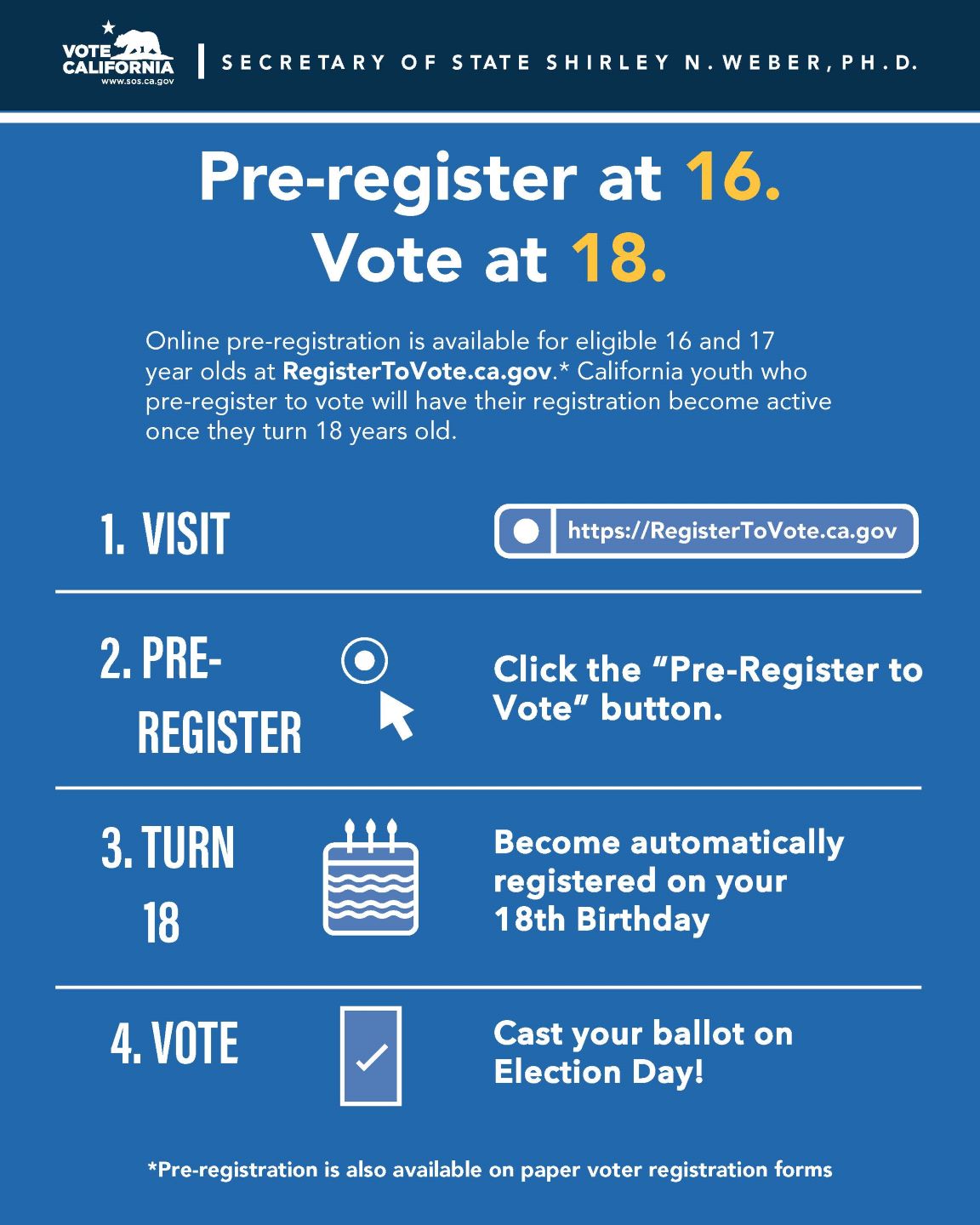
Pre-registration is a game-changer for cultivating an engaged civic lifestyle among young people. In California, citizens as young as 16 can pre-register to vote. When they turn 18, their voter registration automatically becomes active. This system has several key benefits:
- Simplifies the process: It removes the need for a separate registration step once they reach 18, reducing potential procrastination or oversight.
- Encourages awareness: Engaging with the registration process at 16 or 17 naturally encourages earlier awareness of elections, candidates, and civic responsibilities.
- Builds habits: Getting into the habit of thinking about voter registration early reinforces the idea that voting is a regular and important part of adult life.
For 17-year-olds who are eligible to vote in a presidential primary, pre-registration means their information is already on file, and they are ready to participate. This seamless transition from pre-registered to active voter status is a deliberate policy choice aimed at boosting youth turnout and integrating civic participation into the fabric of daily life.
What to Do on Election Day if You’re 17
If you are 17 years old and meet the criteria to vote in a California presidential primary (i.e., you will turn 18 by the general election), you can cast a regular ballot. The process is the same as for any other eligible voter. However, it’s essential to ensure your registration is complete and accurate before election day.

For those who miss the standard registration deadline for a primary election, California offers Conditional Voter Registration (CVR), often referred to as same-day voter registration. This allows individuals to register and cast a provisional ballot at any polling place or county elections office up to and including Election Day. For a 17-year-old who qualifies for the primary, this means that even if they missed the pre-registration or standard registration windows, they still have an opportunity to participate. Their provisional ballot will be counted once their eligibility is confirmed. This flexibility underscores California’s commitment to making voting accessible, promoting a lifestyle where civic engagement is an achievable goal for almost everyone.
Navigating the California Electoral Landscape
For young people embracing an active civic lifestyle, understanding how to engage with the electoral system is just as important as knowing when they are eligible. California provides numerous resources and straightforward processes to help voters, especially new and young voters, navigate their rights and responsibilities.
How to Register and Verify Your Status
The first step in exercising your right to vote, whether in a primary as a 17-year-old or in a general election as an 18-year-old, is voter registration.
The easiest and most common way to register in California is online. The official website of the California Secretary of State provides a user-friendly portal where you can:
- Register to vote: If you are 16 or older, you can pre-register or register directly if you meet the age requirements for the upcoming election. You’ll need your California driver’s license or ID card number, the last four digits of your Social Security number, and your date of birth.
- Update your registration: It’s crucial to keep your registration current, especially if you move or change your name. An outdated address could mean you don’t receive your ballot or voting information.
- Check your voter status: This is vital. Before any election, you can go online and verify that you are registered, confirm your polling place, and see your political party preference (if declared). For 17-year-olds planning to vote in a primary, double-checking your status ensures you are correctly registered and eligible to receive the appropriate ballot for your party.
Additionally, voter registration forms are available at many public locations, including post offices, libraries, and Department of Motor Vehicles offices. High school voter registration drives are also common, aiming to integrate civic participation into the lifestyle of students directly.
Resources for Young Voters
California offers a wealth of resources tailored to young and first-time voters. These are essential for anyone building a civic-minded lifestyle:
- Secretary of State’s Office: The official website (https://www.sos.ca.gov/) is the definitive source for all election-related information, including voter guides, important dates, and eligibility rules.
- County Elections Offices: Each of California’s 58 counties has an elections office that can provide localized information, assist with registration, and answer specific questions about polling places or ballot issues in your area. For instance, if you reside in Los Angeles County or San Francisco, their respective county elections websites will offer highly localized details.
- Non-Partisan Organizations: Many non-profit organizations are dedicated to promoting youth voter engagement. Groups like VoteRiders, Rock the Vote, and the League of Women Voters provide educational materials, registration assistance, and reminders about upcoming elections. These organizations often translate complex election laws into digestible formats, making them invaluable for young people beginning their journey into civic life.
- High School Programs: Many California high schools incorporate civics education and voter registration activities into their curriculum, creating a supportive environment for students to understand their rights and responsibilities as future voters.
Utilizing these resources is key to developing an informed and confident civic lifestyle, ensuring that your participation is meaningful and effective.
Why Your Vote Matters: Cultivating a Civic Lifestyle
Understanding the legalities of voting at 17 in California is the first step; appreciating the profound impact of your vote is the foundation of a truly engaged civic lifestyle. Even in a primary election, your participation carries significant weight and contributes to the democratic health of the state and the nation.
Shaping the Future of California and the Nation
Your vote, even if cast at 17 in a primary election, is not merely a symbolic gesture. It is a powerful tool for shaping the future. By participating in presidential primaries, you directly influence which candidates advance to the general election. This means you have a say in determining the ideological direction of political parties, the platforms on which candidates run, and ultimately, the policy decisions that will affect your life and the lives of those around you.
Policies on education, climate change, healthcare, economic opportunity, and social justice are all impacted by the leaders chosen through the electoral process. As a young voter, your perspectives are uniquely valuable, representing the future generation that will live with the long-term consequences of today’s decisions. Cultivating a civic lifestyle means recognizing this power and wielding it responsibly to advocate for the issues you care about most. It’s about being an active participant in creating the society you wish to live in, rather than a passive observer.

Beyond the Ballot: Other Forms of Civic Engagement
While voting is perhaps the most direct form of civic participation, an all-encompassing civic lifestyle extends beyond simply casting a ballot. For 17-year-olds who are passionate about making a difference, there are numerous other avenues to engage:
- Volunteering for Campaigns: Working on a candidate’s campaign, whether by phone banking, canvassing, or organizing events, offers hands-on experience and a deeper understanding of the political process.
- Advocacy and Activism: Participating in protests, organizing petitions, or joining advocacy groups allows you to champion causes and influence public opinion.
- Community Service: Engaging in local community service projects directly addresses needs within your neighborhood and builds a sense of collective responsibility.
- Staying Informed: Reading news from diverse sources, attending public forums, and engaging in respectful political discourse are crucial for making informed decisions and contributing meaningfully to conversations.
- Encouraging Others: Spreading awareness among your peers about voter registration, important election dates, and the significance of their participation is a powerful act of civic leadership.
Embracing these additional forms of engagement complements the act of voting, fostering a robust and dynamic civic lifestyle that continuously contributes to the betterment of society. California offers ample opportunities for its young citizens to become active members of its vibrant democratic landscape, starting even before they reach the age of 18 for general elections. By understanding the rules and embracing the spirit of participation, 17-year-olds in California can confidently step into their role as engaged citizens.
LifeOutOfTheBox is a participant in the Amazon Services LLC Associates Program, an affiliate advertising program designed to provide a means for sites to earn advertising fees by advertising and linking to Amazon.com. Amazon, the Amazon logo, AmazonSupply, and the AmazonSupply logo are trademarks of Amazon.com, Inc. or its affiliates. As an Amazon Associate we earn affiliate commissions from qualifying purchases.