
Navigating the Sunshine State on two wheels offers an unparalleled sense of freedom and adventure. From the vibrant streets of Miami to the historic charm of St. Augustine, Florida presents a diverse tapestry of riding experiences. However, before you twist the throttle and feel the warm breeze, it’s crucial to understand your legal obligations, particularly concerning motorcycle insurance. This guide will delve into the specifics of Florida motorcycle insurance requirements, helping you make informed decisions to protect yourself and your ride.
Understanding Florida Motorcycle Insurance Laws
Unlike many other states that mandate full coverage for all vehicles, Florida operates under a no-fault insurance system for cars, which influences its motorcycle insurance laws. However, when it comes to motorcycles, the regulations are distinct and often a source of confusion.
Bodily Injury Liability (BIL) – The Primary Concern
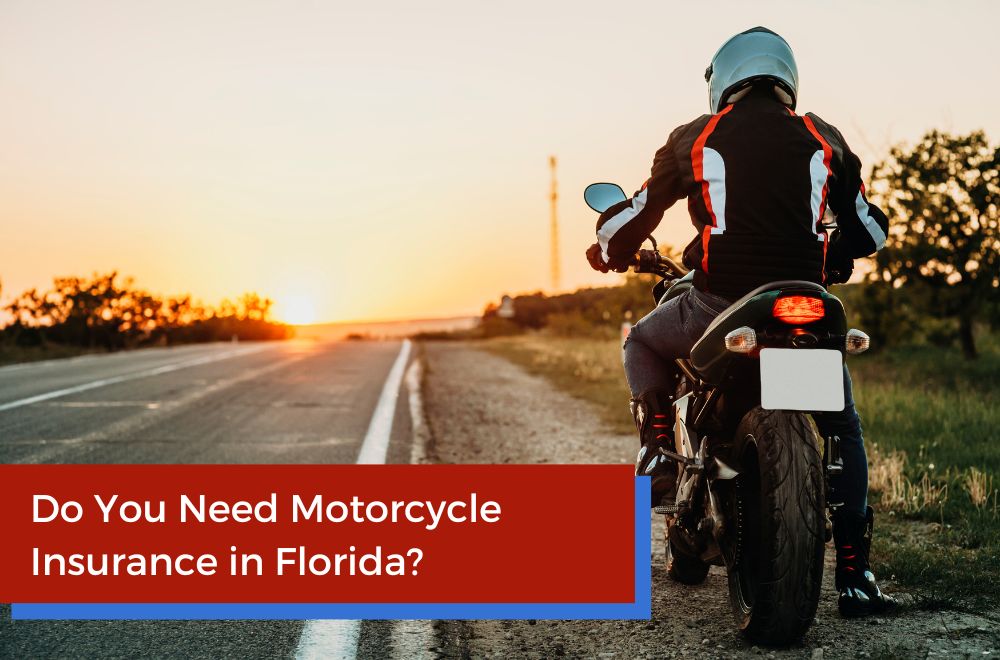
The cornerstone of Florida’s motorcycle insurance requirements lies in Bodily Injury Liability (BIL) coverage. According to Florida Statute 316.066, every motorcycle owner must carry a minimum of $10,000 in BIL coverage per person and $20,000 in BIL coverage per accident. This coverage is designed to pay for the medical expenses and lost wages of other people if you are found at fault in an accident that causes them injury.
It is imperative to understand that this BIL coverage does not apply to your own injuries. This is a critical distinction that many riders overlook.
Property Damage Liability (PDL) – Not Mandated, But Highly Recommended
While Florida law mandates BIL coverage for motorcycles, it does not require Property Damage Liability (PDL) insurance. PDL coverage is designed to pay for damage to another person’s property (such as their car, fence, or other belongings) if you are at fault in an accident.
Despite not being legally required, carrying PDL insurance is strongly advised. Accidents, even minor ones, can result in significant repair costs for the other party involved. Without PDL, you would be personally responsible for these expenses, which could lead to substantial financial burdens.
Medical Payments (MedPay) – Your Own Injuries
Since Florida does not mandate comprehensive or collision coverage for motorcycles, and BIL only covers others, you are personally responsible for your own medical bills in the event of an accident. This is where Medical Payments (MedPay) coverage becomes invaluable.
MedPay is a type of coverage that pays for your medical expenses, and those of your passengers, regardless of who is at fault in an accident. It can cover things like ambulance fees, hospital stays, doctor visits, and even rehabilitation. Many Florida motorcycle insurance policies offer MedPay in varying limits, typically ranging from $1,000 to $10,000 or more. Given the inherent risks associated with motorcycling, investing in adequate MedPay coverage is a prudent choice to ensure you can receive necessary medical treatment without facing crippling debt.
Uninsured/Underinsured Motorist (UM/UIM) Coverage – Protection Against the Negligent
A significant concern for any rider is encountering another driver who is uninsured or underinsured. Florida law requires that your insurance provider offer you Uninsured/Underinsured Motorist (UM/UIM) coverage. You have the option to reject this coverage in writing, but it is highly recommended that you accept it.
Uninsured Motorist (UM) coverage protects you if you are hit by a driver who has no insurance. Underinsured Motorist (UIM) coverage protects you if you are hit by a driver who has insurance, but their policy limits are not high enough to cover your medical expenses and lost wages. UM/UIM coverage can be a crucial safety net, ensuring you are not left to bear the financial consequences of another driver’s negligence.
Comprehensive and Collision Coverage – Protecting Your Investment
While not legally mandated in Florida, Comprehensive and Collision coverage are vital for protecting your motorcycle itself.
- Comprehensive Coverage: This covers damage to your motorcycle caused by events other than a collision, such as theft, vandalism, fire, falling objects, or natural disasters (like hurricanes, which are a concern in Florida).
- Collision Coverage: This covers damage to your motorcycle resulting from a collision with another vehicle or object, regardless of who is at fault.
If you have a loan or lease on your motorcycle, your lender or leasing company will almost certainly require you to carry both Comprehensive and Collision coverage to protect their investment. Even if you own your motorcycle outright, these coverages provide peace of mind and financial protection against costly repairs or replacement.
Factors Influencing Your Florida Motorcycle Insurance Premium
The cost of motorcycle insurance in Florida can vary significantly based on a multitude of factors. Insurers assess risk when determining your premium, and several elements contribute to this assessment.
Rider-Specific Factors
- Age and Experience: Younger and less experienced riders generally face higher premiums due to a statistically higher risk of accidents.
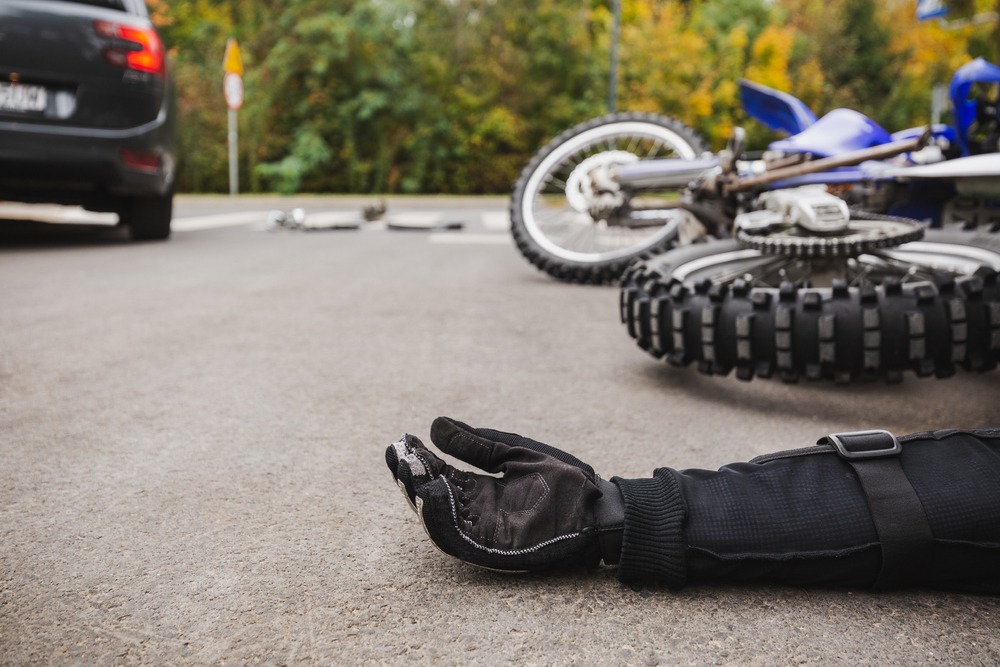
- Driving Record: A history of accidents, traffic violations, or DUIs will undoubtedly increase your insurance costs. Conversely, a clean record can lead to discounts.
- Coverage Selections: The more coverage you opt for, and the higher the limits you choose, the higher your premium will be. For instance, selecting higher MedPay limits or opting for Comprehensive and Collision coverage will increase your costs.
- Marital Status and Gender: In some cases, insurers may consider marital status and gender, though this practice is becoming less common due to anti-discrimination laws in some jurisdictions.
Motorcycle-Specific Factors
- Make, Model, and Year: More expensive, powerful, or sportier motorcycles typically have higher insurance premiums. This is due to their higher replacement cost and often greater risk of being involved in high-severity accidents.
- Safety Features: Motorcycles equipped with advanced safety features, such as anti-lock braking systems (ABS) or traction control, may sometimes qualify for lower premiums.
- Usage: How you use your motorcycle also plays a role. If you use it for commuting daily, it’s generally considered riskier than using it for occasional recreational rides.
Location-Specific Factors
- Geographic Area: Living in densely populated urban areas with higher traffic volumes and crime rates (like parts of Miami-Dade or Broward County) can lead to higher premiums compared to more rural areas.
- Theft Rates: Areas with higher motorcycle theft rates may also see increased insurance costs.
Other Factors
- Deductibles: Choosing higher deductibles for Comprehensive and Collision coverage will lower your premium, as you’ll be responsible for a larger portion of the repair cost in case of a claim.
- Discounts: Many insurance companies offer discounts for various reasons, such as completing a rider safety course, being a member of a motorcycle club, having multiple policies with the same insurer (multi-policy discount), or maintaining a good student status if you are a young rider.
Riders’ Safety Courses and Discounts
Completing an approved motorcycle safety course can have a dual benefit. Firstly, it enhances your riding skills, making you a safer and more confident rider, which can reduce your risk of accidents. Secondly, many Florida insurance providers offer significant discounts on premiums for individuals who have successfully completed a state-approved motorcycle safety course, such as those offered by the Motorcycle Safety Foundation (MSF) or similar organizations. This is a win-win situation, as you improve your safety and potentially lower your insurance costs.
When Do You Not Need Motorcycle Insurance in Florida?
It’s important to note that there are very specific circumstances under which you might be exempt from the mandatory BIL requirements. The primary exemption in Florida is if you have proof of financial responsibility in the form of a bond or self-insurance. This typically applies to entities like large corporations or government agencies that can demonstrate the ability to cover potential accident costs.
Another scenario, though less common and often misunderstood, relates to a specific exemption for motorcycle owners who have health insurance coverage that meets or exceeds the minimum PIP and PD benefits required for private passenger vehicles. However, this exemption is complex and has specific conditions that must be met. Crucially, this exemption does not waive the requirement for Bodily Injury Liability coverage. Given the complexity and the inherent risks of motorcycling, relying on such exemptions is often not advisable.
For the vast majority of motorcycle owners in Florida, carrying the mandated Bodily Injury Liability coverage is a legal necessity.
Choosing the Right Motorcycle Insurance Policy
Selecting the appropriate motorcycle insurance policy involves more than just meeting the minimum legal requirements. It’s about finding a balance between protection, cost, and peace of mind.
Assess Your Needs
Before shopping for policies, take stock of your individual circumstances:
- Your motorcycle: Its value, age, and type.
- Your riding habits: How often and where you ride.
- Your financial situation: What you can afford for premiums and deductibles, and what financial risk you can tolerate in case of an accident.
- Your health insurance: Does it adequately cover potential medical costs from a motorcycle accident?
Compare Quotes from Multiple Insurers
Just as you would shop around for the best deals on hotels or attractions, it’s essential to compare quotes from several reputable insurance companies. Prices and coverage options can differ significantly. Look beyond just the premium cost; examine the details of what each policy includes.
Understand Your Policy’s Details
Always read your policy thoroughly before signing. Pay close attention to:
- Coverage limits: Ensure they are sufficient for your needs.
- Deductibles: Understand what you’ll pay out-of-pocket for Comprehensive and Collision claims.
- Exclusions: Be aware of what your policy does not cover.
- Disclaimers and riders: Clarify any special conditions or additions to your policy.

Consider Additional Coverages
Depending on your situation, you might want to consider additional coverages beyond the basics:
- Accessory Coverage: If you’ve added custom parts or accessories to your motorcycle, ensure your policy covers them.
- Roadside Assistance: This can be a lifesaver if you break down while riding.
- Towing and Labor: Similar to roadside assistance, this can cover the cost of towing your motorcycle to a repair shop.
Riding a motorcycle in Florida is a fantastic way to experience the state’s diverse landscapes and vibrant culture. By understanding and adhering to the state’s motorcycle insurance laws, and by choosing a policy that adequately protects you and your ride, you can enjoy your adventures with greater confidence and security. Don’t let an unexpected accident derail your journey; ensure you’re properly insured before you hit the open road.
LifeOutOfTheBox is a participant in the Amazon Services LLC Associates Program, an affiliate advertising program designed to provide a means for sites to earn advertising fees by advertising and linking to Amazon.com. Amazon, the Amazon logo, AmazonSupply, and the AmazonSupply logo are trademarks of Amazon.com, Inc. or its affiliates. As an Amazon Associate we earn affiliate commissions from qualifying purchases.