
The simple question of whether a California Roll truly qualifies as sushi often sparks lively debate among culinary enthusiasts and casual diners alike. While many recognize it as a staple in sushi restaurants across the globe, its inclusion in the hallowed halls of traditional sushi can be a point of contention. To understand this, we must first delve into what defines sushi and then examine the unique characteristics of the California Roll. This exploration will illuminate its place within the broader landscape of Japanese cuisine and its significant impact on the global perception of sushi.

The Essence of Sushi: More Than Just Raw Fish
The term “sushi” in Japanese refers to a dish made with vinegared rice. This fundamental ingredient, shari, is the cornerstone of all sushi. The rice is seasoned with a mixture of rice vinegar, sugar, and salt, creating a distinct sweet and tangy flavor profile that complements the other components. While raw fish, known as sashimi, is a popular accompaniment and often associated with sushi, it is not a prerequisite. Many forms of sushi do not feature raw seafood at all, relying instead on cooked ingredients, vegetables, or egg.
Traditional Forms of Sushi
Understanding the roots of sushi helps contextualize newer variations. Traditional sushi encompasses several distinct forms:
Nigiri Sushi
This is perhaps the most iconic form of sushi, consisting of a hand-pressed oblong mound of shari topped with a slice of seafood (often raw, but sometimes cooked) or other ingredients like tamago (egg omelet). The simplicity of nigiri allows the quality of the individual ingredients to shine.
Maki Sushi
Maki refers to rolled sushi, where rice and fillings are rolled up in a sheet of seaweed (nori) and then sliced into bite-sized pieces. There are several sub-types of maki:
- Hosomaki: Thin rolls with a single filling, such as cucumber (kappamaki) or tuna (tekkamaki).
- Futomaki: Thick rolls with multiple fillings, often a combination of vegetables and sometimes cooked seafood or egg.
- Temaki: Hand-rolled cones of nori filled with rice and various ingredients, meant to be eaten immediately by hand.
Chirashi Sushi
Chirashi literally means “scattered sushi.” It features a bowl of sushi rice topped with an assortment of ingredients, which can include sashimi, vegetables, and garnishes.
Inari Sushi
This is a type of sushi consisting of sushi rice stuffed into a pouch of seasoned deep-fried tofu (aburaage). It is typically sweet and savory.
The common thread binding all these variations is the vinegared rice. Without it, a dish, however delicious, would not be classified as sushi in its truest sense.
The Genesis and Composition of the California Roll
The California Roll emerged not from the ancient traditions of Japan, but from the innovative culinary landscape of North America, specifically in Los Angeles, during the latter half of the 20th century. Its creation is often attributed to chefs seeking to introduce sushi to an American palate that was not yet accustomed to raw fish.

Key Ingredients and Construction
A typical California Roll is a type of maki sushi, but with a few significant departures from its traditional Japanese counterparts:
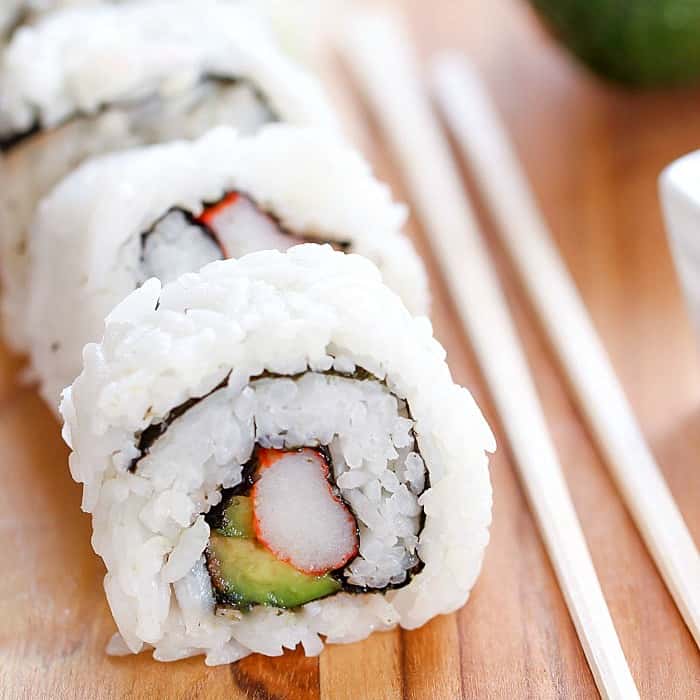
- Rice on the Outside: Unlike most Japanese maki, the rice in a California Roll is usually on the exterior of the nori sheet. This preparation method is known as uramaki (inside-out roll).
- Seaweed Inner Layer: The nori sheet is placed between the rice and the fillings.
- Common Fillings: The core ingredients typically include:
- Avocado: This creamy, mild fruit was a crucial innovation, offering a palatable texture and flavor that appealed to Western tastes.
- Crab Meat: Often imitation crab meat (surimi), which is processed fish paste, is used for its mild flavor and convenient texture. Real crab meat can also be employed.
- Cucumber: Providing a refreshing crunch and a hint of vegetal flavor.
- Optional Additions: Some variations may include mayonnaise, sesame seeds, or a sprinkle of tobiko (flying fish roe) on the outside.
The inclusion of avocado and imitation crab, along with the inverted rice presentation, were deliberate choices to make sushi more accessible and less intimidating to a new audience.
The Great Debate: Is It Truly Sushi?
The controversy surrounding the California Roll as sushi often centers on its origins and ingredients. Critics argue that its American inception and the frequent use of imitation crab meat detract from its authenticity. However, from a technical and ingredient-based perspective, it undeniably fits the definition of sushi.
Arguments for Inclusion
- Vinegared Rice: The most critical component of sushi—seasoned vinegared rice—is present and central to the California Roll. This alone places it within the sushi category.
- Culinary Evolution: Cuisine is not static. Throughout history, dishes have evolved as they travel across cultures, incorporating local ingredients and adapting to regional preferences. The California Roll is a prime example of this phenomenon, representing a successful fusion that broadened sushi’s appeal.
- Uramaki as a Recognized Form: The uramaki (inside-out roll) style itself is now widely accepted within the sushi world, originating as an adaptation to make the nori less prominent for diners who found its texture challenging.
Arguments Against or for Qualification as “Fusion”
- Non-Traditional Ingredients: The use of avocado, a fruit not traditionally found in Japanese cooking, and imitation crab meat, which is a processed product, are points of contention for purists.
- American Origin: Some argue that a dish originating outside of Japan cannot be considered “true” sushi, implying a lineage requirement.
- Focus on Raw Fish: While not a defining characteristic of sushi, the association with raw fish is strong. The California Roll, often using cooked or imitation crab, deviates from this common perception.
Ultimately, the debate often boils down to one’s definition of “sushi.” If defined strictly by its Japanese origins and traditional ingredients, one might hesitate. However, if defined by the presence of vinegared rice as the foundational element, then the California Roll unequivocally earns its place.
The Global Impact and Cultural Significance
Regardless of where one stands on its classification, the California Roll has had an undeniable and transformative impact on the global perception and popularity of sushi. Its success story is a testament to culinary adaptability and the power of fusion.
Bridging Cultural Divides
The invention of the California Roll was instrumental in making sushi accessible to a wider audience in the West. By introducing familiar flavors and textures like avocado and crab, it served as a gateway dish, encouraging diners to explore other, more traditional forms of sushi. This facilitated a gradual acceptance of Japanese cuisine, paving the way for the proliferation of sushi restaurants and appreciation for Japanese culinary arts worldwide.
A Symbol of Fusion Cuisine
The California Roll is a quintessential example of fusion cuisine – the blending of different culinary traditions. It demonstrates how culinary ideas can be adapted and reinvented to suit new markets and tastes. Its journey from a niche adaptation in Los Angeles to a globally recognized menu item highlights the dynamic and ever-evolving nature of food. Today, variations of the California Roll can be found in virtually every corner of the world, often with local twists, further cementing its status as a significant cultural crossover dish.
The Modern Sushi Experience
In contemporary sushi restaurants, from bustling metropolises like New York City to the shores of Australia, the California Roll is a ubiquitous offering. It stands alongside traditional nigiri and maki as a testament to how sushi has evolved. While purists may continue to debate its exact standing, its role in popularizing sushi and introducing countless individuals to this remarkable culinary art form is undeniable. It is a dish that, while perhaps not born of ancient Japanese tradition, is undeniably a part of the modern global sushi landscape.
LifeOutOfTheBox is a participant in the Amazon Services LLC Associates Program, an affiliate advertising program designed to provide a means for sites to earn advertising fees by advertising and linking to Amazon.com. Amazon, the Amazon logo, AmazonSupply, and the AmazonSupply logo are trademarks of Amazon.com, Inc. or its affiliates. As an Amazon Associate we earn affiliate commissions from qualifying purchases.