
Navigating the vibrant streets of Chicago often brings to mind iconic landmarks, world-class museums, and a culinary scene that tantalizes the taste buds. For visitors considering a more immersive experience, perhaps a longer stay or even a move to the Windy City, understanding the local infrastructure is paramount. Among the most practical, yet often overlooked, aspects of urban living is securing a residential parking permit. This guide delves into the essentials of obtaining one, ensuring your time in Chicago is as seamless as possible, whether you’re exploring Navy Pier for a day or settling into a cozy apartment in Lincoln Park.
Understanding Chicago’s Residential Parking Program
Chicago operates a comprehensive Residential Parking Program (RPP) designed to provide residents with priority parking in their neighborhoods. This program is crucial for those living in areas with high parking demand, such as popular neighborhoods like Wicker Park or the areas surrounding Soldier Field. The RPP essentially restricts public parking to a limited duration unless a valid permit is displayed. This prevents non-residents from occupying parking spaces for extended periods, thus ensuring availability for local inhabitants.
Who Needs a Residential Parking Permit?
The primary recipients of these permits are residents who own or lease a vehicle and reside within a designated RPP zone. If you are visiting Chicago for an extended period and are staying in a residential area where RPP is in effect, you might also need to investigate the visitor permit options. However, the core focus of this program is to serve the established community. This includes individuals who have recently moved to a new neighborhood and are keen to integrate into the local fabric, enjoying amenities like the nearby Lincoln Park Zoo without the constant worry of parking violations.
Designated RPP Zones
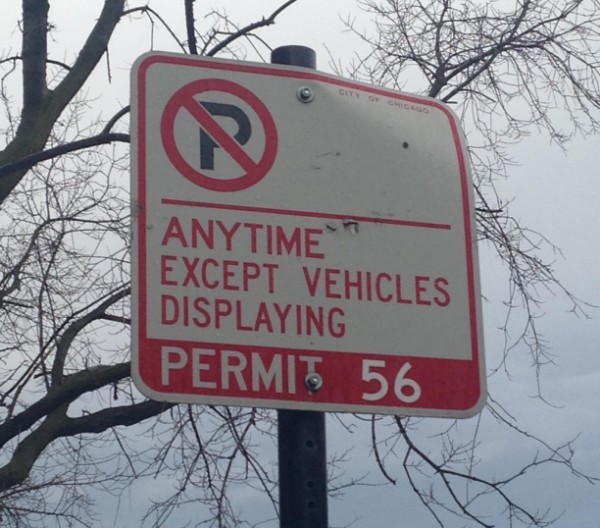
Chicago is divided into numerous RPP zones, each with its own specific signage indicating the restricted parking hours and the requirement for a permit. These zones are typically concentrated in densely populated neighborhoods where on-street parking is at a premium. Identifying whether your accommodation is within an RPP zone is the first step. Street signs are usually quite clear, displaying the zone number and the hours during which permits are enforced. For instance, you might see signs indicating “RPP Zone 341” with hours like “Permit Parking Only 7 AM – 9 PM, Monday – Friday.” Ignorance of these signs can lead to costly tickets, making it essential to be aware.
The Benefits of Having a Permit
For residents, the benefits are substantial. A valid residential parking permit allows you to park your vehicle on the street within your designated zone during permitted hours without time restrictions. This eliminates the daily stress of circling the block in search of an elusive parking spot. It also provides convenience for everyday activities, from commuting to work to simply running errands. For those who enjoy the local culture, such as visiting a neighborhood café or attending a performance at the Goodman Theatre, having a permit means you can park closer to your destination without the looming threat of a ticket.
How to Obtain Your Chicago Residential Parking Permit
The process for acquiring a residential parking permit in Chicago is managed by the city’s Department of Finance. While it might seem like a bureaucratic hurdle, the steps are relatively straightforward if you are well-prepared. The primary methods involve applying online or in person.
Online Application Process
The most convenient method for obtaining a residential parking permit is through the City of Chicago’s official website. The Department of Finance provides an online portal where eligible residents can apply for their permits.
Required Documentation for Online Application
To successfully complete the online application, you will typically need to provide the following:
- Proof of Residency: This can include a copy of your lease agreement, a recent utility bill (gas, electric, water) in your name and matching your residential address, or a driver’s license or state ID with your current Chicago address.
- Vehicle Registration: A copy of your vehicle’s current Illinois registration, showing your name and residential address as the primary owner.
- Vehicle Identification Number (VIN): You will need to input the VIN for each vehicle you wish to register for a permit.
- Payment Information: The application fee can be paid securely online via credit or debit card.
After submitting your application and documentation, the city will review it. If approved, your permit will be mailed to your registered address. It’s advisable to apply well in advance of when you actually need the permit, as processing and mailing times can vary. This ensures you are compliant before you even think about exploring neighborhoods like Lincoln Square or attending a game at Wrigley Field.
In-Person Application Process
For those who prefer or require in-person assistance, the City of Chicago Department of Finance operates several locations where you can apply for your residential parking permit.
City Hall and Other Service Centers
The primary location for in-person applications is often within Chicago City Hall. Additionally, there may be other satellite service centers throughout the city. It is crucial to check the official City of Chicago website for the most up-to-date information on service center locations, operating hours, and required appointments, as these can change.
Documentation for In-Person Application
The documentation required for an in-person application is generally the same as for the online process: proof of residency, vehicle registration, and VIN. You should bring original documents or certified copies as specified by the department. City staff will review your application on-site and, if approved, may issue a temporary permit or process your application for a mailed permit.
Permit Types and Costs
Chicago offers different types of residential parking permits to accommodate various needs, each with a corresponding fee structure. Understanding these options ensures you select the most suitable permit for your situation.
Annual Residential Parking Permits
The most common permit is the annual permit, valid for one year from the date of issuance. This is ideal for residents who anticipate needing parking privileges throughout the year. The cost for an annual permit is subject to change by the city, so it’s important to consult the official Chicago Department of Finance website for the current fee. Typically, the fee is relatively modest, reflecting its role as an infrastructure management tool rather than a significant revenue generator. This allows residents to enjoy their neighborhoods, from the bustling streets of Pilsen to the tranquil paths of Garfield Park, with greater ease.
Guest Permits and Visitor Passes
For residents who frequently have visitors, such as family members or friends coming to stay, the RPP also accommodates temporary parking needs.
Short-Term Visitor Permits
Chicago allows residents to purchase short-term visitor permits, often referred to as guest passes. These permits are designed for guests who will be parking in an RPP zone for a limited duration, typically for a few days. The purchase of these permits usually requires the primary permit holder’s information and is subject to specific purchase limits and fees. This is invaluable for those hosting out-of-town guests who wish to explore attractions like the Art Institute of Chicago without the hassle of finding legal parking.
Long-Term Guest Passes
In some instances, longer-term guest passes might be available for guests staying for more extended periods. The specifics of these permits, including availability and cost, should be verified directly with the Department of Finance.
Fees and Payment Methods
The exact cost of a residential parking permit can vary based on the type of permit and potential city adjustments. As of recent information, annual permits are generally in the range of $25-$75, but this figure is subject to change. Visitor permits also have a fee structure. Payment methods typically include major credit cards, debit cards, and money orders, especially for in-person applications. Online applications usually restrict payment to credit or debit cards. It’s always best to refer to the official city website for the most accurate and current fee schedule.
Important Considerations and Frequently Asked Questions
Obtaining a residential parking permit in Chicago is a straightforward process, but a few key details can help avoid common pitfalls and ensure a smooth experience.
Renewal Process
Residential parking permits are not permanent and require renewal. The city typically sends out renewal notices to registered permit holders before their current permit expires. You can usually renew your permit online or in person, similar to the initial application process. Prompt renewal is essential to maintain parking privileges and avoid tickets.
What If I Don’t Have a Car?
If you are a resident in an RPP zone but do not own a vehicle, you do not need a residential parking permit. The program is specifically for registered vehicle owners or lessees.
Multiple Vehicles and Residency
A permit is tied to a specific vehicle and a residential address. If you own multiple vehicles, you will need to apply for a separate permit for each one. Each resident can only register vehicles at their primary domicile. This ensures fairness and prevents individuals from circumventing the system.
Parking Violations and Permits
Having a residential parking permit does not exempt you from other parking regulations. You are still required to adhere to posted time limits on signage (even within RPP zones, some areas might have additional restrictions), no-parking zones, and street cleaning schedules. Unpaid parking tickets can also affect your ability to obtain or renew a permit. If you have outstanding fines, it’s best to resolve them before applying or renewing.

Moving or Changing Vehicles
If you move to a new address within Chicago, you will need to update your residency information and potentially apply for a new permit if your new neighborhood falls within a different RPP zone or if the previous resident’s permit is no longer valid. If you sell or purchase a new vehicle, you must update your vehicle registration with the Illinois Secretary of State and then update your parking permit information accordingly. Failure to do so can lead to incorrect ticketing.
By understanding these guidelines and the accessible resources provided by the City of Chicago, residents can effectively navigate the residential parking permit system, enhancing their urban living experience whether they are enjoying the architectural marvels along the Chicago River or the lively atmosphere of Halsted Street.
LifeOutOfTheBox is a participant in the Amazon Services LLC Associates Program, an affiliate advertising program designed to provide a means for sites to earn advertising fees by advertising and linking to Amazon.com. Amazon, the Amazon logo, AmazonSupply, and the AmazonSupply logo are trademarks of Amazon.com, Inc. or its affiliates. As an Amazon Associate we earn affiliate commissions from qualifying purchases.