
The Giants of the Pacific: Unveiling the Majesty of Coast Redwoods
The majestic California Redwood Tree (Sequoia sempervirens) stands as a testament to the enduring power and grandeur of nature. Found exclusively along a narrow strip of the Pacific coast, primarily in California and a small sliver of southern Oregon, these ancient giants are renowned for their staggering height, making them the tallest living organisms on Earth. For anyone planning a visit to the iconic Redwood National and State Parks or exploring the verdant landscapes of the Pacific Northwest, understanding the scale of these magnificent trees is a crucial part of appreciating their awe-inspiring presence.
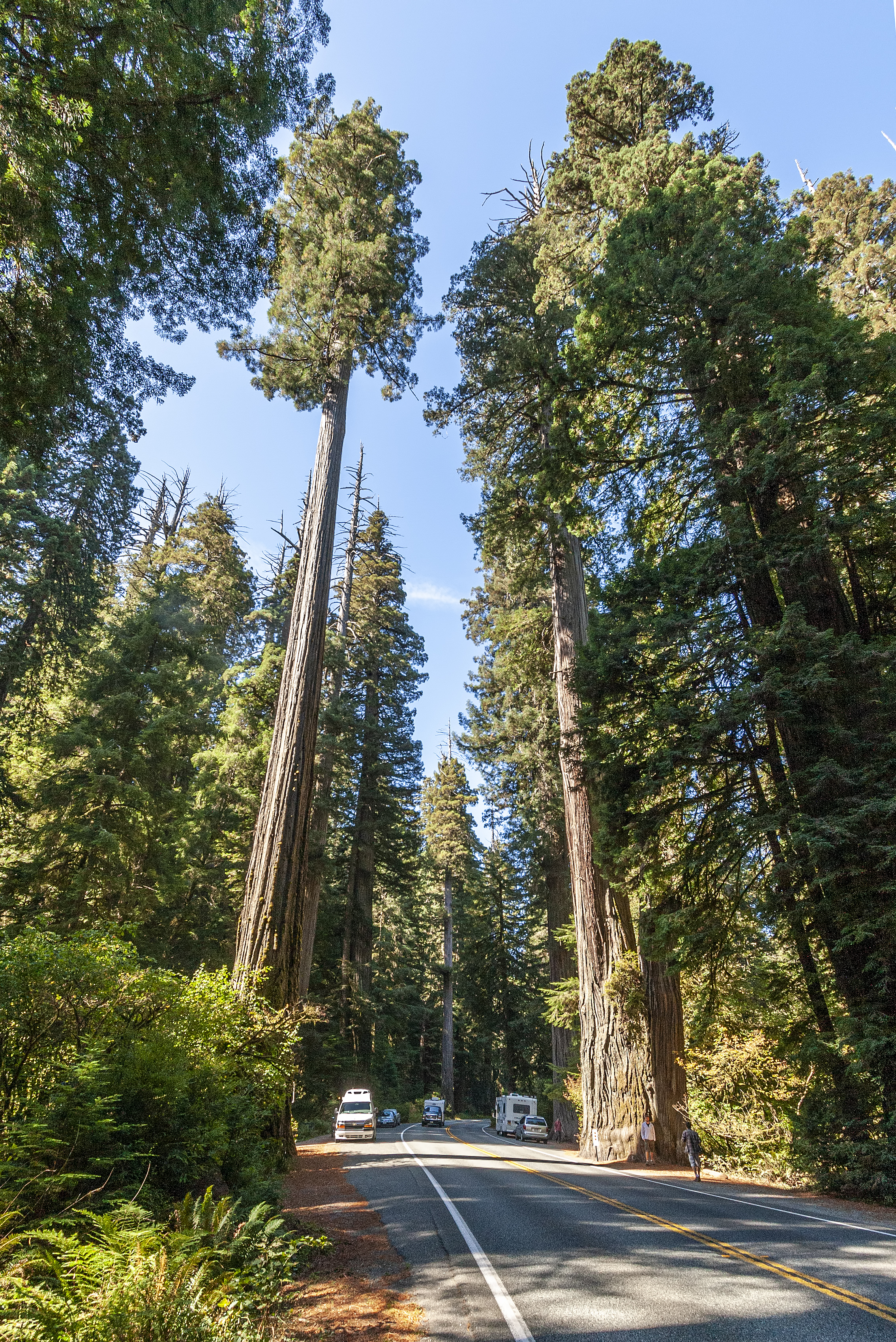
The question of “how tall is a California Redwood tree?” is not just a matter of simple measurement; it delves into the biology, ecology, and historical significance of these remarkable beings. While an average mature redwood might reach impressive heights, the champions of the species push the boundaries of what seems physically possible. Their longevity, often spanning over a thousand years, allows them to achieve these extraordinary dimensions, creating forest ecosystems that are unique and irreplaceable. Exploring these towering forests offers a profound connection to the natural world, a chance to stand in the shadow of titans and contemplate the passage of time.
Measuring the Giants: From the Forest Floor to the Sky
Determining the precise height of a California Redwood Tree is a complex endeavor, often requiring specialized equipment and techniques. Unlike measuring a building or a mountain, the sheer scale and irregular shapes of these trees, coupled with the often dense forest canopy, present unique challenges. However, through a combination of laser rangefinders, clinometers, and detailed aerial surveys, arborists and researchers have been able to document their incredible vertical reach.
The Champions of Height: Record-Breaking Specimens
The undisputed record holder for the tallest tree in the world is a California Redwood Tree named Hyperion. Located within Redwood National Park, this colossal specimen measures an astonishing 380 feet (115.85 meters) in height. To put this into perspective, it is taller than the Statue of Liberty and considerably taller than most modern skyscrapers. Its exact location is kept confidential by the National Park Service to protect it from potential damage, a measure that underscores its immense value and fragility.
Beyond Hyperion, numerous other redwoods surpass the 350-foot mark. These giants are not isolated anomalies; they represent the pinnacle of the species’ growth potential, nurtured by the unique environmental conditions of their coastal habitat. The ongoing discovery of new exceptionally tall trees continues to highlight the dynamic nature of these ancient forests and the potential for further revelations about the upper limits of arboreal growth.
Average Heights and Typical Dimensions
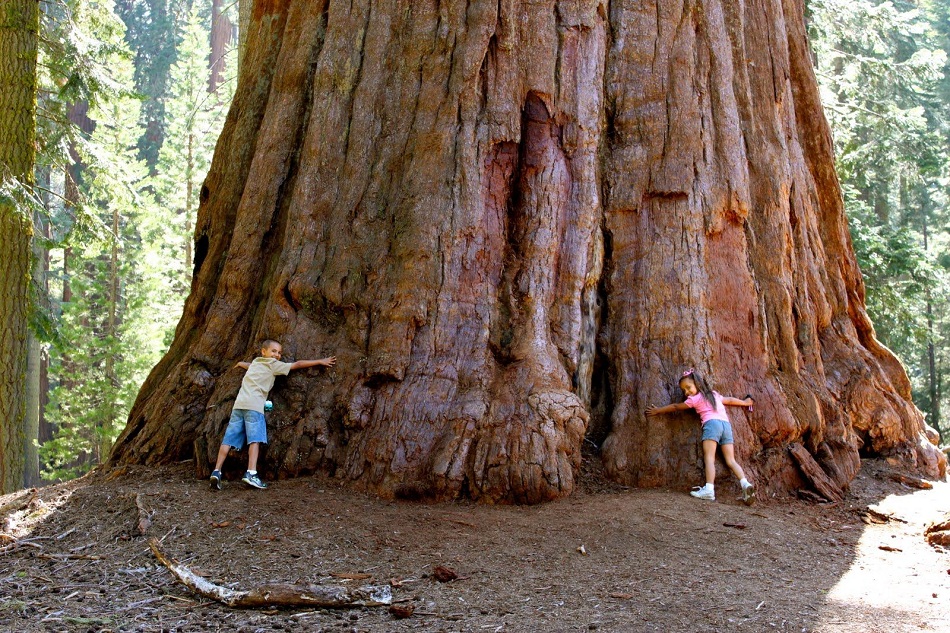
While the record-holders capture our imagination, it is also important to understand the more typical heights of mature California Redwood Trees. A mature tree in a healthy forest setting commonly ranges from 200 to 300 feet (60 to 90 meters) tall. Their trunks can be equally impressive, often reaching diameters of 6 to 12 feet (1.8 to 3.6 meters), and sometimes even larger. The sheer volume of wood contained within these ancient trunks is staggering, contributing to their immense biomass and ecological significance.
These typical dimensions are still awe-inspiring and contribute to the experience of walking among them. The dense canopy created by trees of this stature filters sunlight, creating a unique, dappled light that permeates the forest floor, contributing to the tranquil and almost spiritual atmosphere of these ancient groves. The consistent presence of such towering trees is what defines the iconic redwood landscape.
The Ecological Symphony: What Allows Redwoods to Reach Such Heights?
The extraordinary height of California Redwood Trees is not a mere accident of nature but a complex interplay of genetic predisposition, favorable climate, and abundant resources. Understanding these factors provides crucial insight into how these giants thrive and how their ecosystems are sustained.
Climate and Geography: The Coastal Advantage
The narrow coastal belt where redwoods flourish offers a unique microclimate. The cool, moist air from the Pacific Ocean provides consistent fog cover, especially during the dry summer months. This fog is a critical source of water, condensing on the needles and dripping down to the forest floor, supplementing rainfall and preventing the trees from succumbing to drought stress. This constant supply of moisture is a significant factor in their ability to grow so tall, as water transport to extreme heights is energetically demanding for any plant.
Furthermore, the region benefits from mild temperatures year-round, with neither extreme heat nor prolonged freezing. This stable climate minimizes stress on the trees, allowing them to dedicate their energy to growth. The protection offered by the surrounding mountains also shields the redwood forests from harsh inland weather patterns, creating a stable and supportive environment.
Soil and Nutrient Cycling: The Foundation for Growth
The soils in redwood forests are typically rich and well-drained, often composed of decomposed organic matter from centuries of leaf litter and fallen trees. This creates a nutrient-rich environment that fuels the immense growth of these trees. The decomposition process is efficient, thanks to the consistent moisture and moderate temperatures, making essential nutrients readily available for uptake by the redwood’s extensive root systems.
The symbiotic relationship with various fungi and microorganisms in the soil also plays a vital role. These organisms help break down complex organic compounds, making nutrients more accessible to the trees and assisting in water absorption. This complex underground network is as crucial to the redwood’s life as its towering canopy above.
Adaptations for Height: Biological Marvels
California Redwood Trees possess remarkable biological adaptations that enable them to defy gravity. Their xylem, the tissue responsible for transporting water from the roots to the leaves, is exceptionally efficient. The sheer number of conduits and their specialized structure allow for effective water movement against gravity, even to heights of over 300 feet.
Additionally, their bark is exceptionally thick and fibrous, offering significant protection against fire, insects, and disease. This resilience allows them to survive for millennia, accumulating the growth needed to reach their colossal statures. The unique chemical compounds within their wood also contribute to their durability and resistance to decay.
Experiencing the Redwood Giants: Planning Your Visit
For travelers and nature enthusiasts, a visit to the California Redwood Trees is an unforgettable experience. The sheer scale of these living monuments inspires awe and a profound sense of connection to the natural world. Several key destinations and considerations can enhance your journey.
Premier Destinations for Redwood Exploration
The most iconic and accessible locations to witness these towering trees are within the protected areas established for their preservation.
-
Redwood National and State Parks: This UNESCO World Heritage site comprises several parks, including Jedediah Smith Redwoods State Park, Del Norte Coast Redwoods State Park, and Prairie Creek Redwoods State Park, all in northern California. Here, you can find some of the tallest trees on Earth, accessible via scenic drives like the Newton B. Drury Parkway and hiking trails that wind through ancient groves.
-
Humboldt Redwoods State Park: Located further south in California, this park is home to the Avenue of the Giants, a scenic alternative to Highway 101. This route offers numerous pull-offs and short hikes into magnificent redwood groves, including the famous Founders Grove.
-
Muir Woods National Monument: Situated just north of San Francisco, Muir Woods provides a more accessible, though often more crowded, experience with impressive old-growth redwoods. Advance reservations are often required for parking and shuttle access.

Preparing for Your Forest Immersion
To fully appreciate the scale and beauty of the redwood forests, some preparation is recommended.
-
Footwear: Comfortable, sturdy walking shoes are essential for navigating the trails, which can sometimes be damp or uneven.
-
Clothing: Layering is key. The coastal climate can be cool and foggy, even in summer. Waterproof outer layers are advisable.
-
Navigation: While many trails are well-marked, having a map or using a reliable navigation app can be helpful, especially on less-trafficked paths.
-
Respect for Nature: Remember that these are living ecosystems. Stay on designated trails, do not disturb wildlife, and pack out everything you pack in.
-
Photography: Bring a camera to capture the grandeur, but also remember to disconnect and simply experience the profound stillness and immense presence of these ancient trees. The feeling of craning your neck to see the canopy, a sensation unique to these forests, is an experience that photos can only hint at.
Standing beneath a California Redwood Tree is an exercise in perspective, a humbling encounter with life that has endured for centuries, if not millennia. Their staggering heights are not just a biological marvel but an invitation to explore, to learn, and to connect with the ancient, living history of the Pacific Northwest.
LifeOutOfTheBox is a participant in the Amazon Services LLC Associates Program, an affiliate advertising program designed to provide a means for sites to earn advertising fees by advertising and linking to Amazon.com. Amazon, the Amazon logo, AmazonSupply, and the AmazonSupply logo are trademarks of Amazon.com, Inc. or its affiliates. As an Amazon Associate we earn affiliate commissions from qualifying purchases.