
Unveiling the Voices Behind the Timeless Sound of Chicago
The enduring legacy of the band Chicago is inextricably linked to its distinctive blend of rock, jazz, and pop, a sound that has resonated with audiences for over five decades. While the band’s rich instrumentation, innovative arrangements, and prolific output are central to their success, the vocal melodies have often been the immediate gateway for listeners. The question “Who was the lead singer for [Chicago]?” is a common one, reflecting the multifaceted vocal contributions that have defined their iconic discography. The answer, however, is not as simple as pointing to a single individual. Chicago has famously benefited from a dynamic and evolving vocal front, with multiple members stepping into the spotlight to deliver their unforgettable hits.
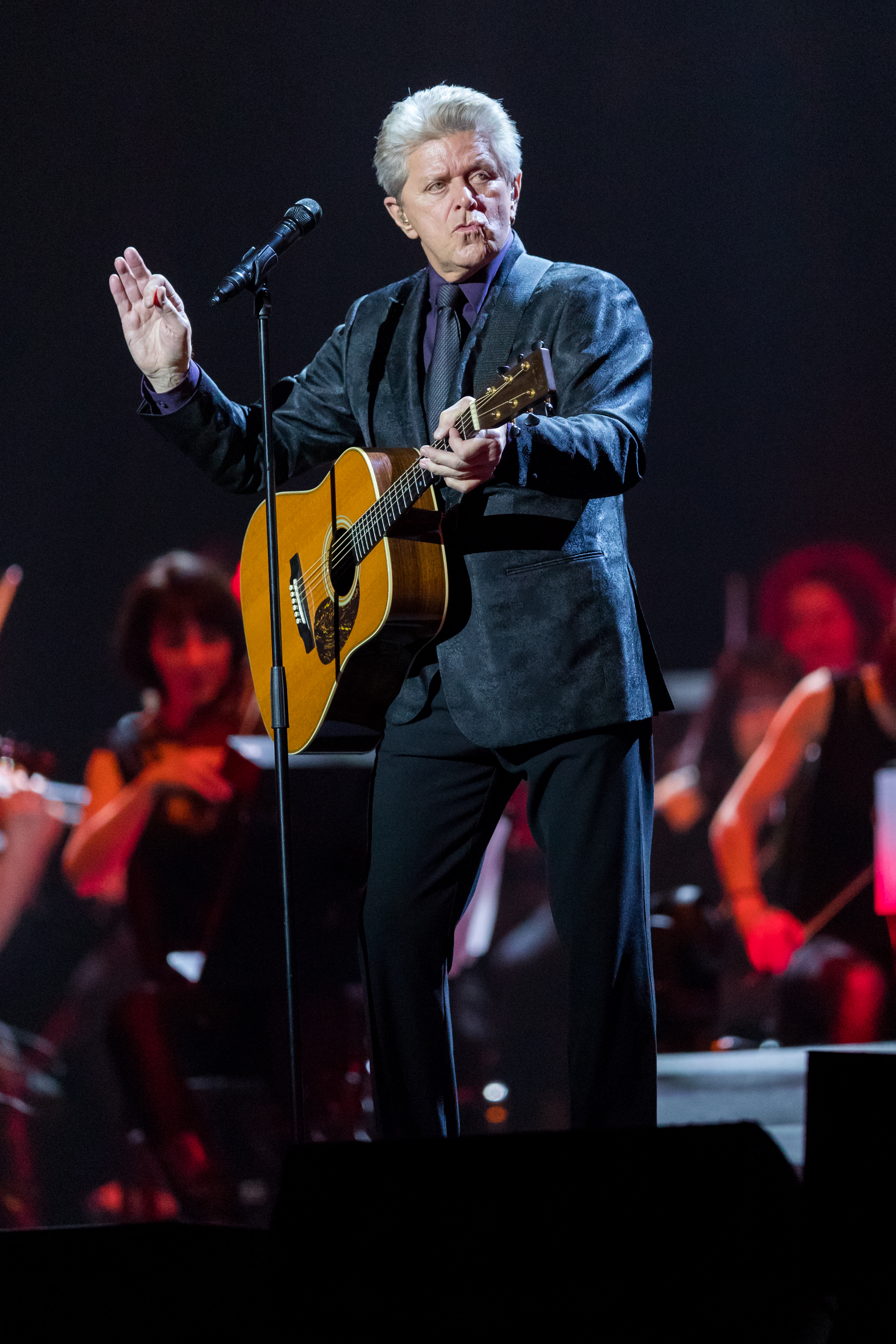
Peter Cetera: The Architect of Early Vocal Dominance
When the name Chicago is mentioned in the context of lead singers, Peter Cetera is undoubtedly the first figure that comes to mind for many. As a founding member and bassist, Cetera’s smooth, high tenor voice became the signature sound of the band during their formative and most commercially successful years. His vocal performances on seminal tracks like “25 or 6 to 4,” “Does Anybody Really Know What Time It Is?,” “Colour My World,” and “Beginnings” cemented his status as the primary vocalist.
Cetera’s vocal style was characterized by its warmth, precision, and a remarkable ability to convey emotion, from the raw power of their early rock anthems to the tender vulnerability of their ballads. He was not just a singer but an integral part of the songwriting process, co-writing many of the band’s biggest hits. His contributions were particularly prominent on their early albums, where his vocals often carried the melodic weight of songs that explored themes of love, disillusionment, and social commentary.
His solo career, launched in the mid-1980s, saw him achieve significant mainstream success, most notably with the hit song “Glory of Love” from the The Karate Kid Part II soundtrack. While his departure marked a significant shift for Chicago, his vocal legacy remains a cornerstone of their enduring appeal. His work with the band is a masterclass in pop-rock vocal delivery, and his influence can still be heard in the way contemporary vocalists approach melodic singing within ensemble settings. The period where Peter Cetera was the primary lead singer is often considered the golden era of Chicago by many long-time fans and critics alike, a testament to his profound impact.
Robert Lamm: The Versatile Melodist and Founding Voice
While Peter Cetera often took center stage for many of the band’s most recognizable hits, Robert Lamm, the band’s keyboardist and another founding member, also played a crucial role in shaping Chicago’s vocal identity from its inception. Lamm’s voice, while different in texture and range from Cetera’s, offered a complementary and equally essential dimension to the band’s sound.
Lamm’s distinctive vocal contributions can be heard on numerous significant tracks, including “Saturday in the Park,” “Does Anybody Really Know What Time It Is?” (alongside Cetera), and “Call Me.” His singing often possessed a more grounded, introspective quality, perfectly suiting the band’s more philosophical and observational lyrical themes. He was a key architect of the band’s jazz-influenced arrangements and brought a sophisticated musicality to his vocal performances.
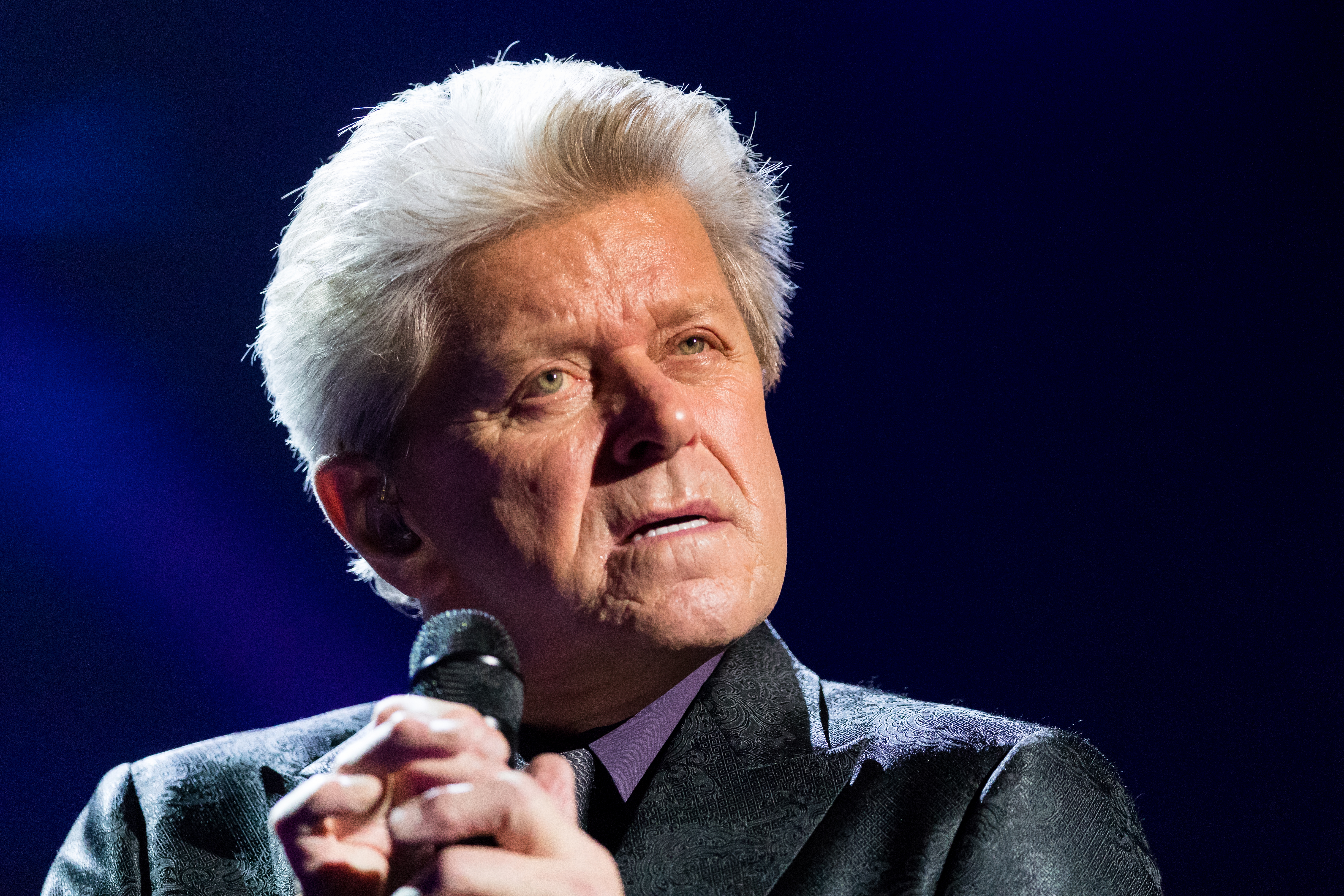
Beyond his vocal duties, Lamm has been a consistent songwriter and arranger for Chicago, contributing significantly to their creative output. His presence as a lead vocalist provided a crucial balance to Cetera’s more overt vocal stylings, allowing the band to explore a broader emotional and musical spectrum. The interplay between Lamm’s and Cetera’s voices, often harmonizing or taking different lead passages within the same song, became a hallmark of Chicago’s early sound, creating a rich tapestry of vocal textures. His continued involvement with the band over the decades underscores his unwavering commitment to their artistic vision and his enduring vocal talent.
Bill Champlin: A New Dimension of Vocal Power
Following Peter Cetera‘s departure in 1985, Chicago faced the challenge of redefining their vocal lead. They found a remarkable solution in Bill Champlin, a highly respected singer, songwriter, and guitarist in his own right, who had already achieved success with his band Sons of Champlin. Champlin’s integration into Chicago brought a powerful new vocal dynamic and a wealth of songwriting experience.
Champlin’s voice, characterized by its robust tone and soulful delivery, brought a fresh energy to the band. He quickly became a prominent lead vocalist, fronting hit songs like “Hard to Say I’m Sorry/Get Away” (though originally sung by Cetera, Champlin’s live performances and subsequent recordings often featured his distinctive interpretation), and contributing significantly to their successful albums of the late 1980s and 1990s. His songwriting collaborations, particularly with David Foster and Richard Marx, helped to steer Chicago towards a more contemporary pop sound while retaining their signature musicality.
The addition of Champlin not only provided strong lead vocals but also enriched the band’s harmonies and overall performance. His presence ensured that Chicago could continue to deliver the high-quality vocal performances that their fans expected, while also pushing their sound in new directions. His tenure with the band, which spanned over 17 years, solidified his place as a key figure in their ongoing story and a vital contributor to their later hits.
Jason Scheff: Carrying the Torch of Legacy Vocals
As the band continued to evolve, Jason Scheff emerged as another significant lead vocalist for Chicago. Joining the band in 1985, shortly after Peter Cetera‘s departure, Scheff took on the significant responsibility of filling those vocal shoes. As the band’s bassist, following in Cetera’s footsteps on that front as well, Scheff brought a natural connection to the band’s foundational sound.
Scheff’s vocal style, while distinct from Cetera’s, possessed a melodic sensibility and a range that allowed him to tackle many of the band’s classic hits with conviction. He became the primary vocalist on many of their 1990s hits, including “Will You Still Love Me?” and “If She Would Have Been Mine.” His ability to perform the band’s extensive catalog, both old and new, with authenticity and passion was crucial to maintaining Chicago’s live appeal.
Beyond his lead vocal duties, Scheff also contributed as a songwriter and played a significant role in the band’s musical direction during his tenure. His presence ensured a smooth transition for the band, allowing them to continue touring and recording with a strong vocal front. His dedication to preserving and evolving the Chicago sound made him a valuable asset to the band for over 20 years.
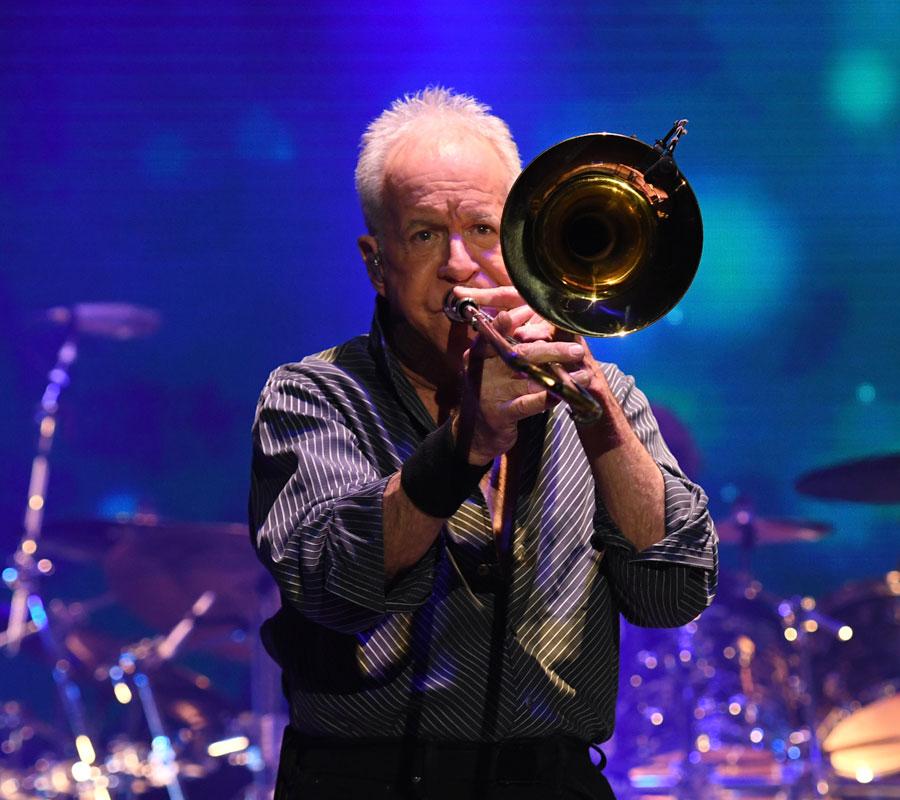
The Collective Vocal Tapestry of Chicago
The question “Who was the lead singer for [Chicago]?” ultimately reveals not a singular answer, but a rich narrative of collaborative talent. From the iconic tenor of Peter Cetera to the complementary voices of Robert Lamm, the powerful contributions of Bill Champlin, and the sustained presence of Jason Scheff, each vocalist has left an indelible mark on the band’s expansive sound. This evolving lineup of lead singers is a testament to Chicago’s enduring ability to adapt, innovate, and consistently deliver the compelling musical experiences that have captivated generations of fans across their storied career. The distinct vocal personalities, combined with the band’s signature instrumentation, have created a sonic legacy that continues to inspire and delight listeners around the globe.
LifeOutOfTheBox is a participant in the Amazon Services LLC Associates Program, an affiliate advertising program designed to provide a means for sites to earn advertising fees by advertising and linking to Amazon.com. Amazon, the Amazon logo, AmazonSupply, and the AmazonSupply logo are trademarks of Amazon.com, Inc. or its affiliates. As an Amazon Associate we earn affiliate commissions from qualifying purchases.