
The vibrant energy of Chicago, the city itself, is undeniably captured in the iconic musical that bears its name. But beyond the sensational jazz numbers, the sharp wit, and the timeless story of fame, fortune, and a dash of criminal flair, lies a rich history of creation. Understanding “who wrote Chicago musical?” is to delve into the minds of the brilliant individuals who translated a dark satirical play into a Broadway sensation that has captivated audiences for decades. This exploration focuses on the creative forces behind this enduring masterpiece, offering insight into the theatrical alchemy that brought Chicago to life.

The Genesis: A Dark Satire Transformed
The Chicago musical owes its existence to a foundational work of American theatre, a play penned by a celebrated journalist and social critic.
Maurine Dallas Watkins and the Original Play
The story of “Chicago” the musical begins with Maurine Dallas Watkins, a playwright and journalist who, in the 1920s, found herself drawn to the sensationalism and corruption prevalent in Chicago‘s legal and entertainment circles. Watkins, herself a graduate of Butler University and an alumna of the Radcliffe College publishing procedures course, was working as a reporter for the Chicago Tribune. Her experiences covering sensational murder trials, particularly those of Beulah Annan and Belva Gaertner—women accused of killing their lovers and subsequently becoming media darlings—provided the stark inspiration for her 1926 play, “Chicago.”
Watkins’ play was a biting satire, exposing the superficiality of celebrity, the manipulation of the press, and the often-corrupt justice system that seemed to favor the wealthy and the alluring. It was a dark comedy, filled with sharp dialogue and cynical observations that mirrored the excesses of the Roaring Twenties. The play itself was successful, running for 172 performances on Broadway, but it was its potent social commentary and the archetypal characters that would eventually spark the imagination of future collaborators. Watkins’ original intention was not just to entertain but to critique, using the sensationalized lives of these women as a lens through which to examine societal hypocrisy.
The Play’s Journey to the Stage
While Watkins’ play garnered attention, it was decades before its theatrical potential would be fully realized in a new format. The transition from a stage play to a musical involved a significant reimagining of the material, a process that brought together a new set of creative talents. The inherent theatricality of Watkins’ work, with its larger-than-life characters and dramatic scenarios, made it ripe for musical adaptation, a process that would demand both lyrical prowess and compositional genius.
The Musical Architects: Book, Music, and Lyrics
The Broadway musical “Chicago” as we know it today is a testament to the collaborative genius of three individuals who took Maurine Dallas Watkins‘ sharp satire and infused it with unforgettable music and dynamic storytelling.
Kander and Ebb: A Legendary Partnership
The heart and soul of the “Chicago” musical’s music and lyrics are attributed to the legendary songwriting duo, John Kander (music) and Fred Ebb (lyrics). This partnership, responsible for a string of Broadway hits like “Cabaret” and “Kiss of the Spider Woman,” brought their signature style of sophisticated, often cynical, yet always captivating songs to “Chicago.”
John Kander, born in Kansas City, Missouri, and educated at the Oberlin Conservatory of Music and the Columbia University School of Music, provided the complex and evocative musical scores. His music for “Chicago” ranges from the sultry and alluring to the brassy and defiant, perfectly capturing the show’s gritty and glamorous atmosphere. Tracks like “All That Jazz,” “Cell Block Tango,” and “Razzle Dazzle” are not just songs; they are integral parts of the narrative, propelling the story forward and revealing the inner lives of the characters.
Fred Ebb, born in New York City and a graduate of New York University, crafted the razor-sharp, witty, and often darkly humorous lyrics. Ebb’s words are a masterclass in storytelling, packing punch and subtext into every line. His ability to imbue the characters of Roxie Hart and Velma Kelly with both vulnerability and a steely resolve is a hallmark of his lyrical genius. He understood the nuances of Chicago‘s world, translating the satire of the original play into lyrical gold that resonated with contemporary audiences. Together, Kander and Ebb were the primary architects of the musical’s sound and voice, creating a score that is as relevant and exciting today as it was at its premiere.
Bob Fosse: Choreography as Storytelling
While Kander and Ebb provided the words and music, the distinctive visual language of “Chicago” the musical, particularly its choreography, is inextricably linked to the visionary director and choreographer, Bob Fosse. Fosse, a multiple Tony Award winner, was known for his unique and influential style, characterized by sharp, angular movements, jazz influences, and a palpable sense of sensuality and isolation.

Fosse’s choreography for “Chicago” is not merely decorative; it is an essential element of the storytelling. The iconic dance numbers, such as the ensemble’s synchronized movements in “Cell Block Tango” or the suggestive struts in “All That Jazz,” are extensions of the characters’ desires, their performances, and their manipulation of public perception. His choreography emphasized the vaudevillian elements of the show, drawing a parallel between the characters’ attempts to gain notoriety on the stage and their performances in the courtroom and the press. Fosse’s contribution was so significant that the original production is often as much remembered for its choreography as for its score. He essentially created a visual vocabulary for the show, making the movement as iconic as the songs.
The Unsung Heroes: Producers and Original Cast
While the writers and choreographers are often credited as the primary creators, the success of any theatrical production also relies heavily on the vision and execution of its producers and the talent of its original cast.
The Producers’ Vision
The Chicago musical was first brought to the stage by producers who recognized the potential of Kander and Ebb’s score and Fosse’s directorial vision. The original Broadway production, which premiered in 1975, was a significant undertaking, requiring a substantial investment and a belief in the show’s unconventional material. The producers played a crucial role in assembling the creative team, securing financing, and marketing the show to the public. Their commitment ensured that the artistic integrity of the production remained intact, allowing the brilliance of Kander, Ebb, and Fosse to shine.
The Groundbreaking Original Cast
The original Broadway cast of “Chicago,” which opened at the 46th Street Theatre in 1975, set a standard for the roles that would be emulated and celebrated for years to come.
- Gwen Verdon as Roxie Hart: A legendary Broadway performer, Gwen Verdon brought a unique blend of vulnerability, comedic timing, and impeccable dancing to the role of the fame-hungry housewife. Her performance was a masterclass in character acting, capturing Roxie’s desperate quest for attention with both charm and pathos.
- Chita Rivera as Velma Kelly: Another icon of musical theatre, Chita Rivera, embodied the sassy, world-weary, and fiercely ambitious Velma. Rivera’s powerful voice and electrifying stage presence made her the perfect foil to Verdon’s Roxie, creating a dynamic and unforgettable partnership.
- Jerry Orbach as Billy Flynn: Jerry Orbach, a beloved actor of stage and screen, lent his smooth vocals and charismatic stage presence to the role of the slick, manipulative lawyer, Billy Flynn. He perfectly captured the character’s cynical charm and his ability to turn any trial into a media circus.
The chemistry and individual brilliance of this original cast were instrumental in establishing “Chicago” as a cultural phenomenon. Their performances provided the initial spark that ignited the show’s enduring appeal.
Legacy and Enduring Appeal
The question of “who wrote Chicago musical?” opens a door to understanding not just the individual talents but the synergistic magic that occurs when a compelling story, masterful music, evocative lyrics, and groundbreaking choreography converge. The enduring appeal of “Chicago” lies in its timeless themes and its brilliant execution.
A Mirror to Society
The satirical edge that Maurine Dallas Watkins imbued in her original play remains acutely relevant. The musical’s exploration of celebrity culture, the sensationalization of crime, and the power of media to shape public perception continues to resonate. The characters’ relentless pursuit of fame, even through infamy, is a narrative that finds new echoes in every generation. The musical, through its catchy tunes and dazzling performances, offers a sharp critique of societal obsessions, forcing audiences to confront uncomfortable truths about themselves and the world around them.
The Kander and Ebb Influence
The musical theatre landscape is forever indebted to John Kander and Fred Ebb. Their score for “Chicago” is a masterclass in how music and lyrics can not only entertain but also drive narrative and define character. The sophistication and emotional depth of their work, combined with their signature wit, have cemented their legacy as two of Broadway’s most important and influential songwriters. Their ability to capture the spirit of an era while creating something timeless is a rare gift, and “Chicago” stands as a prime example of their genius.
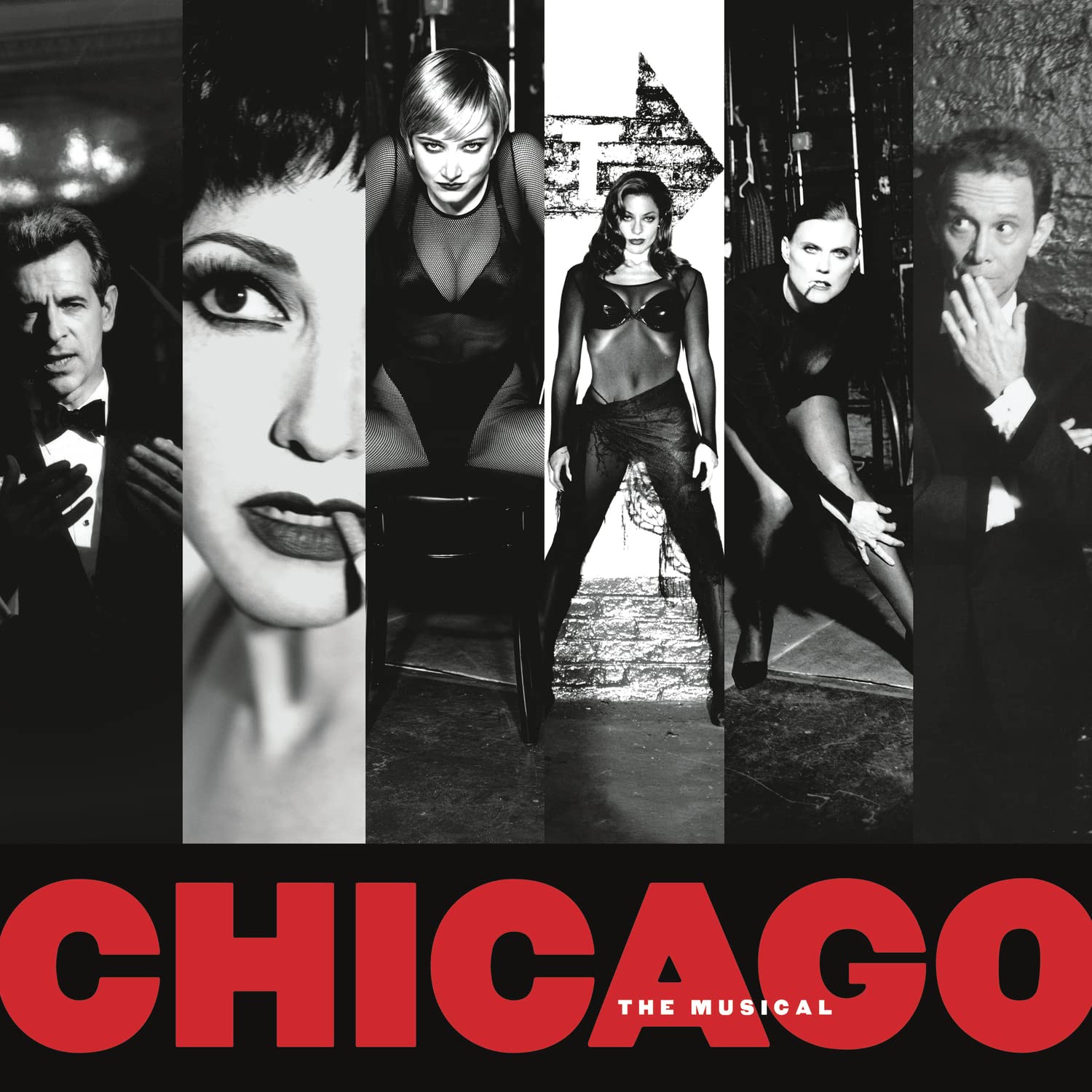
The Revival and Global Phenomenon
While the original 1975 production was critically acclaimed, it was the 1996 Broadway revival, directed and choreographed by Walter Bobbie and featuring choreography recreated by Ann Reinking, that propelled “Chicago” into a global phenomenon. This revival, with its more intimate, Vaudeville-inspired staging and focus on Fosse’s original choreography, captured a new generation of audiences. It proved that the show’s raw energy and dark humor were timeless. The revival has gone on to become the longest-running American musical in Broadway history, a testament to the enduring power of the material and the creative team that brought it to life. The question of “who wrote Chicago musical?” ultimately leads to an appreciation for a constellation of talent, a story that continues to captivate, and a production that has etched itself into the annals of theatrical history.
LifeOutOfTheBox is a participant in the Amazon Services LLC Associates Program, an affiliate advertising program designed to provide a means for sites to earn advertising fees by advertising and linking to Amazon.com. Amazon, the Amazon logo, AmazonSupply, and the AmazonSupply logo are trademarks of Amazon.com, Inc. or its affiliates. As an Amazon Associate we earn affiliate commissions from qualifying purchases.