
The appearance of red tide in Florida is a recurring natural phenomenon that can significantly impact travel plans and experiences. While often perceived as a purely negative event, understanding its nuances, patterns, and effects can help travelers make informed decisions and still enjoy the Sunshine State’s offerings. This guide delves into what red tide means for visitors, from identifying its presence to navigating affected areas and discovering alternative attractions.
Understanding Florida’s Red Tide
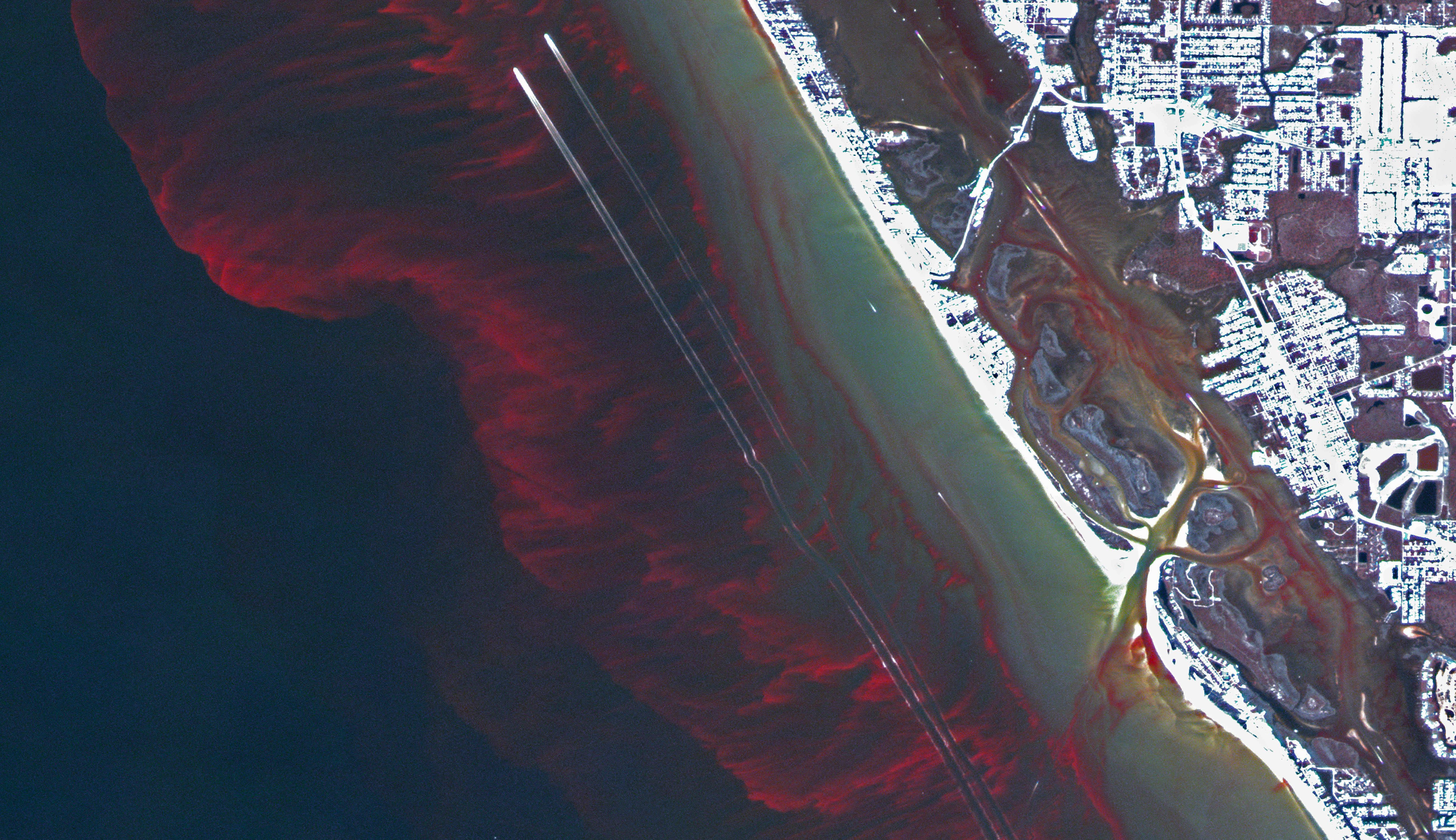
Red tide, scientifically known as a harmful algal bloom (HAB), is caused by a proliferation of microscopic algae, primarily Karenia brevis, in coastal waters. These organisms produce potent toxins that can accumulate in shellfish and become aerosolized, leading to respiratory irritation for humans and marine life deaths. The bloom’s intensity and duration are influenced by a complex interplay of environmental factors, including nutrient levels, ocean currents, and weather patterns.
The Science Behind the Bloom
Karenia brevis is a naturally occurring dinoflagellate found in the Gulf of Mexico. Blooms typically begin offshore and can be driven closer to shore by prevailing winds and currents. Factors that can contribute to bloom formation and sustenance include:
- Nutrient Enrichment: While natural nutrient inputs are a factor, runoff from agricultural and urban areas can sometimes exacerbate bloom intensity.
- Water Temperature and Salinity: Optimal conditions for Karenia brevis growth exist within specific temperature and salinity ranges.
- Oceanographic Conditions: Upwelling, currents, and wave action play a role in concentrating the algae and distributing their effects.
Identifying Red Tide Presence
Recognizing the signs of red tide is crucial for travelers. The most obvious indicators include:
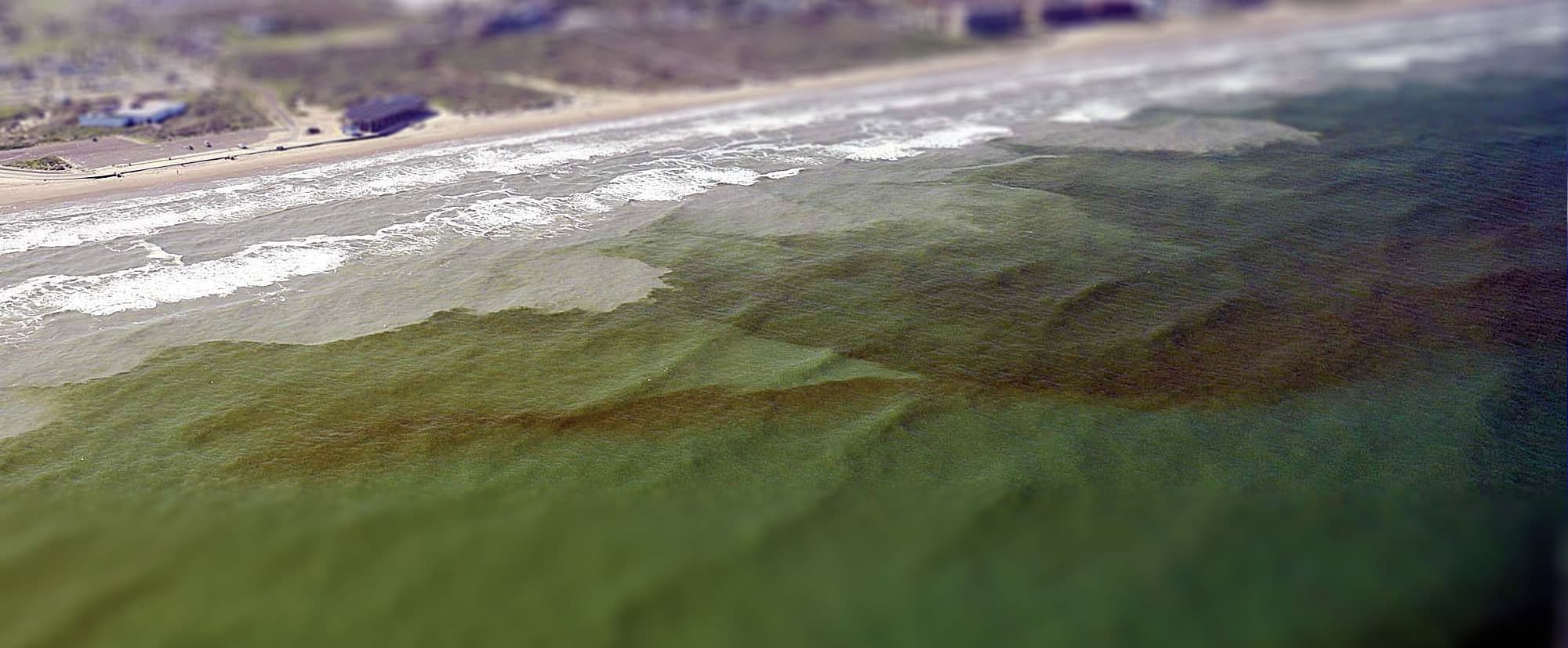
- Discolored Water: While not always “red,” the water can sometimes take on a brownish or reddish hue due to the sheer concentration of algae.
- Dead Fish: Significant numbers of dead fish washing ashore are a strong indicator of a severe red tide event.
- Respiratory Irritation: Visitors may experience coughing, sneezing, itchy eyes, and a sore throat, particularly when near the coast during a bloom. Beachgoers are often advised to stay indoors or use air conditioning if these symptoms arise.
- Fish Kills: Observing an unusual number of dead marine animals, including fish, dolphins, and sea turtles, can signal the presence of toxins.
It is important to note that not all discolored water is red tide, and not all red tides are severe. Local and state agencies provide regular updates on bloom conditions, which are invaluable resources for travelers.
Navigating Red Tide Impacts on Travel
The presence of red tide can certainly alter the typical Florida beach vacation experience. However, with careful planning and flexibility, visitors can still enjoy the state’s abundant attractions.
Beach Advisories and Closures
When red tide conditions are severe, local authorities may issue beach advisories or even temporary closures. These measures are in place to protect public health and safety. Travelers should:
- Check Official Sources: Prior to and during their trip, visitors should consult the Florida Fish and Wildlife Conservation Commission (FWC) and local county health departments for the latest red tide status reports. These websites typically provide interactive maps and detailed information on affected areas.
- Heed Warning Signs: Always pay attention to posted signs on beaches, which will alert you to current conditions and any advisories.
- Be Prepared for Alternatives: If a planned beach day is impacted, have a backup plan that focuses on activities away from the immediate coastline.
Health and Safety Precautions
For those who choose to visit areas experiencing mild to moderate red tide, certain precautions can mitigate discomfort:

- Stay Indoors or in Air-Conditioned Environments: During periods of high aerosolized toxin concentration, remaining indoors with windows closed and air conditioning running can significantly reduce exposure.
- Protect Your Eyes and Skin: While toxins are primarily inhaled, some individuals may experience skin irritation. Wearing sunglasses and avoiding prolonged direct contact with affected water can be helpful.
- Avoid Consuming Local Shellfish: During a red tide event, locally harvested shellfish can be toxic. It is strongly advised to avoid consuming them unless they are sourced from approved, safe areas and properly tested. Many restaurants will adhere to these advisories.
- Hydration and Rest: For those experiencing mild respiratory symptoms, staying hydrated and resting can aid in recovery.
Discovering Alternative Attractions in Florida
While the allure of pristine beaches might be diminished during a red tide, Florida offers a wealth of diverse attractions that remain unaffected. Focusing on these can ensure a memorable and enjoyable vacation.
Inland Escapes and Natural Wonders
Many of Florida’s most spectacular natural and cultural experiences are located inland, far from the coastal blooms.
- Everglades National Park: This vast, unique ecosystem offers unparalleled opportunities for wildlife viewing, airboat tours, and hiking. The interior of the park remains a vibrant natural haven.
- State Parks and Forests: Florida boasts an extensive network of state parks and forests offering opportunities for hiking, biking, camping, and exploring diverse flora and fauna. Consider destinations like O’Leno State Park or the Hillsborough River State Park.
- Springs and Rivers: Florida is home to numerous crystal-clear freshwater springs, such as Rainbow Springs State Park and Ichetucknee Springs State Park, perfect for swimming, tubing, and kayaking in pristine conditions.
Cultural and Urban Experiences
Florida’s vibrant cities and towns offer a rich tapestry of cultural attractions that are entirely independent of coastal conditions.
- Museums and Galleries: Explore world-class institutions like the John and Mable Ringling Museum of Art in Sarasota, the Norton Museum of Art in West Palm Beach, or the Dalí Museum in St. Petersburg.
- Historical Sites: Delve into Florida’s past at places like St. Augustine, the oldest continuously inhabited European-established settlement in the United States, or explore the historic districts of cities like Ybor City in Tampa.
- Theme Parks and Entertainment: Orlando remains a premier destination with its world-renowned theme parks like Walt Disney World Resort and Universal Orlando Resort, offering endless entertainment options.
- Culinary Scenes: Florida’s diverse culinary landscape, from fresh seafood (sourced responsibly) to international flavors, provides a rich gastronomic adventure in its cities and towns.
Planning Your Trip Amidst Red Tide Uncertainty
Effective planning is key to mitigating the potential disruptions caused by red tide. By staying informed and flexible, travelers can still curate an exceptional Florida vacation.
Staying Informed
- Real-time Updates: Regularly check the FWC and local health department websites for the most current red tide status.
- Local Tourism Boards: Contact local tourism offices or visitor centers for region-specific advice and recommendations on alternative activities.
- Social Media Monitoring: Follow official accounts and local news outlets on social media for timely alerts.
Flexible Itinerary Building
- Embrace Inland Destinations: Consider incorporating inland activities or extending stays in areas less affected by coastal blooms.
- Diversify Your Activities: Plan a mix of coastal and inland excursions to ensure you have options regardless of prevailing conditions.
- Book Flexible Accommodation: If possible, choose accommodations with flexible cancellation policies, especially if traveling during traditionally high-risk red tide periods.
Understanding the Seasonal Nature
While red tide can occur year-round, certain seasons may present a higher likelihood of blooms, particularly during warmer months and following periods of heavy rainfall. Understanding these patterns can inform the timing of your visit, though it’s important to remember that forecasting can be challenging.
Ultimately, Florida remains a captivating destination with an unparalleled array of experiences. By acknowledging the reality of red tide and approaching travel with informed planning and a spirit of adventure, visitors can navigate its challenges and discover the enduring beauty and excitement the Sunshine State has to offer, both on and off its iconic shores.
LifeOutOfTheBox is a participant in the Amazon Services LLC Associates Program, an affiliate advertising program designed to provide a means for sites to earn advertising fees by advertising and linking to Amazon.com. Amazon, the Amazon logo, AmazonSupply, and the AmazonSupply logo are trademarks of Amazon.com, Inc. or its affiliates. As an Amazon Associate we earn affiliate commissions from qualifying purchases.