
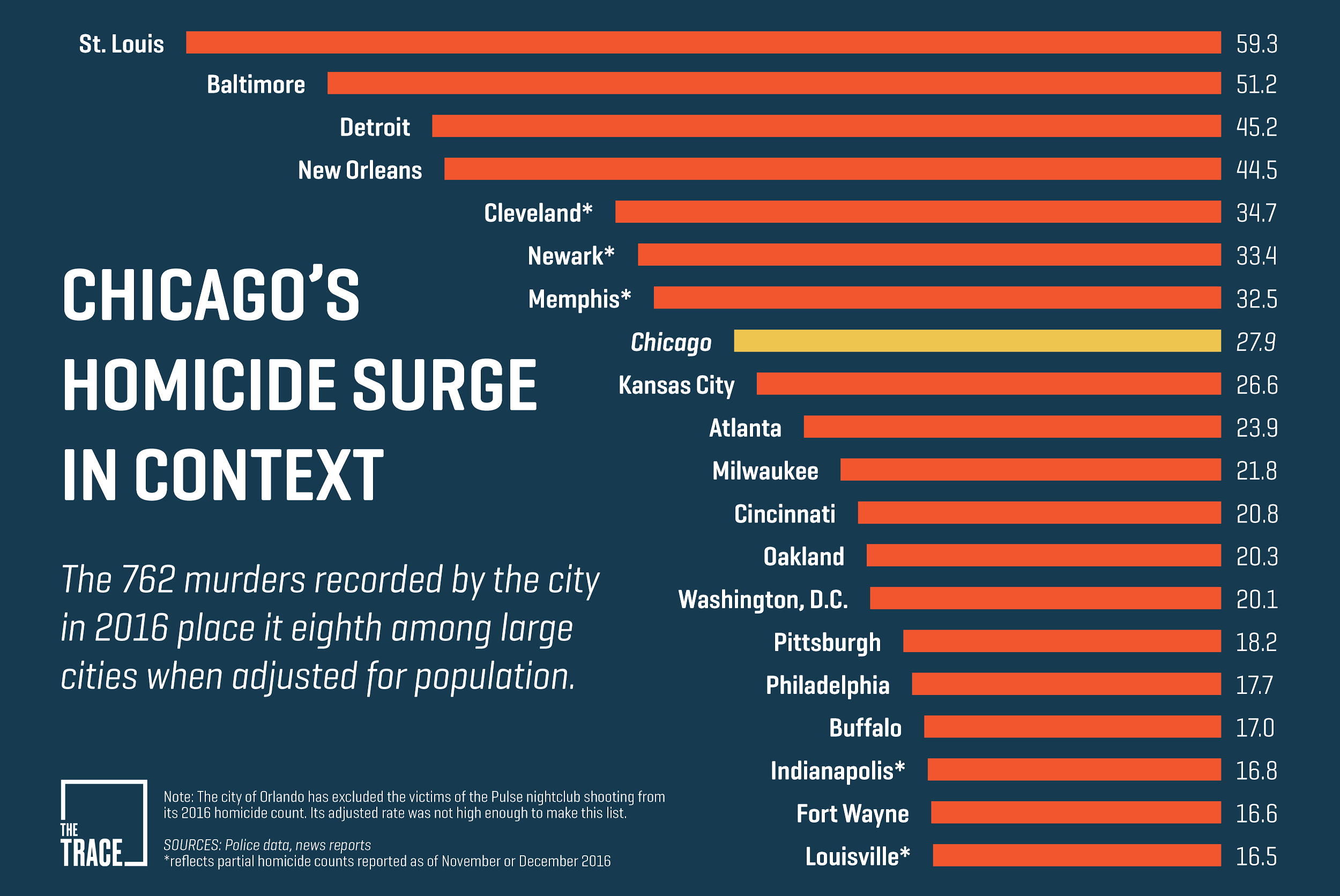
The question of why crime rates remain a persistent concern in Chicago is complex, with no single, simple answer. It’s a multifaceted issue rooted in historical, socioeconomic, and systemic factors that continue to shape the urban landscape. While Chicago is celebrated for its architectural marvels, vibrant arts scene, and world-class museums, the persistent challenge of crime significantly impacts perceptions and the lived experiences of its residents and visitors. Understanding these dynamics is crucial for anyone seeking a comprehensive view of this iconic American city.
Historical Roots of Urban Disparities
The origins of many of Chicago’s contemporary challenges can be traced back to historical patterns of segregation and economic disinvestment.

Redlining and Segregation
The legacy of redlining, a discriminatory practice that denied services to residents of specific, often minority, neighborhoods, has had a profound and lasting impact on Chicago. This systemic exclusion from access to loans, insurance, and other essential resources led to concentrated poverty and limited opportunities in certain communities, particularly on the South Side and West Side of the city. These areas, often predominantly Black and Latino, have struggled with underfunded schools, inadequate infrastructure, and a scarcity of viable economic opportunities.
Industrial Decline and Job Loss
As Chicago’s industrial base declined in the latter half of the 20th century, many of the well-paying manufacturing jobs that had sustained working-class communities disappeared. This economic upheaval disproportionately affected neighborhoods that relied heavily on these industries, exacerbating unemployment and poverty. The lack of accessible, stable employment can contribute to a cycle of despair and desperation, making individuals more vulnerable to involvement in illicit activities.
Suburbanization and Population Shifts
The post-World War II era saw a significant suburbanization trend across the United States, and Chicago was no exception. As residents and businesses moved to the suburbs, the city’s tax base eroded, further straining resources for urban services, including law enforcement, education, and social programs. This demographic shift left many urban centers, including parts of Chicago, with concentrated populations facing greater socioeconomic challenges.
Socioeconomic Factors and Opportunity Gaps
The persistent disparities in socioeconomic conditions play a critical role in understanding crime patterns in Chicago.
Poverty and Lack of Economic Opportunity
High rates of poverty are intrinsically linked to higher crime rates. In neighborhoods with limited access to quality education, job training, and well-paying employment, individuals may see fewer legitimate pathways to success. This can create an environment where illegal activities, though risky, may appear to be the only viable means of survival or advancement for some. The cycle of poverty, often exacerbated by historical inequities, makes it difficult for individuals and communities to break free from these challenging circumstances.
Educational Disparities
The quality of education received by children in Chicago varies significantly by neighborhood. Underfunded schools in disadvantaged areas often lack the resources to provide the comprehensive education and support necessary to equip students with the skills needed for future success. This educational gap can perpetuate cycles of poverty and limit opportunities, contributing to the broader socioeconomic issues that influence crime.
Housing Instability and Neighborhood Disinvestment
Precarious housing situations and chronic underinvestment in certain neighborhoods contribute to instability. When communities lack resources for affordable housing, community development, and essential services, it can lead to increased social stress and a diminished sense of collective efficacy. This can create fertile ground for crime to take root and persist.
Systemic and Criminal Justice Issues
The way the criminal justice system operates, along with the pervasive influence of illegal markets, significantly impacts crime rates.

The Gun Violence Epidemic
A defining characteristic of crime in Chicago is the prevalence of gun violence. The easy accessibility of firearms, particularly illegal ones, fuels a cycle of retaliatory violence and makes conflict resolution more deadly. Efforts to combat gun trafficking and illegal possession are ongoing but face considerable challenges. The impact of gun violence extends beyond the immediate victims, creating fear and trauma within communities and deterring investment and tourism in affected areas.
Gang Activity and Organized Crime
Chicago has a long history of gang activity, which remains a significant factor in its crime landscape. Gangs often control drug territories, engage in extortion, and are frequently involved in violent disputes. The pervasive influence of these organizations can undermine public safety and make it challenging for law enforcement to maintain order in affected neighborhoods. The complex network of gangs and their territorial disputes contributes to the persistent violence seen in certain parts of the city.
Perceptions of Justice and Trust in Law Enforcement
Community trust in law enforcement is a critical component of effective crime prevention. In areas where there are historical grievances or perceptions of biased policing, trust can erode, making it harder for police to gather information and collaborate with residents. Building and maintaining strong, equitable relationships between the police and the communities they serve is essential for long-term solutions. Initiatives aimed at improving police-community relations and addressing concerns about fairness and accountability are vital.
The Criminal Justice System’s Role
The effectiveness and fairness of the criminal justice system itself are subjects of ongoing debate. Challenges such as overcrowded jails, the impact of mass incarceration on communities, and debates surrounding sentencing policies all play a role in the broader crime picture. Addressing these systemic issues is crucial for creating a more just and equitable society that can, in turn, contribute to reduced crime.
Addressing the Challenges: A Path Forward
Tackling the high crime rates in Chicago requires a comprehensive, long-term strategy that addresses the root causes of crime, not just its symptoms.
Investing in Communities
A crucial aspect of any effective strategy involves significant investment in the communities most affected by crime. This includes expanding access to quality education, creating robust job training and placement programs, supporting small businesses, and improving infrastructure. By fostering economic opportunity and hope, communities can become more resilient and less susceptible to criminal activity.
Violence Prevention and Intervention Programs
Beyond traditional law enforcement, evidence-based violence prevention and intervention programs are vital. These programs often focus on de-escalating conflicts, offering mentorship to at-risk youth, and providing support services to individuals seeking to leave gang life. By addressing the immediate drivers of violence and offering alternatives, these initiatives can have a tangible impact.
Criminal Justice Reform
Ongoing efforts toward criminal justice reform are essential. This includes addressing issues of equity and fairness within the system, exploring alternatives to incarceration for non-violent offenses, and investing in rehabilitation and re-entry programs. A system that is perceived as just and effective is more likely to garner community support and contribute to public safety.
Addressing Gun Violence
Tackling the gun violence epidemic requires a multi-pronged approach. This involves stricter enforcement of existing gun laws, efforts to disrupt illegal gun trafficking, and community-based initiatives focused on safe storage and conflict resolution. Collaboration between local, state, and federal agencies is often necessary to make meaningful progress.
Building Trust and Collaboration
Ultimately, sustainable solutions to crime in Chicago will depend on building trust and fostering collaboration among residents, community organizations, law enforcement, and policymakers. When communities feel empowered and supported, and when there is a shared commitment to improving public safety and opportunity, the path towards a safer and more prosperous Chicago becomes clearer. While the challenges are significant, a focused and sustained effort to address the historical, socioeconomic, and systemic factors at play offers the most promising path forward.
LifeOutOfTheBox is a participant in the Amazon Services LLC Associates Program, an affiliate advertising program designed to provide a means for sites to earn advertising fees by advertising and linking to Amazon.com. Amazon, the Amazon logo, AmazonSupply, and the AmazonSupply logo are trademarks of Amazon.com, Inc. or its affiliates. As an Amazon Associate we earn affiliate commissions from qualifying purchases.