
The Sunshine State beckons millions each year, drawn by its sun-drenched beaches, vibrant theme parks, and a lifestyle that epitomizes leisure and excitement. For many planning a visit, or even considering a longer stay, a practical question arises: “Does Florida pay state income tax?” Understanding the financial landscape, particularly regarding taxation, is a crucial element of travel planning and can significantly influence budgeting for your Florida adventures. The answer, for residents and visitors alike, is refreshingly straightforward and a key reason why so many choose the Sunshine State for their vacation homes, retirement havens, and even permanent relocation.
The Sunshine State’s Tax Advantage
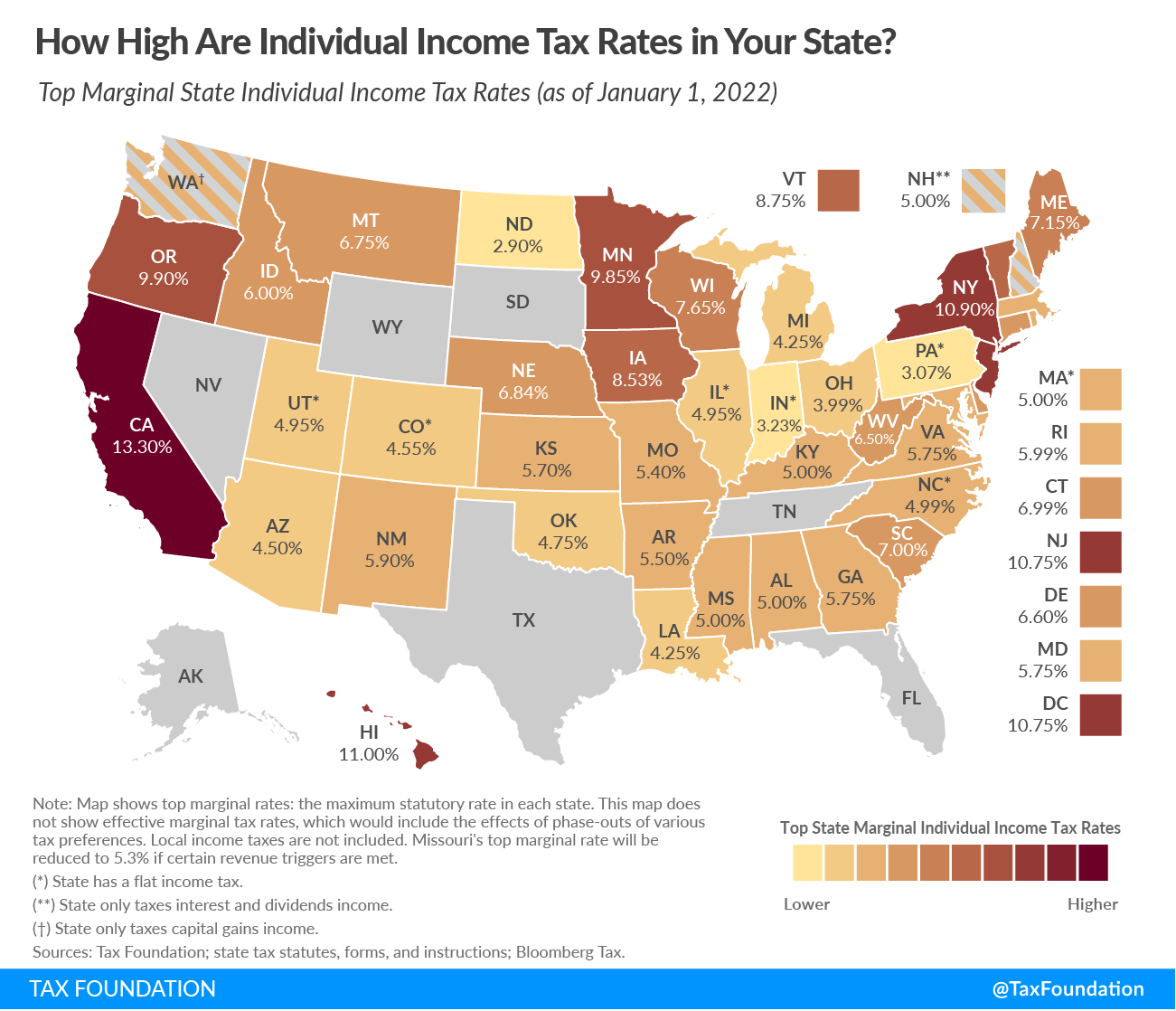
Florida stands apart from many other U.S. states by not imposing a state income tax on its residents or on income earned within its borders by non-residents. This significant financial benefit is a cornerstone of Florida’s appeal, contributing to its robust economy and making it an attractive destination for individuals and businesses seeking to maximize their disposable income and investment returns.
No State Income Tax for Individuals
For travelers who might be contemplating a long-term stay or a second home in Florida, the absence of a state income tax is a considerable draw. This means that income earned from employment, investments, or rental properties within Florida is not subject to state-level income tax. While federal income taxes still apply, eliminating the state component can lead to substantial savings. This financial advantage is often highlighted in discussions about retirement planning, as fixed incomes stretch further without this additional tax burden. Cities like Miami and Orlando, popular tourist hubs, benefit from this tax policy by attracting a consistent influx of visitors and new residents who are enticed by the prospect of keeping more of their hard-earned money.
Business and Investment Implications
Beyond individual savings, the lack of a state income tax also fosters a favorable environment for businesses and investments. Companies looking to establish operations or expand their reach often find Florida’s tax structure appealing. This can translate into more job opportunities and a more dynamic economic landscape for visitors to experience. For those interested in real estate investment, such as purchasing vacation rental properties in areas like Naples or Sarasota, the absence of state income tax on rental income simplifies financial projections and potentially enhances profitability, making Florida an attractive market for property investors.
Other Tax Considerations for Visitors and Residents
While Florida does not have a state income tax, it’s essential for travelers and potential residents to be aware of other forms of taxation that do exist and can impact your experience and budget. These include sales tax and property tax, which are common across most U.S. states but have specific implications within Florida.
Sales Tax: A Local Revenue Driver
Florida relies heavily on sales tax as a primary source of revenue. This tax is levied on the retail sale of tangible personal property and certain services. The statewide sales tax rate is 6%, with an additional local option tax of up to 1.5% in many counties, bringing the total potential sales tax rate to 7.5%.
- Impact on Travel Expenses: For tourists, this means that purchases, from souvenirs in St. Augustine to dining out in Key West, will include this sales tax. The rate can vary slightly depending on the specific county you are visiting. For instance, popular tourist destinations like Tampa and Fort Lauderdale will have their respective local option taxes applied.
- Exemptions and Considerations: Certain essential items, such as groceries for home consumption and prescription medications, are typically exempt from sales tax. Understanding these exemptions can help in managing your travel budget more effectively. For those considering extended stays or establishing residency, awareness of the sales tax on everyday purchases becomes increasingly important for household budgeting.

Property Tax: A Local Funding Mechanism
Property taxes are another significant revenue stream for Florida’s local governments. These taxes are levied by counties, municipalities, and special taxing districts on the value of real estate. The rates vary considerably based on location and the specific taxing authorities involved.
- Impact on Property Owners: For individuals who own property in Florida, whether it’s a vacation home or a primary residence, property taxes are a recurring annual expense. This is particularly relevant for those considering purchasing real estate in popular areas like the Florida Keys or on the Gulf Coast in areas like Clearwater.
- Homestead Exemption: Florida offers a homestead exemption for primary residences, which can significantly reduce the taxable value of a home. This is a key benefit for full-time residents, making homeownership more affordable. Vacation homes and investment properties do not qualify for this exemption. The application of property taxes is a vital factor for anyone planning to invest in Florida real estate or establish a permanent domicile.
Tourist Taxes and Other Fees
In addition to sales tax, Florida also imposes various “tourist taxes” or “bed taxes” on transient accommodations like hotels and vacation rentals. These taxes are often levied at the county level and are specifically designed to fund local tourism promotion and infrastructure.
- Hotel Stays and Rentals: When booking a hotel in Orlando for a trip to Walt Disney World or renting a villa in Palm Beach, you will likely see these additional taxes added to your bill. These rates can vary by county and are an important factor to consider when budgeting for your accommodation.
- Impact on Vacation Budgets: While these taxes contribute to the vibrant tourism industry that visitors enjoy, they do add to the overall cost of a trip. It is advisable to factor these taxes into your accommodation budget when planning your Florida getaway.
Understanding the Broader Economic Impact
The absence of a state income tax in Florida has far-reaching implications that contribute to its unique economic environment and appeal. This tax structure has been a deliberate policy choice, aiming to attract residents and businesses by offering a more favorable financial landscape compared to states with higher income tax burdens.
Attracting New Residents and Businesses
Florida’s tax-friendly environment is a significant factor in its population growth. Retirees, in particular, are drawn to the state by the prospect of stretching their retirement savings further without the burden of state income tax. This influx of residents not only fuels the economy but also contributes to a diverse and dynamic population. Similarly, businesses are attracted by the potential for increased profitability due to lower overhead costs associated with payroll. This has led to Florida becoming a hub for various industries, from technology and aerospace to healthcare and finance, creating a robust job market.
Impact on Tourism and Hospitality
The economic policies of Florida, including its tax structure, are intrinsically linked to its thriving tourism sector. The revenue generated from sales taxes and tourist taxes plays a crucial role in funding the infrastructure and marketing efforts that attract millions of visitors annually. This creates a self-reinforcing cycle: a favorable tax climate attracts residents and businesses, which in turn boosts the economy and provides the resources to further enhance the state’s appeal as a tourist destination. From world-class theme parks like Universal Orlando Resort to the pristine beaches of the Emerald Coast, the state continually invests in its attractions and amenities, partly funded by these taxes.

Considerations for Long-Term Stays and Relocation
For travelers who find themselves captivated by the Florida lifestyle and contemplate a longer stay or even a permanent relocation, understanding the tax implications is paramount. While the absence of state income tax is a major advantage, it’s crucial to consider the cumulative effect of sales tax, property tax, and other local fees. A comprehensive financial assessment, including consulting with tax professionals, is advisable to make informed decisions. The allure of sunny days, beautiful coastlines, and a relaxed atmosphere remains, but a clear understanding of the financial framework ensures that the dream aligns with reality. The absence of state income tax is a significant draw, but it’s part of a larger tax picture that influences the financial decisions of both short-term visitors and long-term inhabitants of the Sunshine State.
LifeOutOfTheBox is a participant in the Amazon Services LLC Associates Program, an affiliate advertising program designed to provide a means for sites to earn advertising fees by advertising and linking to Amazon.com. Amazon, the Amazon logo, AmazonSupply, and the AmazonSupply logo are trademarks of Amazon.com, Inc. or its affiliates. As an Amazon Associate we earn affiliate commissions from qualifying purchases.