
Navigating Colorado’s Natural Landscape and Safety
Colorado, a state celebrated for its breathtaking mountain vistas, pristine national parks, and year-round outdoor adventures, is also a region where natural phenomena, including wildfires, play a significant role in shaping its landscape and influencing travel plans. Understanding the presence and implications of wildfires is crucial for any discerning traveler seeking to experience the full spectrum of what the Centennial State has to offer. This guide aims to provide an insightful overview of wildfire considerations in Colorado, focusing on how they might impact your travel experiences, from planning your itinerary to ensuring your safety while exploring its vast natural beauty.

The allure of Colorado is undeniable, drawing millions of visitors annually to its world-class ski resorts like Aspen Snowmass and Vail Resorts, its vibrant cities such as Denver and Boulder, and its iconic natural landmarks like Rocky Mountain National Park. While summer brings lush green trails and vibrant wildflowers, it also coincides with the wildfire season. This is a critical period to be aware of, as fires can rapidly alter access to certain areas and affect air quality. For travelers, this means a need for preparedness and flexibility.
Understanding Wildfire Dynamics in Colorado
Colorado’s climate, characterized by dry summers and abundant coniferous forests, creates conditions ripe for wildfires. These fires are not solely a destructive force; they are a natural part of the ecosystem, helping to regenerate certain plant species and clear out underbrush. However, when human activity or severe weather conditions exacerbate these natural occurrences, they can pose significant risks to communities and visitors alike.
Seasonal Patterns and Risk Factors
The wildfire season in Colorado typically runs from late spring through early fall, with the peak often occurring in July and August. Several factors contribute to the risk:
- Drought Conditions: Prolonged periods of low precipitation lead to dry vegetation, which acts as highly flammable fuel. Even small sparks can ignite large fires under these conditions.
- High Temperatures: Heatwaves dry out soils and vegetation further, increasing the likelihood of ignition and the speed at which fires can spread.
- Wind: Strong, gusty winds are a primary driver of wildfire behavior. They can fan flames, carry embers long distances (leading to spot fires), and make containment efforts exceptionally challenging.
- Lightning Strikes: Natural lightning is a significant cause of wildfires, particularly in remote, forested areas.
- Human Activity: A substantial portion of wildfires are caused by human negligence, including unattended campfires, discarded cigarettes, sparks from equipment, and fireworks.
Types of Wildfires in Colorado
Wildfires in Colorado can range from small, quickly contained incidents to large, complex fires that may burn for weeks or even months. They can occur in various ecosystems, from the high-altitude alpine regions to the lower montane forests and even prairie grasslands. The impact on travel can vary greatly depending on the size, location, and behavior of the fire.
Impact on Travel and Tourism
The presence of wildfires can significantly influence travel plans in Colorado. While a fire might be miles away from a popular tourist destination, its effects can still be felt through smoke, road closures, and advisories. It’s essential for travelers to stay informed and adapt their itineraries accordingly.
Air Quality and Health Considerations
One of the most immediate impacts of wildfires on travelers is the deterioration of air quality due to smoke. Smoke plumes can travel hundreds of miles, blanketing entire regions in haze. This can lead to:
- Reduced Visibility: Affecting driving conditions and the ability to enjoy scenic views.
- Respiratory Issues: Smoke contains fine particulate matter that can irritate the lungs, exacerbating conditions like asthma and bronchitis. Individuals with pre-existing respiratory or heart conditions, as well as children and the elderly, are particularly vulnerable.
- Eye Irritation: Smoke can cause burning, itching, and watering of the eyes.
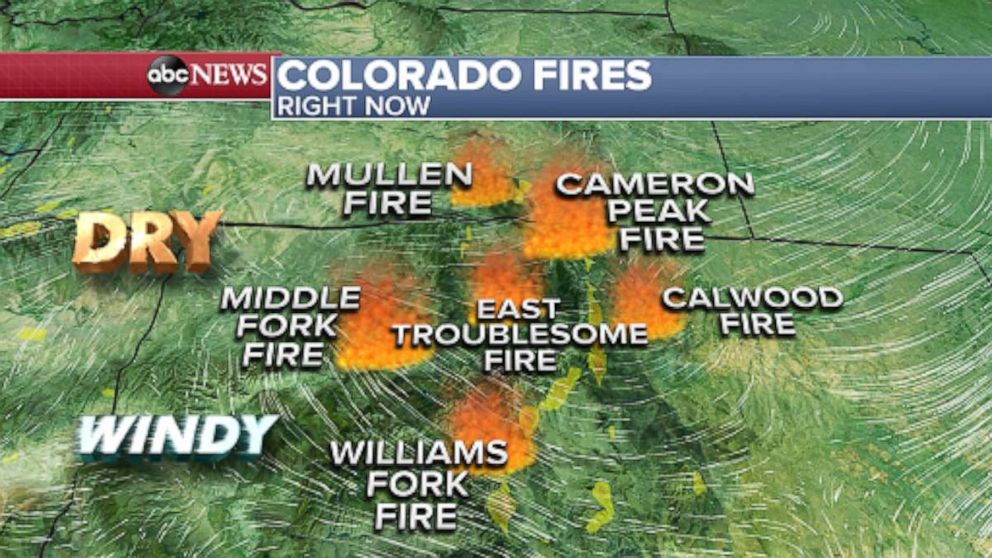
Travelers experiencing poor air quality are advised to limit outdoor activities, stay indoors with windows and doors closed, and use air purifiers if available.
Access and Closures
Active wildfires often lead to mandatory evacuations and closures of national forests, state parks, and specific attractions. These closures can impact:
- Road Access: Major highways and scenic byways may be temporarily closed to allow firefighting operations or due to fire proximity. This can significantly disrupt travel routes and require detours.
- Trail and Park Access: Hiking trails, campgrounds, and entire national or state parks may be inaccessible for extended periods. For instance, if a fire impacts Great Sand Dunes National Park and Preserve, access to its unique dune formations could be restricted.
- Recreational Activities: Activities like camping, hiking, fishing, and mountain biking in affected areas will likely be suspended.
Planning and Flexibility
For travelers, the key to managing potential wildfire impacts is thorough planning and maintaining flexibility.
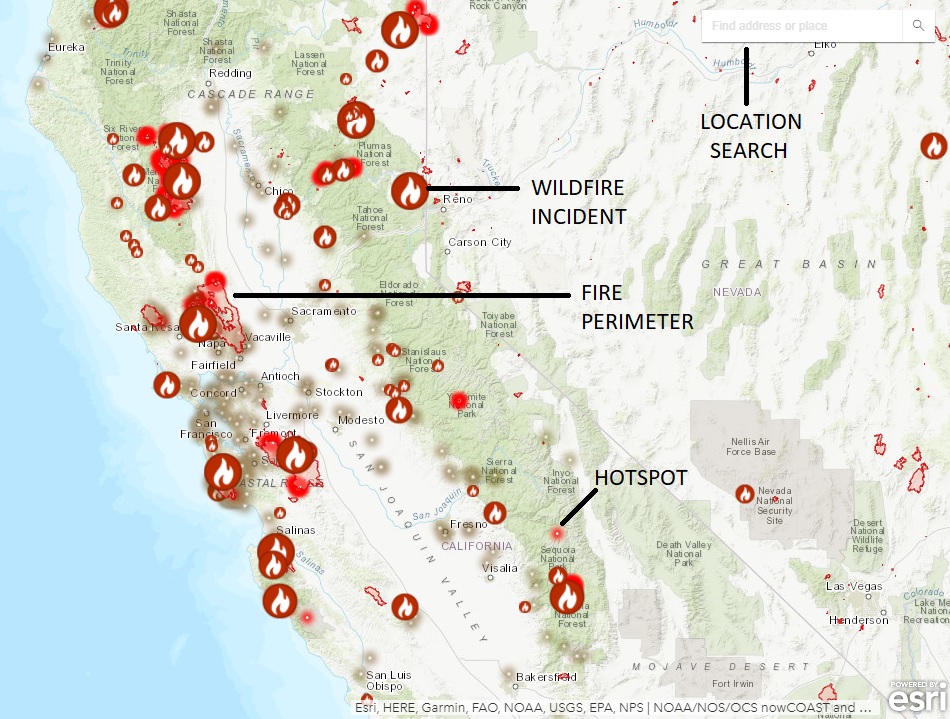
- Pre-Trip Research: Before embarking on your trip, check official sources for current fire activity and any associated closures or advisories. Websites like the National Interagency Fire Center (NIFC) and the Colorado Division of Fire Prevention and Control are invaluable resources.
- Alternative Itineraries: Have backup plans for your activities. If a particular hiking trail in the San Juan Mountains is closed due to fire, identify alternative trails or attractions in a different, unaffected region.
- Stay Informed During Your Trip: Continue to monitor local news and official advisories throughout your stay. Weather patterns can change rapidly, as can fire behavior and associated restrictions.
Safety Measures for Travelers
Ensuring personal safety while traveling in Colorado, especially during wildfire season, involves adopting a proactive and informed approach.
Being Fire-Aware
- Understand Fire Restrictions: Be aware of any fire bans or restrictions that may be in place. These can range from restrictions on campfires to complete fire bans. Adhering to these regulations is crucial to prevent accidental ignitions.
- Safe Campfire Practices: If campfires are permitted, always use designated fire rings, keep fires small, never leave them unattended, and ensure they are completely extinguished (doused with water and stirred until cool to the touch) before leaving.
- Proper Disposal of Smoking Materials: Never discard cigarettes or matches carelessly. Ensure they are fully extinguished and properly disposed of.
- Vehicle Use: Ensure your vehicle is in good working order. A hot exhaust system can ignite dry grass. Avoid parking on dry vegetation.
Evacuation Preparedness
In the event of an emergency, being prepared for a potential evacuation can make a significant difference:
- Know Your Surroundings: Familiarize yourself with the area you are visiting, including potential evacuation routes.
- Pack an Emergency Kit: Consider having a small kit with essentials like water, non-perishable food, a flashlight, a first-aid kit, and any necessary medications.
- Follow Official Instructions: If evacuation orders are issued, heed them immediately and follow the directions of emergency personnel. Do not attempt to return to an evacuated area until it has been declared safe.
Colorado’s Resilience and Future Outlook
Despite the challenges posed by wildfires, Colorado’s natural beauty and spirit of resilience remain. The state is actively engaged in wildfire mitigation efforts, forest management, and public education. Understanding the role of fire in the ecosystem and adopting responsible practices empowers both residents and visitors to coexist safely with this natural force.
For travelers, this means that a trip to Colorado can still be an enriching and unforgettable experience. By incorporating an awareness of wildfire dynamics into your travel planning, you can better navigate the state’s magnificent landscapes, embrace its outdoor adventures, and appreciate its enduring natural splendor with informed confidence. Colorado’s mountains, rivers, and skies await, and with careful preparation, you can explore them responsibly and safely.
LifeOutOfTheBox is a participant in the Amazon Services LLC Associates Program, an affiliate advertising program designed to provide a means for sites to earn advertising fees by advertising and linking to Amazon.com. Amazon, the Amazon logo, AmazonSupply, and the AmazonSupply logo are trademarks of Amazon.com, Inc. or its affiliates. As an Amazon Associate we earn affiliate commissions from qualifying purchases.