
Understanding the population of Texas is fundamental to grasping its dynamic character, economic might, and the sheer scale of its influence within the United States. The Lone Star State is not merely geographically vast; it is a demographic powerhouse, constantly evolving and shaping the national landscape. From the bustling metropolises to the sprawling rural expanses, the numbers tell a story of growth, diversity, and the enduring allure of this iconic state.
The Shifting Demographics of Texas
Texas has consistently ranked as the second-most populous state in the United States, a testament to its persistent growth. This expansion is fueled by a complex interplay of factors, including a robust economy, a relatively lower cost of living compared to some coastal states, and a welcoming environment for new residents.

Growth Trends and Projections
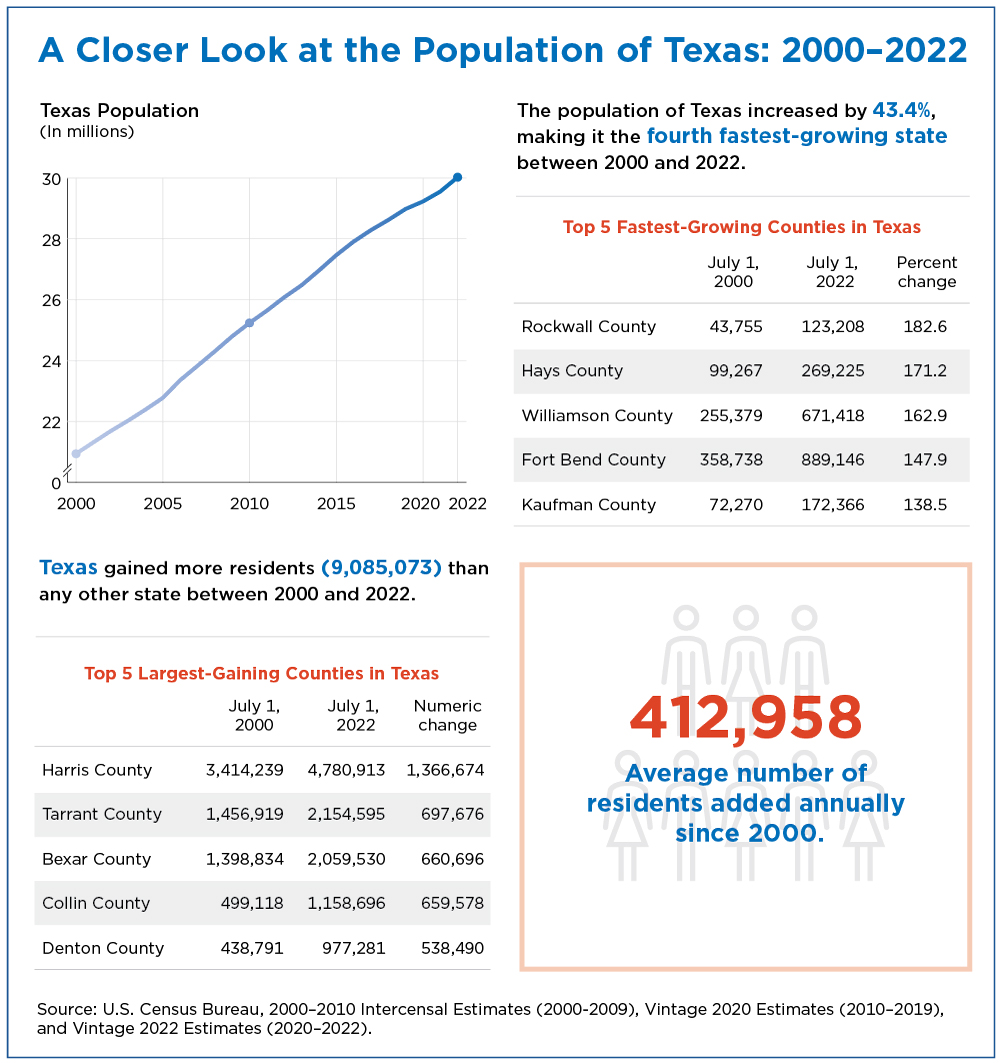
Recent census data and population estimates paint a clear picture: Texas is not just growing; it’s growing rapidly. For decades, the state has outpaced the national average in population increase. This trend is projected to continue, with demographers forecasting that Texas will become the most populous state in the nation within the coming decades, surpassing California. This anticipated shift has significant implications for political representation, resource allocation, and infrastructure development across the state and the country.
Factors Driving In-Migration
Several key drivers contribute to the influx of people into Texas:
- Economic Opportunities: A diversified economy, strong in sectors like energy, technology, healthcare, and aerospace, provides ample job prospects. Cities such as Houston, Dallas, Austin, and San Antonio are significant economic hubs attracting talent from across the globe.
- Affordability: While housing costs have risen in major urban centers, Texas generally offers a more affordable cost of living, particularly in terms of housing, compared to many other large states. This makes it an attractive destination for families and individuals seeking financial stability.
- Quality of Life: A perceived high quality of life, encompassing a wide range of recreational activities, cultural offerings, and a generally less congested environment (outside of the major urban cores), also draws people to the state.
- Business-Friendly Environment: The state’s business-friendly policies and lack of a state income tax are significant draws for both businesses and individuals.
Population Distribution: Urbanization and Rural Dynamics
The population of Texas is not uniformly distributed. While the state is known for its vast open spaces, a significant majority of its residents are concentrated in its major metropolitan areas and their surrounding suburbs.
The Rise of Texas Megaregions
Texas is home to several major megaregions, each with its unique demographic profile and economic drivers:
- The Dallas-Fort Worth Metroplex: This region, often referred to as DFW, is a sprawling metropolitan area encompassing Dallas, Fort Worth, and numerous surrounding cities. It is a hub for finance, technology, transportation, and culture.
- The Greater Houston Area: Centered around Houston, the state’s largest city, this region is a global center for the energy industry, but also boasts strong healthcare, aerospace, and manufacturing sectors. Its proximity to the Gulf Coast adds to its appeal.
- The Austin-Round Rock Metropolitan Area: Known as the “Live Music Capital of the World,” Austin has experienced explosive growth driven by its burgeoning technology sector, often dubbed “Silicon Hills.”
- The San Antonio-New Braunfels Metropolitan Area: Rich in history and culture, San Antonio offers a unique blend of Texan and Mexican heritage, with a growing economy in sectors like healthcare, defense, and tourism.
These urban centers are not only population magnets but also engines of economic activity, influencing the broader state economy and its demographic trajectory.

The Enduring Rural Landscape
Despite the dominance of its urban centers, a significant portion of Texas remains rural. These areas, while experiencing slower population growth or even decline in some instances, are crucial to the state’s identity, its agricultural output, and its vast natural resources. Rural communities often face unique challenges, including limited access to services, economic diversification, and retaining younger populations. However, they also offer a distinct way of life, characterized by open spaces, strong community ties, and a connection to the state’s historical roots.
Diversity and Cultural Tapestry
The population of Texas is remarkably diverse, reflecting a rich history of migration and cultural exchange. This diversity is a defining characteristic of the state, contributing to its vibrant culture, its culinary scene, and its unique social fabric.
Ethnic and Racial Composition
Texas is a majority-minority state, with a significant and growing Hispanic/Latino population. This demographic shift has profound implications for the state’s social, cultural, and political landscape. The African American population also forms a substantial segment of the state’s demographic makeup, particularly in urban areas. The Asian American population is also growing, contributing to the state’s increasing multiculturalism. While the White population remains a significant plurality, its proportion has been steadily declining relative to other demographic groups.
Generational Cohorts and Age Distribution
Understanding the age distribution of Texas is key to anticipating future needs and trends. The state has a relatively young population compared to the national average, partly due to the high birth rates and the influx of younger workers and families. This youthful demographic presents both opportunities and challenges, from educational demands to workforce development. Conversely, like many other states, Texas is also seeing an increase in its senior population, requiring attention to healthcare, retirement services, and the needs of older residents.
The Economic Impact of Texas’s Population
The sheer size and continued growth of the Texas population have a profound and multifaceted impact on the state’s economy. It is a driving force behind economic expansion, consumer markets, and the demand for goods and services.
Consumer Markets and Workforce
A large and growing population translates into robust consumer markets. This demand fuels businesses across all sectors, from retail and hospitality to manufacturing and technology. Furthermore, the expanding population provides a vital and growing workforce, essential for meeting the needs of businesses and driving innovation. The presence of a large, diverse labor pool is a significant draw for companies considering relocation or expansion within the state.
Infrastructure and Resource Demands
The ever-increasing number of residents places significant demands on the state’s infrastructure and natural resources. This includes the need for expanded transportation networks (roads, public transit), increased energy and water supplies, robust educational systems, and accessible healthcare facilities. Managing these demands effectively is a critical challenge for state and local governments. Investment in infrastructure is not just about accommodating growth; it’s about ensuring the quality of life and economic competitiveness of Texas for years to come.
Conclusion: A State in Constant Motion
The population of Texas is a dynamic entity, characterized by relentless growth, increasing diversity, and a distinct urban-rural balance. The figures are more than just numbers; they represent people, families, businesses, and aspirations that are collectively shaping the future of this vast and influential state. As Texas continues its ascent, understanding its population is paramount for appreciating its economic power, its cultural richness, and its undeniable significance on the national stage. The story of Texas is, in many ways, the story of its people – a story of constant motion, adaptation, and enduring appeal.
LifeOutOfTheBox is a participant in the Amazon Services LLC Associates Program, an affiliate advertising program designed to provide a means for sites to earn advertising fees by advertising and linking to Amazon.com. Amazon, the Amazon logo, AmazonSupply, and the AmazonSupply logo are trademarks of Amazon.com, Inc. or its affiliates. As an Amazon Associate we earn affiliate commissions from qualifying purchases.