
The Rocky Mountain Ascent: Colorado’s Path to Championship Glory
The landscape of collegiate athletics is a dynamic tapestry, woven with threads of aspiration, fierce competition, and the enduring quest for championship hardware. For the University of Colorado Boulder Buffaloes, the question of making the Big 12 Championship is not merely about athletic prowess; it’s a narrative of resurgence, strategic navigation, and tapping into the deep wellspring of passion that defines the Colorado spirit. As the Big 12 Conference recalibrates its identity with new members and evolving dynamics, the Buffaloes stand at a pivotal juncture, with their potential for a championship run contingent on a confluence of factors, both on and off the field.
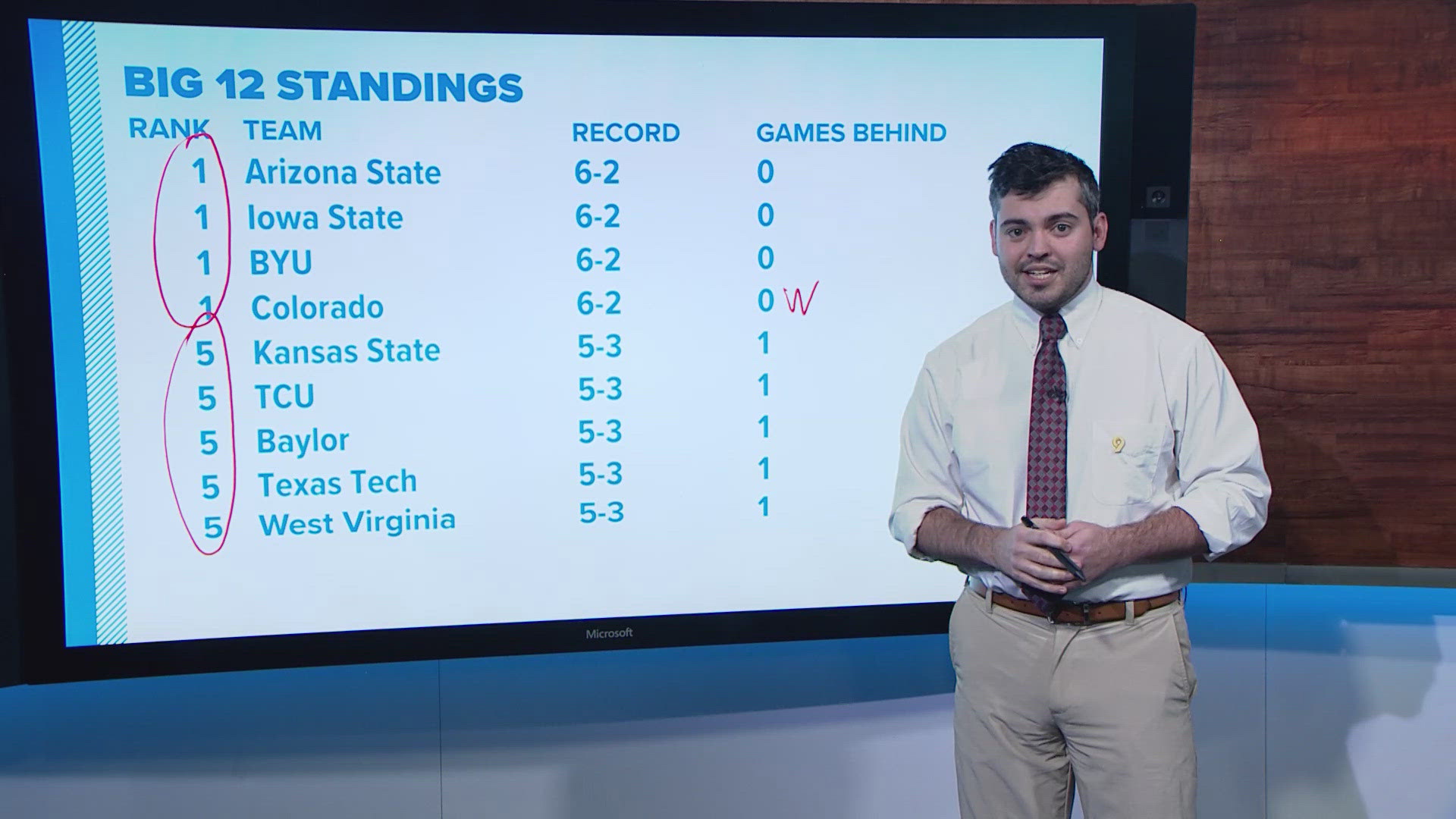
The return of the Colorado Buffaloes to the Big 12 Conference marks a significant chapter in their athletic history. This homecoming, steeped in a rich legacy of conference rivalries and memorable contests, inherently brings with it the expectation of competing at the highest level. The path to a Big 12 Championship is a gauntlet, demanding consistency, resilience, and a superior brand of play that can withstand the rigors of a long season and the intensity of postseason play. For Colorado, this journey will be defined by their ability to adapt to the new conference landscape, leverage their home-field advantage at Folsom Field, and harness the unwavering support of their devoted fanbase.
Strategic Imperatives for Championship Contention
The aspiration to compete for a Big 12 Championship necessitates a meticulous approach to strategic planning and execution across all facets of the program. This extends beyond the Xs and Os on the football field, encompassing recruitment, player development, coaching acumen, and the overall culture of the athletic department.
Fortifying the Roster: Talent Acquisition and Development
A championship-caliber team is built on a foundation of elite talent, meticulously scouted and nurtured. For the Buffaloes, this means not only attracting top-tier recruits but also cultivating a development program that maximizes the potential of every player. The transfer portal, a modern reality of collegiate athletics, presents both opportunities and challenges. Strategic utilization of this portal can address immediate needs, but it must be balanced with a commitment to developing homegrown talent and fostering a cohesive team environment.
The coaching staff, led by Head Coach Deion Sanders, plays a crucial role in this developmental pipeline. Their ability to identify potential, instill discipline, and implement effective schemes will be paramount. The locker room culture, a breeding ground for camaraderie and shared purpose, is as vital as any playbook. A team that plays for each other, understands their roles, and possesses an unshakeable belief in their collective ability is a formidable opponent.
Tactical Acumen and Adaptability
In the highly competitive Big 12 Conference, tactical flexibility and in-game adjustments are often the difference between victory and defeat. Teams must be prepared to face a diverse array of offensive and defensive schemes, and their own strategies must be adaptable enough to counter opponents and exploit weaknesses.
- Offensive Consistency: A championship team typically boasts a potent and consistent offense. This involves a balanced attack that can both run the ball effectively and pass with precision. Quarterback play is, of course, central, but the entire offensive unit – offensive line, running backs, and receivers – must function in unison.
- Defensive Tenacity: A championship defense is characterized by its ability to make crucial stops, generate turnovers, and impose its will on opposing offenses. This requires strong individual efforts, disciplined assignments, and an aggressive mentality that can stifle momentum.
- Special Teams Excellence: Often overlooked, special teams can be a decisive factor in close games. Reliable kicking, effective punting, and impactful return units can swing field position and provide critical points, contributing significantly to a team’s overall success.
The [Big 12] Landscape: Navigating a Shifting Terrain
The Big 12 Conference is undergoing a period of significant transformation, with the impending arrival of new members and the departure of established programs. This evolving landscape presents both opportunities and challenges for Colorado as they aim for championship contention.
The Impact of Conference Realignment
The influx of teams like BYU, Cincinnati, Houston, and UCF into the Big 12 will undoubtedly alter the competitive balance and travel schedules. Colorado, having previously competed in the Pac-12 Conference, must reacquaint itself with the strengths and traditions of its former conference brethren. This realignment necessitates a thorough understanding of opponents’ strengths, weaknesses, and coaching philosophies.

The increased geographic footprint of the conference will also introduce new travel considerations. While Colorado is accustomed to long road trips, the nature of these new matchups might demand different preparation and recovery strategies. The logistical challenges of competing across a wider range of destinations, from the plains to the southeast, will test the program’s organizational capabilities.
Rivalries and Renewed Competition
The return to the Big 12 brings with it the potential for rekindled rivalries. The historical matchups against teams like the University of Nebraska–Lincoln Cornhuskers, the University of Oklahoma Sooners, and the University of Texas Longhorns evoke a sense of nostalgia and heightened anticipation. These intense rivalries often fuel championship runs, as teams rally around the emotional weight of these contests.
Furthermore, the introduction of new members means facing unfamiliar, yet potentially formidable, opponents. Teams like BYU and Cincinnati have established strong football programs and will undoubtedly provide tough competition. Colorado’s ability to prepare for and perform against this diverse set of opponents will be a key determinant of their success.
The Fan Experience: A Catalyst for Championship Dreams
The intangible factor of fan support cannot be overstated when considering a team’s championship aspirations. The passionate fanbase of the Colorado Buffaloes is a vital component of their identity and a significant advantage, particularly when playing at home in Boulder.
The Power of Folsom Field
Folsom Field, nestled against the majestic backdrop of the Rocky Mountains, offers one of the most picturesque and intimidating home-field environments in college football. The altitude, the passionate roar of the crowd, and the unique atmosphere can significantly impact opposing teams. For Colorado, maximizing this home advantage is crucial. This involves creating an electric environment from the opening kickoff, where every home game feels like an event that opponents dread.
The University of Colorado has a proud tradition of passionate alumni and students who fill the stands, creating a palpable energy that can propel the team forward. The anticipation surrounding the team’s return to the Big 12 is palpable, and this collective enthusiasm can translate into tangible on-field performance.
Beyond Game Day: Cultivating a Championship Culture
The connection between the team and its fanbase extends beyond the 60 minutes of game time. A strong community engagement strategy, where the team interacts with its supporters and embodies the values of the Colorado spirit, can foster a deeper sense of loyalty and investment. This includes community outreach programs, fan events, and transparent communication from the athletic department.
The narrative of a team’s journey to a championship is often amplified and sustained by its fans. When supporters feel connected to the program’s vision and its players, they become an extended part of the team, providing unwavering encouragement through victories and adversity alike. This synergy between the team and its fanbase is a powerful force that can fuel a championship dream.

The Road Ahead: Gauging [Colorado]’s Championship Potential
The question of whether Colorado can make the Big 12 Championship is one that will captivate college football enthusiasts throughout the season. The answer lies not in a simple yes or no, but in the intricate interplay of talent, strategy, conference dynamics, and the unwavering spirit of the Buffaloes and their supporters.
The program’s potential hinges on its ability to execute at a high level consistently. From the coaching staff’s strategic decisions to the players’ on-field execution, every element must align. The new Big 12 landscape presents a fresh set of challenges and opportunities, demanding adaptability and a deep understanding of conference opponents.
Ultimately, the journey to a Big 12 Championship is a testament to a team’s resilience, determination, and collective will. For the Colorado Buffaloes, the mountains are not just a geographical feature; they are a symbol of the challenge they must ascend. With a renewed sense of purpose and the fervent support of their fanbase, the Buffaloes have the opportunity to etch their names into the annals of Big 12 history. The path is arduous, the competition fierce, but the dream of championship glory is a powerful motivator that can propel Colorado towards its ultimate objective. The Rocky Mountain ascent is underway, and the destination is the Big 12 Championship trophy.
LifeOutOfTheBox is a participant in the Amazon Services LLC Associates Program, an affiliate advertising program designed to provide a means for sites to earn advertising fees by advertising and linking to Amazon.com. Amazon, the Amazon logo, AmazonSupply, and the AmazonSupply logo are trademarks of Amazon.com, Inc. or its affiliates. As an Amazon Associate we earn affiliate commissions from qualifying purchases.