
California, a state renowned for its golden landscapes, vibrant culture, and rich history, holds secrets far older than its Hollywood fame or Gold Rush fervor. While many associate its origins with modern settlement and westward expansion, the story of California’s oldest continuously inhabited settlement delves into a much deeper past, predating even the arrival of European explorers. Understanding this history is key to appreciating the multifaceted tapestry of the Golden State, offering a profound connection to the land and its earliest inhabitants. The question of the oldest city in California isn’t merely an academic pursuit; it’s an invitation to explore the very foundations of human presence in this iconic region.
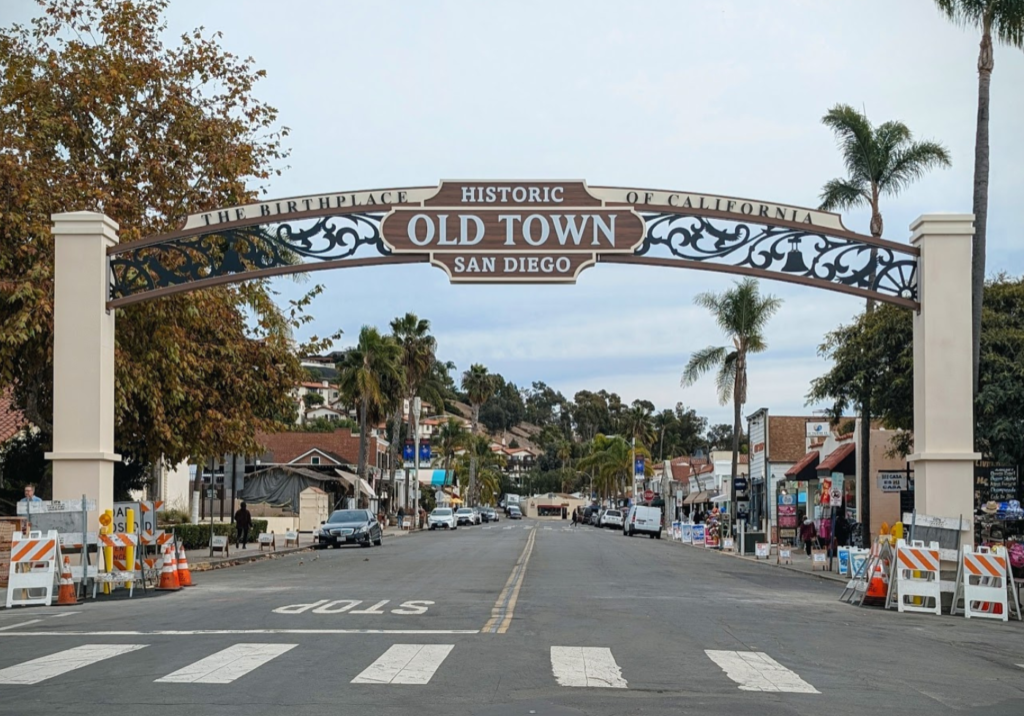
Tracing the Roots: San Diego’s Spanish Heritage
The modern narrative of California’s oldest city firmly points towards San Diego, specifically its historic heart in Old Town. While Indigenous peoples inhabited the area for millennia, the establishment of a permanent European settlement marks a significant turning point in its chronological claim. In 1769, Spanish Franciscan missionary Father Junípero Serra led an expedition to establish the first of 21 missions in Alta California, a venture aimed at both religious conversion and territorial claim for the Spanish Crown.
The Founding of Mission San Diego de Alcalá
The cornerstone of this claim is the founding of Mission San Diego de Alcalá on July 16, 1769. This mission, dedicated to Saint Didacus of Alcalá, was strategically located to serve the Kumeyaay people, the Indigenous inhabitants of the region, and to solidify Spain’s presence on the Pacific coast. Alongside the mission, a presidio (military fort) was established nearby, creating a nexus of Spanish colonial activity. This dual establishment served as the nucleus around which the settlement of San Diego would grow.
Old Town San Diego: A Living Museum
Today, Old Town San Diego State Historic Park stands as a testament to this foundational period. Visitors can step back in time, exploring meticulously preserved adobe buildings, saloons, and courtyards that echo the Spanish and Mexican eras. This area is not just a collection of old structures; it is a vibrant hub that showcases the architecture, lifestyle, and early commerce that defined San Diego for centuries. Walking its streets, one can almost hear the whispers of soldiers, missionaries, and settlers who laid the groundwork for what would eventually become a major American metropolis.
Beyond the Mission: Early Colonial Life
The founding of the mission and presidio was just the beginning. The settlement slowly expanded, attracting soldiers, artisans, and traders. This period was characterized by a blend of Spanish and Mexican influences, with ranchos dominating the landscape and a burgeoning agricultural economy taking shape. The early life in San Diego was marked by challenges, including conflicts with Indigenous populations, disease, and the logistical difficulties of maintaining a distant colonial outpost. Yet, the tenacity of its inhabitants allowed the settlement to endure, laying the foundation for its future growth.
A Deeper Look: Indigenous Presence and Pre-Colonial History
While the Spanish mission represents the establishment of the oldest continuously inhabited European settlement, it is crucial to acknowledge that the land of California has a human history stretching back thousands of years. The Kumeyaay people, the original stewards of the San Diego region, have a rich cultural heritage that predates the arrival of any Europeans by an immeasurable margin.
The Kumeyaay: An Enduring Legacy
The Kumeyaay, who call themselves the Tiipai or Ipai (people), have inhabited the area for at least 12,000 years. Their connection to the land is profound, with a deep understanding of its ecosystems, a sophisticated system of resource management, and a vibrant spiritual and social structure. Archaeological evidence, including ancient tools, hearths, and burial sites, attests to their long and continuous presence.
Early Settlements and Lifeways
Before the arrival of Europeans, the Kumeyaay lived in semi-nomadic groups, following seasonal patterns of hunting, gathering, and fishing. Their settlements, often located near reliable water sources like the San Diego River, were well-established and sustainable. These early communities possessed intricate knowledge of local flora and fauna, utilizing plants for food, medicine, and tools. Their societal organization and cultural practices were sophisticated and deeply integrated with the natural environment.
The Impact of Colonization

The arrival of Father Junípero Serra and his mission brought immense and often devastating changes to the Kumeyaay way of life. While the missions were ostensibly founded to convert Indigenous peoples, they also disrupted traditional social structures, introduced new diseases to which the Kumeyaay had no immunity, and led to forced labor and cultural assimilation. The establishment of Mission San Diego de Alcalá marked the beginning of a profound and complex relationship between the Kumeyaay people and the incoming colonial powers, a relationship that continues to shape the region’s identity today. Recognizing this deep Indigenous history is essential for a complete understanding of California’s oldest “city.”
Beyond San Diego: Contenders and Historical Nuances
While San Diego holds the title of the oldest continuously inhabited European settlement, the definition of “city” and “oldest” can sometimes spark debate. Other locations in California boast significant historical claims, often rooted in Indigenous history or earlier, less permanent European outposts.
Early Exploration and Brief Encounters
Before the permanent establishment of San Diego, European explorers had made landfall along the California coast. The Spanish explorer Juan Rodríguez Cabrillo is credited with reaching the coast of present-day California in 1542, sailing into what is now San Diego Bay. However, these early voyages were primarily exploratory, without the intent or success of establishing lasting settlements.
Missions as Proto-Cities
Other missions founded shortly after Mission San Diego de Alcalá also represent early colonial settlements that have evolved into significant Californian cities. For example, Mission San Francisco de Asís, also known as Mission Dolores, was founded in 1776 and laid the groundwork for the city of San Francisco. Mission Santa Barbara, founded in 1786, is the namesake and historic core of the modern city of Santa Barbara. However, San Diego’s founding date of 1769 consistently places it ahead of these other mission-founded settlements in terms of continuous European habitation.
The Concept of “City”
The modern understanding of a “city” often implies a certain scale, infrastructure, and governance. Early colonial settlements, like the initial mission and presidio in San Diego, were small outposts. Over time, these evolved through Spanish rule, Mexican rule, and eventual U.S. statehood, gradually developing into the urban centers we recognize today. The claim of San Diego as the oldest city rests on the continuity of settlement, even as its form and function have transformed dramatically over nearly 250 years.
Experiencing California’s Oldest City Today
Visiting Old Town San Diego State Historic Park offers a tangible connection to California’s foundational history. It’s more than just a historical site; it’s a living testament to the convergence of cultures and the enduring spirit of the region.
A Journey Through Time
The park features numerous historic buildings, many of which have been restored and furnished to reflect their original periods. Visitors can explore Casa de Estudillo, a representative adobe home showcasing domestic life in the 1820s, or visit the Bazaar del Mundo, a vibrant marketplace that recreates the atmosphere of early Mexican mercantile life. The park also includes the historic San Diego Mission church, a continuation of the original mission site.
Cultural Immersion and Activities
Beyond the historical structures, Old Town offers a rich cultural experience. Restaurants serve traditional Mexican cuisine, reflecting the enduring culinary heritage of the region. Artisans demonstrate traditional crafts, and live music often fills the air, creating a lively and immersive atmosphere. For history enthusiasts, the park provides invaluable insights into the daily lives, challenges, and triumphs of those who first settled this pivotal part of California.

Nearby Attractions and Further Exploration
The historical significance of Old Town San Diego is complemented by its proximity to other major attractions. The world-famous San Diego Zoo, Balboa Park, and the beautiful beaches of La Jolla are all within easy reach. This makes San Diego an ideal destination for those who wish to explore not only its ancient past but also its vibrant present and diverse offerings. Understanding its origins as the oldest European settlement enriches the appreciation of this dynamic Californian city.
LifeOutOfTheBox is a participant in the Amazon Services LLC Associates Program, an affiliate advertising program designed to provide a means for sites to earn advertising fees by advertising and linking to Amazon.com. Amazon, the Amazon logo, AmazonSupply, and the AmazonSupply logo are trademarks of Amazon.com, Inc. or its affiliates. As an Amazon Associate we earn affiliate commissions from qualifying purchases.