
Navigating the process of obtaining a motorcycle license in Colorado can seem like a maze of regulations and requirements, but with a clear understanding of the steps involved, it becomes a straightforward journey. Whether you’re a seasoned rider looking to transition to a Colorado license or a complete novice eager to experience the freedom of two wheels, this guide will equip you with the essential information to successfully acquire your motorcycle endorsement. This process is more than just obtaining a piece of plastic; it’s about ensuring you possess the knowledge and skills to ride safely and legally, opening up a world of scenic byways and exhilarating adventures across the Centennial State.
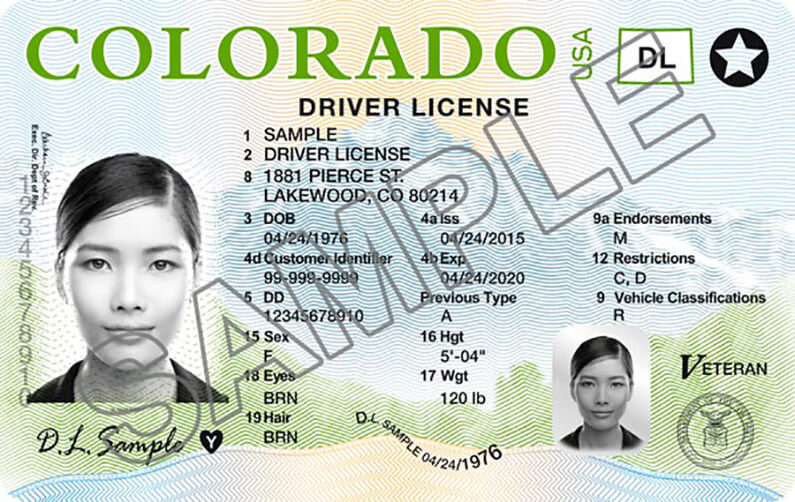
The quest for a motorcycle license in Colorado is primarily handled by the Colorado Department of Revenue (CDOR) and its division, the Division of Motor Vehicles (DMV). These state agencies oversee all driver licensing procedures, including those for motorcycles. Understanding their role and the specific requirements they enforce is the first crucial step in your licensing endeavor. The journey typically involves a combination of knowledge testing, skill demonstration, and the standard driver’s license application procedures.
Understanding Motorcycle Licensing Options in Colorado
Colorado offers a few pathways to obtaining a motorcycle license, catering to different levels of experience and confidence. Each option has its own set of prerequisites and advantages, allowing you to choose the route that best suits your individual circumstances.
The Motorcycle Learner’s Permit
For individuals who are at least 16 years old and do not possess a motorcycle endorsement, the first step is often obtaining a motorcycle learner’s permit, also known as a motorcycle instruction permit. This permit allows you to practice riding under specific supervision and conditions.
- Eligibility Requirements: To apply for a learner’s permit, you must have a valid Colorado driver’s license or be applying for one concurrently. You will need to pass a vision test and a written knowledge test specific to motorcycle operation.
- Knowledge Test: The written test covers essential motorcycle safety, traffic laws, and operational principles. It’s designed to assess your understanding of how to safely operate a motorcycle and navigate different road conditions. Study materials are readily available from the Colorado DMV to help you prepare.
- Permit Restrictions: A learner’s permit comes with restrictions. Typically, you cannot ride after dark, on highways, or with passengers. The primary purpose of the permit is to allow supervised practice. You must be accompanied by a licensed motorcycle rider who is at least 18 years old and holds a valid motorcycle endorsement.
- Duration: A motorcycle learner’s permit is usually valid for a specific period, often six months. It’s essential to use this time effectively to gain experience and prepare for the skills test.
The Motorcycle Skills Test Waiver
Colorado provides an alternative to the on-road skills test for those who have successfully completed an approved motorcycle safety education course. This waiver can significantly streamline the licensing process.
- Approved Safety Courses: The state recognizes courses offered by organizations such as the Motorcycle Safety Foundation (MSF) and other equivalent programs. These courses are comprehensive, covering both theoretical knowledge and practical riding skills.
- Benefits of a Safety Course: Beyond the waiver for the skills test, these courses offer invaluable training from certified instructors, covering techniques for handling your motorcycle in various situations, emergency maneuvers, and hazard perception. Completing a course not only helps you get your license faster but also makes you a safer, more confident rider.
- Obtaining the Waiver: Upon successful completion of an approved course, you will receive a certificate of completion. This certificate serves as proof that you have met the state’s riding competency requirements and can be presented to the DMV in lieu of taking the practical riding test.
The Motorcycle Skills Test
For those who choose not to, or cannot, take an approved safety course, a practical riding skills test is a mandatory component of obtaining a motorcycle license.
- Scheduling the Test: The skills test is administered by the Colorado DMV or an authorized third-party testing provider. It’s advisable to schedule your test in advance, as availability can vary.
- Test Environment: The test is conducted in a controlled environment, typically in a designated area at a DMV office or a partner facility. You will need to provide a registered and insured motorcycle for the test.
- Test Components: The skills test evaluates your ability to perform a series of maneuvers safely and competently. These maneuvers often include:
- Cone Weave: Demonstrating control and balance by weaving through a series of cones at a slow speed.
- Turning: Executing smooth and controlled turns.
- Obstacle Swerve: Safely maneuvering around an obstacle.
- Braking: Performing controlled stops, including emergency braking techniques.
- Uphill/Downhill Parking: Demonstrating ability to park and start on an incline.
- Evaluation Criteria: Examiners will assess your balance, control, adherence to the course layout, and overall safe riding practices. A clean and confident performance is key to passing.
The Application Process: Step-by-Step
Regardless of whether you opt for the skills test waiver or plan to take the skills test, the general application process for obtaining a motorcycle license in Colorado involves several key stages.
Step 1: Meet Eligibility and Gather Documents
Before heading to the DMV, ensure you meet the basic eligibility requirements and have all necessary documentation.
- Age Requirements: As mentioned, you must be at least 16 years old to obtain a motorcycle learner’s permit. For a full endorsement without a permit, you must be 18 or older and pass both the knowledge and skills tests.
- Proof of Identity and Residency: You will need to provide documents proving your identity, date of birth, and legal presence in the United States. Common documents include a birth certificate, U.S. passport, or a Certificate of Citizenship. Additionally, you’ll need proof of residency in Colorado, such as utility bills or a lease agreement.
- Social Security Number: Your Social Security card or other official documentation verifying your Social Security number is required.
- Existing Driver’s License: If you already have a regular driver’s license, bring it with you. The motorcycle endorsement will be added to your existing license.
Step 2: Pass the Written Knowledge Test
This is a critical step for all applicants, regardless of age or whether you’ve completed a safety course.
- Preparation is Key: Thoroughly study the Colorado Motorcycle Operator Manual. This manual is your primary resource, covering everything from basic motorcycle operation and traffic laws to accident prevention and riding in various conditions. Many libraries and DMV offices have copies, and it’s available for download from the CDOR website.
- Test Format: The test is typically administered on a computer and consists of multiple-choice questions.
- Passing Score: You must achieve a minimum passing score to be granted a learner’s permit or to proceed to the skills test if you are not using the waiver.
Step 3: Complete the Skills Test or Present Waiver
This stage diverges based on your chosen path.
- If Using the Skills Test Waiver: Present your valid certificate of completion from an approved motorcycle safety course to the DMV examiner. You will typically still need to pass a vision test.
- If Taking the Skills Test: Arrive at your scheduled appointment with your motorcycle, proof of insurance, and registration. The examiner will guide you through the maneuvers. Ensure your motorcycle is in good working order and that you have appropriate safety gear, including a DOT-approved helmet, eye protection, gloves, and sturdy footwear.
Step 4: Complete the Application and Pay Fees
Once you have successfully passed the necessary tests and provided all documentation, you will finalize your application.
- Application Form: You will fill out the official driver’s license application form, indicating your desire for a motorcycle endorsement.
- Vision Test: A vision test is usually administered at the DMV to ensure you meet the minimum vision standards for driving.
- Photograph and Signature: Your photograph will be taken for your license, and you will provide your signature.
- Fees: There are fees associated with obtaining a new license or adding an endorsement. The specific amounts are subject to change and can be found on the Colorado DMV website. Payment is typically required at the time of application.
Step 5: Receive Your New License
After completing all requirements and paying the necessary fees, your new driver’s license with the motorcycle endorsement will be processed.
- Temporary License: You will usually receive a temporary paper license on-site.
- Permanent License: Your permanent, plastic license will be mailed to your address within a few weeks. It will clearly indicate your motorcycle endorsement.

Essential Tips for Success
Embarking on the journey to get your motorcycle license in Colorado is an exciting prospect. To ensure a smooth and successful experience, consider these practical tips:
- Start with the Manual: Don’t underestimate the importance of studying the Colorado Motorcycle Operator Manual. It contains the information you need to pass the knowledge test and, more importantly, to ride safely.
- Practice Makes Perfect: If you are using the skills test route, dedicate ample time to practicing the maneuvers outlined in the manual. Find a safe, open space away from traffic to hone your skills.
- Consider a Safety Course: Even if you are an experienced rider, an approved motorcycle safety course offers invaluable training and the significant benefit of waiving the skills test. For beginners, it’s an almost indispensable part of the licensing process.
- Inspect Your Motorcycle: If you are using your own motorcycle for the skills test, ensure it is in excellent mechanical condition. Check tires, brakes, lights, and all other safety-related components.
- Dress the Part: Always wear appropriate protective gear, including a DOT-approved helmet, eye protection, gloves, long sleeves and pants, and sturdy footwear, even for practice sessions. This not only protects you but is also often a requirement for the skills test.
- Be Punctual: Arrive at your scheduled DMV appointment or skills test on time, with all your required documents and a well-maintained motorcycle.
- Stay Calm and Focused: The tests are designed to assess your ability to operate a motorcycle safely. Stay calm, focus on the instructions, and execute maneuvers deliberately and confidently.
Obtaining a motorcycle license in Colorado is a rewarding process that opens up a world of exploration and enjoyment. By understanding the requirements, preparing diligently, and choosing the path that best suits your needs, you’ll be well on your way to legally and safely enjoying the open road on your motorcycle. Remember, safety and proficiency are paramount, not just for passing the test, but for a lifetime of enjoyable riding.
LifeOutOfTheBox is a participant in the Amazon Services LLC Associates Program, an affiliate advertising program designed to provide a means for sites to earn advertising fees by advertising and linking to Amazon.com. Amazon, the Amazon logo, AmazonSupply, and the AmazonSupply logo are trademarks of Amazon.com, Inc. or its affiliates. As an Amazon Associate we earn affiliate commissions from qualifying purchases.