
The path to the Big 12 Championship for the University of Colorado Boulder Buffaloes football team is a multifaceted endeavor, hinging on a combination of on-field performance, strategic scheduling, and competitive consistency within the demanding landscape of the Big 12 Conference. As the Buffaloes prepare to navigate their return to the conference, understanding the intricacies of qualification is paramount for both dedicated fans and casual observers of collegiate athletics. This journey is not merely about winning games; it’s a season-long narrative of strategic execution, player development, and capitalizing on opportunities.
Navigating the Big 12 Schedule
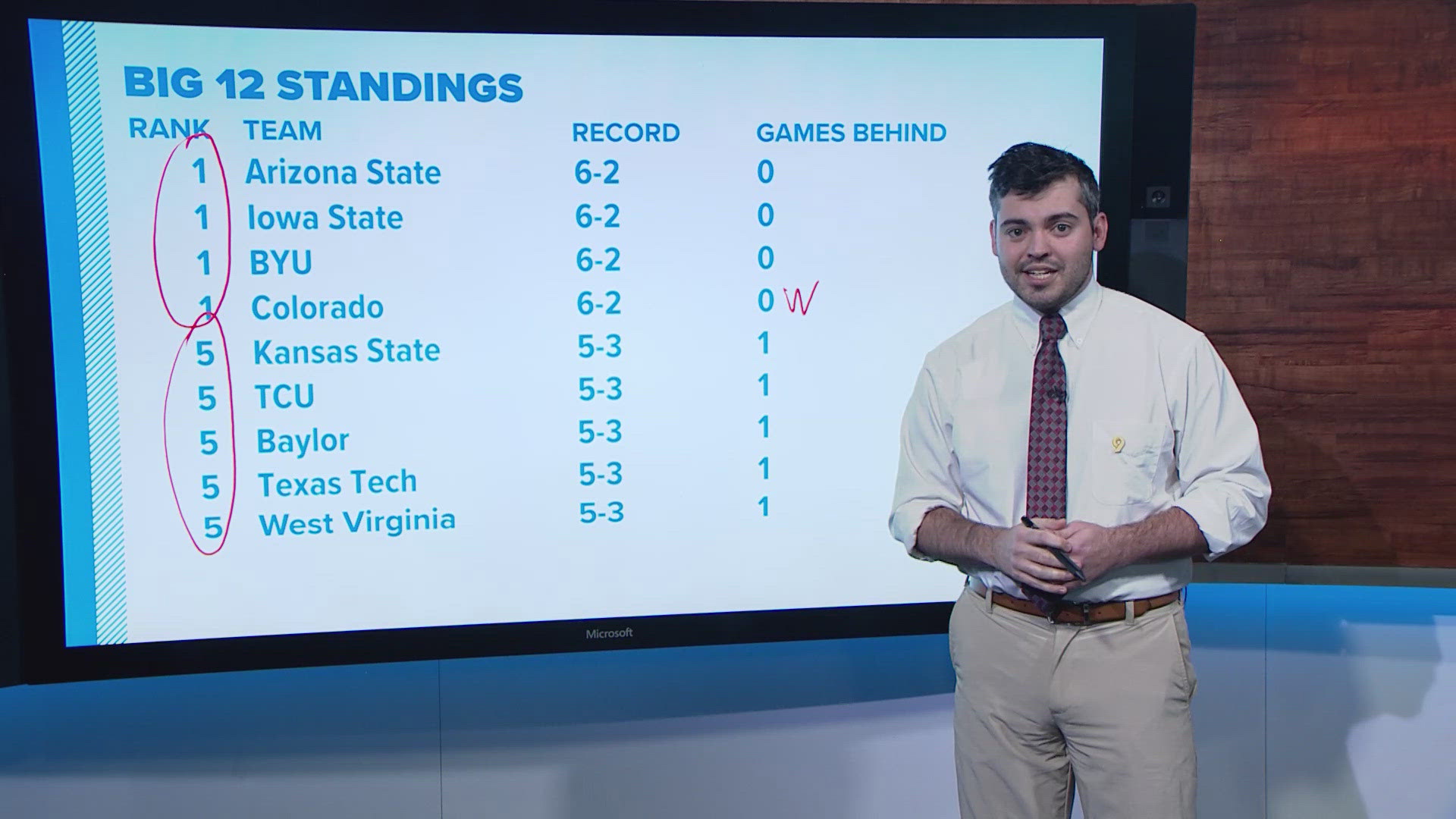
The foundation of any successful Big 12 Championship run lies within the conference’s established scheduling model. Each team plays a set number of conference games, and the ultimate goal is to emerge as one of the top two teams in the conference standings at the end of the regular season. These standings are determined by a win-loss record, with tiebreakers in place to resolve any numerical deadlocks.
Conference Playoffs and Standings
The Big 12 Championship Game pits the first-place team against the second-place team in the final conference standings. Therefore, for the Colorado Buffaloes, every conference game carries immense weight. A victory against a strong conference opponent can significantly boost their standing, while an unexpected loss can derail championship aspirations. The league’s competitive balance ensures that few games are foregone conclusions, making each Saturday a critical juncture.
Strength of Schedule and Non-Conference Play
While conference games are the primary determinant of championship eligibility, the strength of a team’s overall schedule, including non-conference matchups, can play a subtle but important role. A robust non-conference slate, featuring challenging opponents, can elevate a team’s profile and potentially serve as a tiebreaker advantage if multiple teams finish with identical conference records. For Colorado, strategically selecting opponents outside the Big 12 can be a calculated move to enhance their resume.
Performance Metrics and Team Strengths
Beyond the win-loss column, specific performance metrics and the team’s overall strengths are crucial indicators of their potential to compete for a championship. The Big 12 is known for its high-octane offenses and often explosive scoring, meaning that Colorado will need to excel in several key areas.
Offensive Prowess and Scoring Ability
To contend for a championship in a conference that frequently sees high scores, the Buffaloes must establish a potent offense. This involves consistent quarterback play, a dynamic rushing attack, and reliable wide receivers capable of making big plays. The ability to convert on third downs and score touchdowns in the red zone will be paramount. Teams that can consistently put points on the board are more likely to secure victories and climb the conference ladder.
Defensive Resilience and Stopping Power
Conversely, a championship team cannot rely solely on its offense. A strong defense is equally, if not more, important. The Colorado Buffaloes will need a defense that can generate turnovers, consistently stop the run, and pressure opposing quarterbacks. In a conference with many prolific offensive weapons, the ability to limit opponents’ scoring opportunities and make crucial stops in critical moments can be the difference between a good season and a championship season.

Special Teams Excellence
Often overlooked, special teams can be a decisive factor in close games. Punting, kicking, and kickoff/punt returns all present opportunities to gain a field position advantage or even score points. A reliable kicker, a strong punter, and a punt return unit that can break free for significant yardage can all contribute to a team’s success and, ultimately, their championship aspirations.
Coaching Strategy and Player Development
The role of the coaching staff and the development of the players under their tutelage are foundational to any championship campaign. Strategic game planning, effective in-game adjustments, and fostering a culture of growth are all critical components.
Coaching Acumen and Game Management
The Big 12 Championship is not just a test of talent; it’s a test of strategy. Head coaches and their assistants must devise game plans that exploit opponent weaknesses while minimizing their own. This includes offensive and defensive schemes, play-calling, and crucial in-game decisions such as when to go for it on fourth down or when to use timeouts. The ability to adapt and make the right calls under pressure can swing the outcome of an entire season.
Player Progression and Depth
A successful season requires more than just a few star players. The Colorado Buffaloes will need their entire roster to contribute. Player development throughout the season is key. Young players need to mature and step up, and veteran leaders must continue to perform at a high level. Furthermore, depth across all positions is vital to withstand injuries and maintain consistent performance throughout a grueling conference schedule. The ability to bring in quality recruits and develop them into impact players is a long-term strategy that pays dividends in championship contention.
The Mental Game: Resilience and Focus
Beyond the physical and strategic elements, the mental fortitude of the team is an indispensable factor in making a championship run. Collegiate football, especially in a conference as competitive as the Big 12, presents numerous challenges that test a team’s resolve.
Overcoming Adversity and Maintaining Momentum
The path to a championship is rarely smooth. Teams will inevitably face setbacks, tough losses, and periods of adversity. How a team responds to these challenges is a true measure of its character. The ability to bounce back from a disappointing loss, learn from mistakes, and maintain focus on the ultimate goal is crucial. Building and sustaining momentum throughout the season, particularly during critical mid-season stretches, can create a psychological advantage.

Championship Culture and Mindset
Ultimately, making the Big 12 Championship requires cultivating a championship culture. This involves instilling a winning mindset from the top down, where every player and coach is committed to excellence and accountability. It means understanding the stakes, embracing the pressure, and playing with a level of intensity and focus that separates good teams from great ones. For the University of Colorado Boulder, the journey back to the Big 12 is an opportunity to forge such a culture and strive for the pinnacle of collegiate football achievement.
LifeOutOfTheBox is a participant in the Amazon Services LLC Associates Program, an affiliate advertising program designed to provide a means for sites to earn advertising fees by advertising and linking to Amazon.com. Amazon, the Amazon logo, AmazonSupply, and the AmazonSupply logo are trademarks of Amazon.com, Inc. or its affiliates. As an Amazon Associate we earn affiliate commissions from qualifying purchases.