
The landscape of literature is vast and varied, offering insights into every facet of human experience. For travelers, understanding the cultural and intellectual climate of a destination can profoundly enrich their journey. While Texas is renowned for its wide-open spaces, vibrant music scene, and rich history, its literary landscape has recently garnered significant attention due to a surge in book challenges and removals. This phenomenon, while seemingly focused on local policy, has implications for how visitors might encounter and understand the intellectual currents of the Lone Star State. Exploring which books are facing restrictions offers a unique lens through which to view contemporary Texas, its communities, and the ongoing dialogue about knowledge and access.

The Shifting Sands of Literary Access in Texas
Recent years have seen an unprecedented increase in efforts to remove books from school and public library shelves across Texas. This movement, often framed as a response to parental concerns, has led to a complex and evolving list of titles that are no longer readily available to many Texans. Understanding the nature of these challenges provides a deeper appreciation for the state’s diverse perspectives and the sometimes contentious debates surrounding education and information.
What Constitutes a “Banned” Book?
It’s important to clarify what “banned” means in the context of Texas libraries and schools. While outright censorship leading to complete removal from all shelves is rare, the term often encompasses books that have been:
- Removed from school library collections: This is the most common outcome, where books are deemed inappropriate for student access and are taken off shelves.
- Restricted in availability: Some books may remain but are placed in special sections or require parental permission for access.
- Challenged and reviewed: The process of a book being challenged, even if ultimately kept, can create a climate of apprehension and lead to voluntary removals by librarians or educators.
The motivations behind these challenges are varied, frequently citing concerns over age appropriateness, sexual content, discussions of race and racism, and LGBTQ+ themes. These debates, however, often intersect with broader conversations about individual freedoms, parental rights, and the role of public institutions in shaping public discourse.
Key Themes and Subject Areas Under Scrutiny
A consistent pattern has emerged regarding the types of books most frequently challenged in Texas. Understanding these thematic clusters offers insight into the prevailing cultural anxieties and priorities that are influencing these decisions.
Race, Identity, and Historical Narratives
Many of the most challenged books delve into the complexities of race, racism, and American history. Titles that explore the experiences of marginalized communities, particularly African Americans, often find themselves at the center of controversy.
- “The 1619 Project: A New Origin Story” by Nikole Hannah-Jones: This seminal work, which reframes American history by placing the consequences of slavery and the contributions of Black Americans at the center of the national narrative, has been a frequent target. Critics argue it presents a biased or divisive view of American history.
- “Stamped: Racism, Antiracism, and You” by Jason Reynolds and Ibram X. Kendi: This young adult adaptation of Kendi’s work offers a historical overview of racist ideas in America. Its examination of systemic racism has drawn fire from those who believe it promotes guilt or a negative view of the nation.
- “The Hate U Give” by Angie Thomas: This powerful novel, which follows a Black teenager who witnesses the fatal shooting of her friend by a police officer, has been challenged for its depiction of police brutality and its strong language.
These books, and others like them, are often seen as attempts to broaden understanding of historical injustices and contemporary racial dynamics. Their removal or restriction raises questions about who controls the narrative of history and whether a comprehensive, inclusive understanding of the past is valued in educational settings.
LGBTQ+ Representation and Experiences
Books featuring LGBTQ+ characters, themes, and discussions about gender identity have also become a significant focus of challenges. These titles are often deemed inappropriate for young readers, with concerns raised about sexual content or the promotion of certain lifestyles.
- “Gender Queer: A Memoir” by Maia Kobabe: This graphic memoir, which explores the author’s journey of gender identity and sexual orientation, has been one of the most frequently challenged books nationwide. It has been targeted for its explicit sexual content and its frank discussion of LGBTQ+ themes.
- “Out of Darkness” by Ashley Hope Pérez: This historical novel, which touches upon themes of racism, class, and forbidden love, has also been challenged, with some critics focusing on its depiction of sexual relationships.
- “Lawn Boy” by Jonathan Evison: This novel, which includes a significant gay relationship and explores themes of coming-of-age, has also faced removal efforts.
The challenges to these books highlight a tension between efforts to provide visibility and representation for LGBTQ+ individuals and concerns about what is considered appropriate content for young audiences. For travelers interested in understanding the social dynamics of Texas, these debates reveal a state grappling with evolving understandings of gender and sexuality.
Sexuality, Profanity, and Mature Themes
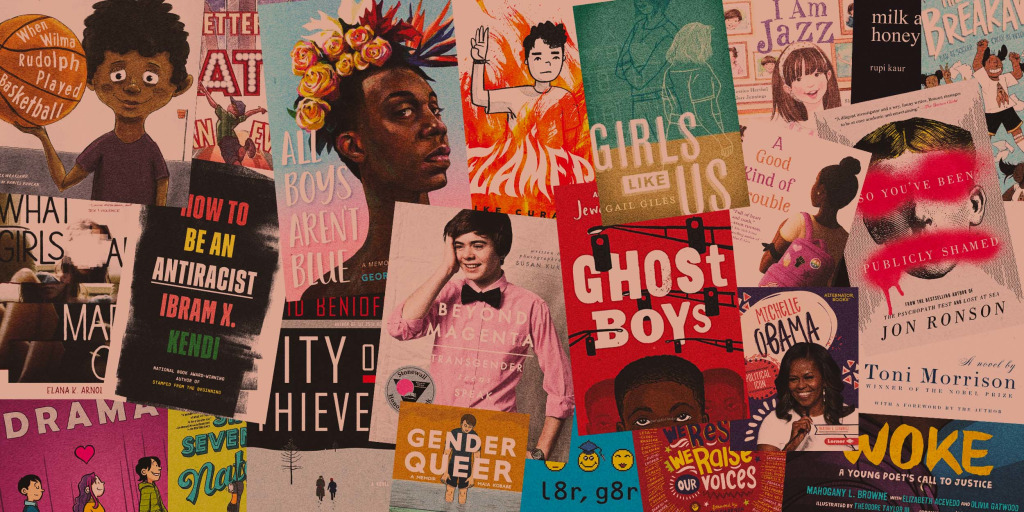
Beyond specific identity categories, a broader category of books is challenged for explicit sexual content, profanity, or other mature themes considered unsuitable for younger audiences.
- “Thirteen Reasons Why” by Jay Asher: This novel, which deals with teenage suicide, has been challenged for its mature themes and graphic descriptions.
- “The Absolutely True Diary of a Part-Time Indian” by Sherman Alexie: This coming-of-age story, which deals with poverty, alcoholism, and racism, has been challenged for its sexual content and profanity.
- “All Boys Aren’t Blue” by George M. Johnson: This memoir, which details the author’s experiences with sexual abuse and his journey of self-discovery as a Black queer boy, has faced significant challenges due to its frank discussions of sexuality.
These challenges often reflect a desire to shield younger readers from difficult or uncomfortable topics. However, they also raise questions about whether libraries should provide access to a full spectrum of human experience, even when it touches upon challenging subjects.
Implications for Travelers and Visitors
While the direct impact of book bans might seem confined to Texas residents, for travelers, understanding these trends offers a more nuanced perspective on the state’s intellectual and social environment.
Understanding Local Discourse and Values
The types of books that are challenged or removed can serve as indicators of prevailing social and political currents within a community. By being aware of these debates, visitors can gain a deeper appreciation for the diverse viewpoints and values that shape Texas. This can lead to more informed conversations and a richer understanding of the local culture. For instance, noticing a particular emphasis on certain historical narratives or a sensitivity to specific social issues might prompt a traveler to seek out local museums, historical markers, or cultural events that address these themes.
Seeking Out Diverse Literary Experiences
For travelers who are avid readers, the current climate in Texas might inspire them to seek out libraries or bookstores that actively champion challenged or banned books. Many independent bookstores and some public libraries serve as crucial bastions of free expression, often hosting events or curating displays that highlight banned literature. Discovering these spaces can lead to unique literary experiences and a deeper connection with the local community’s commitment to intellectual freedom. This can also be an opportunity to explore Texas authors whose works might not be the subject of controversy but offer profound insights into the state’s identity and history.
Engaging with Cultural Institutions Critically
When visiting museums, historical sites, or educational centers in Texas, an awareness of the book banning trends can foster a more critical and engaged approach. Understanding the context of these debates can help visitors interpret the narratives presented, question omissions, and seek out alternative perspectives. This critical engagement transforms a passive visit into an active exploration of how history and culture are presented and contested.
The Ongoing Evolution of Literary Access
The landscape of book challenges in Texas is not static; it is a dynamic and ongoing conversation. New titles are frequently added to lists of challenged books, and the outcomes of challenges can vary significantly by school district and municipality.
The Role of State Legislation
Recent legislative actions at the state level have also played a role in shaping access to educational materials. Laws that mandate the review of library and classroom materials, and that grant parents more direct control over curriculum, have amplified the impact of individual book challenges. These legislative efforts aim to create a more standardized approach to content, but critics argue they can lead to a chilling effect on intellectual freedom and encourage overzealous censorship.
The Resilience of Libraries and Educators
Despite the challenges, librarians, educators, and community members in Texas continue to advocate for open access to information and diverse literary perspectives. Many are working diligently to ensure that students and the public have opportunities to engage with a wide range of ideas, even in the face of opposition. This ongoing advocacy is a testament to the enduring value placed on knowledge and the importance of a well-informed citizenry.
A Destination for Thoughtful Exploration
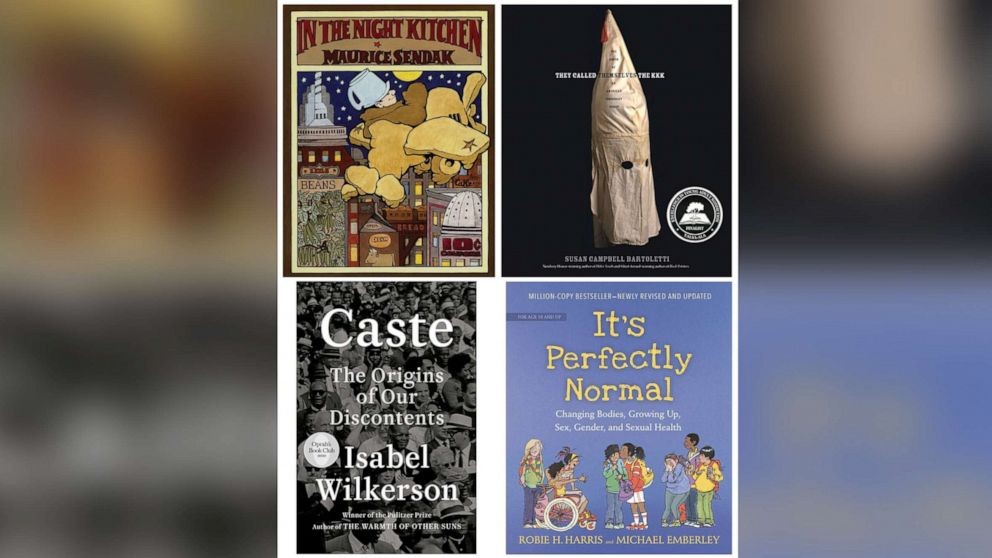
For the curious traveler, Texas offers a compelling destination not just for its iconic landscapes and vibrant cities, but also for its complex and evolving intellectual terrain. By understanding the discussions around banned books, visitors can engage with the state on a deeper level, appreciating the nuances of its culture and the ongoing dialogues that shape its future. The availability, or lack thereof, of certain books becomes a subtle yet significant clue to the state’s present moment, inviting thoughtful exploration and informed discovery.
LifeOutOfTheBox is a participant in the Amazon Services LLC Associates Program, an affiliate advertising program designed to provide a means for sites to earn advertising fees by advertising and linking to Amazon.com. Amazon, the Amazon logo, AmazonSupply, and the AmazonSupply logo are trademarks of Amazon.com, Inc. or its affiliates. As an Amazon Associate we earn affiliate commissions from qualifying purchases.