
The allure of Yellowstone National Park is undeniable, a sprawling wilderness teeming with geothermal wonders, abundant wildlife, and breathtaking landscapes. For many, particularly those based in the vibrant city of Denver, Colorado, a pilgrimage to this iconic natural treasure is a sought-after travel experience. Understanding the distance and logistics involved is the crucial first step in planning such an adventure. This guide delves into the various routes and considerations for traveling from Denver to Yellowstone, ensuring a smooth and memorable journey.
Planning Your Drive to Yellowstone
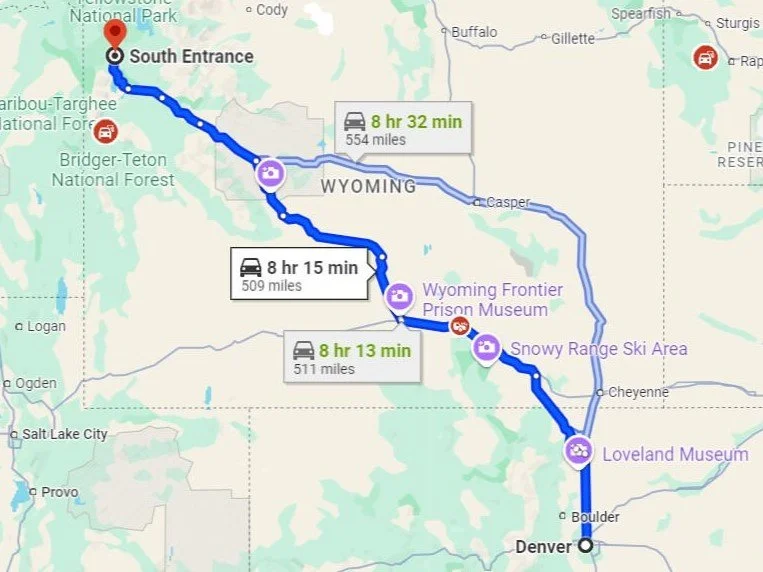
The distance between Denver, Colorado and Yellowstone National Park is substantial, requiring careful planning to optimize your travel time and experience. While the most direct route is by car, the journey itself can be as rewarding as the destination, offering glimpses of diverse American landscapes. The average driving distance hovers around 600 to 700 miles, depending on the specific entrance of the park you aim for. This translates to approximately 10 to 12 hours of pure driving time, not including stops for fuel, food, or rest. Therefore, it’s highly recommended to break up the drive into at least two days to avoid exhaustion and fully appreciate the scenery along the way.
Route Options and Considerations
Several primary routes connect Denver, Colorado to Yellowstone National Park, each offering unique advantages and passing through different regions. The most common and often most efficient route involves heading north through Wyoming.
The Northern Route (via Casper, Wyoming)
This route typically takes you north on Interstate 25 (I-25) towards Cheyenne, Wyoming, then continues north to Casper, Wyoming. From Casper, you’ll proceed north on US-26 W, eventually merging with US-20 W and US-14 W, which lead directly to the East Entrance of Yellowstone National Park near Cody, Wyoming. This path is favored for its relative directness and the opportunity to experience the charming Western town of Cody, often referred to as the “Rodeo Capital of the World.” The drive through the Absaroka-Beartooth Wilderness as you approach the park is particularly scenic.
- Estimated Driving Time: 10-11 hours (without stops).
- Recommended Overnight Stop: Casper, Wyoming or Cody, Wyoming.
- Scenery: Plains, rolling hills, and dramatic mountain vistas as you near the park.
The Western Route (via Grand Teton National Park)
An equally popular and often more scenic route involves heading west from Denver, Colorado towards Salt Lake City, Utah on I-80 W, then veering north into Wyoming towards Grand Teton National Park. This route allows for a spectacular combination trip, as Grand Teton National Park is located just south of Yellowstone National Park and shares a common entrance (the John D. Rockefeller, Jr. Memorial Parkway). From Salt Lake City, you would take US-89 N and then US-191 N, leading you directly into Grand Teton and then onward to Yellowstone.
- Estimated Driving Time: 11-12 hours (without stops). This route is longer due to the detour to Salt Lake City.
- Recommended Overnight Stops: Rawlins, Wyoming, Rock Springs, Wyoming, or towns within or near Grand Teton National Park such as Jackson, Wyoming.
- Scenery: Vast high plains, dramatic mountain ranges including the Tetons, and the iconic lakes of Grand Teton National Park.
Factors Affecting Travel Time
Several factors can significantly influence your actual travel time:
- Time of Year: During peak summer months (June, July, August), roads can be busy, and construction delays are more common. Winter travel presents entirely different challenges, with road closures and the need for four-wheel-drive vehicles or snowmobiles.
- Traffic: Denver, Colorado traffic, especially during rush hour, can add to your departure time. Similarly, roads within and around Yellowstone National Park can experience congestion due to wildlife sightings or popular viewpoints.
- Weather: Mountain passes can be unpredictable, and unexpected snowstorms can occur even in late spring or early fall. Always check weather forecasts before and during your trip.
- Stops: The recommended driving time does not account for the inevitable stops for gas, meals, rest breaks, and spontaneous sightseeing. Factor in at least 2-3 hours for these essential pauses over a 10-12 hour drive.
Preparing for Your Journey
A road trip from Denver, Colorado to Yellowstone National Park requires more than just a full tank of gas. Thorough preparation will enhance your comfort, safety, and overall enjoyment.
Vehicle Check and Essentials
Before embarking on your drive, ensure your vehicle is in optimal condition. A pre-trip inspection should include checking tire pressure and tread, oil levels, coolant, brakes, and lights. Pack an emergency kit that includes a first-aid kit, jumper cables, a flashlight, water, non-perishable snacks, and a blanket. Consider carrying a physical map in addition to GPS, as cell service can be unreliable in remote areas of Wyoming and within Yellowstone National Park.
Accommodation and Itinerary
Given the distance, booking accommodation in advance is highly recommended, especially if you plan to travel during the peak season. Decide whether you want to spend one night en route or two, depending on your preference for pace.

- One-Night Stop: If aiming for a single overnight stop, consider towns like Casper, Wyoming on the northern route or Rawlins, Wyoming on the western route. This allows for a substantial first day of driving and positions you for a final push to the park the following day.
- Two-Night Stop: A two-night stop offers a more relaxed pace and allows for exploration of the intermediate locations. For instance, you could spend a night near Cheyenne, Wyoming and then proceed to Cody, Wyoming on the second day before entering the park. Alternatively, if taking the western route, spending a night in Grand Teton National Park is an unforgettable experience.
Park Entry and Passes
Familiarize yourself with the entrance fees for Yellowstone National Park. An America the Beautiful Pass, which grants access to all national parks for a year, can be a cost-effective option if you plan to visit multiple national parks within that timeframe. Decide which entrance you will use, as this will influence your route and the initial part of your park experience. The most common entrances from Denver, Colorado are the East Entrance (near Cody, Wyoming) and the South Entrance (connecting from Grand Teton National Park).
Alternative Travel Options
While driving is the most popular method, other travel options exist for reaching Yellowstone National Park from Denver, Colorado. These alternatives may appeal to those seeking to avoid long hours behind the wheel or who have specific travel preferences.
Flying and Renting a Car
For those who prefer to minimize driving time, flying is a viable option. The closest major airports to Yellowstone National Park are:
- Jackson Hole Airport (JAC): Located in Jackson, Wyoming, this airport offers direct flights from several major cities and provides the most scenic and convenient access to the South Entrance of Yellowstone via Grand Teton National Park.
- Bozeman Yellowstone International Airport (BZN): Situated in Montana, this airport is a popular gateway to the North and West Entrances of Yellowstone National Park.
- Cody Yellowstone Regional Airport (COD): This airport in Cody, Wyoming is close to the East Entrance and is often served by fewer direct flights than JAC or BZN.
- Billings Logan International Airport (BIL): Located in Billings, Montana, this airport is a further drive to the Northeast Entrance of the park.
From Denver, Colorado, you can find flights to these airports. Upon arrival, renting a car is essential for exploring Yellowstone National Park and its surrounding areas, as public transportation within the park is limited.
- Flight Time: Approximately 1.5 to 2 hours direct flight to JAC or BZN.
- Ground Transportation: Car rental is necessary.
- Considerations: This option combines the speed of air travel with the freedom of a road trip once you reach your destination. It can also be more expensive than driving, especially for families or groups.
Train Travel
While not a direct route, train travel can be incorporated into a journey to Yellowstone National Park. Amtrak offers routes that can bring you within a reasonable distance of the park. For example, the Empire Builder route travels through Montana and could get you to Whitefish, Montana or Glacier Park Station, from where further ground transportation would be required. Another option is to take a train to Salt Lake City, Utah and then arrange for a rental car or shuttle service.
- Considerations: Train travel is generally slower than driving or flying but can be a more relaxed and scenic experience. It often requires connecting services to reach the park itself.
Navigating Within Yellowstone National Park
Once you’ve arrived at Yellowstone National Park from Denver, Colorado, navigating its vast expanse is the next adventure. The park’s road system is designed to provide access to its most famous attractions, but it’s important to be prepared for the unique conditions.
The Grand Loop Road
The park’s main artery is the Grand Loop Road, an 142-mile figure-eight route that connects most of the major attractions, including the Old Faithful Geyser, Grand Prismatic Spring, Mammoth Hot Springs, and the Grand Canyon of the Yellowstone. Driving this loop allows you to experience a significant portion of the park’s diverse geological features and ecosystems.
Wildlife Viewing and Safety
Yellowstone National Park is renowned for its abundant wildlife, including bison, elk, bears, wolves, and pronghorn. Wildlife viewing is a highlight for most visitors, but it’s crucial to observe animals from a safe distance. Never feed wild animals, and always maintain a minimum of 100 yards from bears and wolves, and 25 yards from all other animals, including bison and elk. Pull over to the side of the road when observing wildlife to avoid blocking traffic, and be patient; a traffic jam caused by a bison herd can be a unique and memorable park experience.

Park Entrances and Visitor Centers
Yellowstone National Park has five main entrances: North, Northeast, East, South, and West. Each offers a different perspective and access to distinct areas of the park. Familiarize yourself with the entrance nearest your planned route from Denver, Colorado. Visitor centers located throughout the park offer valuable information, exhibits, and ranger programs to enhance your understanding and appreciation of the park’s natural and cultural history.
The journey from Denver, Colorado to Yellowstone National Park is a significant undertaking, but one that promises immense rewards. By understanding the distances, choosing the most suitable route, preparing thoroughly, and being mindful of park conditions, you can ensure a memorable and enriching travel experience to one of America’s greatest natural wonders.
LifeOutOfTheBox is a participant in the Amazon Services LLC Associates Program, an affiliate advertising program designed to provide a means for sites to earn advertising fees by advertising and linking to Amazon.com. Amazon, the Amazon logo, AmazonSupply, and the AmazonSupply logo are trademarks of Amazon.com, Inc. or its affiliates. As an Amazon Associate we earn affiliate commissions from qualifying purchases.