
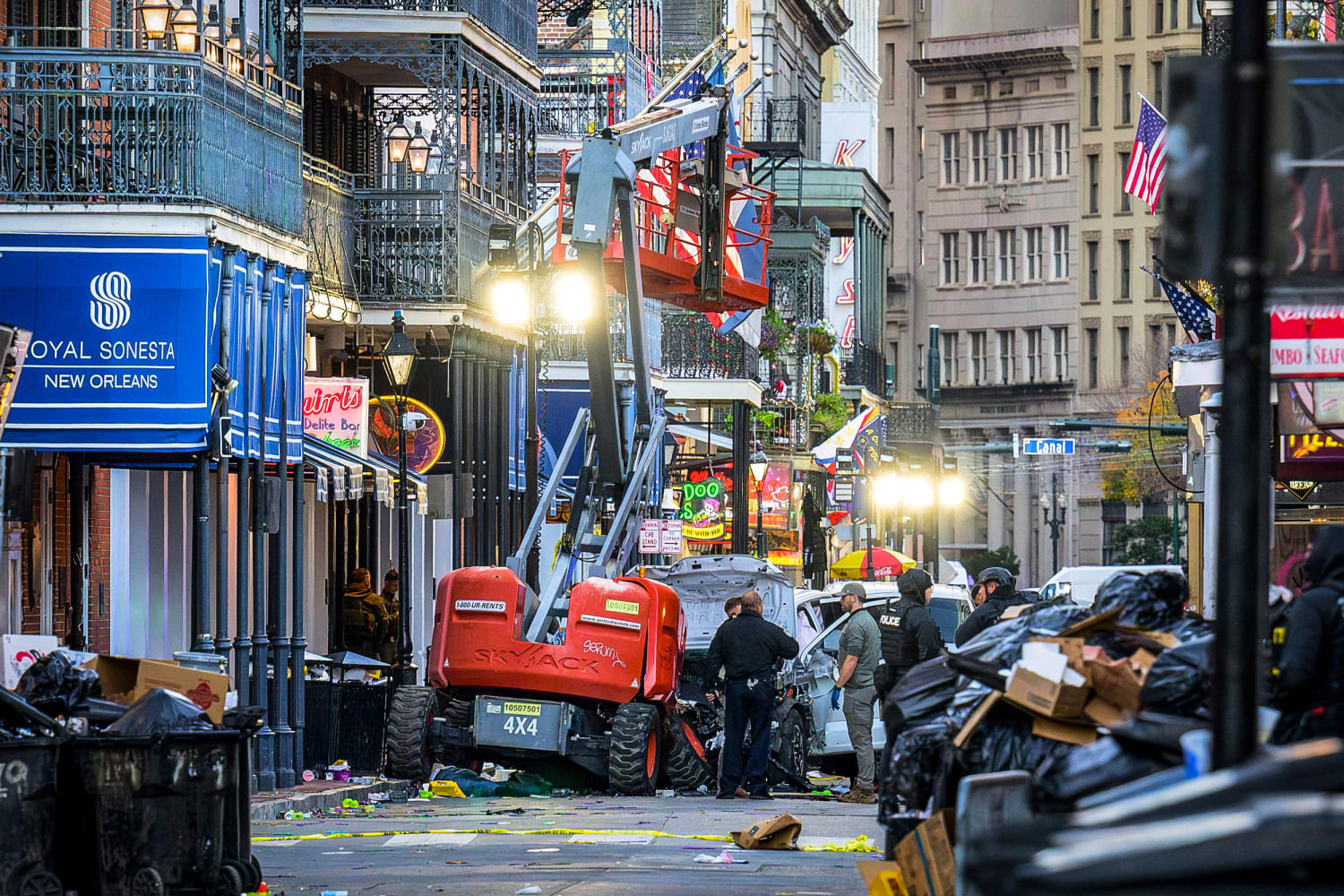
While the title “When Did The New Orleans Attack Happen?” might initially suggest a focus on a singular, specific event of violence or disaster, within the context of New Orleans tourism and its rich, multifaceted history, this question often leads to discussions about various moments that have profoundly shaped the city’s identity and its narrative as a destination. These “attacks,” in a broader sense, can refer to natural calamities that tested the city’s resilience, economic downturns that altered its landscape, or even cultural shifts that redefined its unique charm. Understanding these historical junctures is crucial for appreciating the enduring spirit of New Orleans and its vibrant appeal to visitors from around the globe.

A City Shaped by Adversity: Natural Disasters and Their Impact
New Orleans has historically been vulnerable to the forces of nature, with several devastating events leaving indelible marks on its fabric. The most prominent and recent of these was Hurricane Katrina.
The Devastation of Hurricane Katrina
On August 29, 2005, Hurricane Katrina made landfall near the Louisiana coast, unleashing catastrophic flooding across much of New Orleans due to the failure of its levee system. The storm surge and subsequent inundation submerged approximately 80% of the city for weeks, displacing hundreds of thousands of residents and causing widespread destruction to homes, businesses, and infrastructure. The aftermath was a period of immense hardship, characterized by a massive rescue and recovery effort, a significant exodus of population, and a long, arduous road to rebuilding.
The impact of Hurricane Katrina on the tourism industry was immediate and profound. Many iconic venues, hotels, and cultural institutions suffered severe damage, leading to closures and a drastic reduction in visitor numbers. However, the spirit of New Orleans proved indomitable. The resilience of its people, coupled with national and international support, spurred a remarkable recovery. Today, while scars remain and lessons have been learned, the city stands as a testament to perseverance. Many of the areas that were hardest hit have been revitalized, and the tourism sector has not only bounced back but has often been enhanced by improved infrastructure and renewed community pride. Visitors returning to New Orleans will find a city that honors its past while vibrantly embracing its future, with many tours and attractions now incorporating stories of resilience and recovery.
Other Significant Floods and Storms
Beyond Hurricane Katrina, New Orleans has faced numerous other significant flood events and tropical storms throughout its history. The Mississippi River’s historical propensity for flooding, combined with the city’s low elevation and its location below sea level, has made water management a constant challenge. Major floods occurred in earlier eras, such as the Great Mississippi Flood of 1927, which, while not directly inundating the city to the same extent as Katrina, had significant regional impacts.
Even less catastrophic storms can disrupt travel plans and impact the visitor experience. Understanding the historical context of the city’s relationship with water – from the engineering marvels of its drainage systems to the constant vigilance required – adds a layer of appreciation for the very environment that makes New Orleans so unique. Many historical accounts and even some contemporary exhibits in the French Quarter touch upon these past challenges, offering insights into how the city has adapted and survived.
Cultural and Economic “Attacks”: Periods of Transformation
While natural disasters are tangible “attacks” on a city, New Orleans has also endured periods of significant cultural and economic upheaval that have reshaped its trajectory. These are not singular events with precise dates but rather evolving processes that have left their mark.
The Impact of Prohibition and the Great Depression
The era of Prohibition in the United States (1920-1933) presented a unique challenge and, in some ways, an unexpected boon for New Orleans. While the rest of the country grappled with the ban on alcohol, the city, with its long-standing traditions of revelry and its distinct cultural identity, saw its nightlife and live music scene flourish in speakeasies and underground establishments. This period inadvertently helped preserve and evolve the nascent jazz music scene, laying crucial groundwork for its future global influence.
Following the economic boom of the Roaring Twenties, the Great Depression (starting in 1929) cast a long shadow. While the nation suffered, New Orleans, already facing economic disparities, experienced significant hardship. Tourism, a vital economic engine, declined. However, this period also saw the emergence of significant public works projects, some of which contributed to the city’s infrastructure and architecture, shaping the urban landscape that tourists explore today. The resilience found in the blues and jazz music that emerged from these difficult times continued to be a hallmark of the city’s cultural output.
Shifting Economic Fortunes and Urban Development
Throughout the 20th century and into the 21st, New Orleans has experienced cycles of economic growth and decline. Shifts in industries, the decline of port activity in certain periods, and the evolving nature of tourism have all played a role. Urban development projects, while often necessary, have sometimes led to significant changes in neighborhoods, impacting the city’s physical and social fabric.
For a tourist, understanding these historical economic shifts provides context for the city’s diverse neighborhoods, its architectural styles that reflect different eras of prosperity and struggle, and the ongoing efforts to balance preservation with progress. Many historic districts, like the Garden District with its opulent mansions, or the more modest but equally charming homes in areas like the Irish Channel, tell stories of past economic booms and the lives of those who built them.
Preserving the Legacy: The Enduring “Attack” of Time and Change
Perhaps the most constant “attack” that any city faces is the relentless march of time and the inevitable changes it brings. For a historic city like New Orleans, this manifests in the ongoing efforts to preserve its irreplaceable heritage while adapting to contemporary needs.
Preservation Efforts in Historic Districts
The French Quarter, a UNESCO World Heritage site, is a prime example of a place that has faced and continues to face challenges in its preservation. Fires, decay, and the sheer volume of tourism have all posed threats. Strict architectural regulations and dedicated preservation organizations work tirelessly to maintain the character of this iconic district, ensuring that the gaslit streets, wrought-iron balconies, and historic buildings remain intact for future generations.
Beyond the French Quarter, other historic neighborhoods like the Tremé and parts of the Marigny are also subject to preservation efforts, recognizing their unique cultural and historical significance. Visitors can often participate in walking tours that highlight these preservation efforts and educate them about the architectural styles and historical contexts of these areas.

The Evolution of New Orleans’ Cultural Scene
The “attack” of time also influences New Orleans’s vibrant cultural scene. While traditional forms of jazz, blues, and Creole cuisine remain central, the city’s artistic expressions are constantly evolving. New music genres emerge, contemporary chefs reinterpret classic dishes, and new festivals and events spring up, reflecting the changing demographics and artistic trends.
For travelers, this means that while the historic charm and traditional experiences are readily available – think a steamboat jazz cruise on the Mississippi River or a plate of authentic gumbo at a classic eatery – there is also a dynamic contemporary arts scene, innovative culinary experiences, and modern interpretations of the city’s rich heritage. The “attack” of time, in this sense, is less about destruction and more about continuous evolution, ensuring that New Orleans remains a living, breathing cultural powerhouse. Understanding these various “attacks” – whether natural disasters, economic shifts, or the passage of time – provides a deeper appreciation for the resilience, adaptability, and enduring allure of this extraordinary city.
LifeOutOfTheBox is a participant in the Amazon Services LLC Associates Program, an affiliate advertising program designed to provide a means for sites to earn advertising fees by advertising and linking to Amazon.com. Amazon, the Amazon logo, AmazonSupply, and the AmazonSupply logo are trademarks of Amazon.com, Inc. or its affiliates. As an Amazon Associate we earn affiliate commissions from qualifying purchases.