
The allure of the American West often conjures images of sprawling deserts meeting majestic mountain ranges, and the journey from Las Vegas, Nevada, to Denver, Colorado, perfectly encapsulates this dramatic transition. This route, stretching across diverse landscapes, offers a compelling travel experience for those seeking to connect two of the region’s most vibrant cities. Understanding the distance, the best ways to traverse it, and the potential stops along the way can transform a simple drive into an enriching adventure.
The Core Distance and Driving Time
The most direct route from Las Vegas to Denver spans approximately 730 to 750 miles, depending on the specific roads taken. This considerable distance translates into an estimated driving time of around 10 to 12 hours without accounting for any stops. This is a journey best undertaken with at least one overnight stay to ensure a safe and enjoyable experience, allowing for rest and the opportunity to explore points of interest along the way. The primary interstate highways that facilitate this drive are Interstate 70 (though its westernmost approach to Denver is relevant, the majority of the direct route will utilize other interstates before converging) and Interstate 80, with segments of U.S. Route 6 and U.S. Route 50 also playing significant roles depending on the chosen path.

Factors Influencing Travel Time
Several variables can impact the actual time it takes to complete the drive from Las Vegas to Denver:
- Traffic Conditions: Major metropolitan areas, especially around Denver and during peak travel times, can significantly add to transit duration. Weekends, holidays, and rush hour are prime examples of periods where delays are more likely.
- Weather: The high desert and mountain regions are susceptible to unpredictable weather patterns. Snow, ice, and heavy rain can slow down travel considerably, particularly during the winter months. Road closures due to severe weather are not uncommon, necessitating flexibility in travel plans.
- Road Construction: Throughout the year, various sections of the highways undergo maintenance and construction. These projects can lead to lane closures, reduced speed limits, and traffic backups, extending travel times. Checking local traffic reports and Department of Transportation websites before and during the journey is advisable.
- Vehicle Performance: The condition and type of vehicle used can affect fuel efficiency and the ability to maintain consistent speeds, especially when encountering inclines in mountainous terrain.
- Driver Habits: The frequency and duration of rest stops, as well as the individual’s driving speed, are personal factors that influence the overall journey time.
Navigating the Route: Options and Considerations
The drive from Las Vegas to Denver is not a single, monolithic path. While a direct route is the most common, several variations exist, each offering distinct scenery and potential stops. The choice of route often depends on personal preference, the time available, and the desired travel experience.
The Direct Route: Through Utah and Wyoming
One of the most popular and efficient routes involves heading north from Las Vegas into Utah. This path typically utilizes U.S. Route 6 east, which then connects to Interstate 70 in Utah. From there, travelers would continue east on I-70 before branching off onto routes that lead north towards Wyoming and eventually Denver. Another common variant involves taking Interstate 15 north from Las Vegas to Salt Lake City, then heading east on Interstate 80 through Wyoming before descending into Denver.
- Scenery: This route offers a dramatic contrast in landscapes. It begins in the arid Mojave Desert, transitions through the unique red rock formations of southern Utah, and then traverses the vast plains and rolling hills of Wyoming. The approach to Denver offers glimpses of the front range of the Rocky Mountains.
- Overnight Stops: Potential overnight locations include cities like Provo or Salt Lake City in Utah, or Cheyenne or Laramie in Wyoming.
The Southern Route: Through Arizona and New Mexico
An alternative, though typically longer, route involves heading east from Las Vegas through Arizona and New Mexico. This path might utilize U.S. Route 93 south to connect with highways heading east towards Flagstaff, then continuing through New Mexico via routes like Interstate 40 before turning northwards towards Denver.
- Scenery: This route offers a different geological and cultural experience. It passes through landscapes influenced by the Grand Canyon region and delves into the rich history and unique architecture of the Southwest. It provides opportunities to explore areas with strong Native American heritage and Spanish colonial influences.
- Overnight Stops: Possible stopping points include Flagstaff in Arizona, or cities like Albuquerque or Santa Fe in New Mexico.
Driving vs. Flying
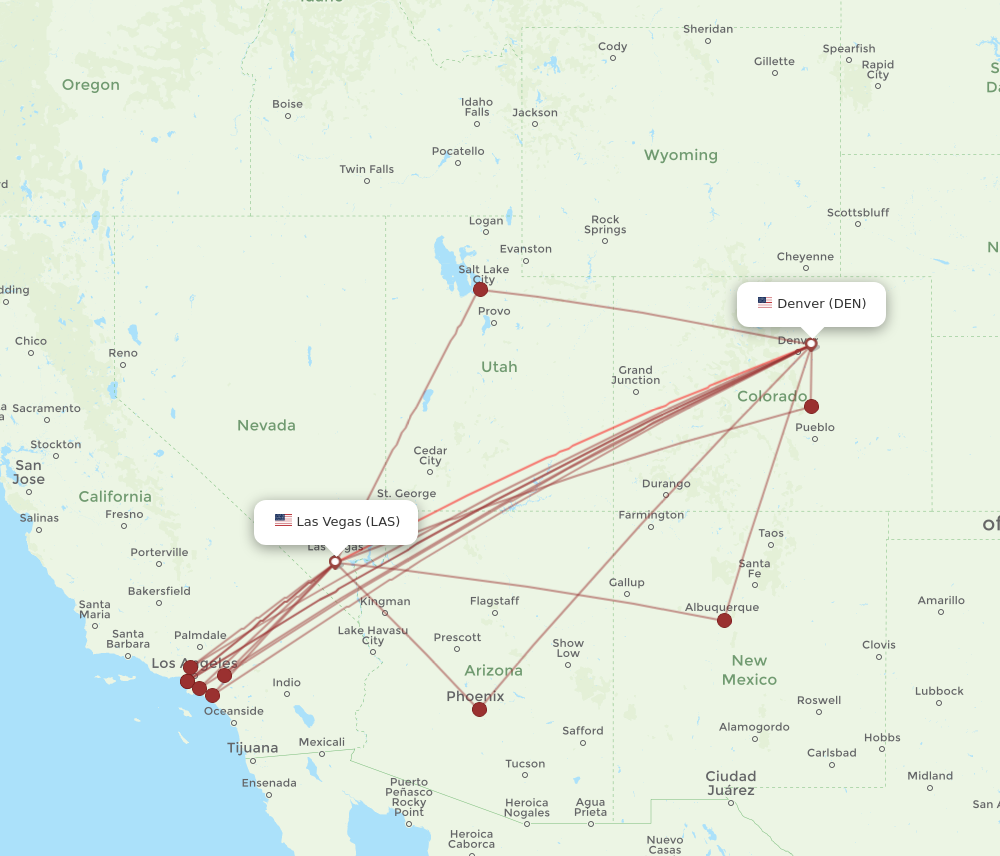
While the road trip offers unparalleled opportunities for exploration and experiencing the grandeur of the American West, it is important to acknowledge that flying is a significantly faster alternative. Direct flights from McCarran International Airport (LAS) in Las Vegas to Denver International Airport (DEN) typically take around two hours. This option is ideal for travelers with limited time or those who prefer to arrive in Denver quickly to focus on the city’s attractions.
Points of Interest and Potential Stops
The true magic of a road trip between Las Vegas and Denver lies in the ability to break up the journey and explore the unique attractions scattered across the varied landscapes. Planning your stops can transform a long drive into a memorable adventure, offering a deeper appreciation for the American West.

Natural Wonders and National Parks
The route is peppered with opportunities to witness some of the continent’s most awe-inspiring natural formations.
- Zion National Park (Utah): If taking a more northerly route through Utah, a detour to Zion National Park is highly recommended. Famous for its towering sandstone cliffs, narrow canyons, and diverse ecosystems, it offers hiking trails for all levels, from the paved Riverside Walk to the more challenging Angels Landing.
- Bryce Canyon National Park (Utah): Not far from Zion, Bryce Canyon National Park is renowned for its unique geological formations known as hoodoos, which create a surreal, otherworldly landscape. The scenic drive through the park provides numerous viewpoints to marvel at these natural sculptures.
- Arches National Park (Utah): Closer to the I-70 corridor in eastern Utah, Arches National Park boasts the world’s largest concentration of natural sandstone arches, including the iconic Delicate Arch. Exploring the park’s trails offers stunning vistas and photographic opportunities.
- Rocky Mountain National Park (Colorado): As you approach Denver, a detour north to Rocky Mountain National Park provides a breathtaking introduction to the grandeur of the Rocky Mountains. Trail Ridge Road, the highest continuous paved road in North America, offers panoramic views of alpine tundra and majestic peaks.
Historic Towns and Cultural Hubs
Beyond the natural beauty, the route passes through a number of towns and cities rich in history and local culture, offering a glimpse into the diverse heritage of the American West.
- Salt Lake City, Utah: A major hub with a distinct cultural identity, Salt Lake City is home to the magnificent Temple Square, the headquarters of the Church of Jesus Christ of Latter-day Saints. The city also boasts a vibrant arts scene and beautiful mountain backdrops.
- Grand Junction, Colorado: Situated in western Colorado, Grand Junction is a gateway to Colorado’s wine country and offers access to the Colorado National Monument, a stunning high-desert landscape with canyons and rock formations.
- Santa Fe, New Mexico: If opting for the southern route, Santa Fe is an essential stop. Known for its adobe architecture, vibrant arts scene, rich Native American and Spanish colonial history, and world-class cuisine, it offers a unique cultural immersion. The historic Plaza and the Loretto Chapel are must-see landmarks.
- Albuquerque, New Mexico: Further south, Albuquerque offers a blend of Native American, Hispanic, and Anglo cultures. Visitors can explore Old Town, ride the Sandia Peak Tramway for panoramic views, and delve into the city’s unique culinary scene.
Quirky Roadside Attractions
The expansive stretches of highway between Las Vegas and Denver are often punctuated by unexpected and delightful roadside attractions that add character and fun to the journey. While specific attractions can change, keeping an eye out for local markers and quirky signs can lead to memorable discoveries. These might include unique sculptures, themed diners, or local museums dedicated to unusual historical facts or industries.
Preparing for the Journey
A successful road trip from Las Vegas to Denver hinges on thorough preparation. Given the distance and the varied environments one will traverse, ensuring the vehicle is in optimal condition and packing appropriately are paramount.
Vehicle Checks and Maintenance
Before embarking on this significant drive, a comprehensive check of your vehicle is essential. This includes:
- Tires: Ensure tires are properly inflated and have sufficient tread depth. Consider checking the spare tire’s condition as well.
- Fluids: Check and top up all essential fluids, including engine oil, coolant, brake fluid, power steering fluid, and windshield washer fluid.
- Brakes: Have your braking system inspected to ensure it is in good working order, especially important for navigating mountain descents.
- Battery: Test the battery’s charge and connection to avoid unexpected issues, particularly if traveling in extreme temperatures.
- Wipers: Ensure windshield wipers are in good condition for visibility in case of rain or dust.
Essential Packing List
Packing strategically can enhance comfort and safety throughout the journey:
- Navigation: GPS device or smartphone with reliable navigation apps, and consider downloading offline maps as cell service can be spotty in remote areas.
- Emergency Kit: A basic emergency kit including jumper cables, a first-aid kit, a flashlight with extra batteries, a multi-tool, and reflective triangles or flares.
- Water and Snacks: Ample water is crucial, especially in desert climates. Non-perishable snacks can be a lifesaver during long stretches between services.
- Clothing: Pack layers of clothing to adapt to varying temperatures, from the heat of the desert to the cooler mountain air. Include comfortable driving attire.
- Entertainment: Music playlists, podcasts, audiobooks, or books can help pass the time during long driving segments.
- Documentation: Driver’s license, vehicle registration, insurance information, and any reservation confirmations for accommodations.
Accommodation and Dining
Planning your overnight stays and meal breaks in advance can streamline the journey and ensure comfortable rest periods. Researching hotels and restaurants in potential stopover towns allows for informed decisions and can often lead to better rates and more enjoyable experiences. Consider booking accommodations in advance, especially during peak travel seasons. When it comes to dining, exploring local eateries offers a taste of regional cuisine and supports local businesses.
The drive from Las Vegas to Denver is more than just a transfer between two cities; it is an opportunity to experience the diverse and breathtaking landscapes of the American West. With careful planning and an adventurous spirit, this journey can be an unforgettable part of any travel itinerary.
LifeOutOfTheBox is a participant in the Amazon Services LLC Associates Program, an affiliate advertising program designed to provide a means for sites to earn advertising fees by advertising and linking to Amazon.com. Amazon, the Amazon logo, AmazonSupply, and the AmazonSupply logo are trademarks of Amazon.com, Inc. or its affiliates. As an Amazon Associate we earn affiliate commissions from qualifying purchases.