
Unveiling the Centennial State’s Administrative Divisions
The state of Colorado, often lauded for its breathtaking natural beauty and outdoor recreational opportunities, is comprised of a specific number of counties. Understanding this administrative structure is crucial for any traveler seeking to navigate the state, appreciate its diverse regions, or delve into its rich history. Colorado, known as the Centennial State, was admitted to the Union on August 1, 1876, making it the 38th state. Its governance and organization are divided into distinct geographical and administrative units, each with its own unique character and importance. The question “How many counties Colorado?” is more than just a statistical query; it’s an invitation to explore the state’s multifaceted landscape and the communities that inhabit it.
Colorado’s county system reflects its historical development and the geographical challenges and opportunities presented by its mountainous terrain. As settlers moved westward and the population grew, new counties were formed to better manage local affairs, provide essential services, and represent the interests of residents in different areas. This process of county formation has shaped the way the state is administered, how resources are allocated, and how different regions of Colorado maintain their distinct identities. From the urban centers of the Front Range to the vast plains of the east and the rugged peaks of the Rocky Mountains, each county plays a role in the collective narrative of the state.
The Precise Number and Their Geographic Spread
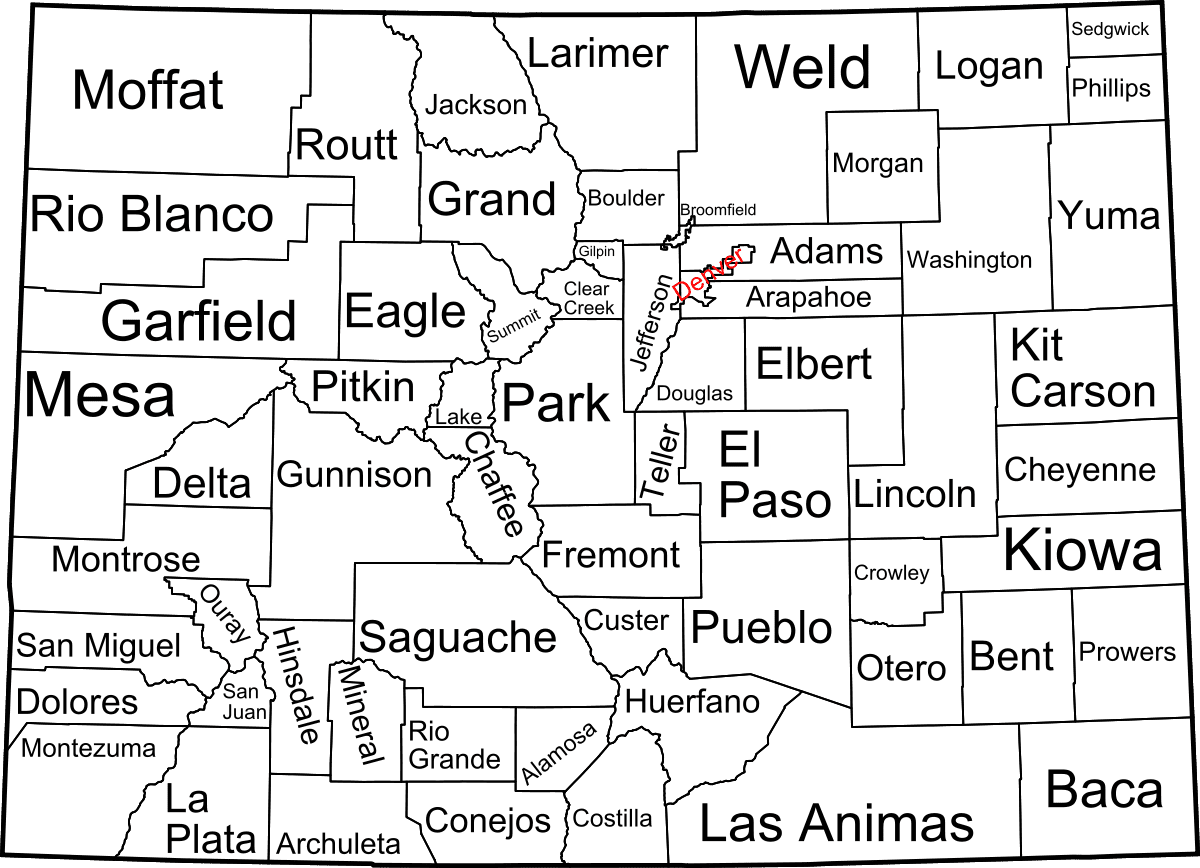
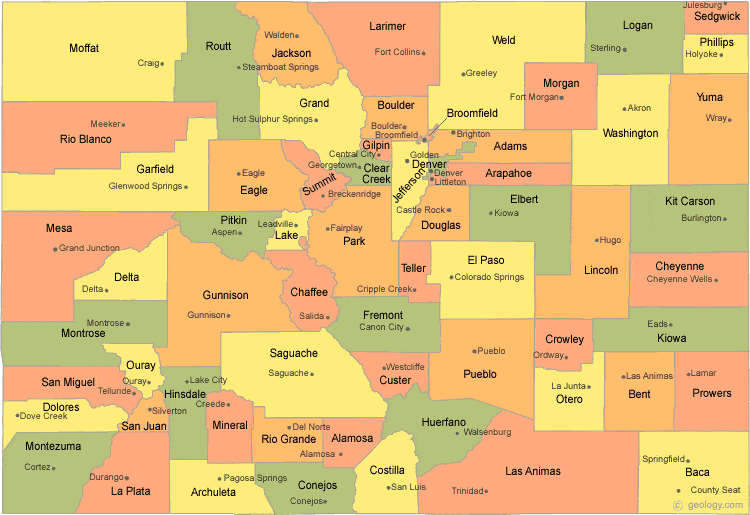
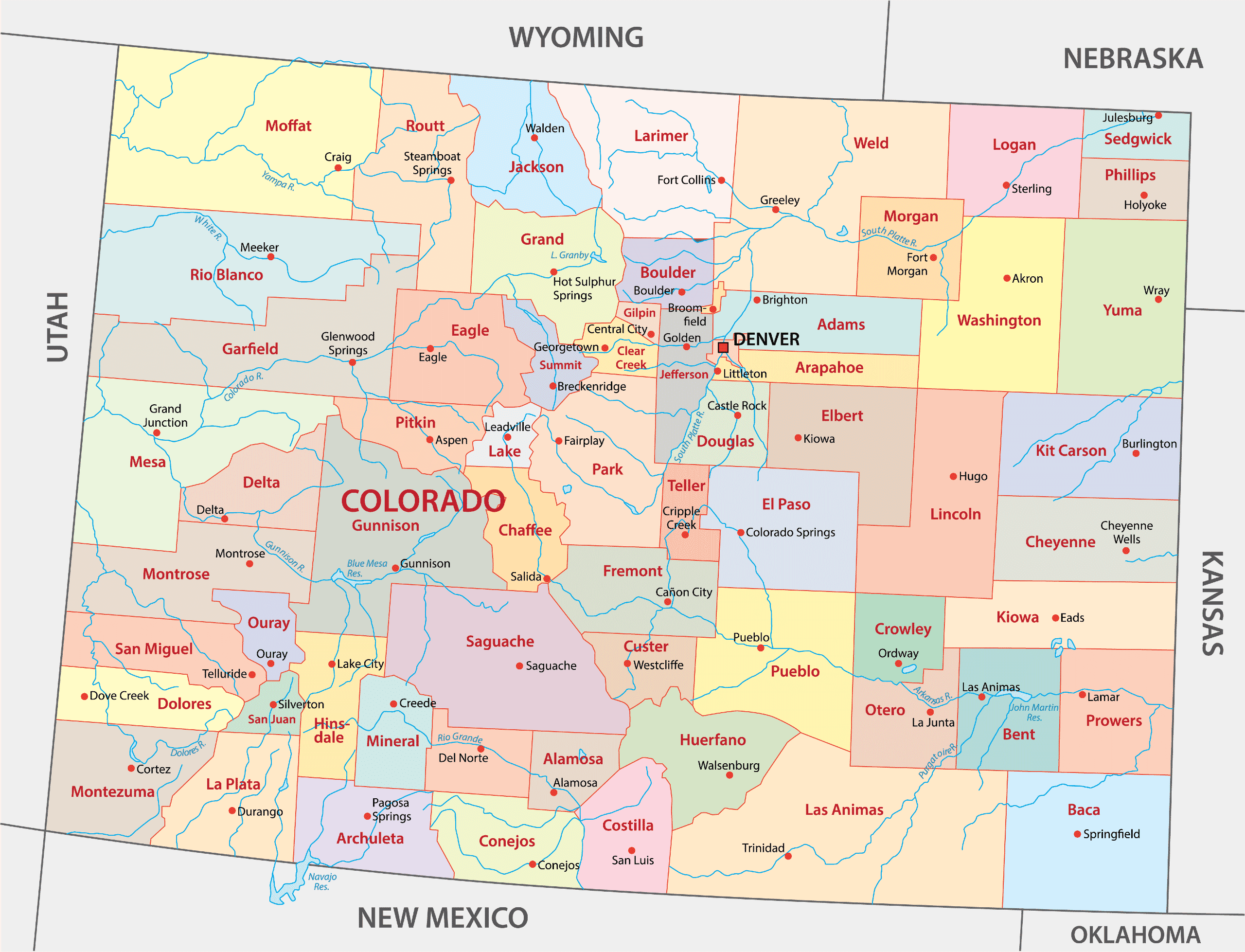
The state of Colorado is divided into 64 counties. This number has remained constant for some time, though the formation and dissolution of counties were more dynamic in the state’s earlier history. These 64 entities are the primary administrative subdivisions of Colorado, serving as the local government units responsible for a wide array of public services. They range significantly in size, from vast, sparsely populated rangelands in the western and eastern parts of the state to more densely populated urban and suburban areas along the Front Range.
The distribution of these counties is not uniform. The eastern plains, characterized by agriculture and vast open spaces, tend to have larger counties with lower population densities. In contrast, the mountainous western half of the state features a more intricate network of counties, often defined by mountain ranges, river valleys, and historic mining districts. This geographical distribution impacts everything from travel times between towns to the types of services that are prioritized and funded within each county. For travelers, understanding this spread can inform itinerary planning, particularly when considering distances and accessibility to various attractions.
For instance, a journey through the mountains might involve traversing several counties, each offering different vistas, recreational activities, and historical narratives. Conversely, driving across the eastern plains might mean covering hundreds of miles within a single county, highlighting the sheer scale of these vast agricultural landscapes. The county seat, the administrative center of each county, often serves as a hub for local services and a focal point for community life.
Key Counties and Their Significance for Travelers
While all 64 counties contribute to the tapestry of Colorado, some are particularly noteworthy for travelers due to their prominent attractions, vibrant communities, and significant tourism infrastructure. Understanding these key counties can help orient visitors and highlight areas of particular interest.
The Denver Metropolitan Area Counties
The cluster of counties forming the Denver metropolitan area is a primary entry point for many visitors and a hub of activity.
- Denver County: The state capital and its largest city, Denver, is a vibrant cultural and economic center. It boasts numerous museums, a thriving culinary scene, professional sports teams, and serves as a gateway to the mountains.
- Jefferson County: West of Denver, this county is home to the stunning Red Rocks Park and Amphitheatre and the foothills of the Rocky Mountains, offering numerous hiking and biking trails.
- Arapahoe County: South and east of Denver, this county includes parts of the city of Aurora, Cherry Creek State Park, and a substantial commercial and residential base.
- Adams County: North and east of Denver, it encompasses parts of Aurora, Commerce City, and Brighton, with a mix of urban development and agricultural land.
Mountain and Recreational Counties
These counties are synonymous with the iconic Colorado mountain experience, attracting adventurers and nature lovers year-round.
- Eagle County: Home to world-renowned ski resorts like Vail and Beaver Creek, it’s a premier destination for winter sports and summer hiking and mountain biking.
- Summit County: Centrally located in the mountains, it encompasses the ski resorts of Breckenridge, Keystone, and Copper Mountain, along with the historic town of Frisco.
- Pitkin County: Famous for the luxury resort town of Aspen, it offers unparalleled skiing, cultural events, and high-end accommodations. The scenic Maroon Bells are also located here.
- Garfield County: This county is known for its dramatic landscapes, including the Glenwood Canyon along the Colorado River and the famous Glenwood Hot Springs.
Southern and Historical Counties
These regions offer a different perspective on Colorado, with a rich history, unique geology, and distinct cultural influences.
- El Paso County: Home to Colorado Springs, this county features iconic natural landmarks like Garden of the Gods and Pikes Peak.
- La Plata County: In southwestern Colorado, it is the location of the historic city of Durango and the starting point for the scenic Durango & Silverton Narrow Gauge Railroad.
- Mesa County: Western Colorado’s most populous county, it includes the city of Grand Junction and is the gateway to Colorado National Monument, known for its stunning red rock canyons.
Eastern Plains Counties
While less visited than the mountains, these counties offer vast skies, agricultural heritage, and a sense of wide-open spaces.
- Larimer County: North of Denver, this county encompasses the city of Fort Collins, a vibrant college town, and the gateway to the natural wonders of Rocky Mountain National Park.
- Weld County: Northeast of Denver, it is one of the largest agricultural counties in the nation, with a landscape dominated by farms and ranches.
Planning Your Colorado Journey by County
For any traveler, understanding the county structure of Colorado can significantly enhance their trip planning and on-the-ground experience. It allows for a more nuanced appreciation of the state’s diversity and can help in selecting destinations based on specific interests.
Geographic Exploration and Connectivity
When planning a road trip, knowing which counties you’ll be passing through can help you anticipate the changing landscapes, road conditions, and available amenities. For example, transitioning from the plains of eastern Colorado into the mountain counties requires a mental shift in expectations regarding driving times, elevation, and weather. Major highways like Interstate 70 traverse numerous counties, connecting major cities and attractions. Smaller state highways and county roads offer access to more remote areas, often revealing hidden gems within specific counties.
Activities and Attractions by County
Each county in Colorado offers a unique set of activities and attractions. Mountain counties are replete with opportunities for skiing, snowboarding, hiking, mountain biking, and fishing. Eastern plains counties might be more suited for exploring agricultural tourism, bird watching, or experiencing the vastness of the prairie landscape. Counties along the Front Range provide access to urban cultural attractions, historical sites, and a wide range of dining and entertainment options. Researching attractions by county can help create a more focused and rewarding itinerary.
Local Culture and History
The history of Colorado is deeply intertwined with the development of its counties. From the mining booms that gave rise to many mountain towns to the agricultural settlements on the plains, each county has its own story. Visiting local historical societies, museums, and landmarks within specific counties can offer profound insights into the people and events that shaped the state. This historical perspective adds a layer of depth to any travel experience, transforming a simple visit into an educational journey.
Beyond the Numbers: The Essence of Colorado’s Counties
The number 64 is a definitive statistic, but the true essence of Colorado’s counties lies in their individual character, the stories they tell, and the experiences they offer. Each county contributes to the unique mosaic that is the Centennial State. Whether you are drawn by the towering peaks of the Rocky Mountains, the vast horizons of the eastern plains, the historic charm of old mining towns, or the vibrant energy of its cities, exploring Colorado by its county divisions can unlock a deeper understanding and appreciation of this magnificent state. From the smallest, most remote corner to the bustling urban centers, each of the 64 counties plays a vital role in the identity and allure of Colorado, making it a destination of unparalleled diversity and enduring appeal.
LifeOutOfTheBox is a participant in the Amazon Services LLC Associates Program, an affiliate advertising program designed to provide a means for sites to earn advertising fees by advertising and linking to Amazon.com. Amazon, the Amazon logo, AmazonSupply, and the AmazonSupply logo are trademarks of Amazon.com, Inc. or its affiliates. As an Amazon Associate we earn affiliate commissions from qualifying purchases.