
The majestic landscapes of California are a perennial draw for travelers, offering everything from the sun-drenched beaches of Southern California to the towering sequoias of the Sierra Nevada. However, the Golden State is also, unfortunately, well-acquainted with wildfires, which can significantly impact travel plans and the accessibility of popular destinations. Understanding the current wildfire situation is crucial for any traveler seeking to explore California’s diverse attractions, from national parks to charming coastal towns. This guide aims to provide insights into how wildfires can affect your travel experience and where to find the most up-to-date information, focusing on how these natural events shape the accessibility and appeal of California’s renowned landmarks and natural wonders.
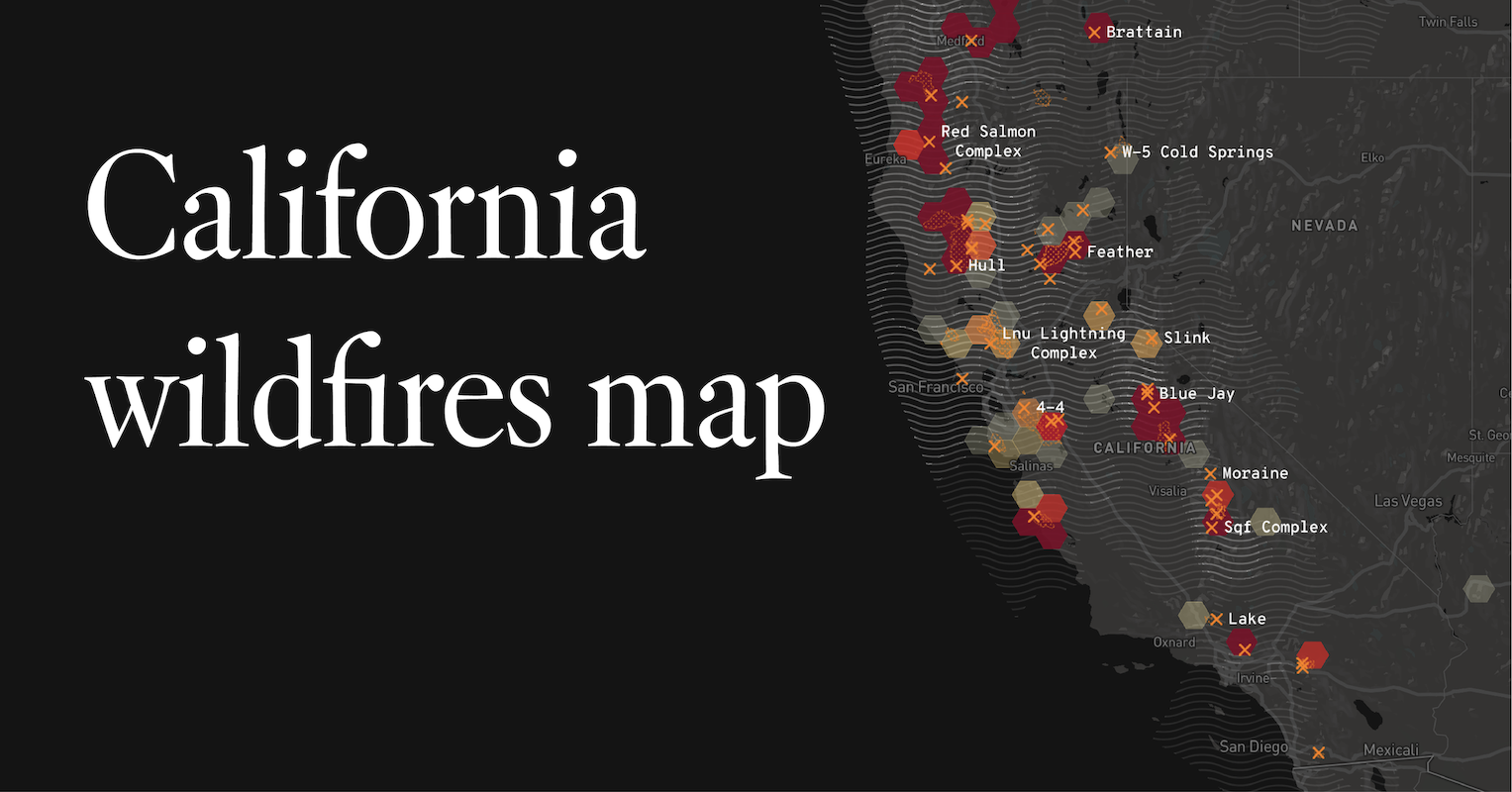
Navigating Wildfire Impacts on Travel
Wildfires, particularly the large and sometimes fast-moving incidents that can occur during California’s dry seasons, pose a significant challenge for travelers. These events can lead to:
Road Closures and Access Restrictions
One of the most immediate impacts on travel is the closure of roads and highways. Firefighting efforts often require the closure of major thoroughfares to allow emergency vehicles unimpeded access and to protect the public. This can mean that popular routes to destinations like Yosemite National Park or the scenic Pacific Coast Highway may be impassable. Even when roads remain open, significant delays can be expected due to traffic control and smoke. For travelers planning a road trip, especially through Inland Empire or Northern California’s more remote areas, checking real-time traffic and road closure information from sources like Caltrans is paramount.
Air Quality and Health Concerns
Smoke from wildfires can travel hundreds of miles, severely degrading air quality across vast regions. Travelers visiting areas affected by smoke may experience hazy skies, reduced visibility, and an unpleasant, acrid smell. More importantly, poor air quality can pose health risks, particularly for individuals with respiratory conditions, children, and the elderly. Symptoms can include coughing, shortness of breath, and eye irritation. When planning a trip, especially to destinations known for their outdoor activities like hiking in the San Gabriel Mountains or enjoying the vineyards of Napa Valley, it is vital to monitor air quality reports from agencies like the California Air Resources Board. This information can help you decide whether to proceed with outdoor plans or seek indoor alternatives.
Impact on National and State Parks
California’s numerous national and state parks are prime tourist destinations. Wildfires can lead to temporary or extended closures of these treasured natural areas. Parks such as Sequoia and Kings Canyon National Parks, which are home to some of the world’s largest trees, are particularly vulnerable. When fires threaten park boundaries, entrances can be shut down, hiking trails become inaccessible, and camping facilities may be closed. Visitors should always consult the official websites of the National Park Service and California Department of Parks and Recreation for the most current information on park status and any potential closures or advisories before embarking on their journey.
Effect on Local Tourism and Businesses
Beyond direct access, wildfires can indirectly impact tourism. Areas experiencing significant fire activity may see a decline in visitor numbers, affecting local businesses such as hotels, restaurants, and shops. Even if a particular tourist attraction is not directly threatened, the perception of danger or the general atmosphere of concern can deter travelers. This can be particularly challenging for small communities that rely heavily on tourism. Understanding the broader context of fire activity can help travelers make informed decisions about where to travel and when, supporting destinations that are open and welcoming visitors.
Staying Informed: Essential Resources for Travelers
In an era of dynamic environmental conditions, staying informed is key to a successful and safe travel experience in California. Several reliable sources provide real-time updates on wildfire activity and its potential impact on travel.
Official Fire and Emergency Service Websites
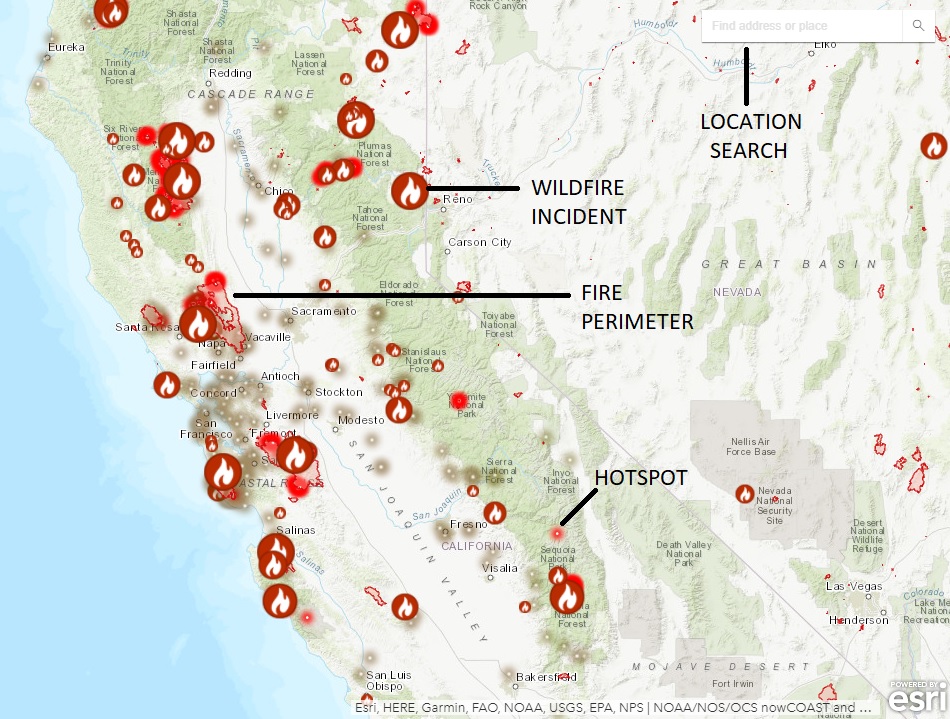
The most authoritative sources for wildfire information are official government agencies. The California Department of Forestry and Fire Protection (Cal Fire) is the primary agency responsible for combating wildfires in the state. Their website and social media channels provide detailed incident maps, daily updates, and evacuation information. Similarly, the U.S. Forest Service manages many of the national forests and public lands, and their regional offices will have specific information regarding fires affecting those areas. For national park updates, the National Park Service website is indispensable.
Traffic and Road Condition Alerts
When planning road travel, real-time traffic information is critical. Caltrans, the California Department of Transportation, offers a comprehensive online portal and mobile app that provides live traffic conditions, construction updates, and most importantly, information on road closures due to incidents like wildfires. Utilizing these resources before and during your drive can prevent unexpected detours and ensure you have the most current information on your route.
Air Quality Monitoring
For those concerned about the impact of smoke on health and the overall travel experience, air quality reports are essential. Websites and apps from the Environmental Protection Agency (EPA) and local air quality management districts offer real-time and forecasted air quality indexes (AQI). These resources allow travelers to assess the air quality in their destination and make informed decisions about outdoor activities. A high AQI indicates unhealthy air quality, prompting a need for caution or a change in plans.
Travel Advisories and Local Information
Beyond official fire and traffic reports, many tourism organizations and local chambers of commerce provide helpful updates. They may offer specific information on how wildfires are affecting local attractions, events, and accommodations. Checking the websites of the destination you plan to visit, such as the Los Angeles Tourism & Convention Board or the San Francisco Travel Association, can offer a localized perspective and practical advice for navigating travel during periods of fire activity.
Planning for Fires: Tips for a Resilient Travel Itinerary
While wildfires are a natural part of California’s environment, proactive planning can mitigate their impact on your travel experience. By adopting a flexible approach and staying well-informed, you can still enjoy the wonders of the Golden State.
Flexibility is Key
The unpredictable nature of wildfires means that plans may need to change at short notice. Building flexibility into your itinerary is perhaps the most crucial tip. Consider having alternative destinations or activities in mind should your primary plans be affected by fires, road closures, or poor air quality. For example, if a planned hike in the Santa Monica Mountains becomes inaccessible due to a fire or smoke, have a backup plan for visiting a museum in Los Angeles or exploring an indoor attraction in San Diego.
Travel Insurance Considerations
When booking accommodation or activities, particularly during wildfire season, consider the terms of your travel insurance. Some policies may offer coverage for disruptions caused by natural disasters, including mandatory evacuations or the inability to reach your destination due to wildfire-related closures. Reviewing your policy details and understanding what is covered can provide peace of mind and financial protection.
Pack Accordingly
Even when wildfires are not an immediate threat, California’s diverse climate can necessitate specific packing. During wildfire season, however, packing a few extra items can be beneficial. This might include N95 masks for periods of poor air quality, especially if you have respiratory sensitivities, and perhaps a portable air purifier for your accommodation. Always pack essentials like a first-aid kit, sufficient water, and non-perishable snacks, which are always good practice for any road trip in California, especially when venturing into more remote areas.
Support Local Communities
When wildfire conditions improve and areas reopen to visitors, consider making a conscious effort to support local businesses that may have been impacted. Dining at local restaurants, shopping at independent stores, and staying at locally owned accommodations can be a significant boost to these communities as they recover. Your patronage can play a vital role in their resilience.
By understanding the potential impacts of wildfires and utilizing the available resources, travelers can navigate California’s natural challenges more effectively. The state’s unparalleled beauty and diverse attractions await, and with a little preparation and flexibility, a memorable journey is still well within reach, even amidst the dynamic landscape shaped by these powerful natural forces.
LifeOutOfTheBox is a participant in the Amazon Services LLC Associates Program, an affiliate advertising program designed to provide a means for sites to earn advertising fees by advertising and linking to Amazon.com. Amazon, the Amazon logo, AmazonSupply, and the AmazonSupply logo are trademarks of Amazon.com, Inc. or its affiliates. As an Amazon Associate we earn affiliate commissions from qualifying purchases.