
Colorado, a state renowned for its breathtaking Rocky Mountain vistas, vibrant cities, and rich history, offers a diverse tapestry of communities, each with its unique charm and character. From bustling metropolises to sleepy mountain hamlets, understanding the sheer number and variety of towns can be a delightful endeavor for any traveler seeking to explore the Centennial State. While a definitive, single number can be elusive due to varying definitions of “town,” a closer examination reveals a landscape dotted with hundreds of incorporated municipalities and countless unincorporated communities, each contributing to the state’s inimitable appeal.
Navigating Colorado’s Municipal Landscape
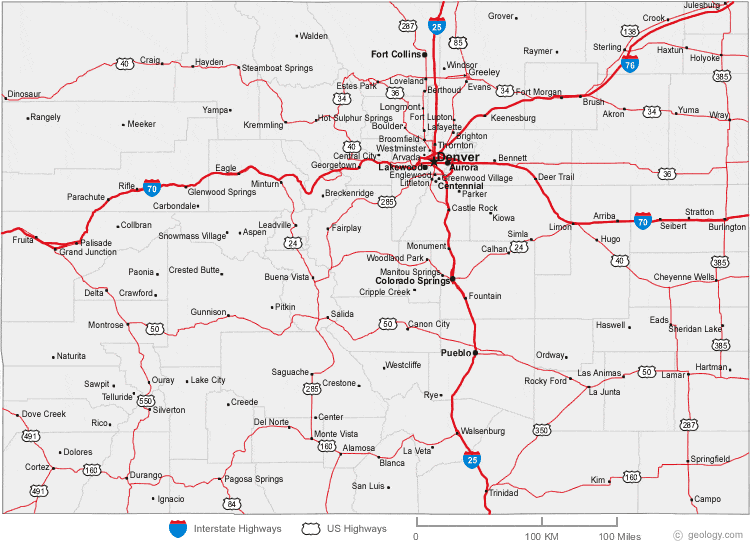
The exact count of towns in Colorado depends heavily on how one defines a municipality. The U.S. Census Bureau, for instance, tracks incorporated places, which include cities and towns. As of recent data, Colorado boasts well over 270 incorporated municipalities. However, this figure only scratches the surface. Beyond these legally recognized entities lie a multitude of unincorporated communities, census-designated places, and even ghost towns that hold significant historical and cultural value. For travelers, this vast array translates into an abundance of exploration opportunities, from the well-trodden paths of popular destinations to the hidden gems waiting to be discovered off the beaten track.
Incorporated Cities and Towns: The Official Count
The Colorado Municipal League, a voluntary association of Colorado municipalities, provides valuable insights into the state’s populated areas. Their records typically align with census data, highlighting a substantial number of incorporated cities and towns. These are places with their own elected officials, municipal services, and legal standing. Exploring these incorporated areas allows travelers to experience the full spectrum of Colorado’s urban and rural life, from the cosmopolitan energy of Denver to the historic charm of towns like Central City or the artistic enclave of Telluride.
Unincorporated Communities and Census-Designated Places
Beyond the officially incorporated towns lie a vast network of unincorporated communities. These are populated areas that, for various historical or administrative reasons, do not have their own municipal government. They often retain distinct identities and are well-known to locals, offering a more intimate glimpse into Colorado life. Similarly, census-designated places (CDPs) are statistical entities defined by the Census Bureau for data collection purposes. While they may not have a formal municipal government, they represent significant population centers. For the adventurous traveler, these areas often lead to unique experiences, from sampling local diners in a small unincorporated community to discovering lesser-known natural attractions.
The Allure of Colorado’s Smaller Settlements
The true magic of Colorado for many travelers lies in its smaller towns and villages. These communities, often nestled in scenic valleys or perched on mountain slopes, offer a slower pace of life and a profound connection to the state’s natural beauty and heritage. Towns like Aspen, while famous for its luxury ski resorts, also retains a core of historic charm. Others, such as Durango with its historic narrow-gauge railroad, or the artistic hub of Taos (though technically in New Mexico, it’s a common day trip for those in southern Colorado), exemplify the unique character that draws visitors. Even smaller, less-heralded towns offer opportunities for authentic experiences, whether it’s exploring local artisan shops, enjoying regional cuisine, or simply soaking in the serene mountain air.
Exploring Colorado’s Diverse Regions and Their Towns
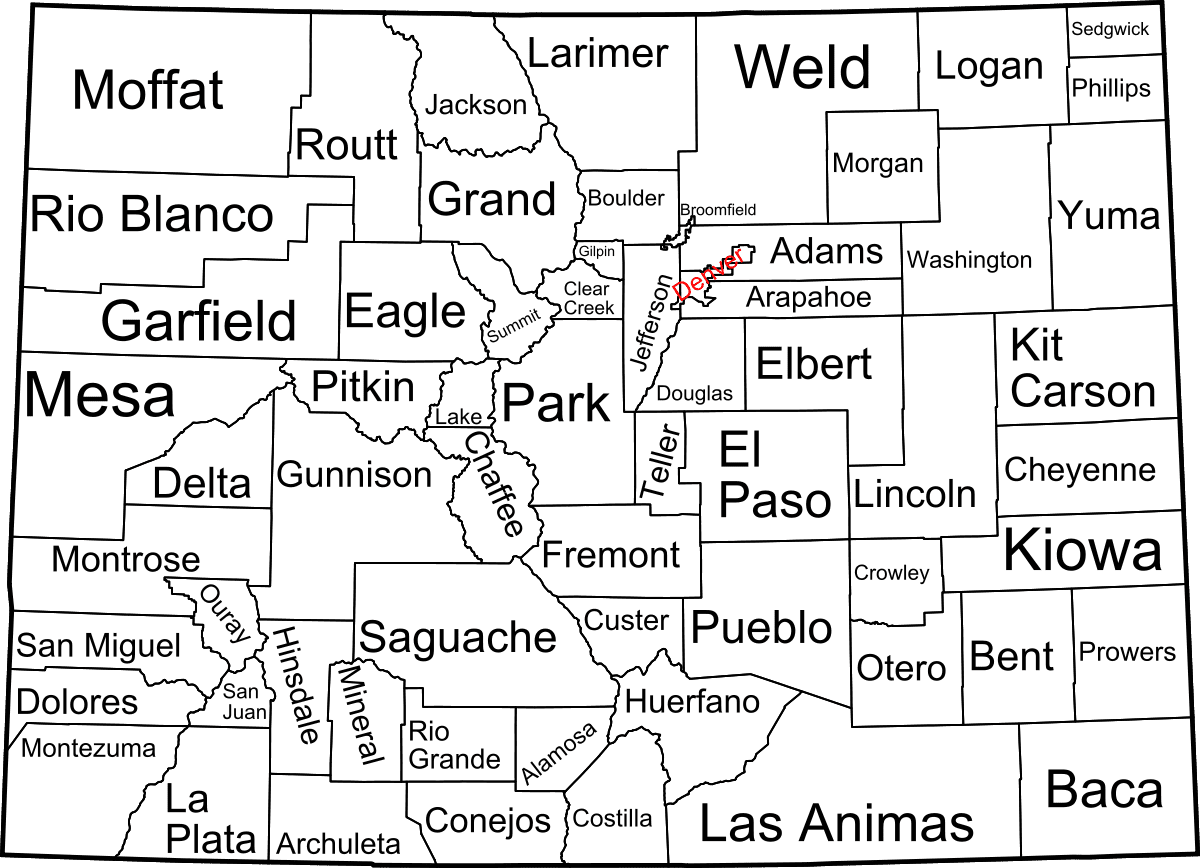
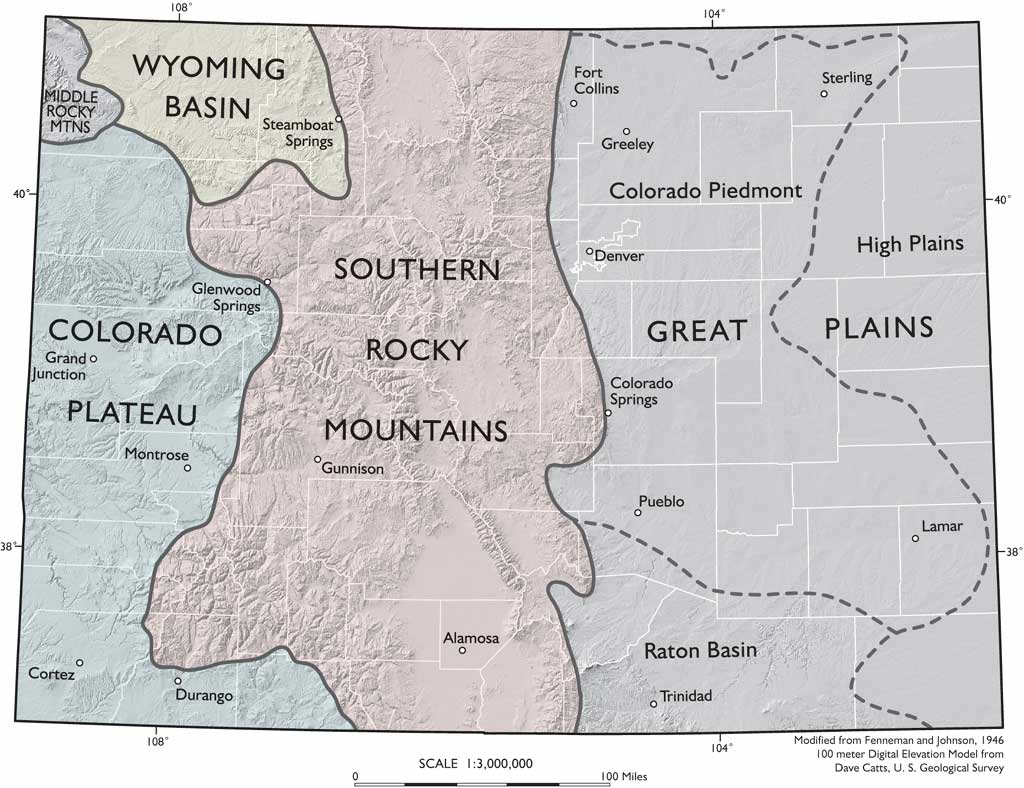
Colorado’s geographical diversity is mirrored in the character of its towns, each region offering a distinct flavor of the state. From the eastern plains to the western mountains, a journey through Colorado is a journey through a mosaic of communities.
The Front Range: Urban Hubs and Gateway Communities
The Front Range corridor, stretching along the eastern foothills of the Rocky Mountains, is home to the state’s largest urban centers and a significant portion of its population. Denver, the capital and largest city, is a vibrant hub of culture, dining, and entertainment. Surrounding it are numerous cities and towns that serve as suburbs or independent communities, each with its own attractions. Boulder, known for its progressive spirit and stunning natural backdrop, offers a unique blend of outdoor recreation and intellectual pursuits. Further south, Colorado Springs is renowned for its proximity to natural wonders like Garden of the Gods and Pikes Peak. These gateway communities are ideal starting points for exploring the wider state, offering ample accommodation and dining options.
The High Rockies: Mountain Towns and Ski Resorts
The heart of Colorado lies within its majestic Rocky Mountains, a region characterized by its dramatic peaks, pristine wilderness, and charming mountain towns. These towns, often founded during the mining booms of the 19th century, have largely transitioned to tourism and outdoor recreation. Aspen, Vail, and Breckenridge are world-famous ski destinations, offering luxurious resorts, fine dining, and a vibrant après-ski scene. However, beyond the glitz, many smaller mountain towns like Crested Butte retain a more laid-back, authentic atmosphere, celebrated for their wildflowers in summer and their charming Main Streets. Towns like Steamboat Springs offer a blend of year-round outdoor activities and a genuine Western heritage.
The Western Slope: Deserts, Canyons, and Fruited Lands
West of the continental divide, Colorado transitions into a landscape of high desert mesas, dramatic canyons, and fertile valleys known as the Western Slope. Grand Junction, the largest city on the Western Slope, serves as a gateway to the Colorado National Monument, with its striking red rock formations. Further west, Cortez is a launching point for exploring ancient Puebloan ruins, including Mesa Verde National Park. The area is also known for its orchards and vineyards, with towns like Palisade celebrating their agricultural bounty with wine festivals and farm-to-table experiences. The rugged beauty of towns like Ouray, often called the “Switzerland of America,” draws visitors with its hot springs and stunning mountain scenery.
The Eastern Plains: Wide-Open Spaces and Agricultural Heritage
The vast eastern plains of Colorado offer a stark contrast to the mountainous west, characterized by wide-open skies, rolling grasslands, and a strong agricultural heritage. While less populated than the Front Range, this region is home to numerous small towns that serve as agricultural centers and community hubs. Towns like Limon and Burlington offer a glimpse into rural life, with friendly locals, historic downtowns, and a connection to the state’s agricultural roots. These communities are perfect for travelers seeking a more introspective experience, enjoying the tranquility of the plains and the authenticity of small-town America.
Planning Your Colorado Town Exploration
When planning a trip to Colorado, understanding the distribution and character of its towns can significantly enhance your travel experience. Whether you are seeking world-class skiing, historical immersion, or simply a peaceful escape into nature, Colorado’s diverse array of towns offers something for every traveler.
Defining Your Travel Objectives
Before embarking on your journey, consider what you hope to gain from your exploration. Are you looking for bustling city life with a wide range of cultural attractions, like those found in Denver or Fort Collins? Perhaps you dream of a serene mountain retreat, with towns like Estes Park serving as gateways to Rocky Mountain National Park. Or maybe your interest lies in history and adventure, with towns like Leadville, the highest incorporated city in North America, offering a deep dive into the state’s mining past.
Considering Accessibility and Transportation
Colorado’s varied terrain means that accessibility and transportation methods can differ greatly between regions. Major cities like Denver have excellent public transportation and are easily navigable. Mountain towns, however, may require a personal vehicle for full exploration, and some roads can be challenging, especially in winter. Understanding road conditions and potential weather impacts is crucial, particularly when venturing into more remote areas. For those seeking to experience the charm of smaller towns without the hassle of driving, guided tours or bus services can be valuable options.
Embracing the Local Vibe
Each Colorado town possesses its own unique vibe, shaped by its history, geography, and the people who call it home. From the energetic, outdoorsy spirit of Boulder to the artistic bohemianism of Crested Butte, embracing the local culture is key to a fulfilling travel experience. Engage with local businesses, sample regional specialties, and take the time to chat with residents. These interactions will undoubtedly enrich your understanding and appreciation of Colorado’s diverse communities, transforming a simple visit into a memorable adventure. The question of “how many towns” becomes less about a precise number and more about the boundless possibilities for discovery that await in this magnificent state.
LifeOutOfTheBox is a participant in the Amazon Services LLC Associates Program, an affiliate advertising program designed to provide a means for sites to earn advertising fees by advertising and linking to Amazon.com. Amazon, the Amazon logo, AmazonSupply, and the AmazonSupply logo are trademarks of Amazon.com, Inc. or its affiliates. As an Amazon Associate we earn affiliate commissions from qualifying purchases.