
Applying for food assistance in Colorado, often referred to as the Supplemental Nutrition Assistance Program (SNAP), can be a straightforward process if you understand the steps involved. This program is designed to help low-income individuals and families afford nutritious food, ensuring that essential needs are met. Navigating the application can seem daunting, but with a clear understanding of eligibility requirements, necessary documentation, and the application procedure, accessing this vital resource becomes manageable. This guide aims to demystify the process for residents of the Centennial State.
Understanding SNAP Eligibility in Colorado
Eligibility for SNAP benefits in Colorado is primarily determined by household income, household size, and certain asset limitations. The program is designed to assist those facing economic hardship, including families with children, elderly individuals, disabled persons, and unemployed or underemployed individuals.

Income Thresholds
Colorado follows federal guidelines for SNAP income limits, which are adjusted annually. Generally, your household’s gross monthly income (income before taxes and deductions) must be at or below 130% of the federal poverty level for your household size. Additionally, your net monthly income (income after certain deductions) must be at or below the federal poverty level for your household size.
- Gross Monthly Income: This is the total income your household receives before any deductions. It includes wages from employment, self-employment earnings, retirement benefits, unemployment compensation, and other sources of income.
- Net Monthly Income: After certain expenses are deducted from your gross income, you arrive at your net income. Allowable deductions can include a standard deduction, a dependent care deduction (if you pay for childcare so you can work or attend training), medical expenses for elderly or disabled household members that exceed a certain amount, and a deduction for most earned income.
It’s important to note that specific deductions and calculations can vary. The Colorado Department of Human Services (CDHS) provides detailed charts and resources to help applicants understand these figures.
Household Size
The size of your household significantly impacts both the income thresholds and the amount of benefits you may receive. A household is defined as a group of people who live together and purchase or prepare meals together. This can include spouses, children, parents, and other relatives.
Asset Limitations
For most households, there are limits on the value of countable assets. These assets typically include cash, checking and savings accounts, stocks, bonds, and certain other liquid resources. However, there are exclusions. For instance, the home you live in, one vehicle per adult household member, and retirement accounts are generally not counted as assets. The asset limit for most households is $2,750. For households with at least one member who is age 60 or older or who is disabled, the asset limit is $4,250.
Special Circumstances
Certain groups may have slightly different eligibility rules. For example, students enrolled in college may have specific work-study or enrollment requirements. Elderly or disabled individuals may qualify for certain exemptions or receive higher benefit amounts. It is always advisable to consult the official SNAP guidelines or a caseworker for the most accurate and personalized information.
Gathering Necessary Documentation
Successfully applying for SNAP in Colorado requires providing specific documentation to verify your eligibility. Having these documents organized and ready can expedite the application process significantly.
Proof of Identity
You will need to provide proof of identity for all adult household members applying for benefits. Acceptable forms of identification include:
- Driver’s license or state-issued ID card
- Social Security card (for verification purposes, not to prove identity)
- Birth certificate
- U.S. passport
Proof of Income
Evidence of your household’s income is crucial. This typically includes:
- Pay stubs or wage statements for the past 30 days
- Letter from your employer stating your wages and work schedule
- Benefit award letters (e.g., Social Security, unemployment, disability)
- Documentation of child support or alimony received
- Records of any other unearned income
If you are self-employed, you will need to provide documentation of your business income and expenses, such as ledgers, receipts, or tax returns.
Proof of Household Expenses
Certain expenses can be deducted from your gross income to determine your net income, potentially increasing your eligibility or benefit amount. You may need to provide documentation for:
- Rent or mortgage payments: Lease agreements, mortgage statements, or property tax bills.
- Utilities: Utility bills (electricity, gas, water, heating fuel). Some households may be eligible for the Low Income Home Energy Assistance Program (LIHEAP), which can be considered a utility deduction.
- Childcare costs: Receipts or statements from your childcare provider, along with a statement that the care is necessary for you to work or attend training.
- Medical expenses: For elderly or disabled household members, receipts or statements for medical expenses that exceed a certain amount per month (e.g., prescription costs, doctor visits, health insurance premiums).
Proof of Household Composition and Residency
You may need to provide documentation to confirm who lives in your household and that you are a resident of Colorado. This can include:
- Birth certificates or Social Security cards for all household members
- A current lease agreement, mortgage statement, or utility bill in your name at your Colorado address.
- Letters from individuals confirming your residency.
Other Potential Documentation
Depending on your specific situation, you might also need:

- Proof of disability (e.g., a letter from a doctor or disability agency)
- Proof of student status (if applicable)
- Information about any assets you own (e.g., bank statements, stock certificates)
It is highly recommended to contact your local county Department of Human Services office or visit their website for a comprehensive checklist tailored to your circumstances. Some counties may have specific requirements or preferred forms of documentation.
The Application Process in Colorado
Applying for SNAP benefits in Colorado involves several steps, from initial application to potential interviews and benefit issuance. The state offers multiple avenues for submission to accommodate diverse needs.
Methods of Application
Colorado provides several convenient ways to apply for SNAP:
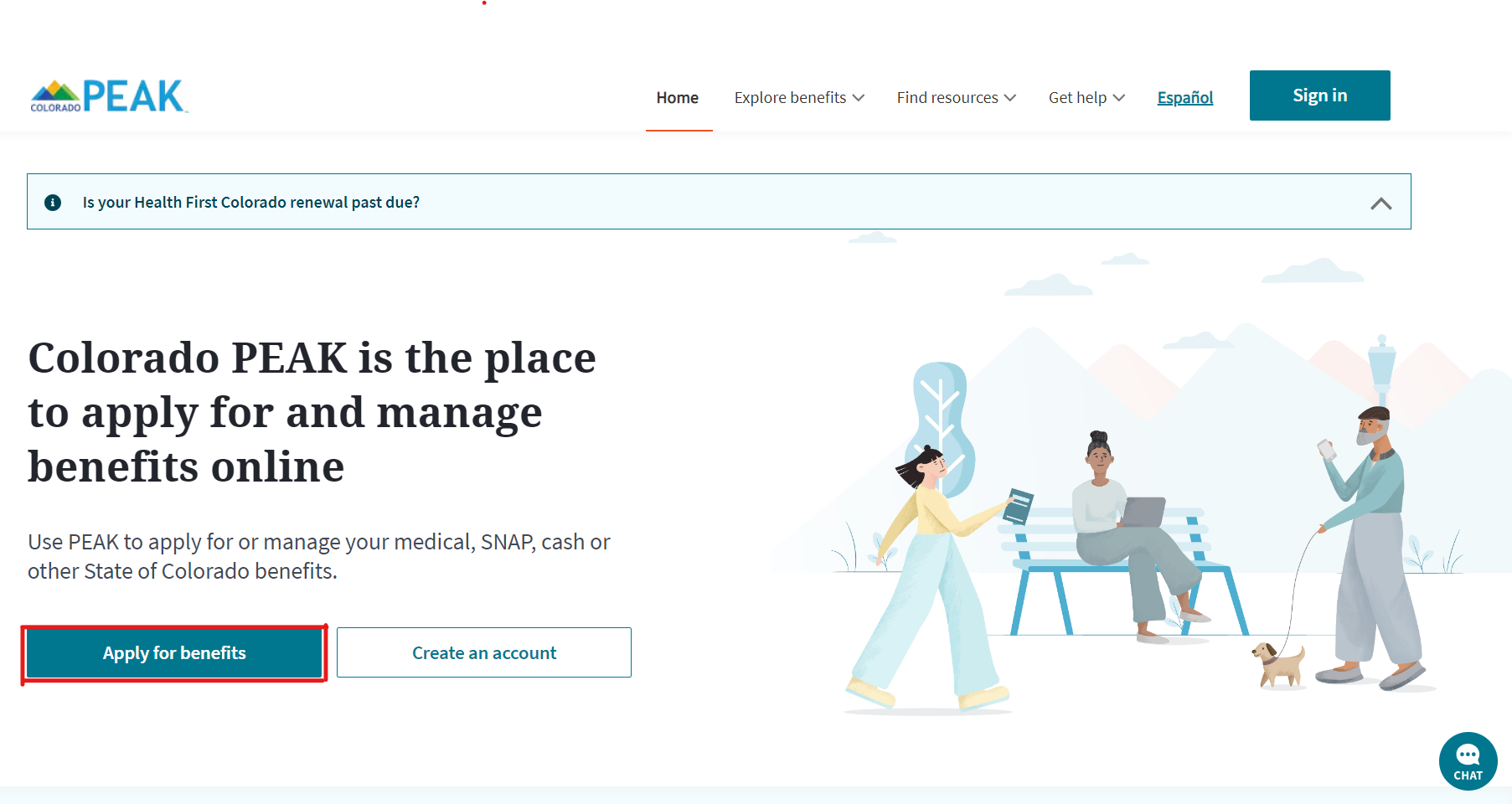
- Online Application: The most common and often the quickest method is to apply online through the Colorado PEAK (Public Assistance Eligibility Calculation) system. PEAK allows you to create an account, fill out the application, upload supporting documents, and track the status of your application.
- In Person: You can visit your local county Department of Human Services office to pick up a paper application or to have a caseworker assist you with completing it. This is a good option if you need in-person assistance or do not have reliable internet access.
- By Mail or Fax: You can download a SNAP application form from the CDHS website, complete it, and then mail or fax it to your local county office.
- By Phone: In some cases, you may be able to initiate an application or request an application form over the phone by contacting your local county office.
Completing the Application Form
Whether applying online or on paper, the application will request detailed information about your household. Be prepared to provide:
- Personal information for all household members (names, dates of birth, Social Security numbers)
- Details about your household’s income from all sources
- Information about your household’s expenses
- Details about any assets owned by the household
- Your current living situation (rent, mortgage, utilities)
Accuracy and completeness are vital. Incomplete or inaccurate information can delay your application or lead to denial. If you are unsure about any questions, do not hesitate to seek help from a county caseworker.
The Interview
After submitting your application, you will likely be scheduled for an interview with a county caseworker. This interview is typically conducted by phone but can be done in person or via video conference if needed. The purpose of the interview is to:
- Verify information: The caseworker will review the information you provided on your application and ask clarifying questions.
- Discuss eligibility: They will assess your household’s eligibility based on the SNAP rules and the information you provide.
- Explain the program: The caseworker will explain your rights and responsibilities as a SNAP recipient, including how benefits are issued, how to use your EBT card, and reporting requirements.
- Address any missing information: If you are missing any required documents, the caseworker will let you know what is still needed and the deadline for submission.
It is essential to attend your scheduled interview and be prepared to answer questions honestly and thoroughly. If you cannot make your scheduled appointment, contact the county office immediately to reschedule.
Decision and Benefit Issuance
Once the interview is complete and all necessary documentation has been submitted and verified, the county office will make a decision on your application. You will receive a written notice informing you of the decision.
- Approval: If your application is approved, the notice will inform you of your monthly benefit amount and when you can expect to receive it. Benefits are typically issued on an Electronic Benefit Transfer (EBT) card, which works like a debit card at participating grocery stores and farmers’ markets.
- Denial: If your application is denied, the notice will explain the reason for the denial and provide information on how to appeal the decision if you disagree.
The processing time for SNAP applications can vary, but generally, decisions are made within 30 days of receiving a complete application. Expedited services may be available for households with very low income and minimal assets who are facing imminent food emergencies.
Navigating Your SNAP Benefits in Colorado
Once approved for SNAP, understanding how to manage and utilize your benefits effectively is crucial for maximizing their value and ensuring continued support. This involves understanding how benefits are issued, how to use your EBT card, and your ongoing responsibilities as a recipient.
Using Your EBT Card
Your SNAP benefits will be loaded onto an EBT card, often referred to as a Colorado Pathways EBT card. This card is designed for purchasing eligible food items at authorized retailers.
- Where to Use: EBT cards are accepted at most major grocery store chains, smaller independent grocery stores, and many farmers’ markets across Colorado. Look for the EBT logo at checkout.
- Eligible Purchases: SNAP benefits can be used to purchase most food items, including fruits, vegetables, meats, poultry, fish, dairy products, bread, cereals, and other staple foods. You can also use your benefits to purchase seeds and plants to grow your own food.
- Ineligible Purchases: SNAP benefits cannot be used to purchase non-food items such as pet food, paper products, household supplies, or alcoholic beverages. They also cannot be used to purchase hot foods or foods prepared for immediate consumption (e.g., deli sandwiches ready to eat).
- Checking Your Balance: You can check your EBT card balance online through the Pathways EBT website or by calling the toll-free number listed on the back of your card. You can also usually check your balance at the point of sale when making a purchase.
Maintaining Your Eligibility
To continue receiving SNAP benefits, you must comply with certain ongoing requirements:
- Reporting Changes: You are required to report any significant changes in your household’s circumstances to the county Department of Human Services. This includes changes in:
- Income: If anyone in your household gets a job, loses a job, or has a significant change in earnings.
- Household Composition: If someone moves in or out of your household.
- Address: If you move to a new residence.
- Expenses: Significant changes in housing or utility costs that might affect your deductions.
- Re-certification: You will need to re-certify your eligibility periodically, typically every 6 or 12 months, depending on your household’s circumstances. This involves completing a new application and providing updated documentation. Failure to re-certify on time can result in a loss of benefits.
- Work Requirements: Most able-bodied adults between the ages of 18 and 50 without dependents are subject to work requirements, which may include registering for work, participating in a work program, or meeting specific work hours. Exemptions are available for individuals who are pregnant, medically certified as physically or mentally unfit for employment, or caring for a young child.
Resources and Support
The Colorado Department of Human Services and local county offices are valuable resources for SNAP recipients. They can provide:
- Caseworker Assistance: Your assigned caseworker can answer questions about your case, help you understand program rules, and guide you through any necessary processes.
- Online Resources: The Colorado PEAK website offers a wealth of information, including application status tracking, benefit calculators, and frequently asked questions.
- Community Support: Various non-profit organizations and food banks throughout Colorado offer additional assistance and resources to individuals and families facing food insecurity. These organizations can often provide immediate food aid and help you navigate the application process or understand your benefits.
By staying informed and actively engaging with the available resources, Colorado residents can effectively utilize SNAP benefits to ensure their household has access to nutritious food.
LifeOutOfTheBox is a participant in the Amazon Services LLC Associates Program, an affiliate advertising program designed to provide a means for sites to earn advertising fees by advertising and linking to Amazon.com. Amazon, the Amazon logo, AmazonSupply, and the AmazonSupply logo are trademarks of Amazon.com, Inc. or its affiliates. As an Amazon Associate we earn affiliate commissions from qualifying purchases.