
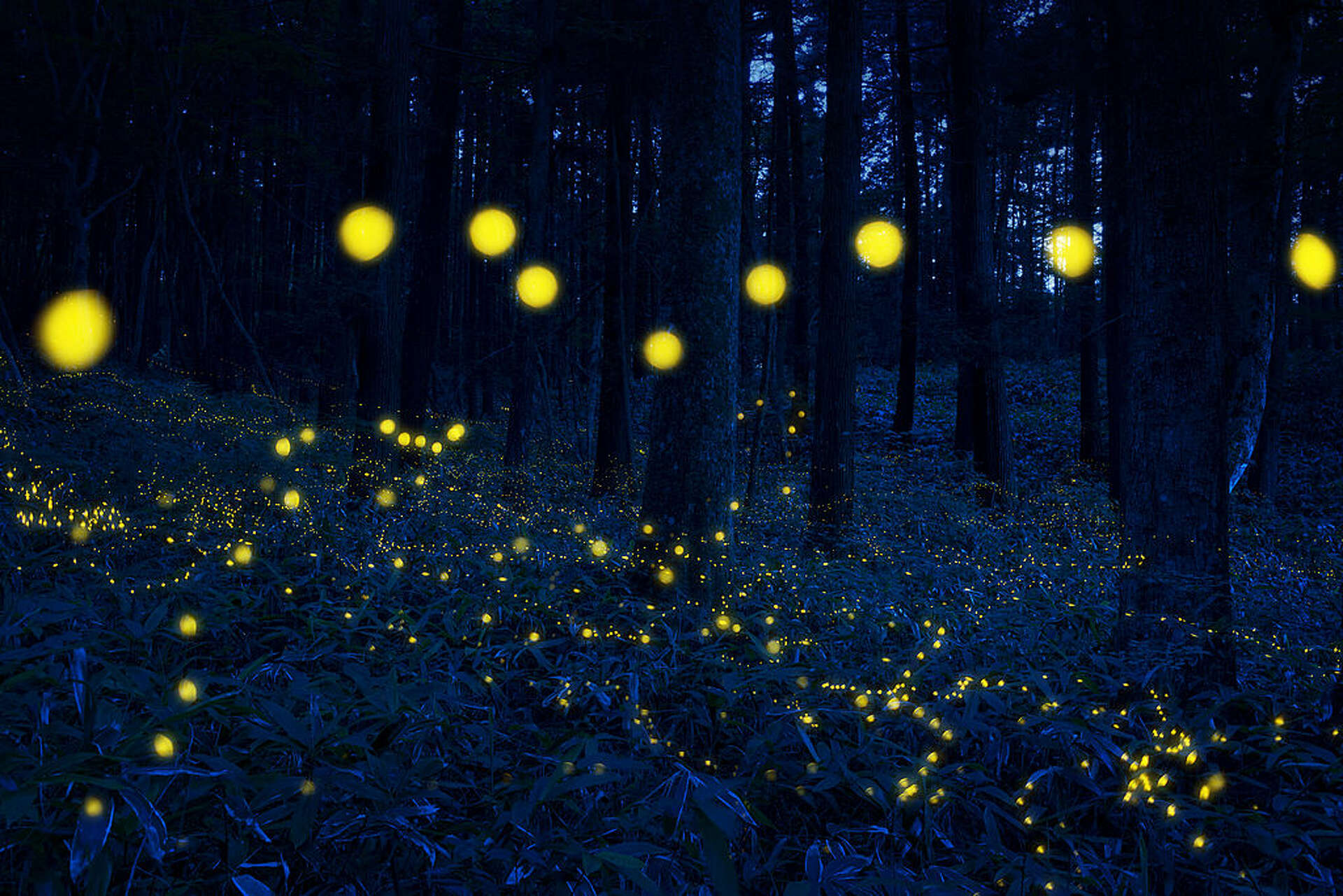
The ethereal glow of fireflies, also known as lightning bugs, conjures a sense of wonder and nostalgia for many. As dusk settles and the Texas landscape transitions from the golden hues of sunset to the deep indigo of night, a natural spectacle begins. The question, “Are there fireflies in Texas?” is not just a simple yes or no; it delves into the diverse ecosystems of this vast state and the fascinating biology of these bioluminescent beetles. The answer is a resounding yes, with numerous species dotting the Texas nightscape throughout much of the warmer months, offering enchanting displays for those willing to look.

Texas, with its varied geography ranging from the piney woods of East Texas to the coastal plains and the Edwards Plateau, provides a rich tapestry of habitats that support various firefly populations. Understanding where and when to find them involves a bit of local knowledge and an appreciation for their life cycles. These insects are more than just a pretty sight; they are indicators of healthy environments, and their presence signifies thriving natural spaces.
Understanding Texas Firefly Species and Habitats
The diversity of firefly species in Texas is remarkable, each with its own unique flash patterns, mating rituals, and preferred environments. While many Texans are familiar with the common flashing species, a deeper dive reveals a spectrum of bioluminescent life adapted to different niches within the state.
Common Texas Fireflies
Several species are commonly encountered across Texas. The most widespread are often the “synchronous” or “pulsing” fireflies, though true synchronous flashing, where thousands flash in unison, is more characteristic of species found in Appalachian regions. In Texas, what we often perceive as synchronized flashing is more likely a chorus of individual fireflies communicating with their own distinct rhythms.
-
Big Dipper Firefly (Photinus pyralis): This is arguably the most recognized firefly in Texas. Males typically produce a distinctive “J” shaped flash pattern of yellow-green light, followed by a short pause, then another flash. They are often found in grassy areas, gardens, and along the edges of wooded areas. Their flashing typically begins shortly after sunset and can continue for an hour or two.
-
Smaller Photinus Species: Various other smaller Photinus species also inhabit Texas, often exhibiting different flash rates and colors, ranging from yellow to green. Their patterns can be more rapid or less distinct, making them harder to identify without close observation.
-
“Snappy” Fireflies (Photuris species): These are predatory fireflies. The females of some Photuris species are known to mimic the flash patterns of Photinus males to lure them in and then prey upon them. This adds a fascinating layer of inter-species interaction to the nightly displays. Their flashes are often longer and more drawn out than those of Photinus.
Habitat Preferences
Fireflies require specific conditions to thrive, primarily moisture and suitable resting and breeding grounds.
-
East Texas Piney Woods: This region, characterized by its dense forests, provides abundant moisture and leaf litter, ideal for many firefly species. Areas within the Big Thicket National Preserve and state parks like Lake Sam Rayburn offer prime firefly viewing opportunities. The damp soil and shaded undergrowth are crucial for their larval stages.
-
Coastal Plains: The humid environments along the Texas Coast can also support firefly populations, particularly in marshy areas, estuaries, and near coastal forests. However, coastal development and habitat fragmentation can pose challenges for these delicate insects.
-
Central Texas and the Hill Country: Even in areas with less dense forest cover, fireflies can be found in riparian zones, along creeks and rivers, and in moist meadows. Parks in the San Antonio and Austin areas, especially those with natural water features, can be excellent spots. The Edwards Plateau offers a unique mix of grasslands and oak-juniper woodlands that can support certain species.
-
Urban and Suburban Environments: Surprisingly, fireflies can persist in urban and suburban areas, provided there are sufficient green spaces, gardens, and minimal pesticide use. Backyards with mature trees, well-maintained lawns, and access to moisture can become temporary havens for these insects. However, light pollution from streetlights and homes can significantly disrupt their mating signals.
The Firefly Life Cycle and Viewing Season
Understanding the life cycle of a firefly is key to appreciating their presence and planning when to seek them out. Fireflies spend the majority of their lives as larvae, undergoing metamorphosis before emerging as winged adults.
Larval Stage
Firefly larvae are predatory, feeding on small invertebrates like earthworms, snails, and slugs. They are often found in moist soil, under leaf litter, or within decaying wood. This stage can last for many months, sometimes even a couple of years, depending on the species and environmental conditions. The larvae themselves are often bioluminescent, emitting a faint glow.
Adult Stage and Reproduction
The adult firefly stage is primarily focused on reproduction. The bioluminescent flashes are a sophisticated form of communication, used by males to attract females and by females to signal their presence and readiness to mate. Each species has a unique flash pattern, almost like a secret code, to ensure they attract mates of their own kind.
Peak Firefly Season in Texas
The “season” for fireflies in Texas is closely tied to temperature and moisture. Generally, the prime time to witness their displays is during the warmer, more humid months.
-
Spring (April-May): As temperatures rise and spring rains arrive, the first adult fireflies begin to emerge. The early season might see fewer individuals, but the displays can be quite captivating.
-
Summer (June-August): This is typically the peak season for firefly activity across most of Texas. The longer evenings and consistent warmth provide ideal conditions. Different species will peak at slightly different times within this window, extending the viewing period.
- Late Summer/Early Fall (September-October): In some parts of Texas, particularly in the cooler northern regions or in areas with persistent moisture, firefly activity can extend into early fall. However, by late September, most species will have completed their reproductive cycle.
The exact timing can vary annually based on weather patterns. A warm, wet spring generally leads to an earlier and more robust firefly season. Conversely, a dry or unusually cool spring might delay their emergence.
Tips for Firefly Viewing in Texas
Observing fireflies is a magical experience that requires a bit of planning and respect for their delicate environment. Here are some tips to maximize your chances of a successful and ethical viewing experience.
Best Times and Locations
-
Timing: Aim for the period between late evening and early night, typically starting shortly after sunset. The darkest parts of the evening, before true nightfall, are when their flashes are most visible against the fading light.
-
Locations: Seek out areas with minimal artificial light pollution. This includes:
- State and National Parks: Places like Big Bend Ranch State Park, Davy Crockett National Forest, and Pedernales Falls State Park offer vast, dark expanses ideal for firefly viewing.
- Rural Areas: Driving away from major cities and towns into the countryside will significantly reduce light pollution.
- Backyards and Local Parks: If you live in a less developed area, your own backyard or a local park with good tree cover can be a surprisingly good spot.
What to Bring and Wear
- Comfortable Clothing: Wear long sleeves and pants to protect against insects and any potential scratches from vegetation.
- Insect Repellent: While fireflies are insects, they are not typically biting ones. However, other mosquitoes and gnats might be present, so a natural insect repellent can be useful.
- Flashlight (with Red Filter): If you need a flashlight for navigation, use one with a red light setting. Red light is less disruptive to fireflies and other nocturnal creatures than bright white light.
- Camera: If you’re interested in photography, bring a camera capable of long exposures. Capturing firefly displays can be challenging but rewarding.
- Binoculars: While not essential for viewing flashes, binoculars can help you observe other nocturnal wildlife if you’re in a natural setting.
Ethical Firefly Viewing Practices
It is crucial to observe fireflies responsibly to ensure their populations continue to thrive.
- Minimize Light Pollution: Turn off unnecessary lights. Avoid using bright white flashlights directly in the viewing area.
- Observe from a Distance: Do not chase or try to catch the fireflies. Their flashing is a delicate dance for reproduction, and excessive disturbance can disrupt this process.
- Avoid Pesticides: Pesticides can be lethal to fireflies, both in their larval and adult stages. If you are in an area where pesticides are frequently used, it may impact local populations.
- Leave No Trace: Take all your trash with you and avoid trampling vegetation.
- Educate Others: Share your knowledge about fireflies and the importance of conservation with friends and family.
Conservation Concerns and the Future of Texas Fireflies
Despite their widespread presence, firefly populations in Texas and globally are facing increasing threats. Understanding these challenges is vital for ensuring that future generations can continue to experience the magic of these bioluminescent wonders.
Threats to Firefly Populations
Several factors are contributing to the decline of firefly numbers in various regions.
-
Habitat Loss and Fragmentation: As urban areas expand and natural landscapes are converted for agriculture or development, the specific habitats that fireflies need – moist areas, leaf litter, and suitable host plants for larvae – are diminished. This is particularly true in rapidly growing parts of Texas.
-
Light Pollution: Artificial lights at night disrupt the fireflies’ ability to communicate through their bioluminescent signals. Males may struggle to find females, and females may not be able to signal effectively, leading to reduced mating success. This is a significant issue in and around cities like Houston, Dallas, and Fort Worth.
-
Pesticide Use: The widespread application of pesticides, particularly insecticides, can directly kill fireflies or contaminate their food sources. Many common lawn and garden treatments are harmful to these insects.
-
Climate Change: Alterations in temperature and rainfall patterns can affect the timing of firefly emergence, the availability of food for larvae, and overall habitat suitability. Extreme weather events, such as prolonged droughts, can be particularly damaging.

Conservation Efforts in Texas
While challenges exist, there are ongoing efforts to protect firefly populations and their habitats across Texas.
-
Protecting Natural Habitats: Conservation organizations and state agencies work to preserve critical habitats within parks and natural areas. Supporting these initiatives is crucial.
-
Promoting Sustainable Land Management: Encouraging the reduction of pesticide use and the creation of firefly-friendly landscapes in urban and suburban areas can make a significant difference. This includes maintaining natural vegetation, reducing lawn areas, and avoiding chemical treatments.
-
Citizen Science Projects: Engaging the public in monitoring firefly populations through citizen science initiatives can provide valuable data on distribution, abundance, and trends. This allows scientists to better understand the health of firefly communities.
-
Education and Awareness: Raising public awareness about the importance of fireflies and the threats they face is a key step in fostering conservation efforts. Understanding their role in the ecosystem and appreciating their natural beauty can inspire action.
The presence of fireflies in Texas is a testament to the resilience of nature and the diverse ecological richness of the state. By understanding their needs, appreciating their displays responsibly, and supporting conservation efforts, we can help ensure that the magical glow of these captivating insects continues to illuminate Texas nights for years to come.
LifeOutOfTheBox is a participant in the Amazon Services LLC Associates Program, an affiliate advertising program designed to provide a means for sites to earn advertising fees by advertising and linking to Amazon.com. Amazon, the Amazon logo, AmazonSupply, and the AmazonSupply logo are trademarks of Amazon.com, Inc. or its affiliates. As an Amazon Associate we earn affiliate commissions from qualifying purchases.