
Securing a driver’s permit is a significant milestone, opening doors to greater independence and exploration, especially in a state as geographically diverse and captivating as Colorado. From the majestic peaks of the Rocky Mountains to the vibrant urban landscapes of Denver and the charming historic towns, having the ability to drive allows you to truly immerse yourself in the Colorado experience. This guide provides a comprehensive walkthrough of the process for obtaining your driver’s permit in the Centennial State, ensuring a smooth and informed journey.
Understanding the Colorado Driver’s Permit Process
The Colorado Department of Revenue, Division of Motor Vehicles (DMV) oversees the issuance of driver’s licenses and permits. The process is structured to ensure that all new drivers possess the necessary knowledge and skills to operate a vehicle safely. For individuals under the age of 18, Colorado employs a Graduated Driver Licensing (GDL) program, which involves several stages designed to gradually introduce driving privileges. For adults, the process is more direct, focusing on demonstrating competence through knowledge and road tests.
Eligibility Requirements
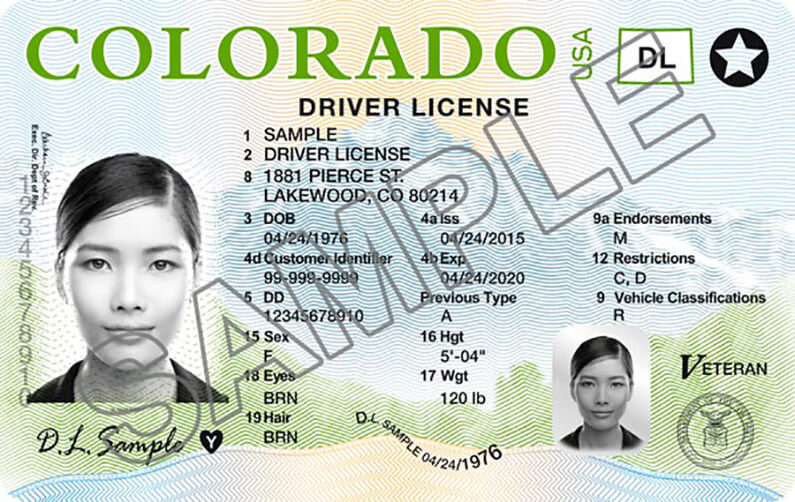
Before embarking on the application process, it’s crucial to confirm your eligibility. Colorado has specific requirements based on age and residency.
- Age:
- Learner’s Permit: Typically available to individuals 15 years and older.
- Provisional License: Available to those 16 years and older who have held a learner’s permit for at least one year and have completed specific training.
- Full Driver’s License: Available to individuals 18 years and older, or those who have completed the GDL program.
- Residency: You must be a resident of Colorado to obtain a Colorado driver’s permit or license. Proof of residency, such as utility bills or a lease agreement, will be required.
- Legal Presence: You must provide documentation proving your legal presence in the United States.
Key Documentation Needed
Gathering the correct documentation is paramount to a successful application. The Colorado DMV requires specific proofs to verify your identity, residency, and legal presence. It’s advisable to collect these well in advance of your appointment.
- Proof of Identity: This can include a U.S. birth certificate, a U.S. passport, or a Certificate of Citizenship.
- Proof of Social Security Number: Your Social Security card is the most common form of documentation.
- Proof of Colorado Residency: Two documents are typically required, such as a utility bill, bank statement, rental agreement, or school transcript. Ensure these documents have your name and current Colorado address.
- Proof of Legal Presence: If you are not a U.S. citizen, you will need documents like a Permanent Resident Card or an Employment Authorization Document.
- Parental or Guardian Consent (for minors): If you are under 18, your parent or legal guardian must be present or provide a signed consent form.
Obtaining Your Learner’s Permit (Under 18)
The Graduated Driver Licensing (GDL) program in Colorado is designed for young drivers to gain experience safely. The first step is acquiring a learner’s permit.
Step 1: Complete an Approved Driver Education Program
For applicants under 16 years and 2 months old, completing an approved driver education course is mandatory. This course provides foundational knowledge on traffic laws, safe driving practices, and vehicle operation. Ensure the program is certified by the Colorado Department of Education or an equivalent authority.
Step 2: Pass the Knowledge Test
The knowledge test, often referred to as the written or permit test, assesses your understanding of Colorado traffic laws and road signs. The test is typically administered on a computer at a Colorado DMV office.
- Study Materials: The official Colorado Driver Handbook is your primary resource. It covers all the information you need to pass the test, including traffic laws, road signs, and safe driving techniques.
- Test Format: The test consists of multiple-choice questions. You’ll need to answer a certain percentage correctly to pass.
- Practice Tests: Many online resources offer practice permit tests that simulate the actual exam. These are invaluable for gauging your readiness.
Step 3: Apply for the Learner’s Permit
Once you’ve passed the knowledge test and have all your required documentation, you can apply for your learner’s permit.
- DMV Visit: You will need to visit a Colorado DMV office in person. It’s often recommended to schedule an appointment to minimize wait times, especially in busier locations like Aurora or Colorado Springs.
- Application Form: Complete the driver license application form.
- Vision Test: You will also undergo a vision test to ensure your eyesight meets the required standards for driving.
- Fees: Be prepared to pay the required fees for the permit.
Step 4: Practice Driving with Supervision
With your learner’s permit in hand, you are authorized to drive, but only under specific conditions:
- Supervising Driver: You must be accompanied by a licensed driver who is at least 21 years old and has at least one year of driving experience. This supervising driver must sit in the front passenger seat.
- Night Driving Restrictions: For the first six months of holding a learner’s permit, you are restricted from driving between midnight and 5 a.m., unless accompanied by a licensed driver aged 21 or older.
- Log Your Hours: Keep a detailed log of your supervised driving practice. The GDL program requires a minimum number of supervised driving hours, including a specific number of night hours.
Transitioning to a Provisional License (Under 18)
After holding your learner’s permit for at least one year and completing the supervised driving requirements, you can apply for a provisional license.
Step 1: Complete Behind-the-Wheel Training
In addition to the initial driver education course, applicants under 18 must complete a minimum of 6 hours of behind-the-wheel training with a certified driving instructor. This training focuses on practical driving skills and defensive driving techniques.
Step 2: Complete Supervised Driving Hours
As mentioned, you must accumulate a minimum of 50 hours of supervised driving, with at least 10 of those hours occurring at night. Maintaining an accurate driving log is crucial for verifying this requirement.
Step 3: Pass the Road Test
The road test, also known as the driving skills test, evaluates your ability to operate a vehicle safely and competently in real-world traffic situations.
- Scheduling: Schedule your road test in advance at a DMV-authorized third-party testing facility or a DMV location that offers the test.
- Vehicle Requirements: The vehicle you use for the test must be in good working order, properly registered, and insured. It should have functioning seatbelts for all occupants, working turn signals, brake lights, headlights, and a horn.
- Test Elements: The examiner will assess your ability to perform maneuvers such as parking (parallel and perpendicular), backing up, making turns, changing lanes, and navigating intersections. They will also observe your general driving habits, including speed control, observation, and adherence to traffic laws.

Step 4: Apply for the Provisional License
Once you have successfully passed the road test and met all other requirements, you can apply for your provisional license.
- DMV Visit: Visit a Colorado DMV office with your completed application, proof of passing the road test, and all other necessary documentation.
- Fees: Pay the applicable fees for the provisional license.
Restrictions on Provisional Licenses
A provisional license comes with its own set of restrictions designed to further enhance safety:
- Passenger Limitations: For the first six months, you cannot carry passengers under the age of 21, unless they are immediate family members. After six months, you can carry up to one passenger under the age of 21, unless accompanied by a licensed driver aged 21 or older.
- Night Driving Restrictions: You are prohibited from driving between 12 a.m. and 5 a.m., unless accompanied by a licensed driver aged 21 or older or traveling to or from a school-sponsored activity, religious activity, or employment.
- Cell Phone Use: The use of wireless communication devices (including hands-free) is strictly prohibited while driving.
Obtaining a Driver’s License (Age 18 and Over)
For individuals 18 years and older, the process is more direct, focusing on demonstrating knowledge and driving proficiency.
Step 1: Pass the Knowledge Test
Similar to the process for younger drivers, adults must first pass the written knowledge test. The study material remains the Colorado Driver Handbook.
Step 2: Obtain a Learner’s Permit (Optional but Recommended)
While not strictly mandatory for those 18 and older to hold a learner’s permit for a specific duration, obtaining one and practicing driving is highly recommended. It allows you to build confidence and hone your skills before taking the road test. If you choose to get a permit, you will need to follow the application steps outlined previously.
Step 3: Complete Supervised Driving Practice (Highly Recommended)
Even if not mandated for a specific duration, accumulating supervised driving practice is invaluable for all new drivers. This allows you to become familiar with various driving conditions and scenarios before your official road test.
Step 4: Pass the Road Test
The road test is the final hurdle for adults seeking a full driver’s license. The requirements and evaluation criteria are the same as those for the provisional license road test.
Step 5: Apply for Your Driver’s License
After successfully passing the road test, you can apply for your unrestricted driver’s license.
- DMV Visit: Visit a Colorado DMV office with your application, proof of passing the road test, and all required identification and residency documents.
- Fees: Pay the applicable licensing fees.
Special Considerations and Tips for Success
Navigating the licensing process can be simplified with a few strategic approaches.
Scheduling Appointments
Many Colorado DMV offices offer online appointment scheduling. This can save you significant time and ensure you are seen promptly. Plan your visits during off-peak hours if possible.
Study Consistently
The Colorado Driver Handbook is the definitive source for the knowledge test. Read it thoroughly and take advantage of online practice tests. Understanding traffic laws and road signs is not just about passing a test; it’s about ensuring your safety and the safety of others on the road.
Practice Driving in Various Conditions
When practicing your driving, aim to experience different scenarios: daytime and nighttime driving, various weather conditions (rain, snow, fog, though caution is advised), and diverse road types (highways, city streets, rural roads). This preparation will make you a more confident and capable driver for the road test and beyond. Consider practicing in areas similar to where the road test might be conducted.
Vehicle Preparation for the Road Test
Ensure your vehicle is in impeccable condition. A pre-test check of lights, wipers, tires, and brakes can prevent last-minute issues. Clean the interior and exterior of your car, as a tidy vehicle can create a positive impression.

Stay Calm and Focused
The road test can be nerve-wracking, but remember that the examiner is looking for safe driving practices, not perfection. Stay calm, focus on the task at hand, and drive as you have practiced. If you make a minor mistake, don’t dwell on it; continue driving safely.
By understanding and diligently following these steps, obtaining your driver’s permit and eventually your full driver’s license in Colorado will be a manageable and rewarding experience, paving the way for countless adventures across the stunning landscapes of the state, from the scenic byways of the San Juan Mountains to the cultural hubs of Fort Collins and beyond.
LifeOutOfTheBox is a participant in the Amazon Services LLC Associates Program, an affiliate advertising program designed to provide a means for sites to earn advertising fees by advertising and linking to Amazon.com. Amazon, the Amazon logo, AmazonSupply, and the AmazonSupply logo are trademarks of Amazon.com, Inc. or its affiliates. As an Amazon Associate we earn affiliate commissions from qualifying purchases.