
Colorado, a state synonymous with towering peaks and breathtaking mountain vistas, holds a unique distinction in the United States: it is the highest state in the nation. This elevated status isn’t just a matter of bragging rights; it profoundly shapes the state’s geography, climate, natural attractions, and the very lifestyle of its inhabitants and visitors. Understanding Colorado’s elevation is key to appreciating its dramatic landscapes and planning any adventure within its borders.
The Mile-High State: A Definition
Colorado’s nickname, “The Mile-High State,” directly refers to the fact that its geographical center is located at an elevation of exactly one mile (5,280 feet or 1,609 meters) above sea level. This precise measurement is marked by a granite stone monument at the Colorado State Capitol building in Denver. However, the “mile-high” designation is a simplification of a far more complex and dramatic topography.

The Significance of the Mile-High City
Denver, the state capital and largest city, proudly embraces its mile-high identity. The altitude of Denver is a constant companion for residents and a notable factor for visitors. While the city itself sits at this remarkable elevation, the true story of Colorado’s altitude unfolds as one ventures beyond the urban landscape. The city’s elevation offers a unique experience, from the physiological effects of thinner air to the panoramic views of the distant Rocky Mountains.
Beyond the Capitol Steps: A State of Extremes
While Denver may be the “Mile-High City,” it is far from the highest point in Colorado. The state’s elevation varies dramatically, boasting not only the lowest point in the state but also the highest.
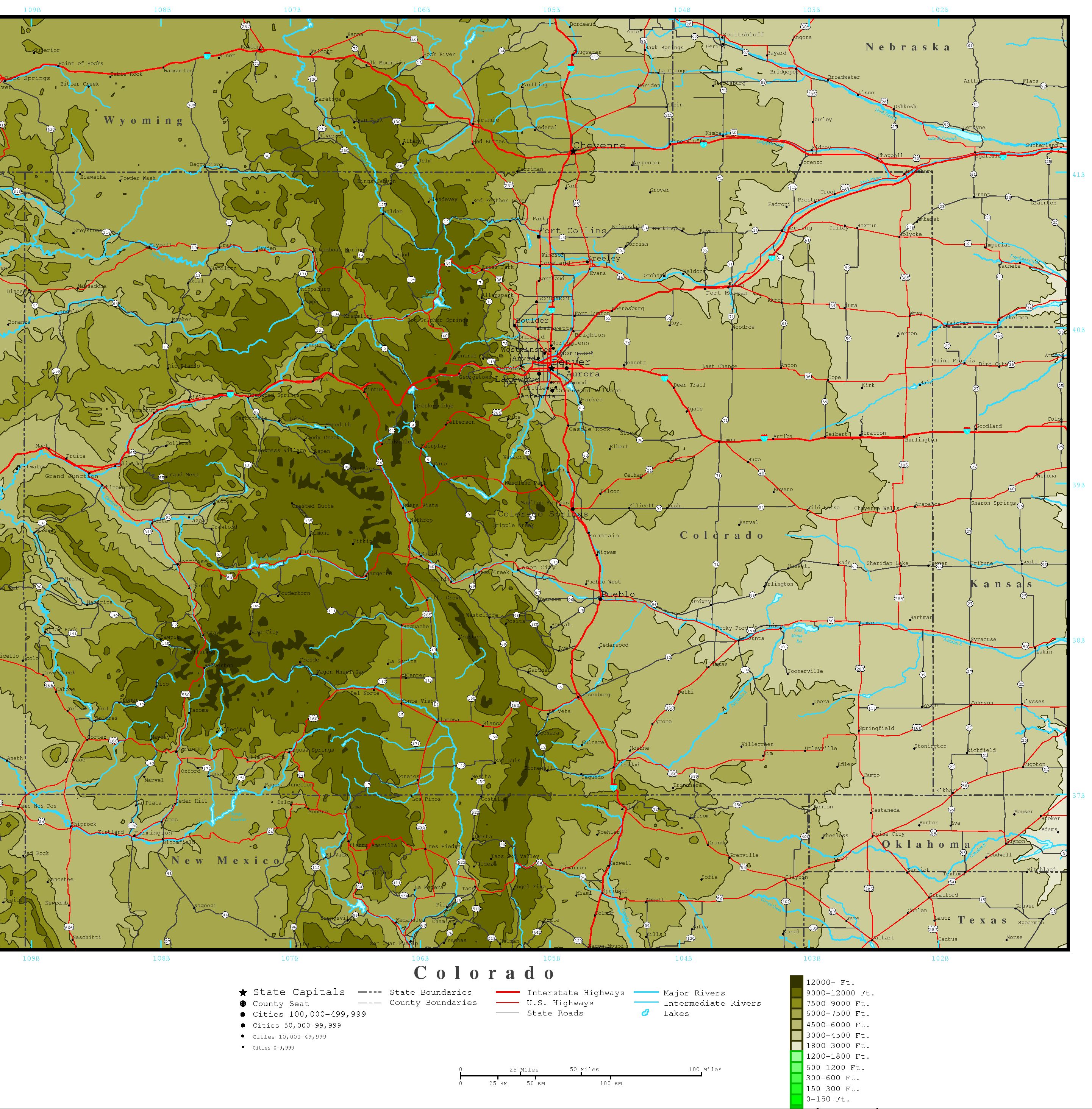
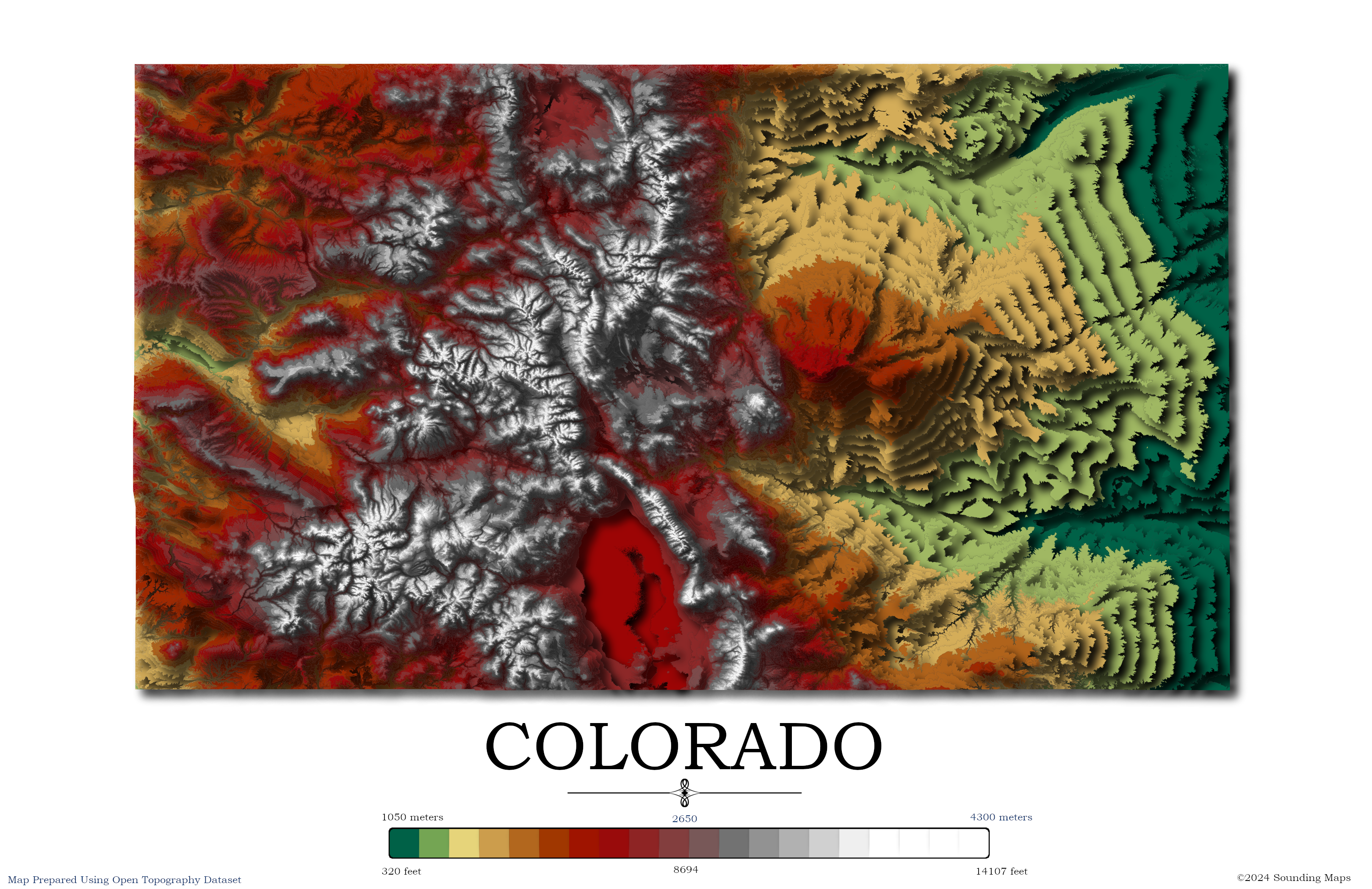
- Lowest Point: The lowest elevation in Colorado is found in the southeastern corner, where the Yampa River flows into Nebraska. Here, the elevation drops to approximately 3,315 feet (1,010 meters) above sea level. This contrast between the lowest and highest points underscores the immense vertical relief of the state.
- Highest Point: The undisputed king of elevation in Colorado is Mount Elbert, standing majestically at 14,440 feet (4,401 meters). It is not only the highest peak in Colorado but also the highest point in the entire Rocky Mountains range. Reaching its summit is a challenging but rewarding endeavor for experienced hikers and mountaineers, offering unparalleled views of the surrounding alpine landscape.
The Impact of Elevation on Colorado’s Natural Wonders
Colorado’s extreme elevations are not mere statistics; they are the architects of its iconic natural beauty and have a profound impact on its ecosystems, climate, and recreational opportunities.
Mountains and Peaks: The Crown Jewels of Colorado
The most obvious manifestation of Colorado’s high elevation is its magnificent mountain ranges. The Rocky Mountains dominate the western two-thirds of the state, creating a dramatic landscape of jagged peaks, deep valleys, and high-altitude plateaus.
The Fourteeners: A Climber’s Paradise
Colorado is renowned for its “Fourteeners”—mountains that exceed 14,000 feet (4,267 meters) in elevation. With 58 such peaks, Colorado has more Fourteeners than any other state in the contiguous United States. These imposing mountains are magnets for hikers, climbers, and skiers, drawing enthusiasts from around the globe. Each Fourteener presents its own unique challenges and rewards, offering a diverse range of climbing experiences from relatively accessible trails to technically demanding routes. Notable Fourteeners include:
- Mount Elbert (14,440 ft / 4,401 m) – Highest peak in the state and the Rockies.
- Mount Massive (14,421 ft / 4,396 m) – The second-highest peak.
- Mount Harvard (14,420 ft / 4,395 m) – Another of the state’s highest summits.
- Blanca Peak (14,351 ft / 4,374 m) – Part of the Sangre de Cristo Range, known for its rugged beauty.
- Longs Peak (14,259 ft / 4,346 m) – A prominent peak in Rocky Mountain National Park, offering challenging routes.
Alpine Lakes and Meadows: High-Altitude Beauty
At elevations above the tree line, Colorado transforms into an alpine wonderland. Glacial lakes, often a stunning turquoise blue, dot the landscape, reflecting the dramatic mountain scenery. These high-altitude lakes are fed by snowmelt and are some of the purest water sources in the state.
Vast alpine meadows, carpeted with vibrant wildflowers in the summer months, create a breathtaking spectacle. These meadows are crucial habitats for a variety of wildlife, including marmots, pikas, and numerous bird species. Hiking through these meadows is an immersive experience, offering a sense of solitude and connection with pristine nature.
The Influence of Altitude on Climate and Weather
The high elevation of Colorado significantly influences its climate and weather patterns. While many associate high altitudes with cold, the state experiences a wide range of temperatures and weather phenomena due to its varied terrain and continental location.
Temperature Extremes and Microclimates
Temperatures in Colorado decrease with altitude. High mountain regions can experience freezing temperatures year-round, even in the midst of summer, especially at night. Conversely, the eastern plains, at lower elevations, can become quite hot during the summer months. This creates numerous microclimates across the state, with variations in temperature and precipitation occurring even over short distances.
Precipitation Patterns: The Rain Shadow Effect
Colorado’s elevation plays a crucial role in its precipitation patterns, particularly due to the Rocky Mountains. As moist air from the Pacific Ocean moves eastward, it is forced to rise over the mountain ranges. This uplift causes the air to cool, condense, and release its moisture as precipitation, primarily in the form of snow on the western slopes and higher elevations.
This phenomenon creates a “rain shadow” effect on the eastern side of the mountains. The air that descends into the eastern plains is significantly drier, resulting in lower precipitation levels and a more arid climate compared to the western slopes. This is why the eastern plains of Colorado are characterized by grasslands and agriculture, while the western regions are dominated by forests and alpine tundra.
Snowfall and Winter Sports
The abundance of snowfall at higher elevations makes Colorado a premier destination for winter sports. World-class ski resorts, such as Aspen Snowmass, Vail Ski Resort, Breckenridge Ski Resort, and Steamboat Ski Resort, receive copious amounts of snow, attracting skiers and snowboarders from around the globe. The high altitude also contributes to the quality of the snow, often referred to as “champagne powder” for its dry and light texture.
Experiencing Colorado’s Elevation: Travel and Recreation
Colorado’s elevation is not just a geographical fact; it is the very essence of its appeal to travelers and outdoor enthusiasts. From scenic drives to challenging hikes, the state offers unparalleled opportunities to engage with its elevated landscape.
Scenic Drives and Mountain Passes
Exploring Colorado by car is an unforgettable experience, with numerous scenic byways winding through the mountains, offering breathtaking vistas at every turn. These drives often involve ascending high mountain passes, where the air thins and the panoramic views expand.
- Trail Ridge Road: Located within Rocky Mountain National Park, this is the highest continuous paved highway in North America, reaching an elevation of over 12,000 feet (3,658 meters). It offers access to alpine tundra ecosystems and stunning overlooks.
- Independence Pass: West of Aspen, this pass reaches an elevation of 12,095 feet (3,687 meters) and provides spectacular views of the surrounding Sawatch Range.
- Guanella Pass: Connecting Georgetown and Grant, this pass offers a scenic drive through forests and alpine meadows, with access to hiking trails.
These drives are not just about reaching a destination; they are about the journey itself, immersing oneself in the grandeur of the Rocky Mountains.
Hiking and Climbing Adventures
For the active traveler, Colorado is a hiker’s and climber’s paradise. The state’s elevation provides a vast network of trails catering to all levels of experience.
Trails for Every Level
From gentle strolls through mountain valleys to strenuous ascents of Fourteeners, there are trails for everyone. Many trails are accessible from popular mountain towns like Boulder, Estes Park, and Telluride.
- Beginner Trails: Many lower-elevation trails offer stunning scenery without the extreme physical demands. Trails around Golden Gate Canyon State Park or around reservoirs like Chatfield State Park provide accessible natural beauty.
- Intermediate Trails: Trails leading to alpine lakes or through forested canyons offer moderate challenges and rewarding views. The trails around the Maroon Bells, near Aspen, are particularly famous for their scenic beauty.
- Advanced Hikes and Climbs: Tackling a Fourteener or a more technical alpine route requires significant physical fitness, proper gear, and acclimatization. Popular choices like Grays Peak and Torreys Peak are often considered more accessible Fourteeners for those looking to attempt their first.
Altitude Sickness: A Necessary Consideration
When engaging in outdoor activities at high elevations, it is crucial to be aware of and prepare for altitude sickness. Symptoms can include headaches, nausea, dizziness, and fatigue. Proper acclimatization, staying hydrated, and avoiding strenuous activity upon arrival at high altitudes are essential for a safe and enjoyable experience. Many visitors find it beneficial to spend a day or two at moderate elevations before attempting more challenging hikes or climbs.
Wildlife Viewing in High-Altitude Habitats
Colorado’s diverse elevations support a remarkable array of wildlife. At higher altitudes, one can spot creatures adapted to the harsh alpine environment.
- Marmots and Pikas: These small mammals are common sights in alpine meadows and rocky slopes.
- Bighorn Sheep and Mountain Goats: These sure-footed animals are often seen grazing on steep mountain faces.
- Elk and Mule Deer: These larger herbivores are frequently encountered in forests and meadows at various elevations.
- Birds: Various species of birds, including raptors like golden eagles and various songbirds, inhabit the different ecological zones.
The elevated landscapes of Colorado are not just a backdrop; they are living, breathing ecosystems where unique flora and fauna thrive, offering incredible opportunities for nature observation.
Planning Your Elevated Colorado Experience
Understanding the elevation of Colorado is fundamental for anyone planning a visit. It influences everything from packing lists to itinerary planning and health considerations.
Packing for Altitude
When visiting Colorado, especially for activities in the mountains, packing appropriately is key.
- Layered Clothing: Temperatures can fluctuate dramatically with altitude and time of day. Layers allow for easy adjustment.
- Sun Protection: The sun’s rays are more intense at higher altitudes. Sunscreen, hats, and sunglasses are essential.
- Hydration: Carrying plenty of water is crucial to combat dehydration and the effects of altitude.
- Sturdy Footwear: Comfortable, broken-in hiking boots are recommended for exploring trails.
Transportation and Accessibility
While many of Colorado’s most spectacular natural attractions are in mountainous regions, they are often accessible via well-maintained roads.
- Major Highways: Interstates like I-70 traverse the Rocky Mountains, offering stunning views and access to ski resorts and national parks.
- Scenic Byways: Numerous state highways and designated scenic byways provide access to more remote and picturesque areas.
- Public Transportation: While limited in remote mountain areas, larger cities like Denver offer public transport options, and some mountain towns have local shuttles.
Accommodation at Elevation
Colorado offers a wide range of accommodations, from hotels in the city to luxury resorts and rustic cabins in the mountains. Many accommodations are located at significant elevations, providing immediate access to outdoor activities.
- Mountain Towns: Towns like Breckenridge, Telluride, and Crested Butte are built around their mountainous surroundings, offering hotels, lodges, and vacation rentals with stunning views and proximity to trails and ski slopes.
- Resorts: Many ski resorts offer year-round accommodation, providing amenities and access to outdoor recreation.
In conclusion, the elevation of Colorado is its defining characteristic. It shapes its majestic landscapes, dictates its weather patterns, and provides the stage for unforgettable travel and recreational experiences. From the mile-high plains to the towering Fourteeners, understanding and appreciating this elevated geography is the first step to unlocking the full magic of the Centennial State.
LifeOutOfTheBox is a participant in the Amazon Services LLC Associates Program, an affiliate advertising program designed to provide a means for sites to earn advertising fees by advertising and linking to Amazon.com. Amazon, the Amazon logo, AmazonSupply, and the AmazonSupply logo are trademarks of Amazon.com, Inc. or its affiliates. As an Amazon Associate we earn affiliate commissions from qualifying purchases.