
Navigating the landscape of healthcare access can be complex, and for residents of Colorado, understanding eligibility for programs like Medicaid is crucial. Medicaid is a vital government-funded health insurance program designed to provide coverage to individuals and families with limited income and resources. While the overarching goal of Medicaid is to ensure access to necessary medical care, the specific requirements for qualification can vary by state. This guide delves into the intricacies of how to qualify for Medicaid in Colorado, covering key eligibility factors and the application process.
Understanding Medicaid Eligibility in Colorado
In Colorado, the program is known as Health First Colorado. Eligibility for Health First Colorado is determined by a combination of factors, primarily revolving around income, household size, and specific vulnerable populations. The state adheres to federal guidelines while also implementing its own rules to define who can benefit from this essential health coverage.
Income and Household Size: The Primary Determinants
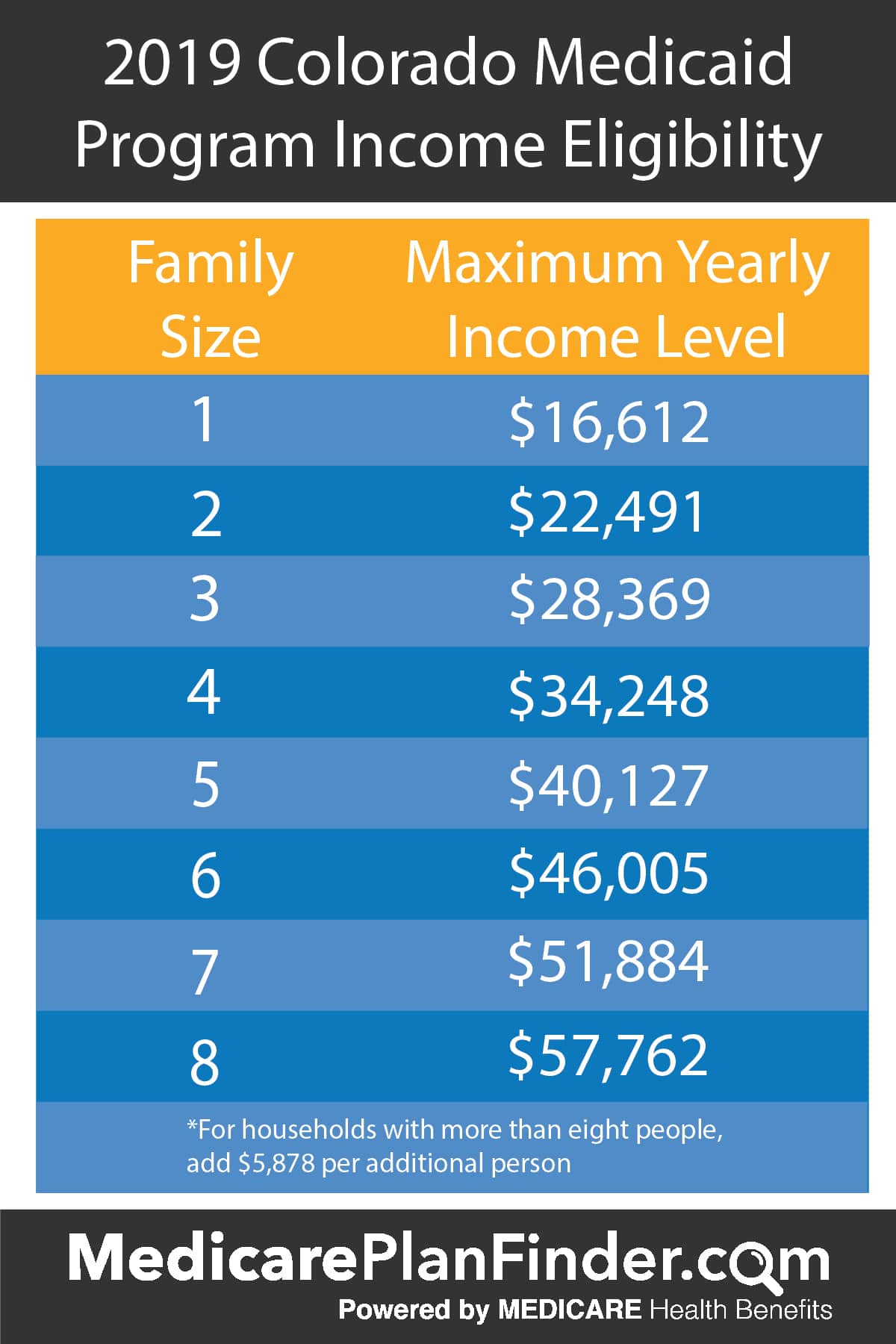
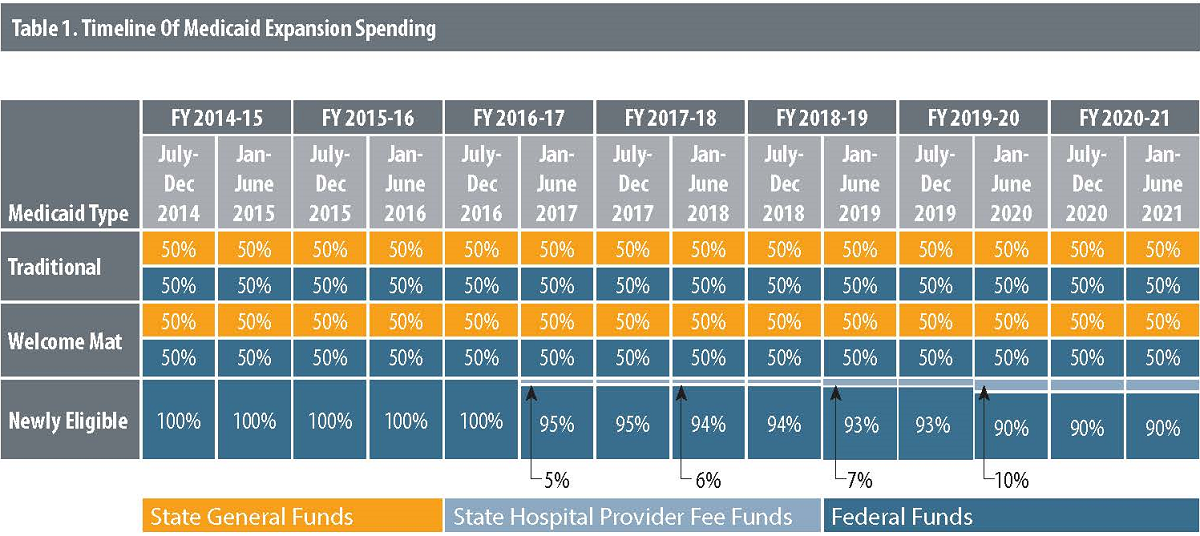
The most significant factor in determining Medicaid eligibility in Colorado is your household’s Modified Adjusted Gross Income (MAGI). MAGI is a calculation that considers your gross income from various sources, with certain deductions applied. Colorado has expanded its Medicaid program under the Affordable Care Act (ACA), meaning it covers more low-income adults than states that have not expanded Medicaid.
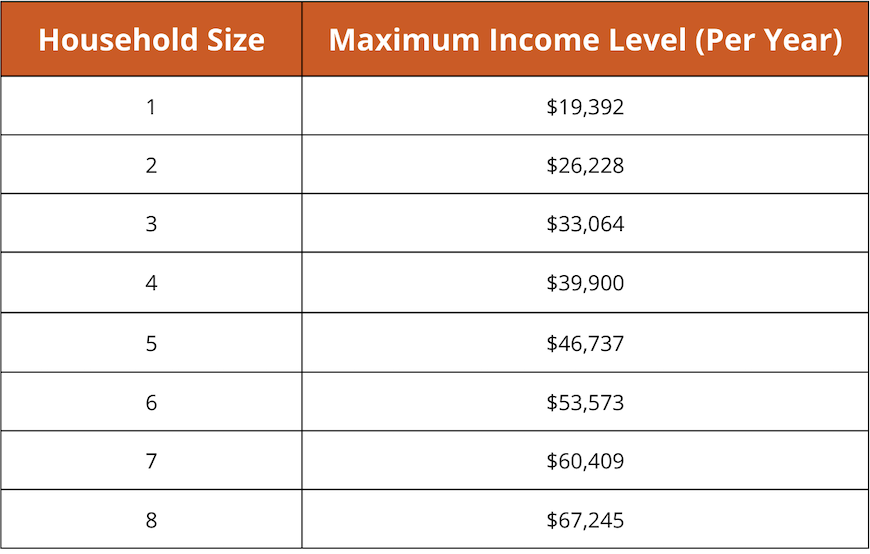
The income limits are expressed as a percentage of the Federal Poverty Level (FPL). For adults without children, this typically means an income at or below 133% of the FPL. For families with children, pregnant women, and individuals with disabilities, the income thresholds can be higher, reflecting the specific needs and federal guidelines for these groups.
It’s essential to accurately calculate your MAGI, as it forms the basis of your eligibility. This includes income from:
- Wages and salaries
- Self-employment income
- Retirement benefits
- Social Security benefits (though some are excluded)
- Unemployment compensation
- Interest and dividends
- Alimony received
The size of your household also plays a critical role. Larger households generally have higher income limits for eligibility, acknowledging that more individuals require greater financial resources. When applying, you will need to provide information about all members of your household and their respective incomes.
Special Eligibility Groups in Colorado
Beyond general income and household size, Colorado provides Medicaid coverage for several specific groups, often with different eligibility criteria:
Children and Pregnant Women
Children and pregnant women are a priority group for Medicaid. Colorado offers comprehensive coverage to children under 19 years of age, with income limits that extend significantly higher than for childless adults. This ensures that even families with moderate incomes can access essential pediatric and prenatal care. Pregnant women also have specific eligibility pathways that may allow them to qualify even if other household members do not. This is to safeguard the health of both mother and child.
Individuals with Disabilities
Individuals who have a disability may qualify for Medicaid in Colorado through several avenues. If a person receives Supplemental Security Income (SSI) benefits from the Social Security Administration, they are generally automatically eligible for Medicaid. Even if an individual does not receive SSI, they may still be eligible based on their income and disability status, as determined by the state. The state may require a medical review to confirm the disability.
Seniors (Age 65 and Older)
Seniors aged 65 and older are another group that can qualify for Medicaid in Colorado, particularly if their income and assets are limited. Medicaid can be crucial for seniors who need long-term care services, such as nursing home care, which is often not covered by Medicare. Eligibility for seniors often involves a review of both income and assets, although there are some allowances for assets that are not considered, such as a primary residence in many cases.
Other Specific Groups
Colorado also offers Medicaid coverage for certain other groups, which may include:
- Former foster care youth: Individuals who were in foster care under Title IV-E of the Social Security Act until age 18 may be eligible for extended Medicaid coverage until age 26.
- Individuals needing specific medical services: In some limited circumstances, individuals may qualify for Medicaid to cover specific, high-cost medical treatments even if their income is slightly above the general limits.
The Application Process for Colorado Medicaid
Applying for Health First Colorado involves a straightforward, yet thorough, process. Understanding each step can help ensure a smooth and successful application.
Where and How to Apply
Residents of Colorado can apply for Health First Colorado through several convenient channels:
- Online: The most common and efficient method is through the official Colorado PEAK (Peaks to Plains) website. PEAK allows you to create an account, complete your application, upload necessary documents, and track your case status.
- By Phone: You can initiate an application or speak with a representative by calling the Health First Colorado Contact Center at 1-800-221-3943 or 711 for Relay services.
- In Person: Applications can be submitted at your local county Department of Human/Social Services office. You can find a list of these offices on the Colorado Department of Health Care Policy and Financing website.
- By Mail or Fax: You can download an application form from the Colorado PEAK website and mail or fax it to the appropriate address.
Required Documentation
To process your application, you will need to provide supporting documentation to verify the information you submit. The specific documents required will depend on your individual circumstances, but generally include:
- Proof of Identity: For all household members applying, such as a driver’s license, state-issued ID, or passport.
- Proof of Income: Pay stubs, W-2 forms, tax returns, Social Security award letters, unemployment benefit statements, or any other official documentation showing income earned in the past several months. If you are self-employed, you will need to provide detailed records of your income and expenses.
- Proof of Residency: Utility bills, lease agreements, or a driver’s license showing your current Colorado address.
- Proof of Household Size: Birth certificates or Social Security cards for all household members.
- Proof of Pregnancy (if applicable): A doctor’s confirmation of pregnancy.
- Proof of Disability (if applicable): Documentation from a medical professional or a determination from the Social Security Administration.
- Immigration Status Documentation (if applicable): Green cards or other visa documents for non-U.S. citizens.
It is advisable to gather as much of this documentation as possible before starting your application to expedite the process.
What Happens After You Apply?
Once your application is submitted, it will be reviewed by the appropriate Colorado state agency, typically the Department of Human/Social Services or the Department of Health Care Policy and Financing.
- Review and Verification: Your application and supporting documents will be thoroughly reviewed to determine your eligibility based on the criteria discussed earlier. You may be contacted if additional information or clarification is needed.
- Decision Notification: You will receive a written notification of the decision regarding your eligibility. This notification will inform you if you have been approved or denied for Health First Colorado. If denied, the notification will explain the reasons for the denial and outline your rights to appeal the decision.
- Enrollment: If approved, you will be enrolled in Health First Colorado. You will receive information about your coverage, including how to select a healthcare provider and any specific program benefits you are eligible for.
Maintaining Your Medicaid Eligibility
Qualifying for Medicaid is not a one-time event. To continue receiving benefits, you must comply with ongoing requirements and re-certify your eligibility periodically.
Reporting Changes
It is crucial to report any changes in your circumstances that could affect your eligibility. These changes include:
- Income Changes: An increase or decrease in household income.
- Household Composition Changes: A change in the number of people living in your household due to marriage, divorce, birth, adoption, or a household member moving out.
- Address Changes: Moving to a new address.
- Citizenship or Immigration Status Changes: If any household member’s status changes.
Failure to report these changes in a timely manner could lead to overpayments, which you may be required to repay, or the termination of your benefits. You can usually report changes through the Colorado PEAK portal, by phone, or by contacting your local county office.
Redetermination and Recertification
Colorado conducts periodic redeterminations of eligibility, typically on an annual basis. This process ensures that your continued eligibility aligns with current program rules and your updated circumstances. You will receive notice when it is time to recertify your eligibility. This will involve completing a renewal application and providing updated documentation, similar to the initial application process. It is imperative to respond promptly to these renewal notices to avoid any interruption in your healthcare coverage.
Navigating Healthcare Options Beyond Medicaid
While Medicaid provides essential coverage, it’s worth noting that other options may be available depending on your income and situation.
The Colorado Health Insurance Marketplace
For individuals and families whose income is too high to qualify for Medicaid but still struggle with healthcare costs, the Colorado Health Insurance Marketplace (also known as Connect for Health Colorado) is a valuable resource. Through the Marketplace, you can compare and enroll in private health insurance plans. Many individuals who purchase plans through the Marketplace are eligible for financial assistance in the form of tax credits, which can significantly reduce monthly premiums and out-of-pocket costs. The Marketplace also offers plans that provide coverage for individuals with pre-existing conditions.
Understanding Your Options
The landscape of health insurance can seem daunting, but resources are available to help Colorado residents make informed decisions. Exploring the official websites for Health First Colorado and the Colorado Health Insurance Marketplace can provide detailed information. Additionally, seeking assistance from navigators or certified application counselors through these programs can offer personalized guidance throughout the application and enrollment process, ensuring you find the most suitable health coverage for your needs. Access to affordable healthcare is a cornerstone of well-being, and understanding how to qualify for programs like Medicaid in Colorado is a vital step in achieving that goal.
LifeOutOfTheBox is a participant in the Amazon Services LLC Associates Program, an affiliate advertising program designed to provide a means for sites to earn advertising fees by advertising and linking to Amazon.com. Amazon, the Amazon logo, AmazonSupply, and the AmazonSupply logo are trademarks of Amazon.com, Inc. or its affiliates. As an Amazon Associate we earn affiliate commissions from qualifying purchases.