
As the crisp autumn air begins to settle across the Rocky Mountains, a question naturally arises for snow enthusiasts and winter adventurers: Where is the snow in Colorado? While early season snowfalls can be unpredictable, the Centennial State is renowned for its abundant winter offerings, boasting some of the most iconic ski resorts and breathtaking snowy landscapes in North America. Understanding the patterns and prime locations for snowfall can significantly enhance your winter travel plans, ensuring you arrive when the powder is deep and the slopes are prime.
This guide delves into the nuances of Colorado’s snow season, exploring the geographical factors that influence snowfall, the best times to visit for optimal conditions, and highlighting specific regions and resorts that consistently deliver exceptional winter experiences. Whether you’re a seasoned skier, a snowboarder seeking fresh tracks, or simply someone who dreams of a picturesque, snow-covered vista, this information will equip you to plan your perfect Colorado winter escape.
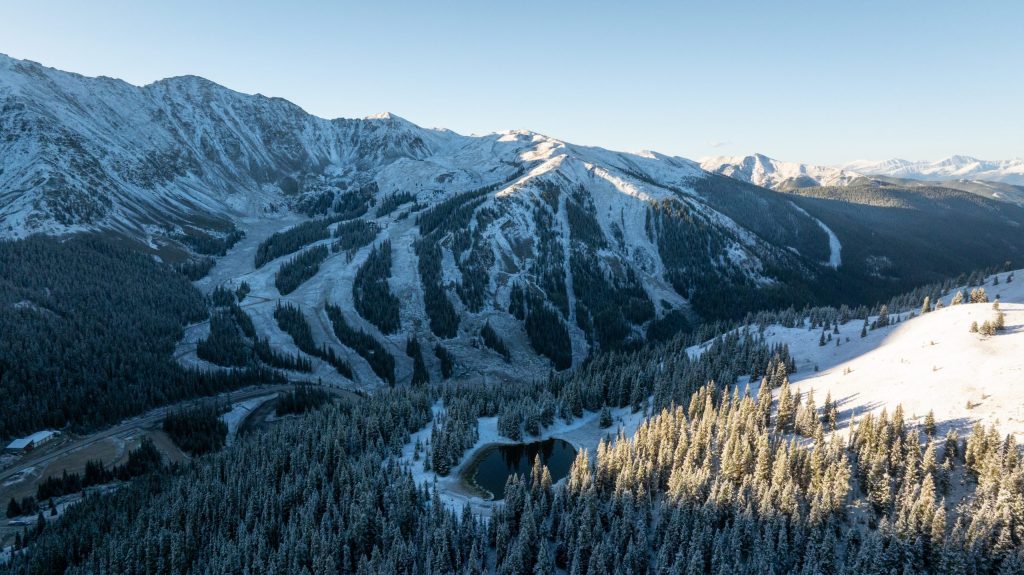
Understanding Colorado’s Snowfall Patterns
Colorado’s diverse topography plays a crucial role in its snowfall distribution. The state’s towering mountain ranges act as natural snow-catchers, drawing moisture-laden air masses from the west. These systems often interact with the high elevations, leading to significant accumulations.
Microclimates and Elevation
The elevation of a particular area is perhaps the most significant factor influencing snowfall. Higher elevations, generally above 8,000 feet, receive considerably more snow than the lower plains. This is why ski resorts, often situated at the highest accessible points, are typically the first to experience and maintain substantial snow cover.
Within shorter distances, microclimates can create surprising variations. For instance, a valley may be experiencing rain while the peaks above are receiving heavy snow. Factors like wind patterns, aspect (the direction a slope faces), and proximity to large bodies of water (though less impactful in landlocked Colorado compared to coastal regions) can also contribute to these localized differences.
Storm Tracks and Seasonal Trends
Colorado typically sees its most significant snowfall from November through April. The primary storm tracks that bring precipitation to the state generally originate from the Pacific Ocean, sweeping across the western United States. These systems tend to become more active and potent as winter progresses.
- Early Season (October – November): While not guaranteed, early season snow can begin to dust the higher peaks in October, with more consistent accumulations often arriving in November. This is when many resorts begin their opening operations, though coverage can be limited.
- Peak Season (December – February): This period generally represents the heart of the snow season. Large storm systems are more frequent, and the cold temperatures ensure that precipitation falls as snow and stays that way. Resorts are in full swing, offering the most extensive terrain and the best powder conditions.
- Late Season (March – April): March often provides excellent late-season skiing with good snow base. April can still deliver significant snowfalls, especially at higher elevations, sometimes leading to surprise powder days and extended operating seasons for some resorts. However, as temperatures rise, snowpack can become more variable, with a mix of powder, packed powder, and spring conditions.
Prime Snowfall Destinations in Colorado
While snow can fall throughout the state, certain regions consistently receive the most and maintain the best snow quality. These areas are home to the majority of Colorado’s world-class ski resorts.
The Northern Colorado Mountains
This region, often referred to as the Front Range or Ski Country, is the most accessible from the Denver metropolitan area and includes some of the state’s most famous ski destinations.
- Summit County: Home to four major resorts: Breckenridge, Keystone, Copper Mountain, and Arapahoe Basin. Due to its high elevation and central mountain location, Summit County consistently receives abundant snowfall. Arapahoe Basin, in particular, is known for its extended season and high-alpine terrain, often staying open into June.
- Winter Park: Located northwest of Denver, Winter Park Resort benefits from its position to catch storms moving through the region. It is known for its challenging terrain and family-friendly atmosphere.
- Steamboat Springs: Further north, Steamboat Ski Resort is famous for its “Champagne Powder,” a light, dry snow that is a skier’s dream. The resort’s location on the western side of the Continental Divide can sometimes lead to unique storm patterns that favor this area.
The Central Colorado Mountains
This area is rich in history and offers a more laid-back, authentic Colorado mountain town experience, alongside excellent skiing.
- Aspen Snowmass: Comprised of four distinct mountains—Aspen Mountain, Aspen Highlands, Buttermilk, and Snowmass—this area is synonymous with luxury and exceptional skiing. While it can be more expensive, the snowfall here is often plentiful and of high quality, particularly at Snowmass and Aspen Highlands.
- Vail: The largest ski resort in the United States, Vail Ski Resort is a consistent recipient of significant snowfall, especially in its legendary back bowls. Its vast terrain and consistent snow make it a perennial favorite.
- Beaver Creek: Adjacent to Vail, Beaver Creek Resort is known for its impeccable grooming and luxurious amenities, but also for the ample snow it receives, often rivaling its larger neighbor.
The Southwestern Colorado Mountains
This region offers a more remote and rugged snow experience, often with fewer crowds and spectacular scenery.
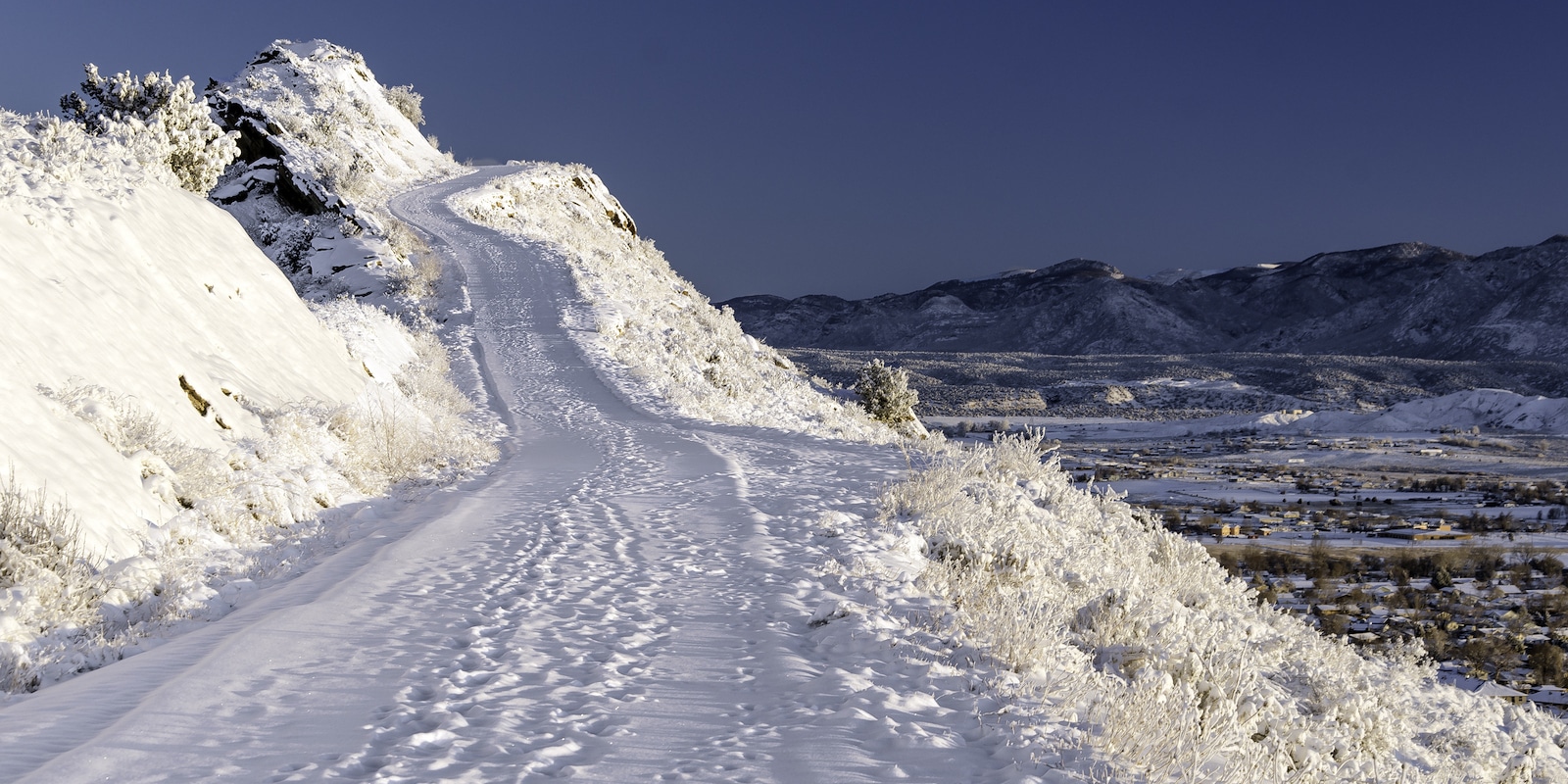
- Telluride Ski Resort: Nestled in a box canyon, Telluride is one of the most picturesque ski destinations. It receives substantial snowfall, and its challenging terrain is a draw for advanced skiers.
- Purgatory Resort: Located near Durango, Purgatory Resort offers a more family-friendly and budget-conscious option with reliable snow conditions, particularly in the early and mid-winter months.
Planning Your Snow Trip: Timing is Everything
Knowing where the snow is is only half the battle; knowing when to go is equally critical for maximizing your winter adventure.
Early Season (October – November)
If you’re an early bird eager to hit the slopes before the peak crowds, focus on resorts at higher elevations that are known for their early openings.
- Pros: Fewer crowds, potentially lower lodging prices, the thrill of being among the first to ski or snowboard.
- Cons: Limited terrain may be open, snow conditions can be variable, and the base may not be fully established.
- Good Bets: Arapahoe Basin, Loveland Ski Area, and higher-elevation sections of resorts like Breckenridge.
Peak Season (December – February)
This is prime time for the quintessential Colorado snow experience. Expect the deepest snow, the most open terrain, and the liveliest atmosphere.
- Pros: Deepest powder, all terrain usually open, vibrant town life, numerous events and activities.
- Cons: Larger crowds, higher lodging and lift ticket prices, need to book accommodations well in advance.
- Good Bets: Virtually all major resorts will be in excellent condition, but Alta Ski Area (in Utah – though often considered in the broader Rocky Mountain context for skiers), Snowbird (also Utah), and the Colorado resorts mentioned above are guaranteed winners.
Late Season (March – April)
Late winter and early spring can offer incredible conditions, especially at higher altitudes. The sun angle is higher, providing warmer days, which can lead to delightful spring skiing.
- Pros: Warmer temperatures, longer daylight hours, often excellent snow depth from the winter, fewer crowds than peak season, potential for late-season storms to bring fresh powder.
- Cons: Snow can become slushy or icy at lower elevations or on south-facing slopes, some lifts or runs may start to close as the season winds down.
- Good Bets: High-alpine resorts like Arapahoe Basin, Loveland Ski Area, and the upper reaches of resorts like Breckenridge and Vail often hold their snow exceptionally well. Eldora Mountain Resort also offers good late-season skiing.
Beyond the Slopes: Snow-Related Activities
Even if skiing and snowboarding aren’t your primary pursuits, Colorado in winter offers a wealth of snow-dependent activities.
Snowshoeing and Cross-Country Skiing
Many resorts and national forests offer groomed trails for cross-country skiing and designated routes for snowshoeing. This provides a serene way to experience the winter landscape, often through quiet forests and meadows. Areas around Estes Park and Grand Lake offer stunning opportunities.
Snowmobiling
For a more adventurous experience, snowmobiling tours are available in various mountain towns, allowing you to cover more ground and explore backcountry areas safely.

Winter Festivals and Events
Throughout the winter season, Colorado’s mountain towns host numerous festivals, from ice carving competitions in Breckenridge to sleigh-riding events and torchlight parades. These events add a vibrant cultural dimension to a snowy getaway.
Ultimately, the question “Where is the snow in Colorado?” is less about a single location and more about understanding the seasonal dynamics and geographical advantages that make this state a premier winter destination. With careful planning and a keen eye on the forecast, you can ensure your trip is filled with the pristine, powdery magic that Colorado is famous for.
LifeOutOfTheBox is a participant in the Amazon Services LLC Associates Program, an affiliate advertising program designed to provide a means for sites to earn advertising fees by advertising and linking to Amazon.com. Amazon, the Amazon logo, AmazonSupply, and the AmazonSupply logo are trademarks of Amazon.com, Inc. or its affiliates. As an Amazon Associate we earn affiliate commissions from qualifying purchases.