
Florida, a state synonymous with sunshine and vibrant wildlife, offers a unique spectacle for nature enthusiasts: the captivating sight of flamingos. While not native to the continental United States, these magnificent pink birds have found a sanctuary in Florida’s diverse habitats, particularly in the southern reaches of the state. The American Flamingo, with its striking rose-pink plumage, is a breathtaking addition to Florida’s already rich avian tapestry. Spotting these graceful creatures requires knowledge of their preferred environments and migration patterns. This guide will lead you to the prime locations where you can witness the magic of flamingos in their natural Florida setting.
The Spectacle of the American Flamingo
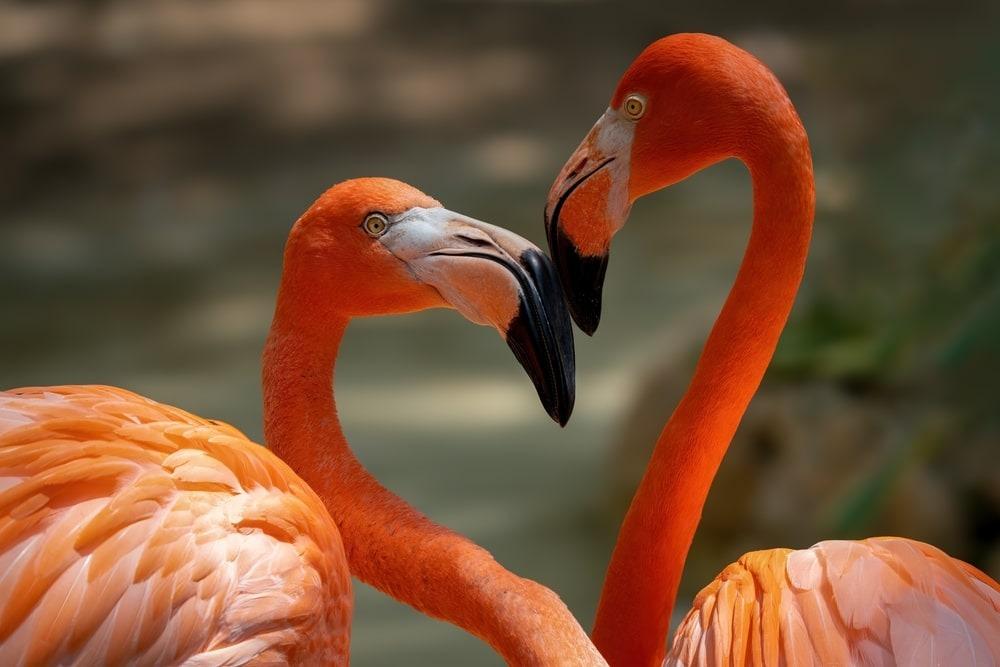
The American Flamingo (Phoenicopterus ruber) is an iconic species, instantly recognizable by its brilliant pink or reddish plumage, long, S-shaped neck, and unique downward-curving beak. This vibrant coloration is not innate but is derived from the beta-carotene in their diet, which consists primarily of brine shrimp and blue-green algae. These filter-feeding birds use their specially adapted beaks to sift through shallow waters, extracting their nutrient-rich food. While their presence in Florida is often sporadic and influenced by weather patterns and food availability, consistent sightings have been documented in specific areas, making them a sought-after avian prize for birdwatchers and tourists alike.
Understanding Flamingo Behavior and Habitat
Flamingos are social birds, typically found in large flocks. Their communal nature provides safety from predators and facilitates feeding. They thrive in shallow, saline or alkaline waters, such as saltwater lagoons, mangrove swamps, and salt flats. These environments offer an abundance of their specialized diet. In Florida, the warm climate and extensive coastal wetlands create ideal conditions for these birds, especially during certain times of the year. Understanding their preference for wading and filter-feeding in calm, shallow waters is key to locating them.
Prime Flamingo Viewing Locations in South Florida
The southern tip of Florida, with its extensive coastal wetlands and protected natural areas, is the most reliable region for observing flamingos. Several key locations stand out as consistent hotspots, offering visitors the best chance to witness these remarkable birds.
Everglades National Park
Everglades National Park is a vast wilderness that serves as a critical habitat for numerous species, including the American Flamingo. While sightings can be unpredictable, the park’s extensive network of waterways, coastal marshes, and mangrove forests provides the perfect environment for these birds to forage and rest.
Royal Palm and Anhinga Trail
Within Everglades National Park, the area around the Royal Palm Visitor Center, particularly the Anhinga Trail, is a popular starting point for wildlife viewing. While more known for wading birds like herons and egrets, flamingos have been spotted in the shallower sections of water accessible from these areas. Patience and a keen eye are essential, as they may appear in the distance or among other wading birds.
Flamingo Area and Florida Bay
The southern reaches of the park, specifically the Flamingo area and the shores of Florida Bay, offer some of the most consistent opportunities. This region is characterized by extensive tidal flats and shallow marine environments that are ideal feeding grounds for flamingos. Boat tours exploring Florida Bay can also offer distant sightings.
Corkscrew Swamp Sanctuary
Located in the western part of the Everglades, Corkscrew Swamp Sanctuary is a protected area managed by the National Audubon Society. This sanctuary is renowned for its ancient bald cypress forest and is a vital habitat for a multitude of bird species. While flamingos are not a year-round resident here, they have been observed in the sanctuary’s wetter areas, particularly in the shallow pools and marshes. The sanctuary’s boardwalk provides an elevated perspective, allowing for excellent birdwatching without disturbing the delicate ecosystem.
Rookery Bay National Estuarine Research Reserve
The Rookery Bay National Estuarine Research Reserve, near Naples, is another significant coastal ecosystem where flamingos can occasionally be found. This reserve protects over 110,000 acres of vital estuarine habitats, including mangrove forests, salt marshes, and seagrass beds. Flamingos are drawn to the shallow waters and abundant food sources within these protected areas. Guided kayak tours or boat trips can offer intimate encounters with the reserve’s wildlife, potentially including these iconic pink birds.
J.N. “Ding” Darling National Wildlife Refuge
On Sanibel Island, the J.N. “Ding” Darling National Wildlife Refuge is a world-renowned destination for birdwatching. This refuge encompasses over 6,000 acres of mangrove forests, seagrass beds, and mudflats that are crucial for migratory birds. While flamingos are not a guaranteed sighting here, they are known to visit periodically. The refuge’s Wildlife Drive and numerous observation towers offer excellent vantage points for scanning the shallow impoundments and shorelines for the distinctive pink hues of flamingos, often foraging alongside spoonbills and other wading birds.

Key West National Wildlife Refuge and Dry Tortugas National Park
Further south, the waters surrounding Key West and the remote Dry Tortugas National Park are also potential areas for flamingo sightings, particularly during migratory periods. The shallow, clear waters and isolated islands provide important stopover points and potential feeding areas for these birds as they navigate between Cuba and the Florida mainland. Access to these more remote locations typically requires boat trips or organized tours, adding an element of adventure to the flamingo quest.
Best Times for Flamingo Sightings
While flamingos can be seen in Florida throughout the year, certain periods offer a higher probability of encountering them. Their presence is often influenced by migratory patterns, weather conditions, and food availability in their preferred habitats.
Post-Breeding Season and Winter Months
Following their breeding season, which typically concludes in the late summer or early fall, flamingos may disperse more widely in search of optimal feeding grounds. This period, extending into the Florida winter months, often sees increased numbers of flamingos in coastal areas. Warmer temperatures and abundant food sources make this a favorable time for them to remain in the state.
Influence of Tropical Storms and Hurricanes
Unpredictable weather events, such as tropical storms and hurricanes, can sometimes play a role in flamingo movements. These storms can occasionally displace birds from their usual territories, leading them to seek refuge in new areas, including those accessible to human observers. While unfortunate, these events can sometimes result in unusual flamingo sightings further north or in unexpected locations within Florida.
Tips for Successful Flamingo Watching
Observing flamingos in their natural habitat requires patience, the right equipment, and a respect for their environment. By following a few simple tips, you can significantly enhance your chances of a rewarding viewing experience.
Bring Binoculars and a Camera
To truly appreciate the intricate details of flamingos and to spot them from a distance, a good pair of binoculars is essential. A camera with a telephoto lens will allow you to capture stunning photographs without disturbing the birds. Remember to practice responsible wildlife photography, maintaining a safe distance and refraining from any actions that could stress the animals.
Be Prepared for the Elements
Florida’s climate can be warm and humid, especially in the southern parts of the state where flamingos are most commonly found. Sunscreen, insect repellent, a hat, and plenty of water are crucial. Comfortable walking shoes or waterproof boots may be necessary, depending on the terrain of the viewing location.
Choose Respectful Viewing Practices
When observing any wildlife, ethical practices are paramount. Always maintain a significant distance from flamingos to avoid disturbing their natural behaviors. Never feed the birds, as this can disrupt their diet and make them dependent on human handouts, which is detrimental to their health and survival. Stay on designated trails and boardwalks to protect sensitive habitats. Report any injured or distressed birds to the appropriate wildlife authorities.
Consider Guided Tours
For those unfamiliar with the area or seeking expert guidance, guided tours can be invaluable. Many parks and nature reserves offer boat tours, kayak excursions, or guided walks led by knowledgeable naturalists who understand local wildlife patterns and can significantly increase your chances of spotting flamingos, as well as other fascinating creatures. These tours often provide a deeper understanding of the delicate ecosystems that support these birds.

Check Local Sightings Reports
Before embarking on your flamingo-watching adventure, it’s advisable to check recent local wildlife sighting reports. Many birding organizations and nature centers maintain online forums or social media groups where recent sightings are posted. This can provide up-to-date information on where flamingos have been recently observed, helping you plan your visit more effectively.
By understanding where to look, when to go, and how to observe responsibly, your quest to see flamingos in Florida is likely to be a memorable and rewarding experience, offering a glimpse into the wild beauty of the Sunshine State.
LifeOutOfTheBox is a participant in the Amazon Services LLC Associates Program, an affiliate advertising program designed to provide a means for sites to earn advertising fees by advertising and linking to Amazon.com. Amazon, the Amazon logo, AmazonSupply, and the AmazonSupply logo are trademarks of Amazon.com, Inc. or its affiliates. As an Amazon Associate we earn affiliate commissions from qualifying purchases.