
Understanding the nuances of felony theft in Colorado is crucial for both residents and visitors alike, especially for those navigating the intricate legal landscape while planning their travels or business stays. While the excitement of exploring the Rocky Mountains or enjoying the vibrant city life of Denver often takes center stage, a basic awareness of local laws, including those pertaining to property crimes, can prevent unforeseen complications. Felony theft, in particular, carries significant consequences, impacting an individual’s ability to travel, secure accommodations, and engage in various activities within the state and beyond. This article aims to demystify what constitutes felony theft in Colorado, providing clarity on the different degrees of theft and the factors that elevate a crime to a felony level.
Understanding Colorado’s Theft Statutes
In Colorado, theft is generally defined as unlawfully taking, using, or exercising control over property of another with the intent to deprive the owner permanently of the use or benefit of the property. The classification of theft, whether it’s a misdemeanor or a felony, is primarily determined by the value of the property stolen and, in some instances, the nature of the property or the manner in which it was taken. Colorado Revised Statutes § 18-4-401 outlines the general theft provisions, categorizing offenses into different classes based on escalating penalties.
Misdemeanor Theft
Theft crimes are typically classified as misdemeanors when the value of the stolen property falls below certain thresholds. These are generally considered less serious offenses, though they still carry potential penalties of fines and jail time.
Petty Theft (Class 3 Misdemeanor)
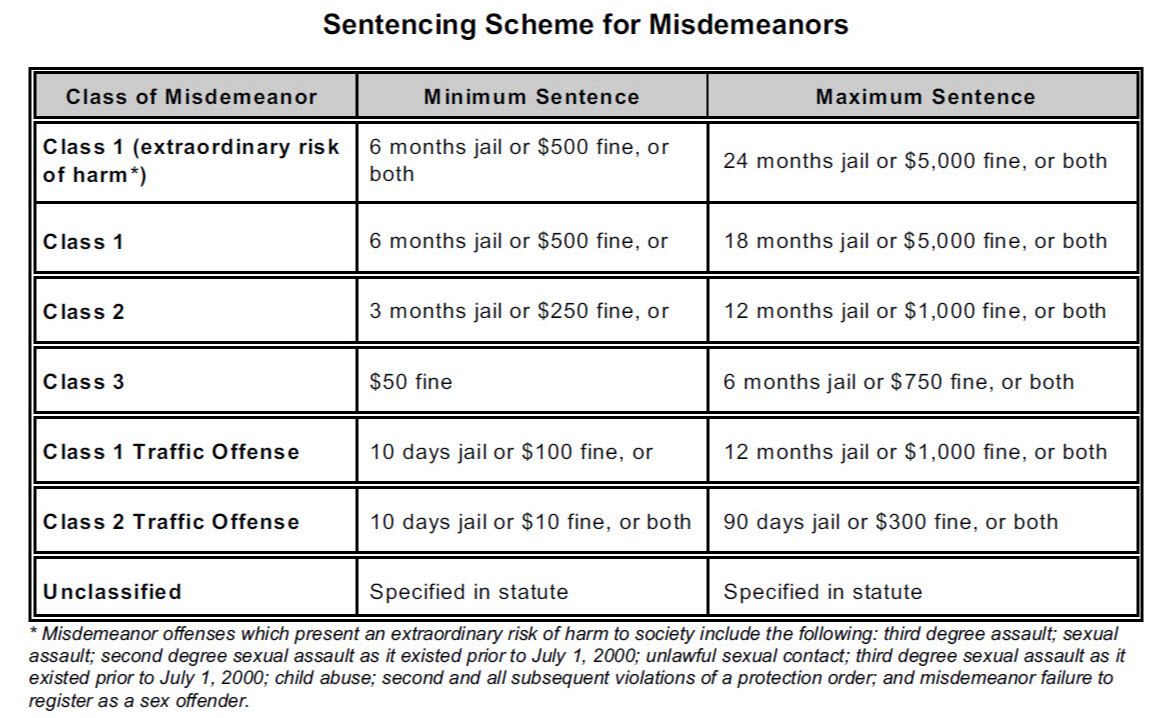
This is the lowest level of theft, involving property valued at less than $50. While seemingly minor, a conviction can still result in fines and a potential jail sentence of up to 30 days. For travelers, even a petty theft charge could lead to difficulties with future travel arrangements or visa applications.
Class 2 Misdemeanor Theft
When the value of the stolen property ranges from $50 to $299, the offense escalates to a Class 2 misdemeanor. Penalties can include fines and jail time up to one year. This level of offense begins to have more significant implications for an individual’s record.
Class 1 Misdemeanor Theft
Theft of property valued between $300 and $999 constitutes a Class 1 misdemeanor. This is the most serious misdemeanor offense, carrying potential jail sentences of up to 18 months and substantial fines. At this stage, the consequences are increasingly severe, potentially affecting employment prospects and the ability to obtain certain types of lodging or rentals.
When Theft Becomes a Felony in Colorado
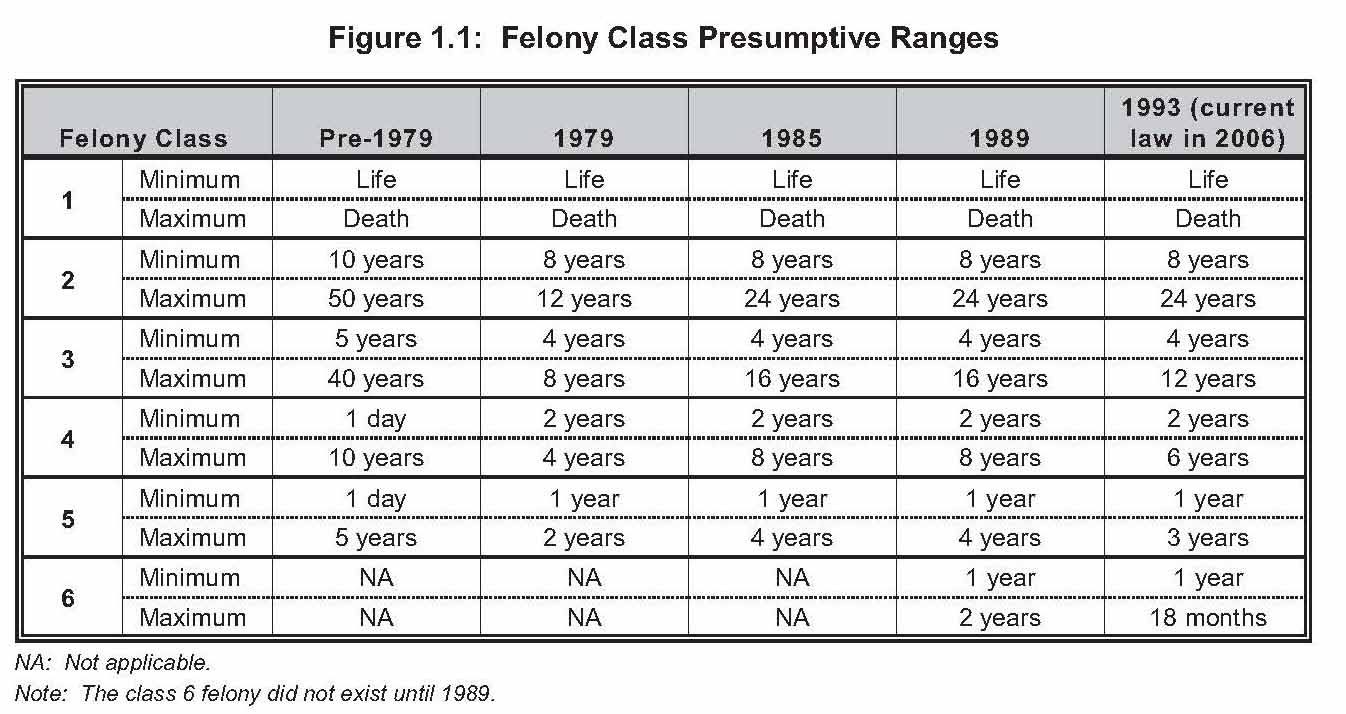
The transition from misdemeanor to felony theft in Colorado is primarily triggered by the monetary value of the stolen goods or specific circumstances surrounding the theft. Felony theft offenses carry much more severe penalties, including lengthy prison sentences and significant fines, and can have lasting impacts on an individual’s life, affecting their ability to travel internationally or even secure a hotel room in certain jurisdictions.
Grand Theft – Class 6 Felony
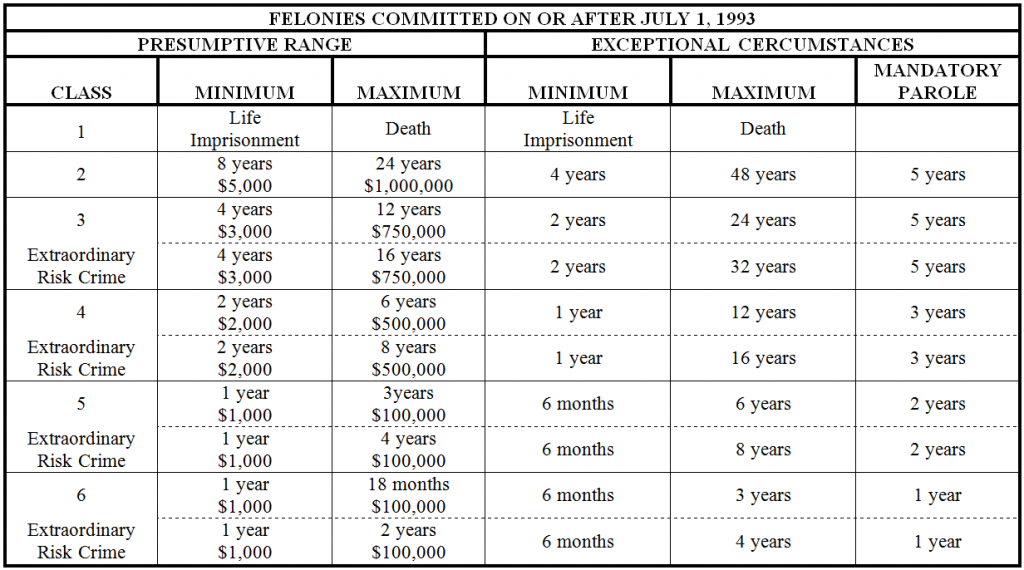
When the value of the stolen property exceeds $1,000 but is less than $5,000, the offense is classified as a Class 6 felony. This is the entry point into felony theft. Convictions for Class 6 felony theft can result in prison sentences ranging from one to one-and-a-half years, and fines can range from $1,000 to $100,000. A felony conviction at this level can significantly impact travel plans, making it difficult to obtain visas for many countries.
Class 5 Felony Theft
Theft of property valued between $5,000 and $20,000 constitutes a Class 5 felony. This offense carries a prison sentence of one to three years and fines similar to those for a Class 6 felony. The implications for travel and personal liberties become even more pronounced with this classification.
Class 4 Felony Theft
When the value of stolen property ranges from $20,000 to $100,000, the theft is considered a Class 4 felony. This carries a prison sentence of two to six years and substantial fines. At this level, the impact on one’s ability to travel, obtain employment requiring background checks, or even rent a car becomes a significant hurdle.
Class 3 Felony Theft
Theft of property valued at $100,000 or more is classified as a Class 3 felony. This is one of the most serious forms of property crime in Colorado, punishable by four to 12 years in prison and significant fines. The ramifications of a Class 3 felony conviction are profound, affecting nearly all aspects of life, including travel freedom and the ability to secure reputable accommodations.
Class 2 Felony Theft
This classification applies to theft of property valued at $1 million or more. It carries a prison sentence of eight to 24 years and substantial fines. This level of felony theft represents a profound breach of the law with severe, long-lasting consequences for an individual’s mobility and future.
Class 1 Felony Theft
While less common for general property theft, specific circumstances involving extremely high-value theft, often with aggravating factors, could potentially reach Class 1 felony status, carrying the most severe penalties in the state. However, the typical felony theft classifications are based on the escalating monetary values outlined above.
Aggravating Factors and Specific Theft Crimes
Beyond the value of the stolen property, certain circumstances can elevate a theft charge to a felony or lead to harsher penalties. These factors often relate to the method of theft, the type of property stolen, or the intent of the perpetrator. Understanding these can be crucial for anyone visiting tourist destinations or business centers in Colorado.
Motor Vehicle Theft
The unlawful taking of a motor vehicle, regardless of its value, is a serious offense in Colorado. While the initial charge might be a misdemeanor depending on specific circumstances and intent, if the vehicle is taken with the intent to permanently deprive the owner or if it’s part of a larger criminal enterprise, it can easily be elevated to a felony. Grand Theft Auto is a significant concern for many travelers and can lead to substantial jail time and fines, severely impacting future travel and rental capabilities.
Burglary
Burglary, which involves entering a building or occupied structure with the intent to commit a crime (including theft), is always a felony offense in Colorado. The degree of burglary depends on factors like whether a weapon was used or if the structure was inhabited. Even if no property is ultimately stolen, the act of burglary itself is a felony. This is particularly relevant in areas with hotels and rental properties, as unauthorized entry can lead to severe legal repercussions.
Robbery
Robbery is distinct from theft as it involves the taking of property from a person by force or threat of force. All robbery offenses in Colorado are felonies, ranging from Class 3 felony robbery to Class 2 felony aggravated robbery (often involving a deadly weapon). The penalties are severe and directly impact an individual’s freedom to travel and their reputation.
Identity Theft
The theft and fraudulent use of another person’s identifying information to obtain goods or services, or to further commit other crimes, is also a serious offense. Depending on the value of goods or services obtained and the intent, identity theft can be charged as a felony in Colorado. This can have long-term financial and legal consequences, impacting credit, employment, and the ability to travel.
Theft from a Person
While often categorized under petty theft or misdemeanor theft based on value, theft specifically from another person’s person (e.g., pickpocketing) can sometimes carry enhanced penalties or be charged as a felony if specific aggravating circumstances are present or if the value exceeds the misdemeanor threshold.
Consequences Beyond Legal Penalties
The ramifications of a felony theft conviction in Colorado extend far beyond the legal penalties of fines and imprisonment. For individuals planning trips, attending events, or seeking accommodation, a felony record can create significant obstacles.
Travel Restrictions
Many countries have strict immigration policies that can bar entry to individuals with felony convictions. Even domestic travel can be complicated, especially when crossing international borders or if security measures are heightened. A felony theft conviction can lead to denial of visa applications for countries such as Canada or the United Kingdom, and may require extensive legal waivers or declarations to overcome.
Accommodation and Employment
Securing employment that requires background checks often becomes impossible with a felony record. Similarly, renting an apartment, booking certain types of hotel suites, or even being approved for a rental car can be challenging. Many hospitality providers, including hotels and rental agencies, conduct background checks that can disqualify individuals with felony theft convictions. This is especially true for long-term stays or specialized accommodations.
Reputation and Social Impact
A felony conviction carries a social stigma that can affect personal relationships, community involvement, and overall well-being. This can indirectly impact travel experiences, as individuals may feel less confident or be perceived differently by others.
In conclusion, understanding what constitutes felony theft in Colorado is vital. The value of stolen property is the primary determinant, but specific crime types and aggravating factors play a significant role. Being aware of these laws ensures that your travels, business stays, and overall experience in the Centennial State are as smooth and complication-free as possible. Always ensure you are adhering to all local laws and regulations, especially when engaging in activities like booking hotels, exploring attractions like Rocky Mountain National Park, or visiting cities like Aspen.
LifeOutOfTheBox is a participant in the Amazon Services LLC Associates Program, an affiliate advertising program designed to provide a means for sites to earn advertising fees by advertising and linking to Amazon.com. Amazon, the Amazon logo, AmazonSupply, and the AmazonSupply logo are trademarks of Amazon.com, Inc. or its affiliates. As an Amazon Associate we earn affiliate commissions from qualifying purchases.