
As a burgeoning hub within the Denver metropolitan area, Thornton, Colorado presents a compelling blend of suburban comfort and accessible urban adventure. Understanding the local climate is paramount for anyone planning a visit, whether for business, leisure, or an extended stay. The weather in Thornton, like much of the Front Range of the Rocky Mountains, is characterized by its variability, sunshine, and distinct seasonal patterns. This guide aims to provide a comprehensive overview of Thornton’s current weather conditions and typical climate, empowering you to make the most of your time in this dynamic Colorado city.
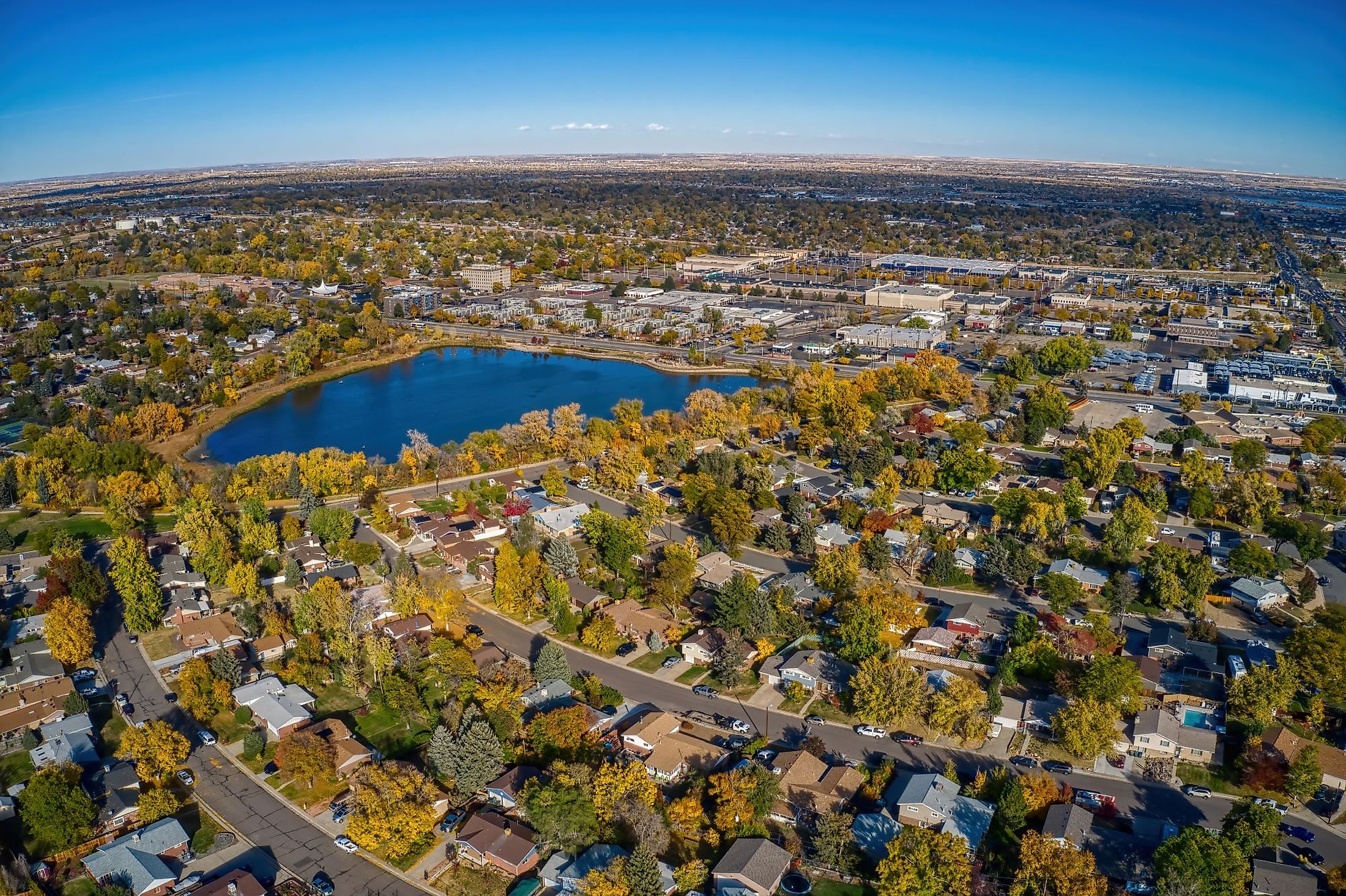
Current Weather Conditions in Thornton, Colorado
To understand the present weather in Thornton, it’s essential to consult real-time meteorological data. Typically, temperatures in Thornton fluctuate significantly throughout the day, a phenomenon often referred to as a large diurnal temperature range. This is influenced by the high altitude and dry air characteristic of the region.
Temperature and Feels-Like Conditions
The current temperature in Thornton is a primary indicator of immediate comfort levels. However, for a more accurate assessment, one must also consider the “feels-like” temperature. This metric takes into account factors such as wind speed and humidity. For instance, on a crisp winter day, a temperature of 30°F (-1°C) might feel considerably colder with a brisk wind, while on a warm summer afternoon, a breezy condition can offer welcome relief. Residents and visitors alike often check these figures before heading out for outdoor activities, whether it’s a stroll through Pecos Park or a visit to the Thornton Community Park.
Precipitation and Sky Conditions
The likelihood of precipitation, be it rain or snow, is another critical aspect of the current weather. Thornton experiences a relatively dry climate, but when precipitation does occur, it can be intense. Thunderstorms are common during the summer months, often developing rapidly in the afternoon due to daytime heating. Winter brings the possibility of snow, which can range from light dustings to significant accumulations, impacting travel and outdoor plans. Sky conditions, such as cloud cover, also play a role in the perceived temperature and overall ambiance. A bright, sunny day can feel warmer than the actual temperature suggests, while overcast skies can lend a cooler, more subdued atmosphere.
Wind Speed and Direction
Wind is a significant factor influencing outdoor comfort and activities in Thornton. The city can experience periods of calm weather, but also sustained winds, particularly during spring and fall. These winds can contribute to the “feels-like” temperature and can affect activities like cycling or picnicking. Understanding wind direction is also useful for anticipating potential weather shifts or for recreational pursuits like sailing on nearby reservoirs.
Typical Climate Patterns in Thornton, Colorado
Beyond the immediate weather, understanding Thornton’s broader climate patterns provides a framework for anticipating conditions throughout the year. The city enjoys a semi-arid climate with four distinct seasons, each offering unique experiences and challenges.
Spring: A Transition of Extremes
Spring in Thornton is a period of dramatic transition. March and April often see a mix of winter-like conditions and early signs of warmer weather. Snowstorms can still occur, sometimes accompanied by strong winds, while sunny, mild days can also become prevalent. This variability means that layering clothing is a wise strategy for any visitor during this time. It’s also when the area’s natural beauty begins to re-emerge, with wildflowers starting to bloom in surrounding open spaces.
Summer: Sunshine and Thunderstorms
Summers in Thornton are generally warm to hot and very sunny. July is typically the warmest month. Daytime temperatures frequently reach into the 80s and 90s Fahrenheit (high 20s to mid-30s Celsius). However, the dry air helps to mitigate extreme heat, and evenings often cool down considerably. The defining characteristic of Thornton’s summer weather is the afternoon thunderstorm. These storms can be quite dramatic, bringing heavy rain, lightning, and sometimes hail. Despite this, summer is an excellent time for outdoor activities such as exploring the Great Outdoors Colorado (GOCO) Trail or enjoying the many parks the city has to offer.
Autumn: Crisp Air and Colorful Landscapes

Autumn in Thornton is a season of crisp air, clear skies, and vibrant foliage. September and October often bring pleasant, mild temperatures, making it an ideal time for hiking, biking, and exploring local attractions. The changing leaves in nearby areas offer a picturesque backdrop. However, as the season progresses, temperatures begin to drop, and the first significant snowfalls typically occur in late October or November, signaling the approach of winter.
Winter: Cold, Sunshine, and Snowfall
Thornton’s winters are characterized by cold temperatures, abundant sunshine, and variable snowfall. While it can get quite cold, with average daily temperatures often below freezing, the region receives a remarkable amount of sunshine even during the winter months. This combination of cold and sun can make for beautiful winter days. Snowfall is common, but it is often dry and powdery, with significant accumulations possible during snow events. The city’s infrastructure is well-equipped to handle winter weather, and most attractions remain accessible, though visitors should always check conditions before traveling.
Factors Influencing Thornton’s Weather
Several geographical and meteorological factors contribute to the unique weather patterns observed in Thornton, Colorado. Understanding these influences provides deeper insight into the local climate.
Altitude and Topography
Thornton is situated at an elevation of approximately 5,233 feet (1,595 meters) above sea level. This significant altitude contributes to the thinner atmosphere, cooler average temperatures compared to lower elevations, and the large diurnal temperature variations. The proximity to the Rocky Mountains also plays a role. While Thornton itself is on the plains, the mountains can influence weather patterns, including wind direction and the development of storm systems.
Continental Climate Characteristics
As an inland city, Thornton experiences a continental climate. This means it is subject to extremes of temperature and precipitation, with less moderation from large bodies of water. The dry air, a hallmark of this climate type, allows for rapid heating during the day and equally rapid cooling at night. It also means that when precipitation does fall, it is often intense rather than prolonged.
Prevailing Winds
The prevailing winds in the Denver metropolitan area, including Thornton, generally blow from the west or southwest. These winds can carry moisture from the Pacific Ocean, though much of it is dropped over the Rocky Mountains before reaching the Front Range. However, these winds can also bring significant weather events, including Chinook winds during winter which can cause rapid temperature increases.
Preparing for Thornton’s Weather
Whether you are a local resident or a visitor to Thornton, Colorado, being prepared for the weather is key to enjoying your experience.
What to Pack and Wear
Given the climate’s variability, layering is the golden rule for dressing in Thornton year-round.
- Spring and Fall: Pack a mix of light layers, a waterproof and windproof jacket, comfortable walking shoes, and perhaps a hat and gloves for cooler mornings and evenings.
- Summer: Light, breathable clothing is essential for the warm days. Include sunscreen, a hat, and sunglasses, and be prepared for potential thunderstorms with a light rain jacket.
- Winter: Warm, insulated clothing is a must. Think thermal layers, a heavy coat, waterproof boots, gloves, and a warm hat. Even on cold days, the sunshine can make outdoor activities pleasant, so be ready to adapt.

Safety and Travel Considerations
- Winter Driving: Always check road conditions before traveling during winter months. Snow tires or chains may be necessary for certain conditions, and being aware of potential road closures is important.
- Summer Thunderstorms: Be mindful of rapidly developing thunderstorms. If you are outdoors, seek shelter immediately when lightning is present.
- Hydration: Due to the dry climate and altitude, staying hydrated is crucial year-round. Carry water with you, especially during strenuous outdoor activities.
- Sun Protection: The high altitude means stronger UV rays. Always use sunscreen, even on cloudy days.
By understanding and respecting the weather patterns in Thornton, Colorado, you can fully appreciate the unique beauty and recreational opportunities this vibrant city has to offer, ensuring a comfortable and memorable visit.
LifeOutOfTheBox is a participant in the Amazon Services LLC Associates Program, an affiliate advertising program designed to provide a means for sites to earn advertising fees by advertising and linking to Amazon.com. Amazon, the Amazon logo, AmazonSupply, and the AmazonSupply logo are trademarks of Amazon.com, Inc. or its affiliates. As an Amazon Associate we earn affiliate commissions from qualifying purchases.