
The allure of California, the Golden State, is undeniable. Its diverse landscapes, from sun-drenched beaches to towering mountains, and its iconic cities brimming with culture and innovation, have captivated imaginations for centuries. For those seeking to capture this essence, drawing California offers a unique way to engage with its spirit. This guide aims to provide a structured approach to sketching the diverse geography and iconic elements of California, suitable for artists of all levels.
Capturing the Distinctive Outline of California
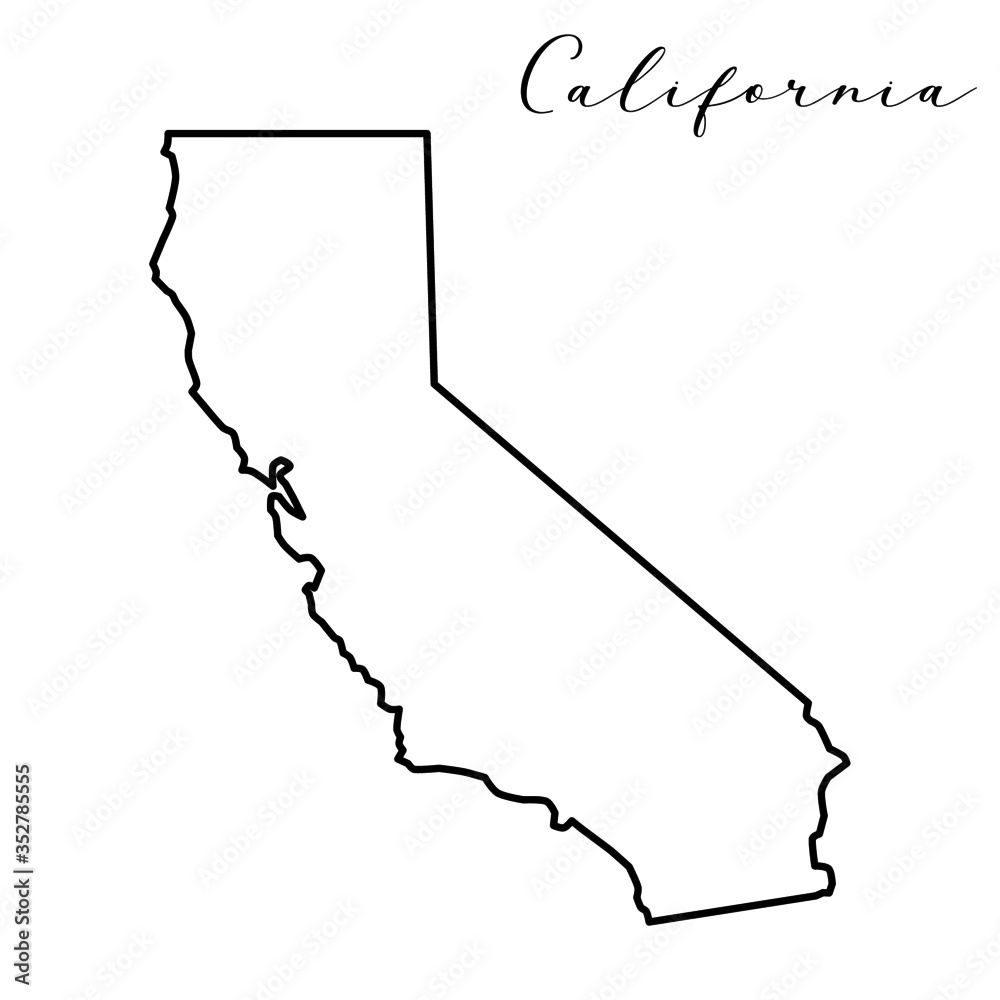
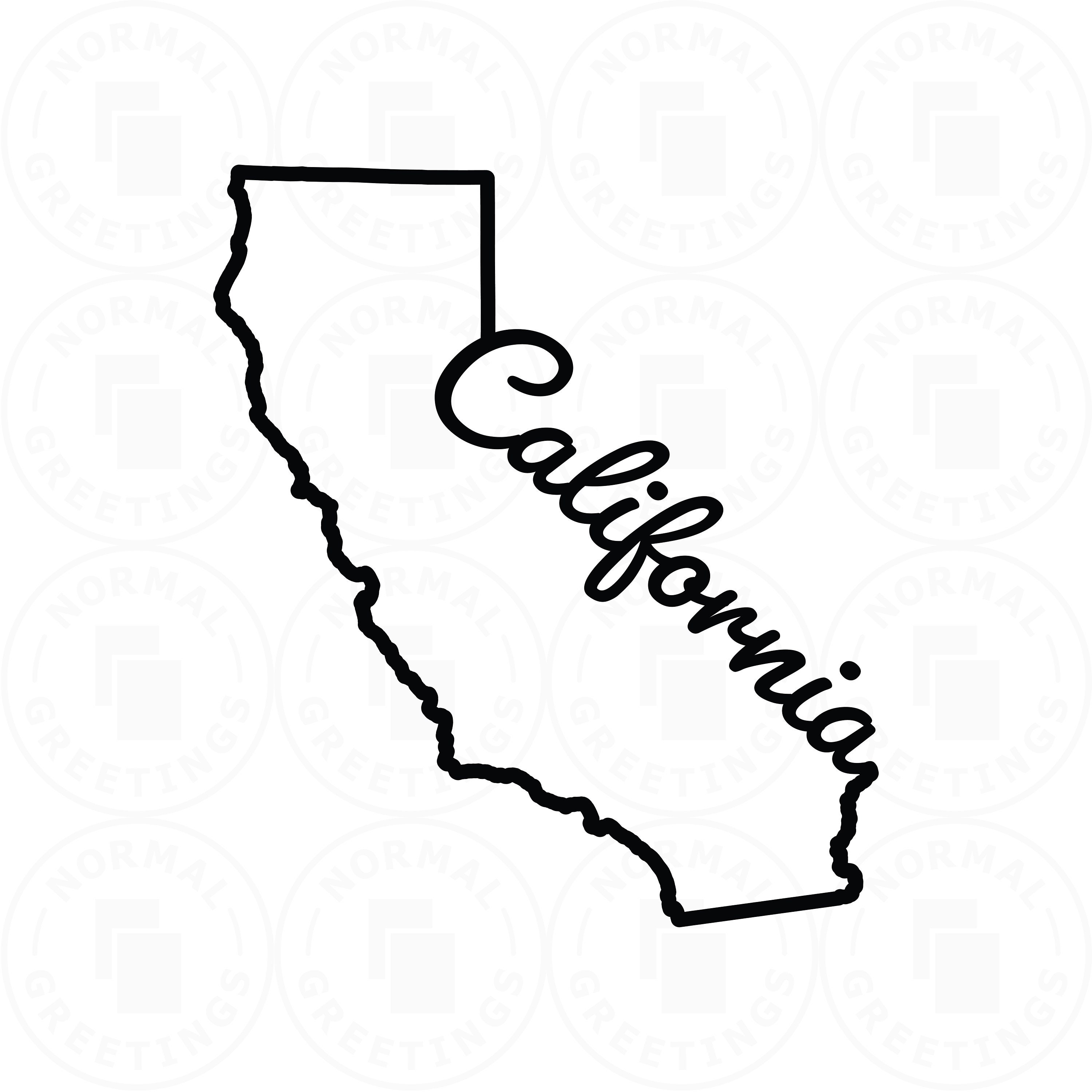
The first step in any drawing is understanding the fundamental shape. The outline of California is as recognizable as its reputation. It’s a landmass defined by its western edge along the Pacific Ocean, a jagged and complex coastline that offers a wealth of detail. To the north, it shares a border with Oregon, characterized by a straighter, more geometric line. To the east, the border with Nevada is largely defined by the Sierra Nevada mountain range and then a more rectilinear division. To the southeast, Arizona forms another border, primarily defined by the Colorado River. Finally, to the south, the state meets Mexico, a relatively straight, man-made border.
The Coastal Curve
The Pacific coastline is perhaps California’s most defining feature. It’s not a smooth, uniform curve but a dynamic interplay of bays, peninsulas, and capes. When sketching, begin by blocking in the general shape of the state, focusing on the prominent indentations and protrusions. Think about the sweep of the coast from north to south. The northwestern coast is rugged, with numerous small inlets and rocky outcrops. As you move south, the coastline smooths slightly, giving way to the vast expanse of the Santa Barbara Channel and the distinctive shape of the Palos Verdes Peninsula. Further south, the coast becomes a series of long, sandy beaches interspersed with cliffs, culminating in the southern border. Pay attention to the major bays like San Francisco Bay and San Diego Bay, which significantly alter the overall silhouette.
Inland Boundaries
While the coast is dramatic, the inland borders are equally important to the state’s overall form. The Sierra Nevada mountains form a natural barrier with Nevada for a significant portion of the eastern edge. This creates a somewhat rugged, undulating line. The remainder of the eastern border, and the borders with Oregon and Arizona, are more artificial, often straight lines dictated by geographical surveys or natural features like rivers. When drawing, these straight lines provide a contrast to the organic fluidity of the coast, helping to define the state’s unique proportions.
Depicting California’s Diverse Landscapes
Beyond its outline, California is a tapestry of varied terrains. To truly capture the state, one must represent its iconic natural features.
The Majestic Sierra Nevada
The Sierra Nevada mountain range is a dominant force in California’s geography and a visually striking element to incorporate into a drawing. Think of its formidable peaks, often snow-capped, creating a dramatic backdrop to many parts of the state. When sketching the Sierras, focus on conveying their height and ruggedness. Use strong, angular lines to depict the jagged peaks. Consider the effect of light and shadow to emphasize their three-dimensional form. Features like the granite domes of Yosemite National Park are iconic and can be a focal point. Even a simplified representation of layered mountain ranges can effectively communicate the presence of this massive geological feature.
The Golden Plains and Deserts
In contrast to the mountains, California also features vast expanses of fertile valleys and arid deserts. The Central Valley is the agricultural heartland, often depicted with flat, expansive fields stretching to the horizon. This can be rendered with horizontal lines and subtle variations in tone to suggest cultivated land. Further south and east lie the deserts, such as the Mojave Desert and the Colorado Desert. These areas are characterized by their unique flora, like Joshua trees, and their stark, undulating sand dunes. To draw deserts, focus on conveying a sense of vastness and heat. Use subtle shading and texture to suggest sand and rock formations. The distinctive silhouettes of desert plants add character.
The Iconic Pacific Coastline
The drawing of the coastline itself can become a landscape feature. Think of the dramatic cliffs of Big Sur, where the mountains plunge directly into the sea. Here, the contrast between the solid rock of the cliffs and the dynamic motion of the ocean is key. For beaches, focus on the gentle slope of the sand meeting the water, and the texture of the sand itself. The waves crashing on the shore can be suggested with sweeping, curved lines, capturing their energy and movement. Lighthouses, such as the Pigeon Point Lighthouse, are also quintessential elements of the California coast and can add points of interest.
Incorporating Iconic California Landmarks and Symbols
Beyond geography, California is rich with man-made and natural landmarks that are instantly recognizable and can elevate a drawing from a mere map to a vibrant depiction of the state.
Urban Skylines
California’s cities are global hubs of culture and innovation. Drawing their skylines is a way to represent their dynamism. Think of the iconic structures of Los Angeles, with its sprawling metropolis and Hollywood influences, or the distinctive architecture of San Francisco, known for its Victorian houses and the imposing presence of the Golden Gate Bridge. When sketching a skyline, focus on the verticality of the buildings and the interplay of light and shadow. Even simplified shapes can suggest the density and character of these urban landscapes. The Golden Gate Bridge, with its vibrant orange hue and majestic cables, is a particularly powerful symbol to incorporate.
Natural Wonders
California is home to an abundance of natural wonders that are celebrated worldwide. Yosemite Valley, with its iconic granite formations like El Capitan and Half Dome, offers dramatic verticality and scale. The giant sequoia trees in places like Sequoia National Park are awe-inspiring in their size. When drawing these natural landmarks, emphasize their scale and unique forms. For the sequoias, focus on their immense girth and the texture of their bark. For the granite monoliths, capture their smooth, imposing surfaces.
Symbols of California
Certain symbols have become synonymous with California. The grizzly bear, the state animal, is a powerful motif. Its muscular form and fierce expression can be drawn to represent the wild spirit of the state. Palm trees are another ubiquitous symbol, particularly associated with Southern California’s beaches and boulevards. Their distinctive silhouette, with fronds fanning out from a slender trunk, is easily recognizable. The poppy, California’s state flower, with its vibrant orange petals, can be a delicate and colorful addition to a drawing.
Bringing it all Together: Composition and Style
Once you have a grasp of the individual elements, the challenge becomes composing them into a cohesive and engaging drawing.
Establishing a Focal Point
Decide what aspect of California you wish to emphasize. Are you drawing a sweeping vista of the coast, a dramatic mountain scene, or a lively urban environment? Establishing a focal point will guide your composition. For example, if you choose the Golden Gate Bridge, position it prominently and use surrounding elements to frame it, such as fog rolling in or the San Francisco skyline in the distance.
Layering and Depth
To give your drawing a sense of depth, consider layering elements. The foreground can feature details like a sandy beach or a cluster of wildflowers, while the mid-ground can show rolling hills or a town, and the background can depict distant mountains or the vast Pacific Ocean. This creates a sense of space and draws the viewer into the scene.

Choosing Your Medium and Style
The medium you choose will influence the final outcome. Pencils allow for delicate shading and detail. Inks can create bold outlines and graphic effects. Pastels can capture the soft colors of a sunset over the ocean. Watercolor can evoke the ethereal quality of coastal fog. Your personal style will also shape the drawing. You might opt for a realistic rendering, a more abstract interpretation, or a stylized approach that emphasizes certain features. Regardless of your chosen method, the key is to observe carefully and translate your understanding of California’s unique character onto the page. Drawing California is not just about replicating its geography; it’s about capturing its spirit, its energy, and its enduring appeal.
LifeOutOfTheBox is a participant in the Amazon Services LLC Associates Program, an affiliate advertising program designed to provide a means for sites to earn advertising fees by advertising and linking to Amazon.com. Amazon, the Amazon logo, AmazonSupply, and the AmazonSupply logo are trademarks of Amazon.com, Inc. or its affiliates. As an Amazon Associate we earn affiliate commissions from qualifying purchases.