
Navigating the complexities of time zones is a fundamental aspect of planning any travel, and understanding the specific time zone observed in Colorado is crucial for a smooth and enjoyable experience. This Rocky Mountain State, renowned for its stunning natural beauty and vibrant cities, adheres to a particular standard that affects everything from flight schedules and hotel check-ins to outdoor adventures and local events.
Understanding Mountain Time in Colorado
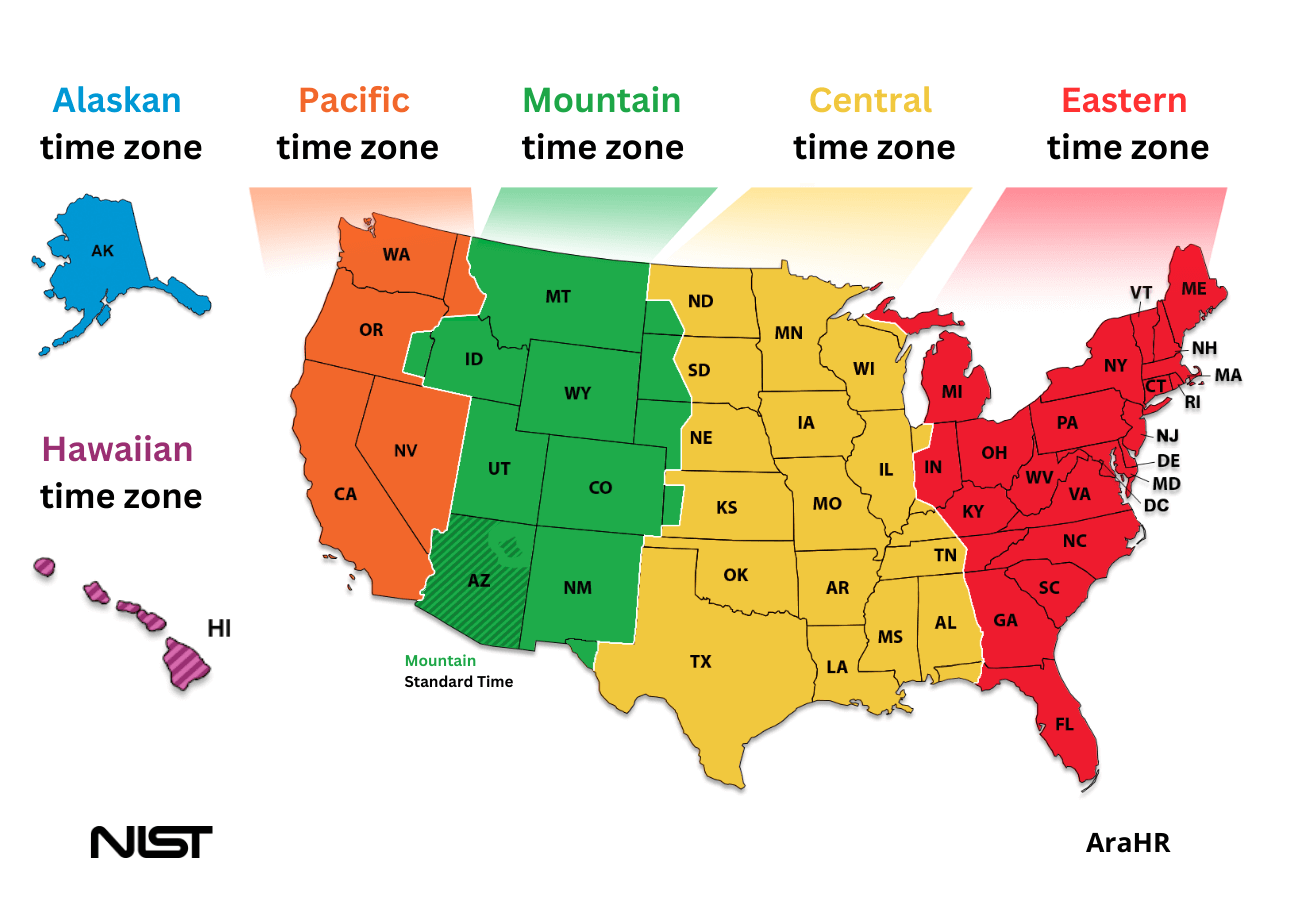
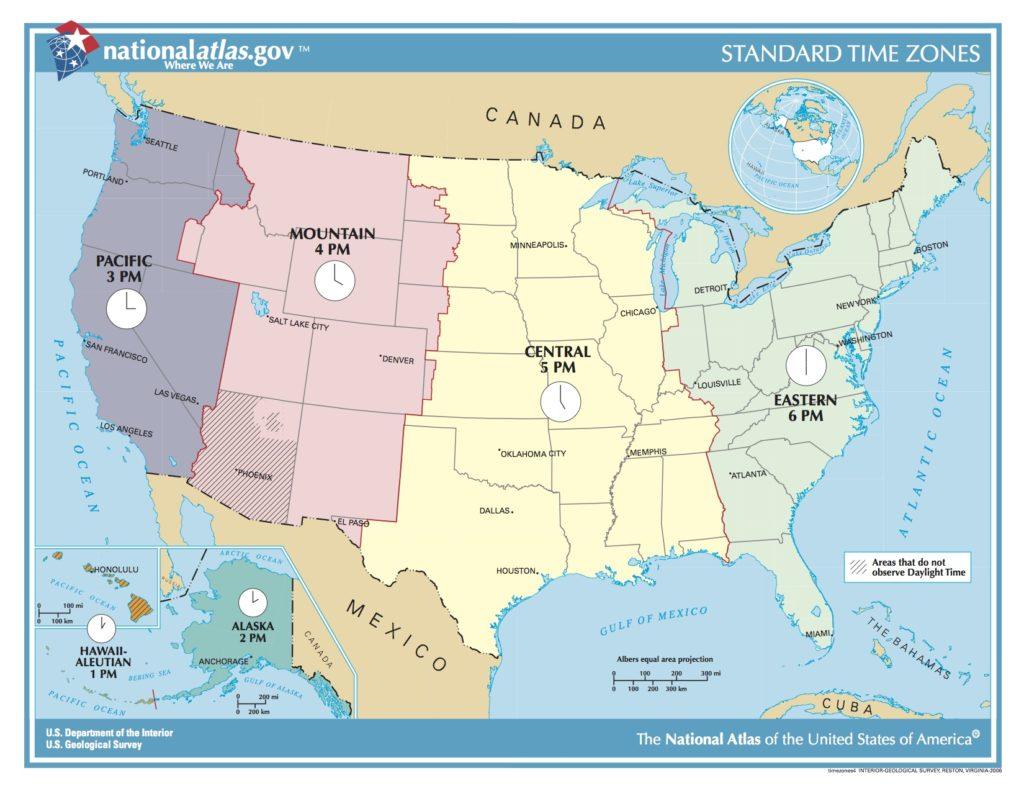
Colorado observes the Mountain Time Zone (MT). This zone is characterized by its geographical location in the central part of North America. The Mountain Time Zone is one of the nine standard time zones in the United States and is positioned between the Central Time Zone to its east and the Pacific Time Zone to its west.
Standard Time vs. Daylight Saving Time
Like much of the United States, Colorado observes Daylight Saving Time (DST). During the period when DST is in effect, the state operates on Mountain Daylight Time (MDT). When DST is not in effect, it reverts to Mountain Standard Time (MST).
-
Mountain Standard Time (MST): This is the standard time observed by Colorado during the fall and winter months. MST is UTC-7 (Coordinated Universal Time minus 7 hours). This means it is 7 hours behind Coordinated Universal Time. MST is also 2 hours ahead of Pacific Standard Time (PST) and 1 hour behind Central Standard Time (CST).
-
Mountain Daylight Time (MDT): This is the daylight-saving time observed by Colorado during the spring and summer months. MDT is UTC-6 (Coordinated Universal Time minus 6 hours). This means it is 6 hours behind Coordinated Universal Time. MDT is 2 hours ahead of Pacific Daylight Time (PDT) and 1 hour behind Central Daylight Time (CDT).
The transition to and from Daylight Saving Time typically occurs on the second Sunday in March (when clocks spring forward) and the first Sunday in November (when clocks fall back). It is always advisable to confirm the current DST status, especially when planning travel around these transition periods.
Geographic Considerations
The Mountain Time Zone encompasses a vast geographic area, and its application to Colorado is straightforward. The entire state operates under this single time zone, simplifying scheduling and coordination for visitors and residents alike. This uniformity across the state is a significant advantage for travelers exploring different regions, from the urban centers of Denver and Boulder to the mountain resorts like Aspen and Vail.
Practical Implications for Travelers
Understanding Colorado’s time zone has several practical implications for travelers. Being aware of the time difference is crucial for coordinating arrival and departure times, booking accommodations, and participating in scheduled activities.
Flight Schedules and Travel Planning
When booking flights into and out of Colorado, all flight times will be listed according to the local time of the departure and arrival airports. For example, a flight departing from New York City (which is in the Eastern Time Zone, ET) to Denver will have its arrival time adjusted for Mountain Time. If flying from ET to MT, you will generally gain two hours. Conversely, flying from a Pacific Time Zone state like California to Colorado will mean you gain one hour. Always double-check flight confirmations to ensure you are aware of the local times.
Accommodation and Activities
Hotels in Colorado, whether in Denver, Colorado Springs, or a ski resort town, will operate on Mountain Time. Check-in and check-out times, as well as the operating hours of amenities like restaurants and spas, will all be in local Mountain Time.
Similarly, tours, guided hikes, ski lessons, and other organized activities will be scheduled according to Mountain Time. It is essential to arrive at your activity locations on time, accounting for any potential travel delays. For instance, if you book a sunrise hike or a morning ski lesson, knowing the exact time it begins in local Mountain Time is vital for a prompt start.
Communication and Business
For those conducting business or coordinating with individuals in Colorado, understanding the time difference is paramount. Meetings, conference calls, and business hours should all be scheduled with Mountain Time in mind. Mismanaging time differences can lead to missed opportunities and professional missteps.
Exploring Colorado’s Unique Timings
Colorado’s adherence to the Mountain Time Zone influences the rhythm of life across the state, from its bustling urban areas to its serene natural landscapes.
Urban Life and Dining
Cities like Denver, Fort Collins, and Boulder have vibrant culinary scenes and entertainment options that operate on Mountain Time. Restaurants will typically begin serving dinner service at times consistent with other US time zones, but the clock will read Mountain Time. For example, a 7:00 PM dinner reservation is in Mountain Time. The start times for theater performances, sporting events, and concerts will also be local Mountain Time.
Outdoor Adventures and National Parks
Colorado is a premier destination for outdoor enthusiasts, with iconic natural wonders such as Rocky Mountain National Park, Great Sand Dunes National Park and Preserve, and the Garden of the Gods. Ranger-led programs, visitor center hours, and the opening and closing times of park facilities will all be aligned with Mountain Time. Sunrise and sunset times, which are critical for planning hikes and photography, are also directly tied to local solar time, which is dictated by the Mountain Time Zone. Many hikers and climbers aim to start their ascents well before dawn to complete their journeys safely, making early awareness of sunrise times crucial.
Ski Resorts and Winter Sports
During the winter months, Colorado’s world-renowned ski resorts, including Breckenridge, Aspen Snowmass, and Telluride Ski Resort, operate on Mountain Time. Lift ticket windows, ski school start times, and the opening and closing of slopes will all adhere to this schedule. For early risers eager to hit the fresh powder, knowing the precise time lifts open is essential. Some resorts even offer early-access programs for certain guests, further emphasizing the importance of accurate timekeeping.
Connecting with Colorado: Time Zone Etiquette
When interacting with locals or businesses in Colorado, it’s always best practice to confirm the time if there’s any ambiguity, especially if you are traveling from a significantly different time zone. Many digital devices automatically adjust to the local time when you arrive in a new location, but it’s wise to manually check your phone, watch, or car’s clock upon arrival to ensure accuracy.
Tips for Seamless Travel
- Set your watch and phone upon arrival: Most modern smartphones and smartwatches will update automatically, but it’s a good habit to verify.
- Confirm activity times: Always reconfirm the exact start times of tours, reservations, and excursions with local providers.
- Factor in time zone differences for calls: If you need to make calls back to your home time zone, be mindful of the difference to avoid waking people up or calling during their business hours.
- Understand Daylight Saving Time: Be aware of the dates for the start and end of DST in Colorado to avoid confusion during transitional periods.
By understanding and respecting Colorado’s position within the Mountain Time Zone, travelers can ensure their plans align perfectly with local schedules, allowing for a truly immersive and hassle-free experience in this magnificent state. Whether you’re attending a business meeting in Denver, exploring the natural wonders of Pikes Peak, or hitting the slopes in Winter Park, knowing the time is the first step to unlocking all that Colorado has to offer.
LifeOutOfTheBox is a participant in the Amazon Services LLC Associates Program, an affiliate advertising program designed to provide a means for sites to earn advertising fees by advertising and linking to Amazon.com. Amazon, the Amazon logo, AmazonSupply, and the AmazonSupply logo are trademarks of Amazon.com, Inc. or its affiliates. As an Amazon Associate we earn affiliate commissions from qualifying purchases.