
The question of whether New Yorker Magazine leans liberal is one that sparks frequent discussion, particularly among those interested in the intersection of media, culture, and politics. To understand this perception, one must delve into the magazine’s editorial history, its content, its contributors, and its target audience. The New Yorker, a publication steeped in the intellectual and cultural life of New York City, has long been a significant voice in American journalism and literary circles. Its reputation for in-depth reporting, sophisticated commentary, and engaging fiction has cultivated a loyal readership, many of whom are drawn to its nuanced explorations of complex issues.

Editorial Stance and Historical Context
The New Yorker was founded in 1925 by Harold Ross, and from its early days, it aimed to be a sophisticated, witty, and observant chronicler of urban life. While not explicitly founded on a political platform, its early content often reflected a certain cosmopolitan and intellectual sensibility that, in retrospect, could be seen as aligning with progressive or liberal viewpoints, particularly in contrast to more overtly conservative publications of the era.
Throughout its history, key editors have shaped the magazine’s direction. William Shawn, who edited the magazine from 1952 to 1987, is often credited with fostering an environment of literary excellence and thoughtful, often critical, analysis of societal issues. Under his leadership, the magazine published groundbreaking investigative journalism and essays that tackled subjects ranging from civil rights to the Vietnam War, often from perspectives that challenged the status quo. These were periods where investigative journalism often highlighted societal injustices, a hallmark of liberal thought.
In more recent decades, under editors like David Remnick, the New Yorker has continued to engage with contemporary political and social debates. The magazine has consistently provided extensive coverage of presidential elections, international conflicts, and domestic policy debates. The selection of topics and the depth of coverage often indicate an editorial focus on issues that are central to progressive and liberal agendas, such as social justice, environmental concerns, and the critique of power structures. This focus on critical analysis and examination of societal fault lines is frequently interpreted as a liberal leaning.
Content Analysis: Reporting, Essays, and Cartoons
A significant part of understanding the New Yorker’s perceived political leaning lies in the examination of its content.
Reporting and Features
The magazine’s signature long-form journalism, often referred to as “New Yorker reporting,” is characterized by meticulous research, in-depth interviews, and a sophisticated narrative style. When the New Yorker covers political campaigns, it often delves into the policy nuances, the personal histories of candidates, and the broader societal implications of their platforms. While aiming for objectivity, the selection of which stories to pursue, which angles to emphasize, and which experts to quote can implicitly convey a perspective. For instance, extensive coverage of climate change scientists’ warnings or detailed exposés of corporate malfeasance tend to align with concerns often voiced by the political left.
The magazine has a history of publishing pieces that challenge established narratives or offer critical perspectives on governmental actions. Reporting on topics such as economic inequality, racial justice, and LGBTQ+ rights has consistently favored viewpoints that advocate for reform and challenge existing power dynamics. This approach, while not necessarily partisan, often resonates with liberal ideals.
Essays and Opinion Pieces
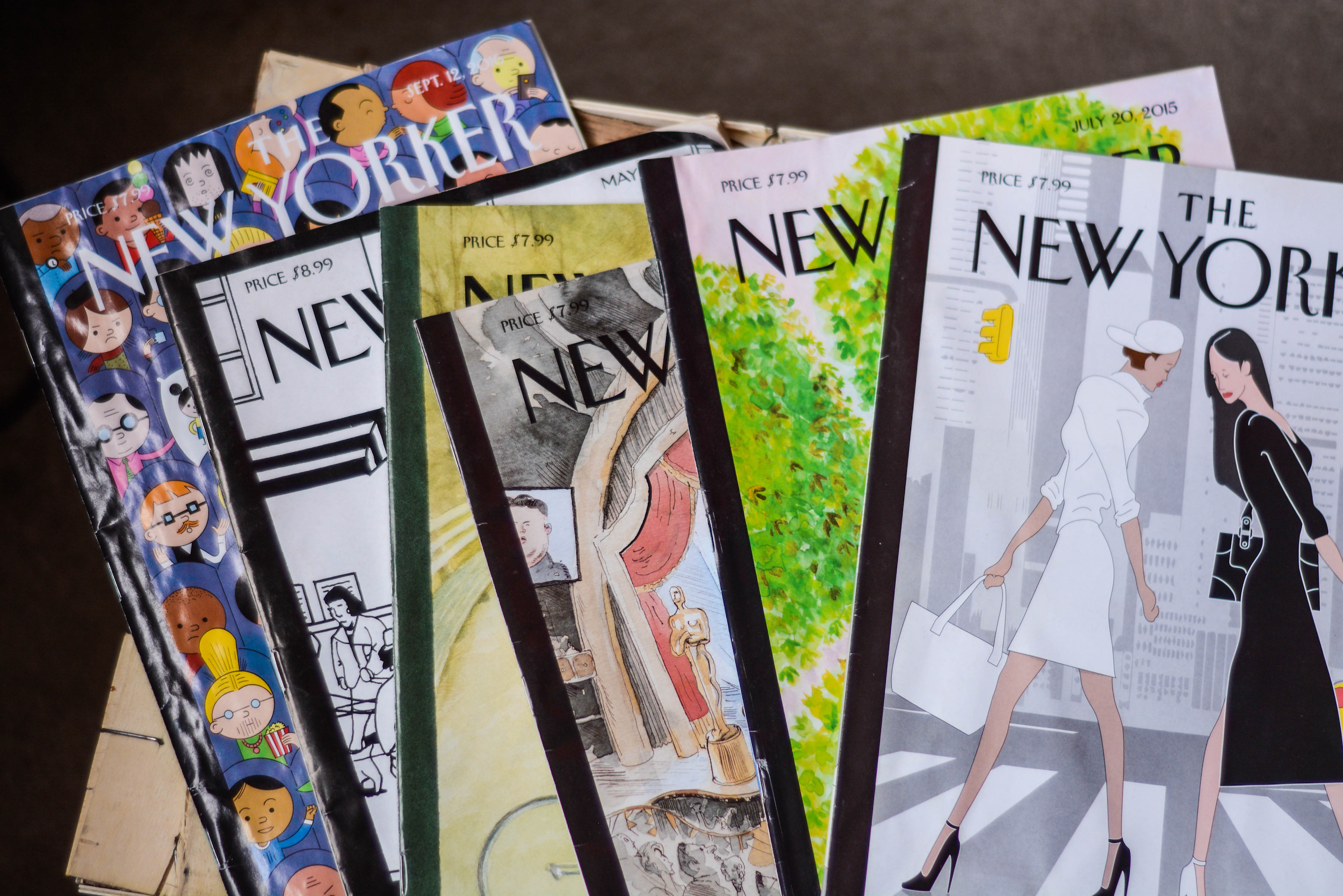
While the New Yorker is primarily known for its reporting, its selection of essayists and opinion writers also contributes to its overall perception. Many of its most prominent contributors, such as Elizabeth Kolbert, Adam Gopnik, and Rebecca Mead, have written extensively on social and cultural issues in ways that often align with progressive viewpoints. Their analyses frequently engage with contemporary social movements, critiques of capitalism, and discussions on identity politics, all of which are central to modern liberal discourse. The magazine also features book and film reviews that often engage with works that explore social or political themes.
Cartoons
The New Yorker’s cartoons are a unique and often pointed feature. While intended to be humorous, they frequently offer sharp social and political commentary. Historically, New Yorker cartoons have satirized politicians, societal trends, and cultural norms. A retrospective glance at these cartoons often reveals a consistent tendency to poke fun at authority, privilege, and the absurdities of everyday life, a form of commentary that many find aligns with a liberal or progressive worldview. The targeting of conservative figures or policies in some cartoons, while not exclusive, contributes to this perception.
Contributors and Readership
The individuals who contribute to the New Yorker and the demographic that reads it also play a role in its perceived political alignment.
Editorial Staff and Writers
The editorial staff and the roster of writers for the New Yorker are, by and large, drawn from the intellectual and cultural elites of New York City and beyond. This demographic often skews liberal, particularly in urban centers like New York and Washington D.C.. The writers are often academics, journalists, and cultural critics who are deeply engaged with contemporary social and political issues, and their perspectives, when published, can naturally reflect a liberal viewpoint.
Target Audience
The New Yorker is often seen as a magazine for the educated, urban professional. This demographic, while diverse, tends to lean more liberal than the general population, especially in terms of social issues and environmental concerns. The magazine’s sophisticated tone, its literary aspirations, and its focus on intellectual engagement appeal to readers who are interested in nuanced discussions of politics, culture, and society. This audience’s alignment with certain political viewpoints can, in turn, influence the perception of the magazine’s own editorial leaning.

Nuance and Criticisms
It is important to acknowledge that labeling any publication, especially one as multifaceted as the New Yorker, as strictly “liberal” can be an oversimplification. The magazine strives for journalistic integrity and often publishes diverse viewpoints within its pages. There have been instances where New Yorker writers have offered critiques of progressive policies or figures, and the magazine’s fiction often explores universal human themes that transcend specific political ideologies.
However, when assessing the overall editorial direction, the selection of topics, the framing of issues, and the dominant voices featured, the evidence strongly suggests that the New Yorker operates within a broadly liberal framework. Its commitment to in-depth analysis, its critical engagement with power, and its focus on social justice issues have solidified its reputation as a publication that, while sophisticated and intellectually rigorous, tends to align with progressive and liberal perspectives in the contemporary American political landscape. This doesn’t mean it is a partisan organ, but rather that its editorial ethos and content lean towards a specific, well-informed, and often critical, perspective on the world.
LifeOutOfTheBox is a participant in the Amazon Services LLC Associates Program, an affiliate advertising program designed to provide a means for sites to earn advertising fees by advertising and linking to Amazon.com. Amazon, the Amazon logo, AmazonSupply, and the AmazonSupply logo are trademarks of Amazon.com, Inc. or its affiliates. As an Amazon Associate we earn affiliate commissions from qualifying purchases.